


A Sanctuary of Russian Soul: The Tropinin and Contemporary Moscow Artists Museum
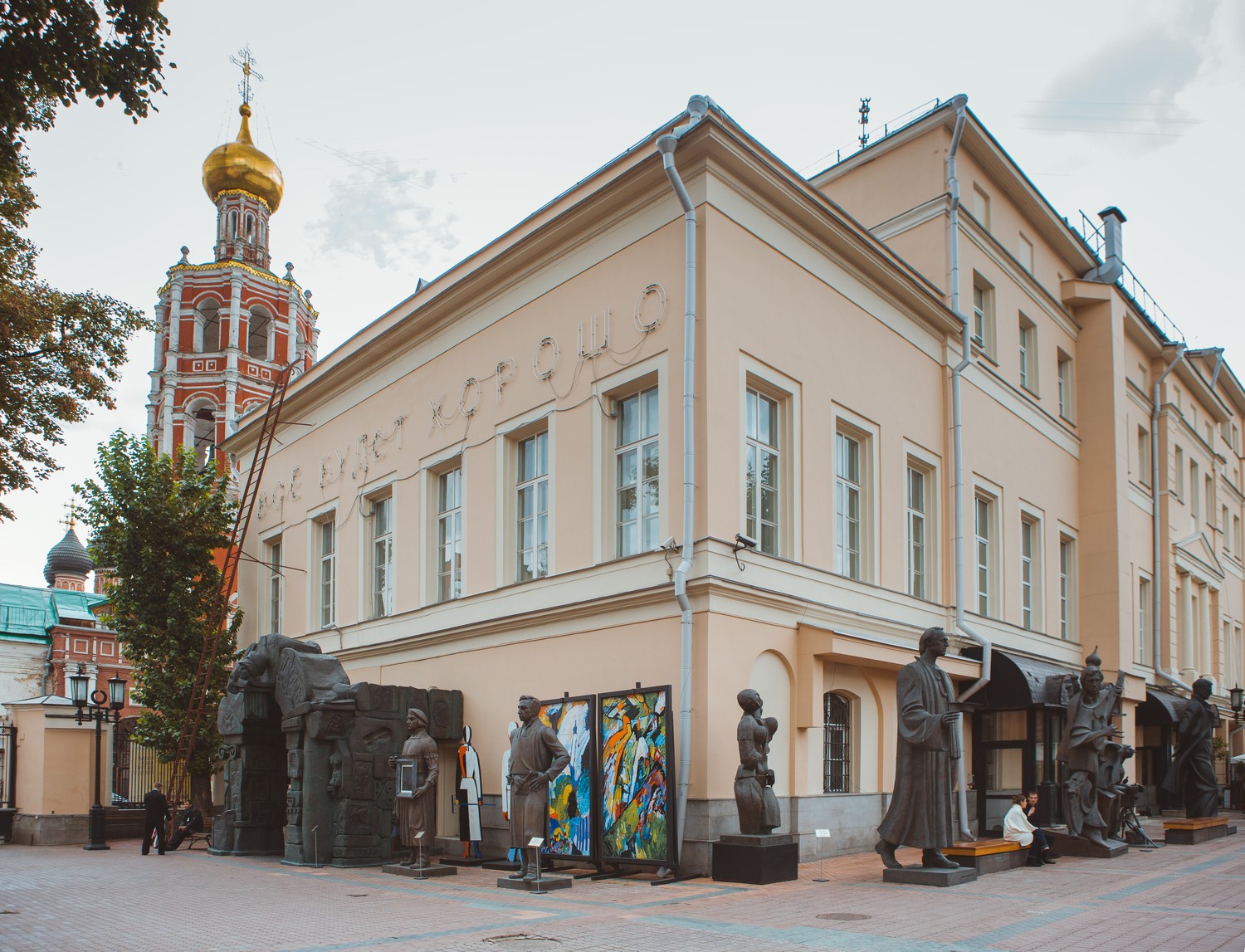
In the beating heart of Moscow, where the echoes of imperial grandeur meet the vibrant pulse of modern urbanity, lies a sanctuary for those who seek the profound intimacy of the human spirit. The Tropinin and Contemporary Moscow Artists Museum is not merely a repository of canvas and pigment; it is a living dialogue between the storied past of Russian Romanticism and the experimental frontiers of the present day. To step through its doors is to embark on a journey that transcends time, moving from the tender, soulful portraiture of the nineteenth century into the bold, often surrealist explorations of today’s Moscow avant-garde.
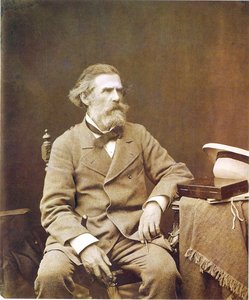
The museum’s identity is inextricably linked to the legacy of Vasily Andreyevich Tropinin, a master whose very life story serves as a testament to the transformative power of art. Born into the heavy constraints of serfdom, Tropinin rose to become a cornerstone of Russian Romanticism, capturing the essence of his subjects with an unparalleled emotional depth. His portraits do not simply record a likeness; they reveal the quiet dignity and inner lives of those who inhabited the Russian landscape. In the museum's collection, one can feel the brushstrokes of a man who understood that true beauty lies in the subtle nuances of a gaze or the gentle curve of a hand, making his work an essential cornerstone for any collector of classical Russian mastery.
As one wanders deeper into the galleries, the historical narrative shifts from the romanticized nineteenth century to the gritty, evocative realism and impressionistic light of later eras. The collection breathes with the energy of the Peredvizhniki movement and the luminous innovations of artists like Konstantin Korovin, whose work brings a sense of atmospheric brilliance to the museum's halls. For the interior designer or art enthusiast, these works offer more than aesthetic pleasure; they provide a window into the social fabric of a changing Russia, where every landscape and genre scene serves as a poignant commentary on the resilience and evolution of the Russian identity.
What truly distinguishes this institution, however, is its fearless embrace of the contemporary. The museum acts as a vital bridge, placing the delicate silver enamels of Maria Wasiliewna Semenova alongside the vibrant, urban expressionism of rising stars like Nikita Plushedelica. This juxtaposition creates a dynamic tension that is rare in traditional institutions. Visitors might find themselves contemplating the intricate, meticulous craftsmanship of historical decorative arts one moment, only to be confronted by the bold, layered, and often provocative textures of modern Moscow street-art-inspired works the next. It is this seamless integration of the ancestral and the avant-garde that makes the museum a unique destination for those looking to understand the continuous thread of creativity that defines the Russian spirit.
Beyond its permanent holdings, the museum serves as a cultural crossroads through its rotating exhibitions, which frequently delve into specific themes—ranging from the architectural grandeur of the Kremlin to the psychological depths of Soviet-era surrealism. For the discerning visitor, the museum offers an immersive experience where history is not a static relic, but a continuous, breathing entity. It remains a must-visit landmark for anyone seeking to decorate their intellectual and emotional landscape with the profound beauty of Moscow’s artistic heritage.




