
A Sanctuary of Visionary Spirit
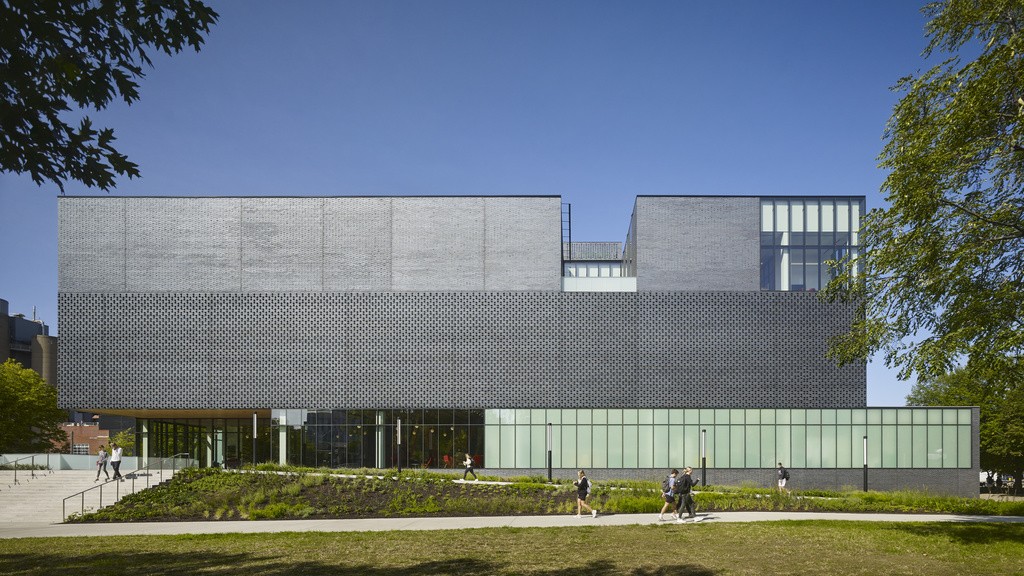
Nestled within the vibrant academic heart of Iowa City, the University of Iowa Stanley Museum of Art serves as a profound testament to the enduring power of human creativity. Established in 1969 through the visionary endowment of Owen and Leone Elliott, this institution has blossomed from a dedicated repository for a private collection into a cornerstone of the American cultural landscape. To step within its walls is to enter a dialogue between the past and the present, where the scholarly rigor of the University of Iowa meets the raw, emotive energy of global artistic movements. The museum does not merely display objects; it curates experiences that challenge the intellect and stir the soul, making it an essential pilgrimage site for art historians, collectors, and those who find beauty in the intersection of tradition and innovation.
The collection itself is a breathtaking tapestry of human expression, spanning approximately 17,000 objects that traverse continents and centuries. For the connoisseur of modernism, the museum offers an unparalleled encounter with the giants of Abstract Expressionism, most notably Jackson Pollock’s monumental Mural . This iconic work, a swirling vortex of color and gestural intensity, captures the very essence of postwar American spirit, inviting viewers to lose themselves in its rhythmic complexity. Alongside such titans, the museum presents the haunting, psychological depth of Max Beckmann’s Karneval , a triptych that masterfully navigates themes of morality and societal upheaval. This duality—the expansive energy of modernism paired with the intricate narratives found in African Art and the delicate precision of Western printmaking—ensures that every visit reveals a new layer of cultural significance.
Beyond its storied canvases, the Stanley Museum of Art is a masterclass in the integration of art and academia. The museum’s architecture and mission are inextricably linked to the University’s School of Art and Art History, creating a symbiotic environment where research and exhibition breathe as one. This connection fosters a living museum, where graduate students and faculty curate shows that reflect the cutting edge of contemporary discourse. For the interior designer or the lover of fine craft, the museum's focus on American Studio Ceramics and exquisite textiles offers a tactile appreciation for form and materiality. It is this commitment to accessibility and educational engagement—reaching far beyond the campus through extensive outreach initiatives—that defines the Stanley Museum as more than just a gallery; it is a beacon of artistic exploration that continues to inspire future generations of creators and thinkers.