
A Sanctuary of Scholarly Splendor: The University of St Mark & St John
Nestled within the verdant embrace of the Cornish coastline, the University of St Mark & St John—affectionately known as Marjon—serves as far more than a mere seat of higher learning. It is a profound cultural sanctuary where the rigors of academic inquiry meet the soulful depths of artistic expression. To wander through its grounds is to embark on a journey through time, where the salt-misted air of Plymouth’s maritime history mingles with the quiet contemplation of a curated museum collection. This institution stands as a rare testament to the belief that true education requires an intimate dialogue with the aesthetic, offering a space where the intellect and the senses are nourished in equal measure.
The museum’s collection is a tapestry woven from local heritage and broader historical narratives, presenting a window into the Victorian era and the evolving identity of the region. One cannot help but be moved by the evocative power of “Penn’s Treaty with the Indians,” an 1840 oil painting by Edward Hicks. This masterpiece does more than depict a moment of negotiation; it captures the very essence of colonial ideals and the complex, often fraught, beginnings of the Plymouth Colony. As visitors move through the galleries, they encounter the rhythmic pulse of Victorian life in Plymouth, captured through delicate prints and paintings that document the city's industrial metamorphosis and social shifts with remarkable sensitivity.
Beyond the historical weight of its colonial narratives, the collection celebrates the nuanced beauty of regional artistry. The museum pays homage to the masters of Jersey, such as Herbert St John Jones and John Saint Helier Lander, whose works breathe life into the halls. Jones’s charming, pastoral depictions of Cheshire horses evoke a sense of nostalgic tranquility, grounding the viewer in the rustic elegance of the Victorian countryside. In contrast, Lander’s portraits offer a masterclass in psychological depth, utilizing light and shadow to capture the fleeting nuances of human emotion. For the collector or interior designer, these works represent more than mere decoration; they are windows into an era of profound character and meticulous craftsmanship.
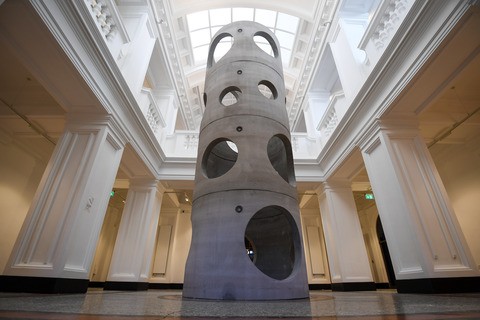
The experience of Marjon extends far beyond the gallery walls, as the campus architecture itself acts as a living exhibit. The seamless integration of historic structures with contemporary facilities creates a dynamic environment for discovery. In the central sculpture park, the monumental “Figurehead II” by David Nash commands attention. This 2007 bronze creation, with its organic abstraction and geological textures, serves as a powerful metaphor for resilience. Its weathered surface mirrors the rugged coastline of Devon, bridging the gap between the man-made and the natural world. It is this unique synthesis—of ancient stone, modern bronze, and historical oil—that makes the University of St Mark & St John an indispensable destination for those seeking inspiration in the intersection of history, art, and the enduring human spirit.