

 Ver en contexto
 Enviar
 Compartir
 Detalles

 Descargar
 Similares
 Radiografía
 Presentación de diapositivas
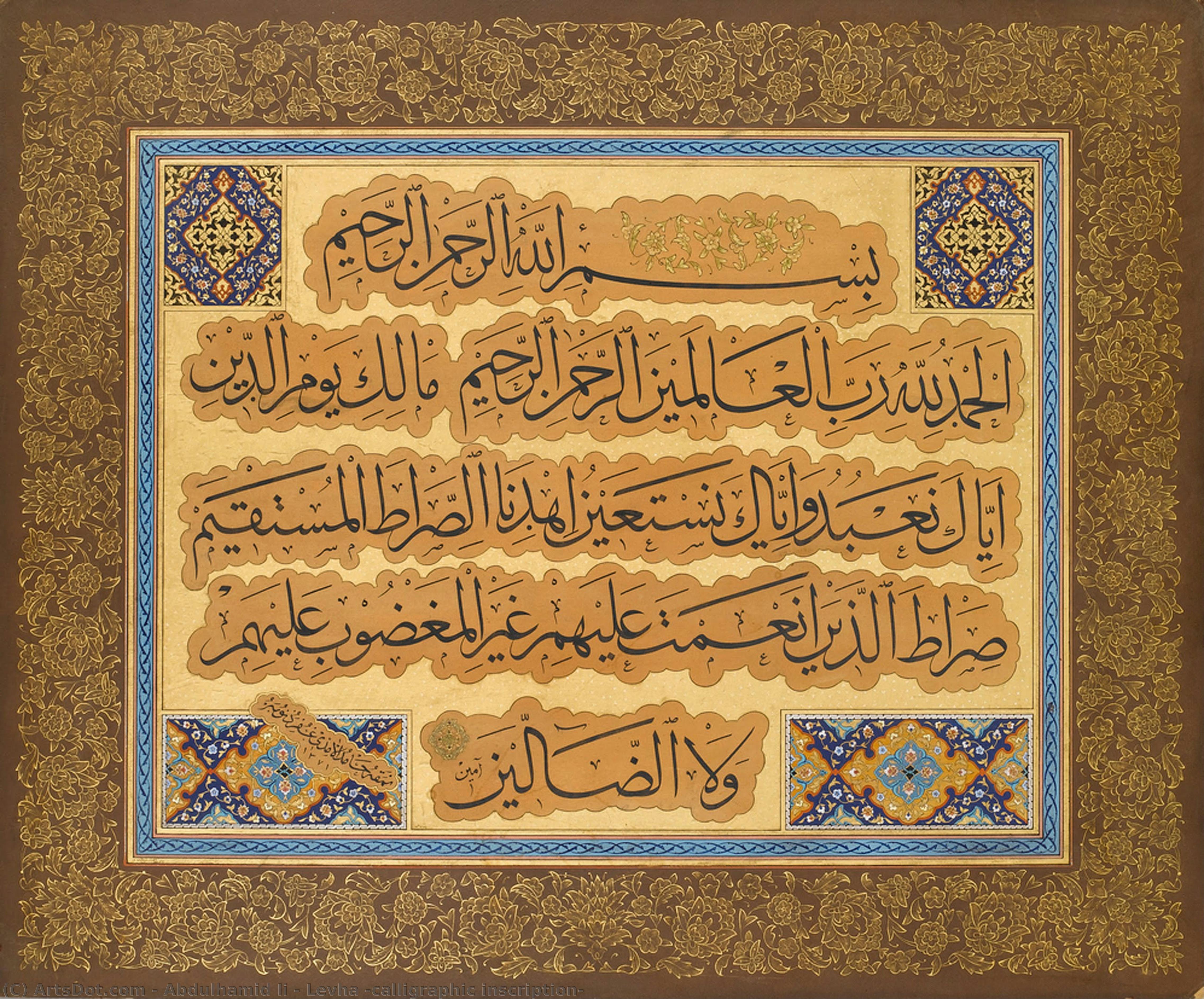
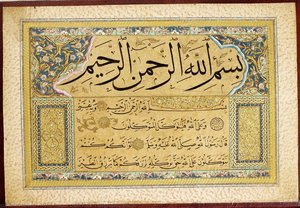
Levha (calligraphic inscription)


 Ver más
Giclée / Impresión de arte
Impresiones giclée o en lienzo de calidad de museo con producción rápida y opciones de acabado flexibles. ( Comprar pintura hecha a mano Comprar imagen)




P118B $10

P118H $10

P118W $10

P438Z $10

P508JH $12

P508YH $12

P805H $10

P805Z $10

P919BZ $10

P919G $10

P919XJ $10

P959ZH $10

P968JZ $12

W106C $8

W218G $10

W218JH $8

W218Y $10

W307PJ $10

W316G $10

W316PJ $8

W316Y $10

W398PJ $8

W4111J $10

W500HY $15

W500JH $15

W692G $12

W849H $8

W940BG $15

W953PJ $8




Elija entre nuestros tamaños predefinidos que respetan las proporciones originales de la obra.

Puede introducir sus propias dimensiones para adaptarse a un marco o espacio específico. Si el tamaño seleccionado no coincide con las proporciones de la imagen original, recortaremos la obra de arte o extenderemos la imagen con un borde con efecto espejo o de color sólido. Se enviará una maqueta digital para su aprobación antes de que comience la producción.
Tenga en cuenta que la vista previa en pantalla no refleja el recorte o la extensión real. Solo la maqueta mostrará con precisión la composición final.
Aunque existen tamaños personalizados, recomendamos seleccionar una dimensión de la lista predefinida para preservar las proporciones originales.
Envío a todo el mundo () en 2 semanas en lugar de las 4/5 semanas estándar. (26 agosto)

Envío exprés gratuito a todo el mundo

Lienzo de lino de alta calidad

Seguro de envío total

Garantía de reembolso de impuestos aduaneros

Garantía de fidelidad cromática exacta

Política de devolución de 60 días (solo por defectos)

Garantía de devolución del 100% del dinero

Descuento por cantidad
 La opción de vidrio solo está disponible en tamaños inferiores a 110 cm.

Levha (calligraphic inscription)
Giclée / Impresión de arte
Dimensiones de la reproducción
-


Precio total final
$ 62
Descripción de la pieza
The Elegance of the Written Word
In the quiet corridors of the Sakıp Sabancı Museum in Istanbul, there exists a piece that transcends mere decoration, inviting the viewer into a meditative state through the rhythmic beauty of script. Levha (calligraphic inscription) is not simply a painting; it is a profound dialogue between ink and soul. Created in 1951, this work serves as a breathtaking testament to the enduring power of Islamic calligraphy, where every stroke of the pen carries the weight of tradition and the grace of divine expression. The composition focuses on the intricate dance of Arabic lettering, where the fluid movement of the characters creates a visual melody that captivates the eye and settles the spirit.
The artistry of this piece lies in its ability to transform language into pure form. As one observes the delicate curves and sharp terminals of the calligraphy, the distinction between reading and seeing begins to blur. The technique employed here emphasizes the structural integrity of the script, utilizing a balanced arrangement that directs the viewer's gaze across the 70 x 59 cm surface in a continuous, flowing motion. For the discerning collector or interior designer, this work offers a sophisticated focal point, bringing an air of historical prestige and intellectual depth to any curated space.
A Legacy of Ottoman Artistry
To understand the soul of this inscription, one must look toward its creator and the rich cultural tapestry from which it emerged. While the piece itself dates to 1951, it is deeply rooted in the aesthetic values championed by Abdulhamid II. As the 34th Sultan of the Ottoman Empire, Abdulhamid II was far more than a political figure; he was a monumental patron of the arts whose reign fostered a period of immense cultural flourishing. His passion for preserving the historical and spiritual narrative of the empire ensured that the traditions of calligraphy remained at the forefront of Ottoman identity.
The historical context of this work evokes a sense of continuity, bridging the gap between the imperial grandeur of the late 19th century and the mid-20th-century preservation of these sacred arts. The inscription acts as a bridge through time, carrying the echoes of an era where art was inseparable from faith and statehood. For those seeking to adorn their homes with a reproduction of this piece, it offers more than just aesthetic pleasure; it provides a tangible connection to the storied history of Istanbul and the sophisticated legacy of Ottoman craftsmanship.
Atmospheric Grace for Modern Interiors
Integrating a work like Levha into a contemporary interior design scheme requires an appreciation for balance and texture. The piece possesses a unique versatility, functioning as both a subtle accent in a minimalist setting and a commanding centerpiece in a more opulent, classical room. Its monochromatic or limited color palette—typical of high-quality calligraphic works—allows it to harmonize with various textures, from smooth marble surfaces to rich, heavy velvets.
The emotional impact of the calligraphy is one of profound serenity. In an age characterized by visual noise and digital distraction, the rhythmic, repetitive nature of the script offers a sanctuary of stillness. It invites contemplation, making it an ideal selection for libraries, study halls, or quiet corners of a residence intended for reflection. Owning a high-quality reproduction of this masterpiece allows one to curate an environment that celebrates the intersection of historical reverence and timeless elegance, ensuring that the spirit of Ottoman artistry continues to breathe within modern living spaces.
Obras relacionadas

Biografía del artista
early life and reign
Abdülhamid II (en turco otomano: عبد الحميد ثانی `Abdü’l-Ḥamīd-i sânî, en turco: İkinci Abdülhamid; Estambul, 21 de septiembre de 1842-Estambul, 10 de febrero de 1918) fue el 34.º sultán del Imperio otomano (31 de agosto de 1876 - 27 de abril de 1909), depuesto por la sublevación militar de los Jóvenes Turcos para ser sustituido por su hermano, Mehmed V.
Fue un hijo de Sultan Abdülmecid I y ascendió al trono en agosto de 1876 tras la deposición de su hermano menor, Murad V, quien sufría una enfermedad mental. Su reinado marcó un período de significativa transformación política y cultural, caracterizado por intentos de modernización que chocaron con fuerzas conservadoras.
artistic patronage
Abdülhamid II demostró un profundo interés en el arte y la cultura otomana, convirtiéndose en un ferviente patrocinador de artistas destacados. Esta pasión impulsó una notable producción artística durante su gobierno, reflejando las preocupaciones estéticas y filosóficas de la época.
- Una figura clave fue Fausto Zonaro, pintor realista italiano que realizó el impresionante cuadro Mehmed II entra en Constantinopla por la puerta de Adrianópolis (https://ArtsDot.com/@@/9dgsbp), obra que captura magistralmente el espíritu del momento histórico y la importancia de preservar la narrativa histórica otomana.
- También apoyó a Jean Baptiste vanmour, pintor flamenco conocido por sus detallados paisajes arquitectónicos y escenas urbanas, como El Reis Effendi, jefe de la chancillería (https://ArtsDot.com/@@/d377ml), que ofrece una visión fascinante de la administración otomana y las costumbres sociales de la época.
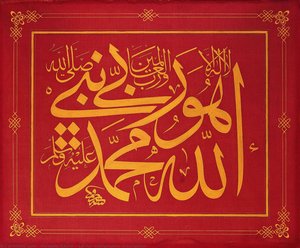
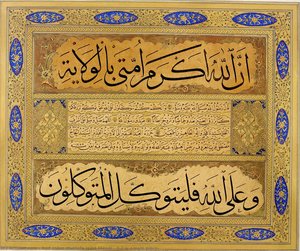
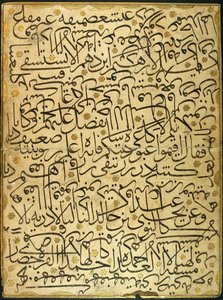
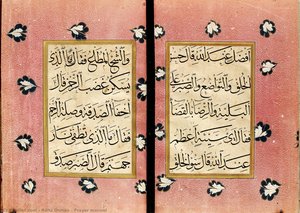
- Además, Abu al-Thanā’ Shihāb ad-Dīn Sayyid Maḥmūd ibn ‘Abd Allāh al-Ḥusaynī al-Ālūsī al-Baghdādī fue reconocido por su habilidad en la escritura árabe tradicional, como se evidencia en Levha (https://ArtsDot.com/@@/d4k4fb), una obra que refleja la importancia de la cultura islámica y el arte caligráfico en el contexto otomano.
- Finalmente, Hüseyin Zekai Pasha fue un pintor importante cuya obra Still Life con Rosas (https://ArtsDot.com/@@/d4k6g2) ejemplifica el desarrollo del arte otomano en el siglo XIX, mostrando un interés por la representación realista de temas cotidianos y paisajes naturales.
artistic influences and notable works
La corte otomana atrajo artistas de diversas nacionalidades, enriqueciendo el panorama artístico internacional y contribuyendo a la difusión de nuevas tendencias estéticas.
legacy and impact
Aunque su reinado estuvo marcado por desafíos políticos y sociales que culminaron en su caída en abril de 1909, Abdülhamid II dejó una huella imborrable en el arte otomano y en la cultura intelectual de su tiempo. Su apoyo financiero y artístico impulsó la creación de obras maestras que siguen siendo objeto de estudio y admiración hasta nuestros días.
Abdülhamid Ii
1842 - 1918 , Turquía
Datos clave
- Artistic Movement Or Style: Orientalismo
- Artists Who Influenced This Artist:
- Fausto Zonaro
- Jean Baptiste vanmour
- Date Of Birth: Septiembre 21, 1842
- Date Of Death: Febrero 10, 1918
- Full Name: Abdulhamid II
- Nationality: Ottoman
- Notable Artworks:
- Mehmed II entra Constantinopla por la puerta de Adrianópolis
- El Reis Effendi
- Levha
- Place Of Birth: Estambul, Turquía
Artículos relacionados
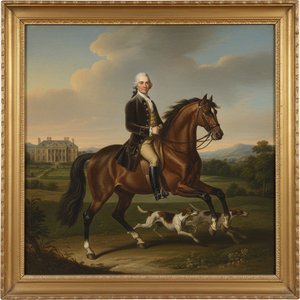
John Francis Sartorius II: Equestrian Elegance & the Rise of British Portraiture
Explore the captivating world of Francis Sartorius II (1734-1804), a leading British painter renowned for his exquisite equestrian portraits and hunting scenes. Discover his life, techniques & enduring legacy.
Cy Twombly: Scribbles of Emotion – Deconstructing Post-War Expressionism Through Calligraphy & Abstraction
Explore the captivating world of Cy Twombly with ArtsDot. Discover the emotional depth & artistic significance behind his abstract calligraphy. Expert insights for collectors.

Titian Ramsay Peale II: A Legacy of Botanical Precision & Artistic Innovation
Explore the life & art of Titian Ramsay Peale II, a master of botanical precision and wildlife painting. Discover his legacy bridging art & natural history at ArtsDot.

Henri Matisse: Las 25 Obras Maestras que Definieron un Genio del Color | ArtsDot
Descubre las 25 obras maestras de Henri Matisse, el rey del color y padre del fauvismo. Explora su arte moderno, lienzos vibrantes y la historia detrás de cada pintura icónica. Encuentra reproducciones de alta calidad en ArtsDot.com.
David Teniers II: Master of Flemish Genre & Social Commentary
Explore the captivating world of David Teniers II, a leading Flemish Baroque painter renowned for his lively genre scenes & insightful social commentary. Discover his masterpieces and legacy with ArtsDot.

