
- Inicio

- Imagen digital
- Abū Al-Thanā’ Shihāb Ad-Dīn Sayyid Maḥmūd Ibn ‘Abd Allāh Al-Ḥusaynī Al-Ālūsī Al-Baghdādī
 Ver en contexto
 Enviar
 Compartir
 Detalles

 Descargar
 Similares
 Radiografía
 Presentación de diapositivas
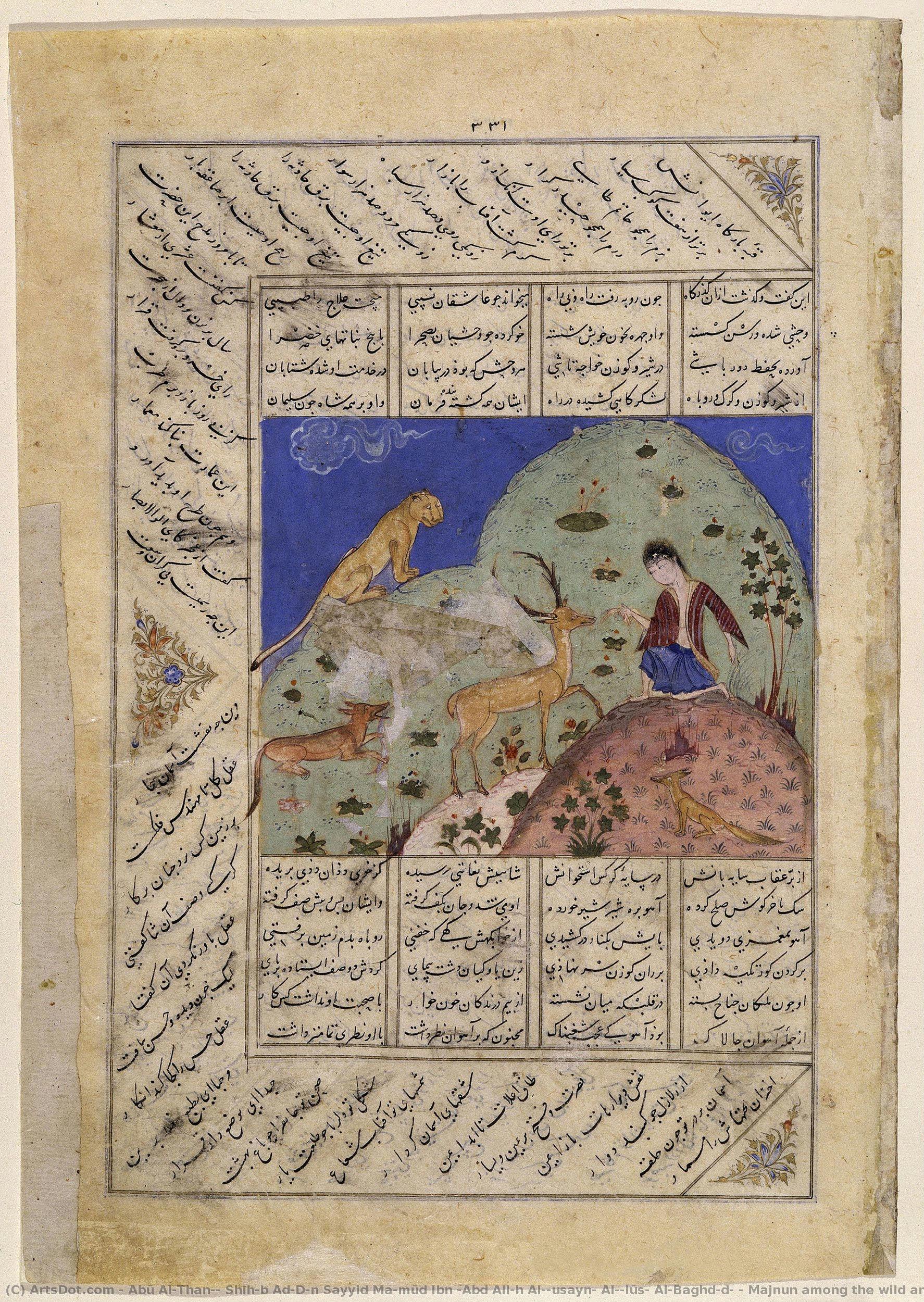
Majnun among the wild animals
 Manuscript
- Persian Miniature
 1420
1420- Late Medieval
 20.0 x 29.0 cm
 Pergamonmuseum
 Ver más
Adquiera una imagen digital de alta resolución y optimizada, muy superior a la vista previa en línea.
Cada archivo es preparado meticulosamente por nuestros especialistas internos mediante el uso de herramientas avanzadas y un experto retoque manual. Nos aseguramos de que cada imagen posea una claridad excepcional, una precisión cromática impecable y un detalle minucioso.
El archivo final se entrega por correo electrónico en un plazo de 72 horas, optimizado para su uso inmediato en entornos profesionales, editoriales y de impresión. Esta es la misma calidad en la que confían los estudios de diseño, las editoriales y las galerías de primer nivel.
Imagen Digital
Descarga un archivo de alta resolución para exhibición personal, impresión y proyectos creativos. ( Comprar impresión Comprar pintura hecha a mano)
Incluido en cada pedido de imágenes digitales
Entrega digital experta, garantizada.
Al elegir ArtsDot.com, no solo está adquiriendo una imagen; está recibiendo una obra de arte digital mejorada profesionalmente, elaborada con precisión y respaldada por una garantía de satisfacción. Esto es todo lo que incluye su pedido, automáticamente:

Entrega rápida por email
Recibirá su archivo de imagen digital en alta resolución por correo electrónico en un plazo de 72 horas tras realizar su pedido, listo para su uso inmediato.

Archivo digital optimizado por IA
Su obra de arte se optimiza profesionalmente mediante herramientas avanzadas de IA y edición manual, garantizando el máximo detalle, claridad y precisión cromática.

Reenvío gratuito de por vida
¿Has borrado o perdido tu archivo por error? No te preocupes: te lo volveremos a enviar en cualquier momento, sin coste adicional.

Sin gastos de importación, siempre
Disfrute de su obra de arte al instante sin aduanas, aranceles ni gastos de envío; las descargas digitales siempre están libres de impuestos.

Garantía de fidelidad de color
Garantizamos que su imagen digital refleje los colores originales con la mayor fidelidad posible, mediante el uso de herramientas profesionales y gestión del color.

Garantía de satisfacción de 60 días
Si no está satisfecho con su imagen digital, la revisaremos o le reembolsaremos el 100% en un plazo de 60 días, sin preguntas.

100% Garantía de devolución de dinero
¿No está satisfecho? Obtenga un reembolso completo dentro de los 60 días posteriores a la recepción de su archivo digital, sin necesidad de explicaciones.

Descuentos por pedidos grandes
Compra 3 imágenes, ahorra 10% - Compra 5, ahorra 15% - Compra 10+, ahorra 20%. Ideal para proyectos creativos, galerías y agencias.
Obras relacionadas

Biografía del artista
The Luminary of Baghdad: Abū al-Thanā’ Shihāb ad-Dīn Sayyid Maḥmūd ibn ‘Abd Allāh al-Ḥusaynī al-Ālūsī
Abū al-Thanā’ Shihāb ad-Dīn Sayyid Maḥmūd ibn ‘Abd Allāh al-Ḥusaynī al-Ālūsī, often simply known as Al-Allusi, stands as a towering figure in 19th-century Islamic scholarship. Born in Baghdad on December 10, 1802, into a family of considerable religious standing, his life unfolded against the backdrop of a declining Ottoman Empire and burgeoning intellectual currents. Al-Allusi wasn’t merely an academic; he was a *mufti* – a legal expert empowered to deliver rulings on Islamic law – deeply involved in the socio-political fabric of his time. His lineage connected him to the esteemed ‘Alid family, descendants of Prophet Muhammad, lending further weight to his authority and influence within the Sunni Muslim community. He passed away on July 29th, 1854, leaving behind a legacy that continues to resonate through Islamic thought.A Life Dedicated to Interpretation: The Genesis of *Rūḥ al-Ma‘ānī*
Al-Allusi’s most enduring contribution is undoubtedly his monumental commentary on the Qur'an, titled *Rūḥ al-Ma‘ānī fī tafsīr al-Qur’ān al-‘aẓīm wa-al-sab‘ al-mathānī* – “The Spirit of the Meaning in Commentary upon the Mighty Qur’ān and the Seven Oft-Repeated Verses.” This work, spanning approximately thirty volumes, is a testament to his profound knowledge of Islamic theology, jurisprudence, Arabic language, literature, and history. It wasn't simply an exegesis; it was a comprehensive exploration of the Qur'anic text, drawing upon a vast array of sources and perspectives. Al-Allusi’s approach was characterized by its meticulous detail, intellectual honesty, and willingness to engage with diverse interpretations. He didn’t shy away from acknowledging differing viewpoints, often presenting them before offering his own reasoned analysis. The sheer scale of *Rūḥ al-Ma‘ānī* reflects a lifetime devoted to understanding the divine word, making it one of the largest and most respected tafsirs in existence.Intellectual Influences and Scholarly Positioning
Al-Allusi’s intellectual formation was deeply rooted in the traditions of Sunni Islam, particularly the Hanafi school of jurisprudence. However, he wasn't confined by rigid adherence to a single school of thought. He demonstrated a remarkable openness to other perspectives, including those from the Shafi'i school and even elements of Sufism. This eclecticism is evident in *Rūḥ al-Ma‘ānī*, where he frequently references scholars from various backgrounds. His connection to the Naqshbandi *tariqa* (Sufi order) further broadened his intellectual horizons, imbuing his work with a mystical sensibility and an appreciation for the inner dimensions of faith. He engaged with contemporary debates within Islamic scholarship, navigating complex theological issues with nuance and sophistication. He corresponded with figures like Sayyid Kāẓim Rashtī, a prominent Shaykhī leader, demonstrating his willingness to engage in dialogue even with those holding differing beliefs.Historical Significance and Enduring Legacy
Al-Allusi’s significance extends beyond the realm of purely theological scholarship. He lived during a period of significant upheaval, witnessing the decline of traditional power structures and the rise of new intellectual forces. His commentary on the Qur'an served not only as an interpretation of scripture but also as a reflection of the challenges facing the Muslim world at the time. His willingness to engage with diverse perspectives and his emphasis on reasoned analysis made him a respected figure among both scholars and laypeople. *Rūḥ al-Ma‘ānī* continues to be studied today, serving as a valuable resource for understanding the Qur'an and Islamic thought. His work has been reprinted numerous times, ensuring its accessibility to future generations of scholars. Furthermore, his engagement with contemporary issues, such as the Bābī movement, provides insights into the intellectual landscape of 19th-century Iraq.Beyond *Rūḥ al-Ma‘ānī*: A Broader Intellectual Contribution
While *Rūḥ al-Ma‘ānī* remains his most celebrated work, Al-Allusi’s contributions extended beyond Qur'anic exegesis. He was a prolific writer on various Islamic topics, including jurisprudence, theology, and Arabic grammar. His writings demonstrate a deep understanding of classical Islamic texts and a commitment to preserving the intellectual heritage of Islam. He also engaged in practical religious leadership as a *mufti*, providing guidance and rulings on matters of law for his community. He was known for his fairness, integrity, and dedication to upholding justice. The fact that he held the position of mufti while simultaneously producing such a monumental scholarly work speaks volumes about his intellectual capacity and unwavering commitment to both theory and practice. His legacy is one of profound scholarship, intellectual openness, and dedicated service to the Muslim community.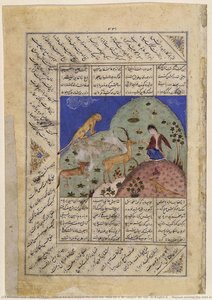
Breves datos
- Artistic Movement Or Style: Islamic scholarship
- Date Of Birth: December 10, 1802
- Date Of Death: July 29, 1854
- Full Name: Abū Al-Thanā’ Shihāb Ad-Dīn Sayyid Maḥmūd Ibn ‘Abd Allāh Al-Ḥusaynī Al-Ālūsī Al-Baghdādī
- Nationality: Iraqi
- Notable Artworks: ["Ruh al-Ma'ani"]
- Place Of Birth: Baghdad, Iraq

