

 Ver en contexto
 Enviar
 Compartir
 Detalles

 Descargar
 Similares
 Radiografía
 Presentación de diapositivas
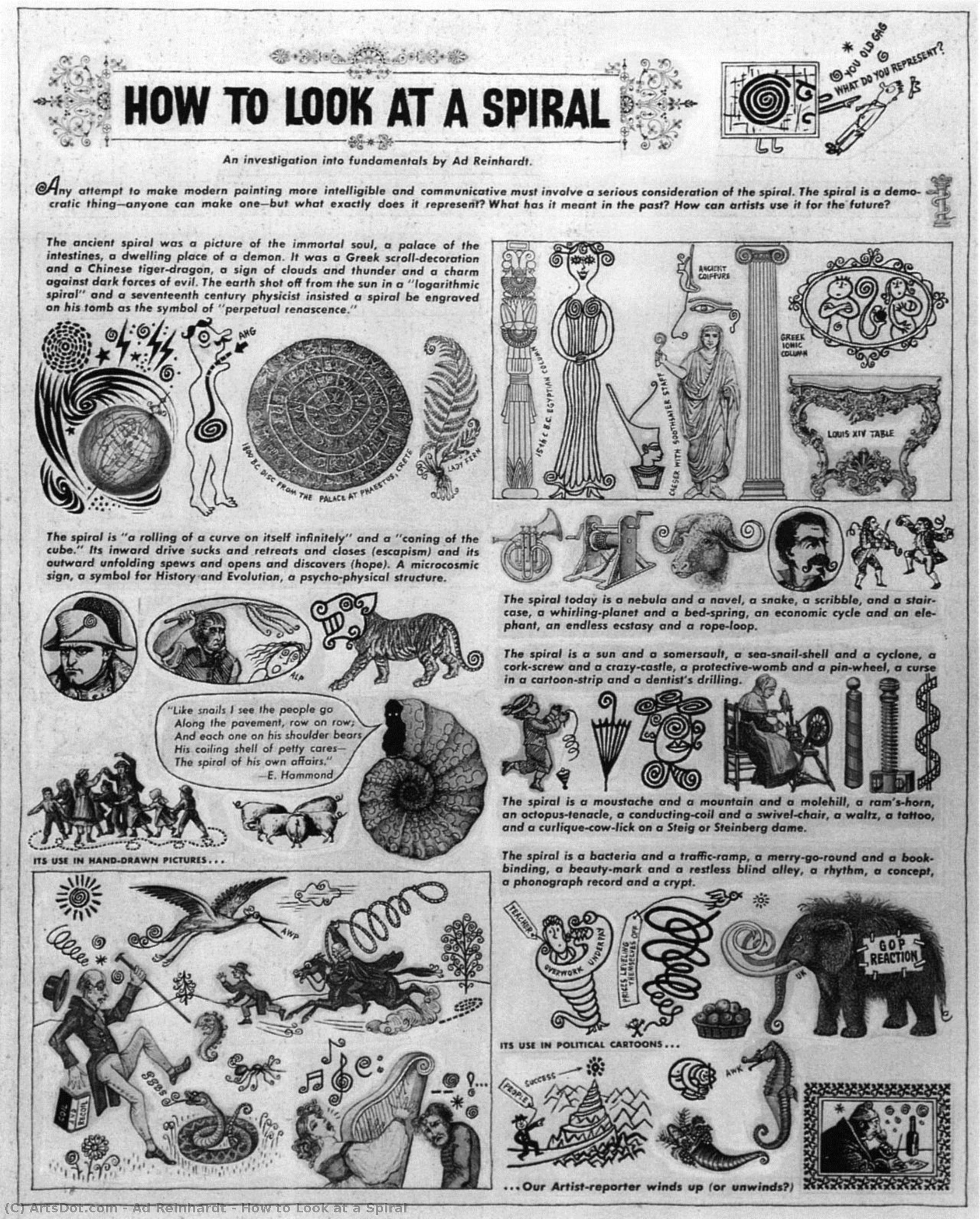
How to Look at a Spiral
 Acrylic On Paper
- WallArt
- Art Nouveau
 1946
1946 33.0 x 26.0 cm
 Museo Whitney de Arte Americano
 Ver más
Reproducción al óleo hecha a mano
Óleo sobre lienzo pintado a mano en el tamaño y marco de su elección, realizado por encargo por nuestros artistas. ( Comprar impresión Comprar imagen)




P118B $10

P118H $10

P118W $10

P438Z $10

P508JH $12

P508YH $12

P805H $10

P805Z $10

P919BZ $10

P919G $10

P919XJ $10

P959ZH $10

P968JZ $12

W106C $8

W218G $10

W218JH $8

W218Y $10

W307PJ $10

W316G $10

W316PJ $8

W316Y $10

W398PJ $8

W4111J $10

W500HY $15

W500JH $15

W692G $12

W849H $8

W940BG $15

W953PJ $8




Elija entre nuestros tamaños predefinidos que respetan las proporciones originales de la obra.

Puede ingresar sus propias dimensiones para adaptarse a un marco o espacio específico. Si el tamaño seleccionado no coincide con las proporciones de la imagen original, recortaremos la obra o extenderemos la pintura con elementos adicionales pintados a mano. Se le enviará una maqueta digital para su aprobación antes de comenzar la producción.
Tenga en cuenta que la vista previa en pantalla no refleja el recorte o la extensión reales. Solo la maqueta mostrará con precisión la composición final.
Si bien existen tamaños personalizados, recomendamos seleccionar una dimensión de la lista predefinida para preservar las proporciones originales.
Tras realizar el pedido, el equipo de ArtsDot.com enviará un correo electrónico al cliente para solicitar instrucciones y proporcionarle una vista previa del boceto.
Envío a todo el mundo () en 3-4 semanas en lugar de las 5 semanas estándar. (28 agosto). Sin comprometer la calidad.

Envío exprés gratuito a todo el mundo

Lienzo de lino de alta calidad

Seguro de envío total

Garantía de reembolso de impuestos aduaneros

Garantía de fidelidad cromática exacta

Política de devolución de 60 días (solo por defectos)

Garantía de devolución del 100% del dinero

Descuento por cantidad
 La opción de vidrio solo está disponible en tamaños inferiores a 110 cm.

How to Look at a Spiral
Técnica de reproducción
Dimensiones de la reproducción
-


Precio total final
$ 288
A Labyrinth of Thought: Ad Reinhardt’s “How to Look at a Spiral”
Ad Reinhardt's "How to Look at a Spiral," created in 1946, isn’t merely an illustration; it’s an invitation. An intellectual and deeply layered work, it embodies the artist’s core philosophy of stripping art down to its essential elements – a pursuit that profoundly influenced generations of abstract artists. The piece, rendered with meticulous hand-drawn detail on paper, likely incorporating subtle watercolor washes for shading, presents a densely packed visual argument about the spiral motif itself. It's a chaotic yet deliberate composition, overflowing with overlapping images, textual excerpts, and intricate decorative patterns, all arranged within a roughly circular framework that mirrors the very subject it explores.
The artwork’s style leans heavily into Art Nouveau, but with a distinctly Reinhardtian sensibility – a rejection of ornamentation in favor of pure form and conceptual clarity. The lines are predominantly curvilinear and flowing, guiding the eye through a complex network of symbols and ideas. Notice the deliberate flattening of perspective; depth is sacrificed for the sake of visual relationships, prioritizing the intellectual engagement over a realistic depiction. This choice immediately signals that “How to Look at a Spiral” isn’t about *seeing* something beautiful in the traditional sense, but rather about *understanding* its underlying structure and significance.
Decoding the Symbolism: Spirals and Beyond
At first glance, the image appears overwhelming – a visual feast of interconnected elements. However, closer inspection reveals a carefully orchestrated system of symbolism. The spiral itself is, of course, central, representing growth, evolution, history, and even consciousness. Reinhardt was fascinated by its appearance in diverse fields, from archaeology (tracing ancient civilizations) to psychology (exploring the human psyche), and literature (representing cyclical narratives). Within this larger framework, the artwork incorporates numerous specific symbols: spirals nested within spirals, stylized figures – including a woman depicted in classical robes, evoking notions of wisdom and knowledge – animals like lions and elephants representing power and instinct, and decorative patterns reminiscent of ancient artifacts, hinting at universal themes and timeless truths.
Crucially, the inclusion of textual excerpts throughout the composition adds another layer of interpretation. These fragments—references to historical figures, philosophical concepts, and literary allusions—serve as prompts for contemplation, encouraging the viewer to actively engage with the artwork’s meaning. Reinhardt wasn't simply illustrating a spiral; he was constructing an argument *about* spirals, inviting us to consider their significance within a broader context of human experience.
A Window into Reinhardt’s Philosophy
“How to Look at a Spiral” is deeply rooted in Ad Reinhardt’s unique artistic philosophy – what he termed “Art-as-Art.” He believed that art should be divorced from representational concerns, focusing instead on the pure essence of form and color. This approach was radical for its time, challenging conventional notions of beauty and demanding that viewers actively participate in the creation of meaning. The artwork’s dense composition reflects this philosophy; it's a deliberate attempt to overwhelm the senses, forcing the viewer to confront the fundamental questions about what constitutes art and how we perceive it.
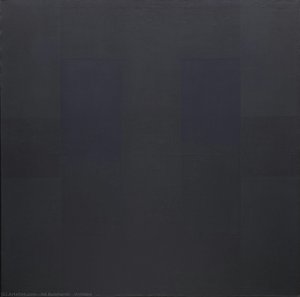
The piece was created during a pivotal moment in Reinhardt’s career, as he began to explore his signature “black” paintings – works that appear at first glance to be simply black canvases but are actually composed of layers of nearly black shades. This exploration represented a culmination of his lifelong quest to reduce art to its most essential elements, stripping away all extraneous details and focusing solely on the experience of seeing.
A Timeless Masterpiece: Reproduction and Beyond
Originally created in 1946, “How to Look at a Spiral” remains a remarkably prescient work, anticipating many of the trends that would define abstract art in the decades to come. Today, high-quality reproductions offer an accessible way to experience Reinhardt’s complex vision. When selecting a reproduction, consider the detail and color accuracy – elements crucial to capturing the artwork's layered symbolism and intellectual depth. “How to Look at a Spiral” is more than just a beautiful image; it’s a testament to Ad Reinhardt’s profound understanding of art and its power to provoke thought and inspire contemplation.
Obras relacionadas
Biografía del artista
Primeros Años y Educación
- Nacimiento: Adolph Friedrich Reinhardt, 24 de diciembre de 1913, Buffalo, Nueva York
- Antecedentes Familiares: Vivió en la sección Riverside a lo largo del río Niágara. Cercana relación con su primo Otto. El trabajo de su padre llevó a la familia a la ciudad de Nueva York.
- Educación: Estudió historia del arte en Columbia College de la Universidad de Columbia (1931-1935). Estudió bajo Meyer Schapiro.
- Formación Artística: Clases de pintura en el Teachers College de Columbia. Estudió pintura con Carl Holty y Francis Criss en la American Artists School. Estudios de retratos en la National Academy of Design bajo Karl Anderson.
- Desarrollo Artístico Temprano: Reconocido como un pintor talentoso desde una edad temprana, ganando premios en primaria y secundaria. Creía que había dominado las habilidades técnicas temprano.
Carrera y Evolución Artística
- Proyecto Federal de Arte WPA (1936-1940): Acreditado como pintor por Burgoyne Diller, lo que le permitió trabajar en la división de caballete del WPA.
- American Abstract Artists (AAA): Se convirtió en miembro de AAA y expuso con ellos a lo largo de la década de 1940. Describió su asociación con el grupo como "una de las cosas más grandes que me han sucedido".
- Galería Betty Parsons: Expuso regularmente en la galería de Betty Parsons, comenzando con Wakefield Bookshop y Mortimer Brandt Gallery.
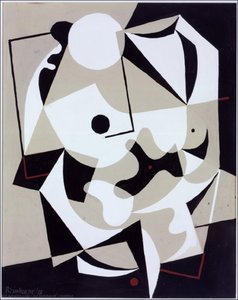
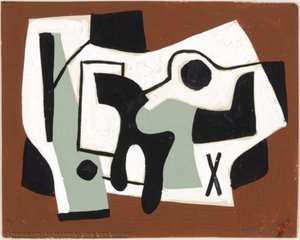
- Progresión Artística: Sus primeras obras presentaban formas geométricas. Progresión hacia obras en diferentes tonos del mismo color (todo rojo, todo azul, todo blanco) en la década de 1950.
- "Pinturas Negras" (década de 1960): Se hizo más famoso por sus "pinturas negras" o "últimas" – lienzos aparentemente monocromáticos compuestos de sutiles variaciones en tonos negros y casi-negros. Exploró conceptos de límites absolutos dentro del arte.
Filosofía Artística e Influencias
- Arte como Arte: Abogó por una filosofía que llamó *Arte como Arte*, enfatizando la autonomía del arte de las preocupaciones externas o la representación.
- Crítica de los "Artistas como Artistas": Utilizó la escritura y los dibujos satíricos para criticar lo que veía como prácticas problemáticas por parte de artistas que priorizaban el mensaje social o político sobre consideraciones puramente estéticas.
- Influencias: Cercanas amistades con Robert Lax y Thomas Merton, compartiendo conceptos de simplicidad en diferentes direcciones artísticas.
- Arte Conceptual, Minimalismo, Pintura Monocromática: Su trabajo influyó significativamente en el desarrollo del arte conceptual, el minimalismo y la pintura monocromática.
Trayectoria Docente y Legado
- Posiciones Docentes: Enseñó en Brooklyn College (1947-1967), California School of Fine Arts, University of Wyoming, Yale University y Hunter College.
- Protesta Artística: Participó en la protesta de 1940 contra MoMA y la protesta de los "irascibles" de 1950 contra el Metropolitan Museum of Art. Creó una litografía, “No War”, para la Protesta de Artistas y Escritores Contra la Guerra de Vietnam (1967).
- Escritura: Autor de extensos escritos sobre teoría del arte y su propio trabajo, recopilados en *Art as Art* (1991).
- Representación: El Ad Reinhardt Estate está representado por David Zwirner Gallery.
- Fallecimiento: Falleció el 30 de agosto de 1967, en la ciudad de Nueva York.
Significado Histórico
- Pionero del Minimalismo y la Pintura Monocromática: Las "pinturas negras" de Reinhardt son consideradas obras seminales en el desarrollo de los movimientos artístico minimalista y monocromático.
- Teórico del Arte Influyente: Sus escritos sobre *Arte como Arte* desafiaron las nociones convencionales sobre el papel del arte y su relación con la sociedad, impactando a generaciones posteriores de artistas y críticos.
- Figura Clave en el Expresionismo Abstracto: Como miembro de AAA y asociado con Betty Parsons Gallery, Reinhardt jugó un papel significativo en el desarrollo del expresionismo abstracto.
- Impacto Duradero: Su trabajo continúa siendo expuesto y estudiado, demostrando su influencia perdurable en el arte contemporáneo y la teoría.
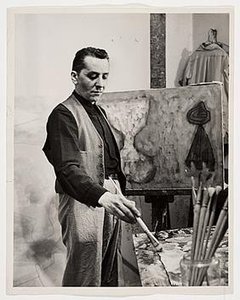
Ad Reinhardt
1913 - 1967 , Estados Unidos de América
Datos clave
- Artistas Que Influyeron:
- Carl Holty
- Francis Criss
- Fecha De Fallecimiento: 30 de agosto de 1967
- Fecha De Nacimiento: 24 de diciembre de 1913
- Influenciado A Artistas:
- Arte conceptual
- Minimalismo
- Lugar De Nacimiento: Buffalo, Estados Unidos
- Movimiento Artístico:
- Expresionismo abstracto
- Minimalismo
- Arte conceptual
- Nacionalidad: Estadounidense
- Nombre Completo: Ad Reinhardt
- Obras Notables:
- Número - (107)
- Pintura roja
- Cómo mirar un espiral
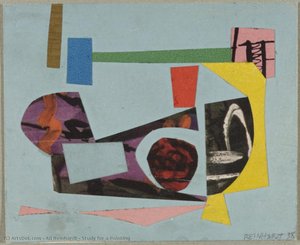
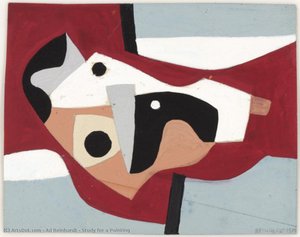
- Estudio para una pintura
Artículos relacionados
Edmund Dulac: A Master of Golden Age Illustration – Exploring Myth, Symbolism & Art Nouveau Legacy
Explore the captivating world of Edmund Dulac, a master of Golden Age illustration! Discover his enchanting fairy tales, Art Nouveau style, and lasting influence on art & design. Learn about *The Rubaiyat* and more.
Expresionismo Abstracto: 10 Obras Maestras que Transformaron el Arte |
Descubre las 10 obras maestras del Expresionismo Abstracto: Pollock, Rothko y más. Explora la historia, técnica y significado de estos lienzos icónicos. Reproducciones de arte exclusivas en .

Kay Rasmus Nielsen: A Golden Age Illustrator's Enchanting Legacy of Symbolism & Narrative
Explore the captivating world of Kay Rasmus Nielsen, a celebrated Golden Age illustrator renowned for his Art Nouveau fairy tale art & Disney contributions. Discover his unique style, enduring legacy, and how to collect his enchanting works.

Abstracción Geométrica: 10 Obras Maestras que Transformaron el Arte Moderno | ArtsDot
Descubre las 10 obras maestras de la abstracción geométrica que revolucionaron el arte moderno. Explora a Mondrian, Malevich y Kandinsky en ArtsDot.com. Reproducciones de alta calidad para tu hogar.

Kandinsky: Las 25 Obras Maestras del Pionero de la Abstracción | ArtsDot
Descubre las 25 obras maestras de Wassily Kandinsky, pionero del arte abstracto. Explora su expresionismo, composiciones únicas y la historia detrás de cada cuadro. Reproducciones de alta calidad para decorar tu hogar con arte moderno en ArtsDot.com.

