 Ver en contexto
 Enviar
 Compartir
 Detalles

 Descargar
 Similares
 Radiografía
 Presentación de diapositivas
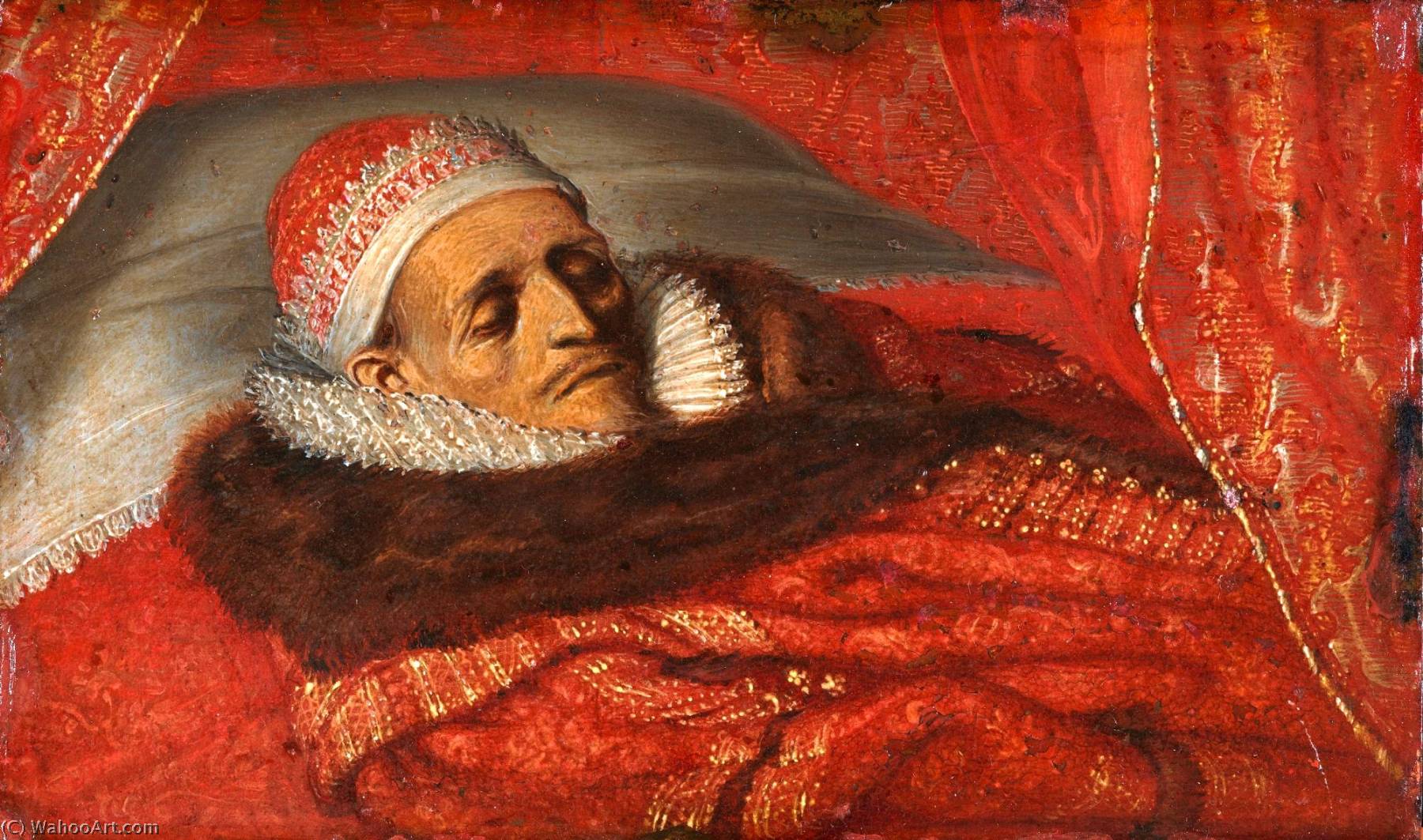
Maurice (1567 1625), Prince of Orange, Lying in State


 Ver más
Reproducción al óleo hecha a mano
Óleo sobre lienzo pintado a mano en el tamaño y marco de su elección, realizado por encargo por nuestros artistas. ( Comprar impresión Comprar imagen)




P118B $10

P118H $10

P118W $10

P438Z $10

P508JH $12

P508YH $12

P805H $10

P805Z $10

P919BZ $10

P919G $10

P919XJ $10

P959ZH $10

P968JZ $12

W106C $8

W218G $10

W218JH $8

W218Y $10

W307PJ $10

W316G $10

W316PJ $8

W316Y $10

W398PJ $8

W4111J $10

W500HY $15

W500JH $15

W692G $12

W849H $8

W940BG $15

W953PJ $8




Elija entre nuestros tamaños predefinidos que respetan las proporciones originales de la obra.

Puede ingresar sus propias dimensiones para adaptarse a un marco o espacio específico. Si el tamaño seleccionado no coincide con las proporciones de la imagen original, recortaremos la obra o extenderemos la pintura con elementos adicionales pintados a mano. Se le enviará una maqueta digital para su aprobación antes de comenzar la producción.
Tenga en cuenta que la vista previa en pantalla no refleja el recorte o la extensión reales. Solo la maqueta mostrará con precisión la composición final.
Si bien existen tamaños personalizados, recomendamos seleccionar una dimensión de la lista predefinida para preservar las proporciones originales.
Tras realizar el pedido, el equipo de ArtsDot.com enviará un correo electrónico al cliente para solicitar instrucciones y proporcionarle una vista previa del boceto.
Envío a todo el mundo () en 3-4 semanas en lugar de las 5 semanas estándar. (6 septiembre). Sin comprometer la calidad.

Envío exprés gratuito a todo el mundo

Lienzo de lino de alta calidad

Seguro de envío total

Garantía de reembolso de impuestos aduaneros

Garantía de fidelidad cromática exacta

Política de devolución de 100 días (solo por defectos)

Garantía de devolución del 100% del dinero

Descuento por cantidad
 La opción de vidrio solo está disponible en tamaños inferiores a 110 cm.

Maurice (1567 1625), Prince of Orange, Lying in State
Técnica de reproducción
Dimensiones de la reproducción
-


Precio total final
$ 263
The Weight of a Nation: Adriaen van de Venne’s Depiction of a Fallen Prince
Adriaen Pietersz van de Venne's “Maurice (1567-1625), Prince of Orange, Lying in State” is more than simply a portrait; it’s a meticulously crafted tableau vivant, a frozen moment capturing the profound grief and political turmoil gripping the Dutch Republic in 1625. Painted just months after the prince's untimely death from illness – rumored to be poisoning – the work offers a hauntingly intimate glimpse into a pivotal era of rebellion, religious conflict, and shifting power dynamics. Van de Venne, a master of subtle detail and evocative atmosphere, doesn’t shy away from confronting mortality; instead, he presents it with a dignified solemnity that speaks volumes about the prince's legacy and the nation’s collective sorrow.
A Baroque Still Life of Grief: Style and Technique
The painting is a prime example of Dutch Baroque portraiture, characterized by its dramatic lighting, rich textures, and meticulous attention to detail. Van de Venne employs a pyramidal composition, drawing the viewer’s eye towards Maurice's serene yet vulnerable face. The use of chiaroscuro – stark contrasts between light and shadow – intensifies the emotional impact, emphasizing the stillness of death while simultaneously illuminating the prince’s features with an almost ethereal glow. Note the careful rendering of the velvet robe, the delicate folds of the curtain, and the subtle sheen on the silver objects scattered around the bed – each element contributes to a sense of opulent mourning.
The artist's skill is particularly evident in his ability to convey texture. The rough linen of the bedding contrasts sharply with the smooth silk of the robe, while the birds perched above suggest both beauty and fragility. Van de Venne’s mastery of oil paint allows him to achieve a remarkable level of realism, capturing not just the physical appearance of Maurice but also the weight of his position and the solemnity of his final moments.
Symbolism in Shadow: Context and Interpretation
Beyond its immediate depiction of mourning, the painting is laden with symbolic meaning. The red robe, a traditional color associated with royalty and power, now serves as a poignant reminder of Maurice’s lost status. The bed itself represents death and transition, while the curtain acts as a barrier between the world of the living and the realm of the departed. The two birds – one perched on a book and the other on a small table – are often interpreted as symbols of wisdom and knowledge, perhaps alluding to Maurice’s intellectual pursuits and his role as a learned statesman. The inclusion of these seemingly minor details elevates the painting beyond a simple portrait, transforming it into a complex meditation on mortality, power, and the fate of a nation.
A Legacy in Loss: Historical Significance
“Maurice (1567-1625), Prince of Orange, Lying in State” offers a rare and intimate portrait of a key figure in Dutch history. Maurice was a pivotal leader during the Eighty Years’ War, instrumental in securing independence from Spanish rule. His death marked a significant turning point for the Republic, ushering in a period of political instability and religious conflict. The painting serves as a powerful testament to his legacy – a reminder of his military prowess, his statesmanship, and ultimately, his tragic demise. Reproductions of this evocative work continue to resonate with viewers today, offering a poignant glimpse into a turbulent era and the enduring power of art to capture both the grandeur and the sorrow of human experience.
Obras relacionadas
Biografía del artista
Primeros Años y Formación
- Nacido: Delft, Países Bajos (1589)
- Fallecido: 1662
- Los padres de Van de Venne huyeron de la persecución protestante en los Países Bajos del Sur (españoles).
- Recibió educación en Leiden y se convirtió en parte de la vibrante comunidad política e intelectual alrededor de la Universidad.
- Aprendió latín en Leiden.
- Se formó como aprendiz con Simon de Valk, un maestro orfebre y pintor.
- Estudió grabado con Jeronimus van Diest, conocido por sus grisailles.
Desarrollo Profesional y Estilo Artístico
- Primeros Años (Middelburg): Se mudó a Middelburg en 1614, influenciado por Jan Brueghel el Viejo y Pieter Brueghel el Viejo.
- Comentario Político: Creó "Pesca de Almas" (1614), una pintura alegórica que comenta sobre los conflictos religiosos durante la Guerra de los Ochenta Años.
- Escenas de Género y Proverbios: A partir de 1620, produjo numerosas grisailles y grabados que representan escenas de género – campesinos, mendigos, ladrones y tontos que ilustran proverbios y dichos, a menudo basados en obras de Jacob Cats. Esto se convirtió en una característica distintiva de su estilo.
- Ilustración de Libros y Diseño de Impresos: Trabajó activamente como ilustrador de libros y diseñador de impresos durante toda su carrera.
- Mudanza a La Haya: Se trasladó a La Haya en 1625, uniéndose al Gremio de San Lucas y convirtiéndose en decano en 1637.
- Estilo Artístico: Conocido por alegorías, escenas de género, retratos, grisailles y obras satíricas. Sus pinturas a menudo incorporaban comentarios sociales y lecciones morales.
Obras Principales y Logros
- "Pesca de Almas" (1614): Una obra temprana significativa que demuestra su capacidad para crear alegorías políticas.
- Serie de Escenas de Género con Proverbios: Numerosos grabados y grisailles que ilustran proverbios y dichos, mostrando la vida cotidiana en el Siglo de Oro holandés.
- Ilustraciones de Libros: Contribuyó a ilustraciones para varios libros, incluyendo obras de Jacob Cats.
- Retratos e Historias: Ejecutó encargos para el stadholder holandés Frederik Hendrik, demostrando su habilidad en la retratística y la pintura histórica.
- Miembro Fundador de Confrerie Pictura: Jugó un papel en abogar por el estatus y el reconocimiento de los artistas dentro de la sociedad holandesa.
Influencias y Significado Histórico
- Jan Brueghel el Viejo & Pieter Brueghel el Viejo: Influyeron en su estilo temprano, particularmente durante su tiempo en Middelburg.
- Jacob Cats: Sus obras a menudo ilustraban proverbios y dichos escritos por Jacob Cats, reflejando una colaboración entre artista y escritor.
- Contexto del Siglo de Oro holandés: La obra de Van de Venne es representativa de la floreciente escena artística del Siglo de Oro holandés, caracterizada por la pintura de género, el retrato y el arte alegórico.
- Comentario Social: Sus pinturas proporcionaron comentarios perspicaces sobre temas sociales, conflictos religiosos y valores morales de su tiempo.
- Legado: Permaneció popular durante todo el siglo XVIII después de su muerte, influyendo en artistas posteriores con su uso de grisailles y escenas de género.
Últimos Años y Muerte
- Van de Venne se mudó a La Haya en 1625 donde permaneció hasta su muerte.
- Fue miembro fundador de Confrerie Pictura, un grupo empeñado en mejorar el estatus independiente y la posición social del artista en la sociedad holandesa al fomentar un enfoque más académico de las artes.
- Falleció en La Haya (1662).
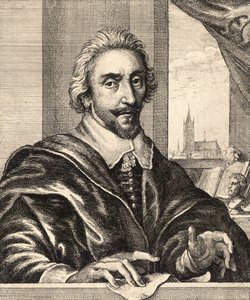
Adriaen Pietersz van de Venne
1589 - 1662 , Países Bajos
Datos clave
- Artistas Que Influyeron:
- Jan Brueghel el Viejo
- Pieter Brueghel el Viejo
- Fecha De Fallecimiento: 1662
- Fecha De Nacimiento: 1589
- Lugar De Nacimiento: Delft, Países Bajos
- Movimiento Artístico: Edad de Oro Holandesa
- Nacionalidad: Holandés
- Nombre Completo: Adriaen Pietersz van de Venne
- Obras Notables:
- Pesca de almas
- Rijcke-Armoede
Artículos relacionados

Goya: Las 25 Obras Maestras del Genio Español | Reproducciones de Arte en ArtsDot
Descubre las 25 obras maestras de Goya, el genio español. Explora retratos icónicos, 'Los Caprichos' y 'Las Pinturas Negras'. Reproducciones de arte en lienzo de alta calidad para decorar tu hogar con estilo. ¡Encuentra tu obra favorita en ArtsDot.com!

Rembrandt van Rijn: Las 25 Obras Maestras que Definen un Genio | Arte, Historia y Decoración
Descubre las 25 obras maestras de Rembrandt van Rijn, el genio del barroco holandés. Explora su historia, técnica y simbolismo en retratos icónicos como 'La Ronda Nocturna'. Encuentra reproducciones de arte exclusivas para decorar tu hogar con ArtsDot.com.

Acerca de nosotros
Descubre nuestra historia! Llevamos el arte de clase mundial a tu vida gracias a una selección experta, creaciones personalizadas y vistas previas gratuitas. Aprobado por particulares y empresas desde el año 2000.
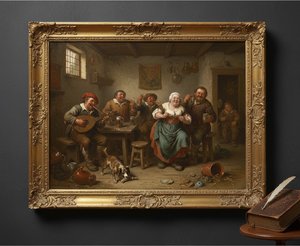
Adriaen van Ostade: A Master of Dutch Genre Painting & Social Commentary
Explore the life & work of Adriaen van Ostade, a leading Dutch Golden Age painter. Discover his realistic genre scenes, social commentary, and lasting influence on art history. Learn more at ArtsDot.

Barroco Sublime: 10 Obras Maestras que Definieron una Época |
Descubre las 10 obras maestras del Barroco que marcaron una época. Caravaggio, Bernini y Velázquez cobran vida en . Reproducciones de arte de calidad museo para decorar tu hogar con elegancia. ¡Explora la colección online!