

 Ver en contexto
 Enviar
 Compartir
 Detalles

 Descargar
 Similares
 Radiografía
 Presentación de diapositivas
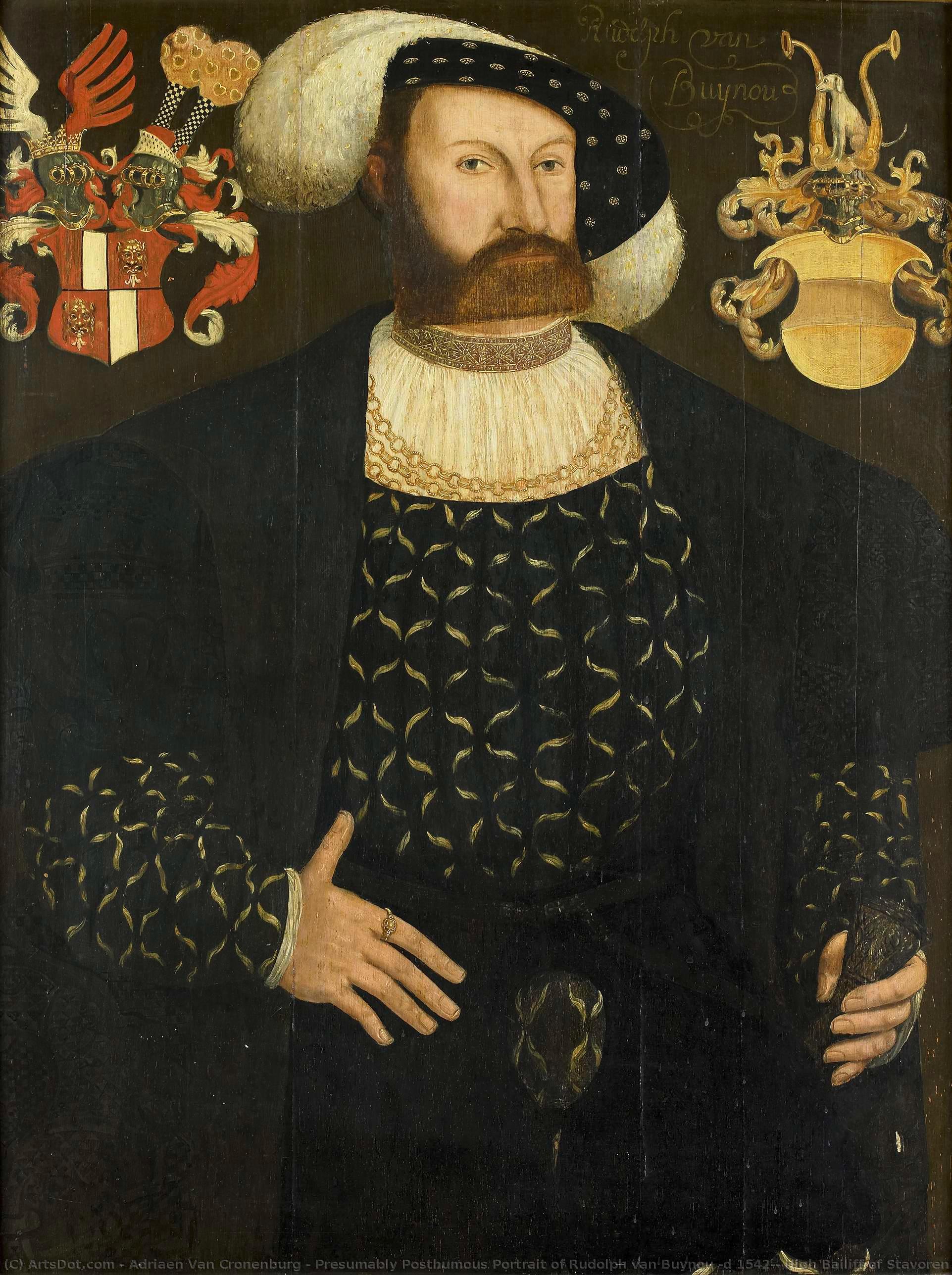
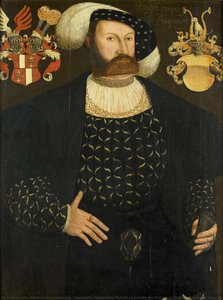
Presumably Posthumous Portrait of Rudolph van Buynou (d 1542), High Bailiff of Stavoren and "Grietman"of Gaasterland, Adriaen van Cronenburg (attributed to), 1553
 Northern Renaissance
 1553
1553 90.0 x 69.0 cm
 Ver más
Adquiera una imagen digital de alta resolución y optimizada, muy superior a la vista previa en línea.
Cada archivo es preparado meticulosamente por nuestros especialistas internos mediante el uso de herramientas avanzadas y un experto retoque manual. Nos aseguramos de que cada imagen posea una claridad excepcional, una precisión cromática impecable y un detalle minucioso.
El archivo final se entrega por correo electrónico en un plazo de 72 horas, optimizado para su uso inmediato en entornos profesionales, editoriales y de impresión. Esta es la misma calidad en la que confían los estudios de diseño, las editoriales y las galerías de primer nivel.
Imagen Digital
Descarga un archivo de alta resolución para exhibición personal, impresión y proyectos creativos. ( Comprar impresión Comprar pintura hecha a mano)
Incluido en cada pedido de imágenes digitales
Entrega digital experta, garantizada.
Al elegir ArtsDot.com, no solo está adquiriendo una imagen; está recibiendo una obra de arte digital mejorada profesionalmente, elaborada con precisión y respaldada por una garantía de satisfacción. Esto es todo lo que incluye su pedido, automáticamente:

Entrega rápida por email
Recibirá su archivo de imagen digital en alta resolución por correo electrónico en un plazo de 72 horas tras realizar su pedido, listo para su uso inmediato.

Archivo digital optimizado por IA
Su obra de arte se optimiza profesionalmente mediante herramientas avanzadas de IA y edición manual, garantizando el máximo detalle, claridad y precisión cromática.

Reenvío gratuito de por vida
¿Has borrado o perdido tu archivo por error? No te preocupes: te lo volveremos a enviar en cualquier momento, sin coste adicional.

Sin gastos de importación, siempre
Disfrute de su obra de arte al instante sin aduanas, aranceles ni gastos de envío; las descargas digitales siempre están libres de impuestos.

Garantía de fidelidad de color
Garantizamos que su imagen digital refleje los colores originales con la mayor fidelidad posible, mediante el uso de herramientas profesionales y gestión del color.

Garantía de satisfacción de 100 días
Si no está satisfecho con su imagen digital, la revisaremos o le reembolsaremos el 100% en un plazo de 100 días, sin preguntas.

100% Garantía de devolución de dinero
¿No está satisfecho? Obtenga un reembolso completo dentro de los 100 días posteriores a la recepción de su archivo digital, sin necesidad de explicaciones.

Descuentos por pedidos grandes
Compra 3 imágenes, ahorra 10% - Compra 5, ahorra 15% - Compra 10+, ahorra 20%. Ideal para proyectos creativos, galerías y agencias.
Obras relacionadas



Biografía del artista
Early Life and Artistic Beginnings
Adriaen van Cronenburg, born around 1525 in the modest town of Schagen in North Holland, emerged from a Northern Netherlandish artistic landscape steeped in tradition yet poised for innovation. While details surrounding his formative years remain somewhat elusive, it is understood that he embarked on his painting journey during a period of significant societal and religious upheaval. The Dutch Revolt was brewing, and the art world was beginning to reflect a shift away from purely devotional themes towards more secular subjects—a trend van Cronenburg would embrace with notable skill.
His early training likely occurred within a local workshop, absorbing the techniques and stylistic conventions prevalent in the region. This foundation proved crucial as he established himself primarily as a portraitist, catering to the burgeoning merchant class and nobility of Friesland and Groningen. Unlike many artists who gravitated towards bustling urban centers like Amsterdam or Antwerp, van Cronenburg chose to work within these provinces, becoming an integral part of their local artistic communities.
A Master of Portraiture in Friesland and Beyond
Van Cronenburg’s career flourished between approximately 1547 and 1590. He wasn't a painter who sought grand commissions from royalty or the Church; instead, his focus lay on capturing the likenesses—and often, the status—of those around him. His portraits are characterized by a remarkable realism, an acute attention to detail in rendering fabrics, jewelry, and facial features. This meticulous approach speaks to both his technical prowess and a desire to present his sitters with dignity and accuracy.
He moved between Friesland, Groningen, and periods spent in Amsterdam, adapting his style to the preferences of each locale. While rooted in Northern Netherlandish traditions, van Cronenburg’s work reveals subtle influences from Flemish masters like Jan van Eyck and Rogier van der Weyden—artists renowned for their oil painting techniques and psychological depth. Hints of Italian Renaissance aesthetics, particularly those associated with Leonardo da Vinci and Michelangelo, also appear in his compositions, suggesting a broader awareness of artistic developments across Europe.
Style and Technique: Realism and Psychological Insight
The hallmark of van Cronenburg’s style is undoubtedly its realism. He possessed an exceptional ability to convey texture and form through the skillful manipulation of oil paint. His portraits aren't merely representations of physical appearance; they offer glimpses into the personalities of his sitters. The careful rendering of clothing, often richly adorned, served not only as a display of wealth but also as a means of communicating social standing.
His technique involved building up layers of paint to create depth and luminosity. He paid particular attention to the play of light and shadow, enhancing the three-dimensionality of his figures. Beyond technical skill, van Cronenburg demonstrated an understanding of human psychology, capturing subtle expressions and nuances that bring his subjects to life. This ability to imbue his portraits with a sense of individuality sets him apart from many of his contemporaries.
Legacy and Historical Significance
Adriaen van Cronenburg continued painting after 1604, though the details of his later life remain scarce. His significance lies not in revolutionary stylistic departures but rather in his consistent production of high-quality portraits that reflect the social and cultural values of the Dutch Golden Age. He documented a specific segment of society—the rising merchant class and regional nobility—providing valuable insights into their lives, tastes, and aspirations.
His works, now found in prominent museum collections such as the Rijksmuseum in Amsterdam and the Louvre in Paris, serve as enduring testaments to his skill and artistry. While perhaps not a household name like Rembrandt or Vermeer, van Cronenburg occupies an important place in the history of Northern Netherlandish painting—a master portraitist who captured the spirit of his time with remarkable realism and psychological insight.
Selected Works
- Presumably Posthumous Portrait of Rudolph van Buynou (1553)
Breves datos
- Artistic Movement Or Style: Portraiture
- Artists Who Influenced This Artist:
- Jan van Eyck
- Rogier van der Weyden
- Leonardo da Vinci
- Michelangelo
- Date Of Birth: c. 1525
- Date Of Death: after 1604
- Full Name: Adriaen van Cronenburg
- Nationality: Northern Netherlandish
- Notable Artworks:
- Presumably Posthumous Portrait...
- Portraits of nobility/bourgeoisie
- Place Of Birth: Schagen, Netherlands