 Vista previa
 Compartir
 Compartir
 Ver detalles

 Descargar
 Ver similares
 Radiografía
 Presentación de diapositivas
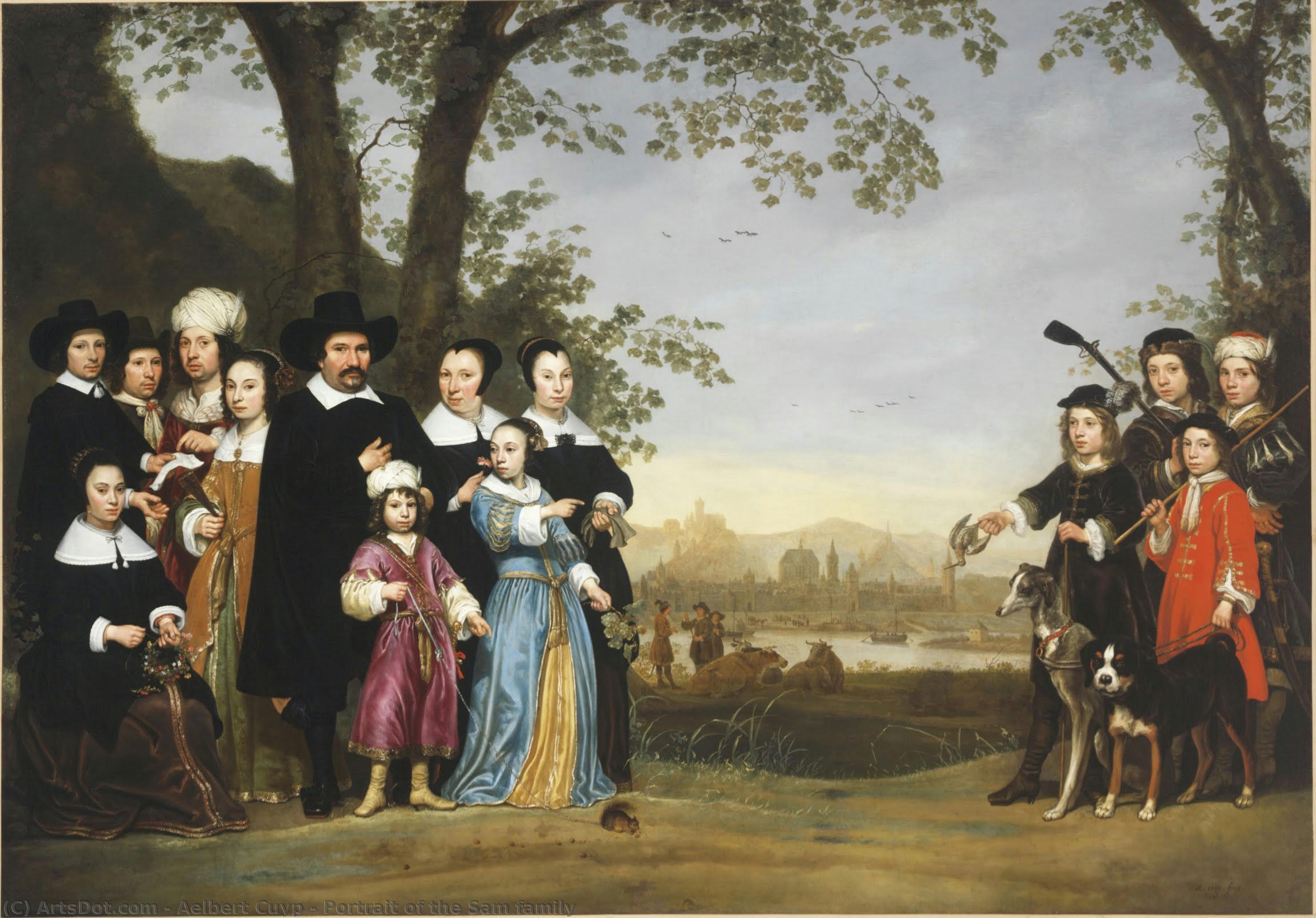
Portrait of the Sam family
 Oil On Canvas
- WallArt
- Dutch Golden Age
 1653
1653- Early Modern
 168.0 x 240.0 cm
 Museo de Bellas Artes (Budapest)
 Leer más
Giclée / Impresión de arte
Impresiones giclée o en lienzo de calidad de museo con producción rápida y opciones de acabado flexibles. ( Encargar reproducción pintada a mano Comprar descarga)




P118B $10

P118H $10

P118W $10

P438Z $10

P508JH $12

P508YH $12

P805H $10

P805Z $10

P919BZ $10

P919G $10

P919XJ $10

P959ZH $10

P968JZ $12

W106C $8

W218G $10

W218JH $8

W218Y $10

W307PJ $10

W316G $10

W316PJ $8

W316Y $10

W398PJ $8

W4111J $10

W500HY $15

W500JH $15

W692G $12

W849H $8

W940BG $15

W953PJ $8




Elija entre nuestros tamaños predefinidos que respetan las proporciones originales de la obra.

Puede introducir sus propias dimensiones para adaptarse a un marco o espacio específico. Si el tamaño seleccionado no coincide con las proporciones de la imagen original, recortaremos la obra de arte o extenderemos la imagen con un borde con efecto espejo o de color sólido. Se enviará una maqueta digital para su aprobación antes de que comience la producción.
Tenga en cuenta que la vista previa en pantalla no refleja el recorte o la extensión real. Solo la maqueta mostrará con precisión la composición final.
Aunque existen tamaños personalizados, recomendamos seleccionar una dimensión de la lista predefinida para preservar las proporciones originales.
Envío a todo el mundo () en 2 semanas en lugar de las 4/5 semanas estándar. (22 agosto)

Envío exprés gratuito a todo el mundo

Lienzo de lino de alta calidad

Seguro de envío completo

Garantía de reembolso de aranceles aduaneros

Garantía de fidelidad cromática exacta

Política de devolución de 60 días (solo por defectos)

Garantía de devolución del 100% del dinero

Oferta por volumen
 La opción de vidrio solo está disponible en tamaños inferiores a 110 cm.

Portrait of the Sam family
Giclée / Impresión de arte
Tamaño de la reproducción
-


Precio total
$ 62
Descripción de la pieza
A Golden Moment in Dutch History
In the vast tapestry of the Dutch Golden Age, few works capture the quiet dignity and burgeoning prosperity of the seventeenth century as intimately as Aelbert Jacobszoon Cuyp’s "Portrait of the Sam family." Painted in 1653, this large-scale oil masterpiece serves as more than a mere record of lineage; it is a window into a world where familial bonds and national identity were inextricably linked. As we gaze upon this composition, we are transported to a serene riverside setting, where the soft, diffused light of a Dutch afternoon bathes a group of figures who seem to exist in a state of eternal, tranquil grace. The painting masterfully balances the formal requirements of high-society portraiture with an atmospheric tenderness that is uniquely Cuyp’s hallmark.
The arrangement of the Sam family is nothing short of theatrical yet remains profoundly naturalistic. Positioned in a gentle semi-circle, the figures are anchored by a central patriarch, whose commanding presence is flanked by his wife and children. There is a palpable sense of connection within the group, an intimacy that transcends the stiff formality often found in contemporary portraits. The attire of the subjects speaks volumes of their social standing; the men are draped in elaborate fur hats and heavy, textured coats that suggest wealth and mercantile success, while the woman’s richly colored dress provides a vibrant focal point amidst the more muted tones of the landscape. Even the inclusion of a small dog near the feet of the family adds a layer of warmth, symbolizing the enduring themes of loyalty and domestic companionship.
Mastery of Light and Landscape
Technically, the work is a triumph of chiaroscuro and atmospheric perspective. Cuyp, who was heavily influenced by the luminous styles of Jan van Goyen and the tonal mastery of artists like Jan Both, utilizes a palette dominated by earthy browns, deep greens, and soft grays. However, it is his ability to manipulate light that truly elevates the piece. The sunlight does not merely illuminate the subjects; it seems to permeate the very air around them, creating a golden glow that softens the edges of the distant trees and the far-off cityscape. This technique creates a shallow yet deeply immersive perspective, placing the viewer in immediate proximity to the family while simultaneously inviting them to wander through the lush, riverine backdrop.
The brushwork is a sophisticated blend of precision and fluidity. While the fine details of the lace, fur, and skin are rendered with meticulous care to satisfy the era's demand for realism, there is an underlying looseness in the rendering of the foliage and the water that lends the painting its characteristic movement. This interplay between the structured human forms and the organic, flowing landscape creates a harmonious tension, suggesting that while the family is a product of their environment, they also stand as masters over it. For the discerning collector or interior designer, this painting offers a profound sense of stability and timelessness, making it an exquisite centerpiece for any space that seeks to evoke elegance, heritage, and a connection to the natural world.
Obras relacionadas
Biografía del artista
primeros años y formación
aelbert jacobszoon cuyp, un destacado pintor holandés, nació en dordrecht, Países Bajos, en 1620. Fue hijo de jacob gerritszoon cuyp, un retratista que se convirtió en su primer maestro. Este aprendizaje bajo la guía de su padre sentó las bases para el éxito futuro de cuyp.estilo artístico e influencias
El estilo de cuyp puede categorizarse ampliamente en tres fases, cada una influenciada por un artista diferente:- jan van goyen - el tono
- jan both - la luz
- jacob gerritsz cuyp (su padre) - la forma
obras notables y legado
Aunque aquí no se detallan obras específicas de cuyp, sus contribuciones a la edad dorada holandesa son innegables. Sus paisajes, caracterizados por su retrato sereno e idílico de las riberas de los ríos de los Países Bajos, se han convertido en representaciones esenciales de la época. puntos clave sobre el arte de aelbert jacobszoon cuyp:- conocido por sus amplias vistas de escenas fluviales holandesas bajo una luz dorada.
- heredó una fortuna considerable, lo que indica la riqueza de su familia.
- sirvió como diácono de la iglesia reformada tras su matrimonio en 1658.
- su hogar carecía de pinturas de otros artistas al momento de su muerte, lo que sugiere un estilo de vida calvinista devoto.
explore más en ArtsDot.com
Para profundizar en las obras de cuyp y en la edad dorada holandesa, visite:- la página de aelbert jacobszoon cuyp en ArtsDot.com
- descubra otros artistas de la edad dorada holandesa, como rembrandt van rijn, en la lista de artistas de ArtsDot
conclusión
Aelbert jacobszoon cuyp, con sus cautivadores paisajes, sigue siendo una figura fundamental en la edad dorada holandesa. Su vida, aunque no está ampliamente documentada, habla del impacto perdurable de su arte. Adéntrese en el mundo de los Países Bajos del siglo XVII a través de la extensa colección de ArtsDot.com y experimente de primera mano la belleza de las obras de cuyp.- vea the house of orange-nassau historic collection trust en ArtsDot para un contexto más amplio de la historia del arte holandés.
- conozca más sobre el frans halsmuseum, dedicado a otro prominente pintor holandés, en la sección de museos de ArtsDot.
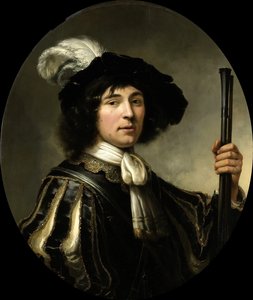
Aelbert Cuyp
1620 - 1695 , Países Bajos
Datos clave
- Artistic Movement Or Style: Barroco holandés
- Artists Or Movements Influenced By This Artist: ['Claude Lorrain']
- Artists Who Influenced This Artist:
- Jan van Goyen
- Jacob Gerritsz Cuyp
- Date Of Birth: 20 octubre 1620
- Date Of Death: 15 noviembre 1691
- Full Name: Aelbert Jacobszoon Cuyp
- Nationality: Holandés
- Notable Artworks:
- Cows en el río
- Paisaje con figuras
- Place Of Birth: Dordrecht, Países Bajos
Artículos relacionados
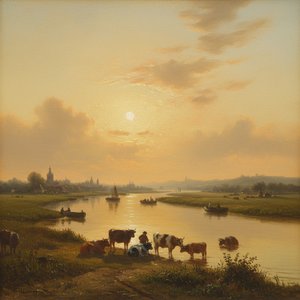
Aelbert Cuyp: Illuminating the Dutch Golden Age with Light & Landscape
Explore the luminous landscapes of Aelbert Cuyp, a master of the Dutch Golden Age. Discover his unique light, serene riverside scenes & lasting influence on art history. Learn more at ArtsDot.
Golden Light & Dutch Skies: Bringing the Magic of Dutch Golden Age Landscapes into Your Home
Transform your home with the breathtaking light of Dutch Golden Age landscapes. Discover how hand-painted oil reproductions of masterworks like Ruisdael and Vermeer bring timeless elegance, atmosphere, and soulful texture to modern interiors. Elevate your space with museum-quality art.
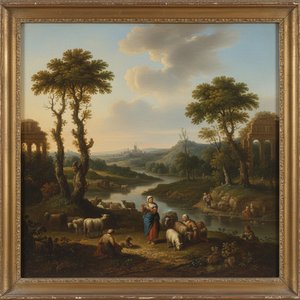
Nicolaes Berchem: Dutch Golden Age Pastoralism & the Evolution of Landscape Painting
Explore the captivating world of Nicolaes Berchem, a leading Dutch Golden Age painter. Discover his idyllic landscapes, masterful technique & lasting influence on art history. Learn more at ArtsDot.
Charles Leickert: Capturing the Dutch Golden Age Light – A Comprehensive Study of Technique, Context, and Legacy
Explore the captivating winter landscapes of Charles Leickert, a master of Dutch Golden Age light & atmosphere. Discover his techniques, symbolism, and lasting legacy – a comprehensive study for art enthusiasts and collectors.

Los 10 Maestros del Siglo de Oro Holandés: Arte, Historia y Decoración Exclusiva
Descubre los 10 imprescindibles del Siglo de Oro Holandés: Rembrandt, Vermeer y más. Explora la historia, técnica y belleza de estos lienzos clásicos. Encuentra reproducciones de arte exclusivas para decorar tu hogar en .