 Ver en contexto
 Enviar
 Compartir
 Detalles

 Descargar
 Similares
 Radiografía
 Presentación de diapositivas
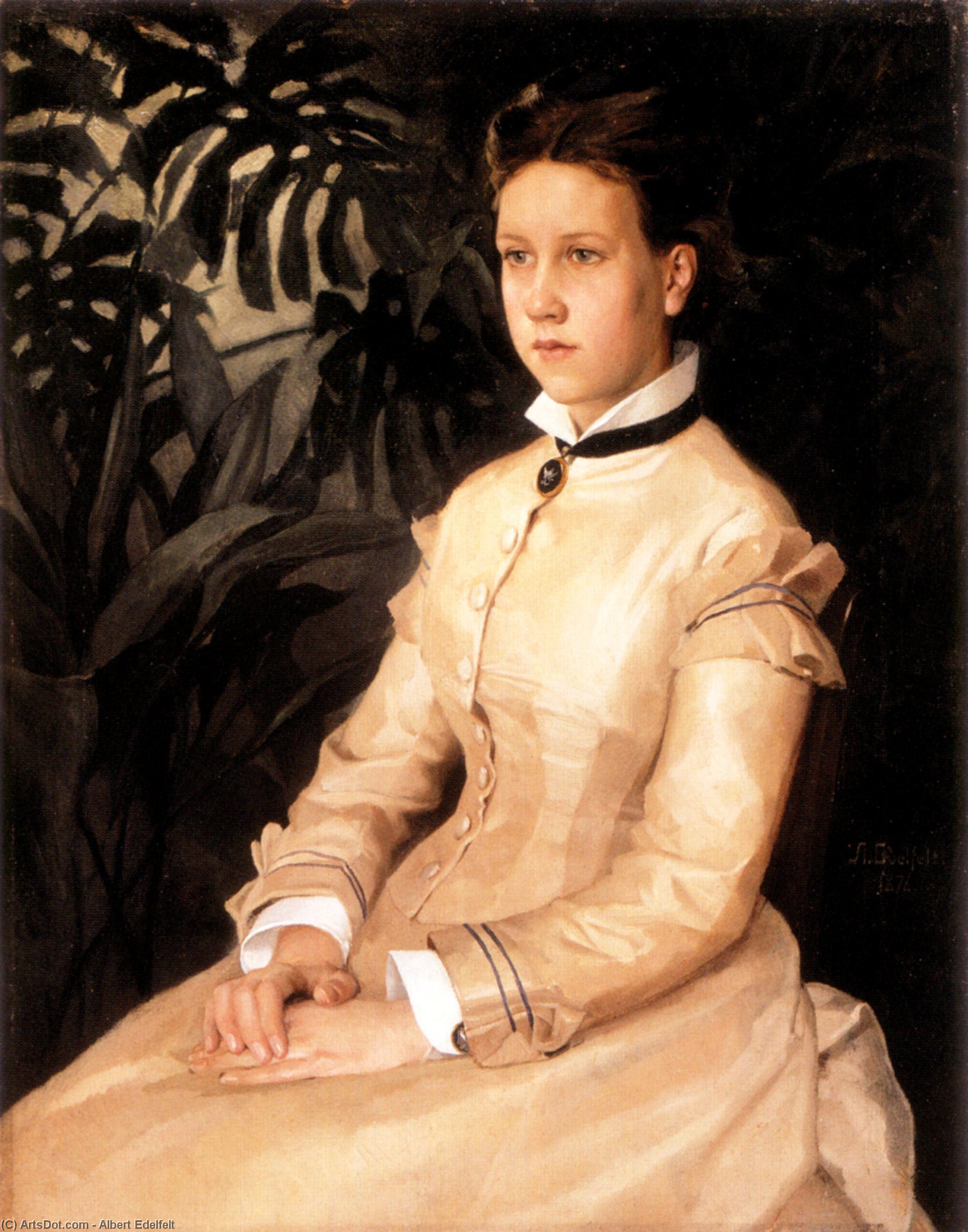
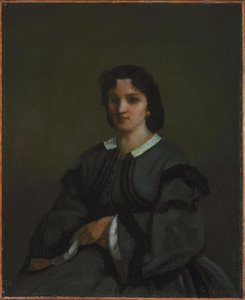
Portrait of the Artist's Sister Ellen Edelfelt


 Ver más
Giclée / Impresión de arte
Impresiones giclée o en lienzo de calidad de museo con producción rápida y opciones de acabado flexibles. ( Comprar pintura hecha a mano Comprar imagen)




































Elija entre nuestros tamaños predefinidos que respetan las proporciones originales de la obra.

Puede introducir sus propias dimensiones para adaptarse a un marco o espacio específico. Si el tamaño seleccionado no coincide con las proporciones de la imagen original, recortaremos la obra de arte o extenderemos la imagen con un borde con efecto espejo o de color sólido. Se enviará una maqueta digital para su aprobación antes de que comience la producción.
Tenga en cuenta que la vista previa en pantalla no refleja el recorte o la extensión real. Solo la maqueta mostrará con precisión la composición final.
Aunque existen tamaños personalizados, recomendamos seleccionar una dimensión de la lista predefinida para preservar las proporciones originales.
Envío a todo el mundo () en 2 semanas en lugar de las 4/5 semanas estándar. (5 septiembre)

Envío exprés gratuito a todo el mundo

Lienzo de lino de alta calidad

Seguro de envío total

Garantía de reembolso de impuestos aduaneros

Garantía de fidelidad cromática exacta

Política de devolución de 60 días (solo por defectos)

Garantía de devolución del 100% del dinero

Descuento por cantidad
 La opción de vidrio solo está disponible en tamaños inferiores a 110 cm.

Portrait of the Artist's Sister Ellen Edelfelt
Giclée / Impresión de arte
Dimensiones de la reproducción
-


Precio total final
$ 62
Portrait of the Artist’s Sister Ellen Edelfelt: A Window into Finnish Realism
Albert Edelfelt's "Portrait of the Artist’s Sister Ellen Edelfelt," painted in 1876, is more than just a likeness; it’s a poignant meditation on familial connection and the burgeoning realist movement within Finnish art. This captivating work offers a glimpse into the life and sensibilities of a young woman – Ellen Edelfelt – while simultaneously showcasing the artist's masterful command of light, color, and psychological depth. The painting depicts Ellen seated in a simple chair before a tree, her gaze direct and engaging with the viewer, creating an immediate sense of intimacy.
The scene itself is deceptively tranquil. The backdrop of the tree introduces a subtle element of nature’s permanence – a counterpoint to the fleeting beauty captured within the portrait. Two additional chairs subtly suggest a domestic setting, hinting at the everyday life and relationships that shaped Ellen's world. Edelfelt’s meticulous attention to detail extends beyond mere representation; he captures not just her physical appearance but also an underlying sense of quiet dignity and perhaps even a touch of melancholy – emotions frequently explored in the works of Finnish artists during this period.
The Realist Vision: Edelfelt's Artistic Journey
Born in Porvoo, Finland, in 1854, Albert Edelfelt’s artistic development was profoundly influenced by his time abroad. His early training at the drawing school of the Finnish Art Society laid a foundation for his future work, but it was his sojourns to Antwerp and Paris that truly shaped his style. At the Antwerp Academy, he studied history painting, absorbing the grand narratives and technical virtuosity characteristic of the era. However, it was his time in Paris – particularly under the guidance of Jean-Léon Gérôme – that cemented his commitment to realism. Gérôme’s influence is evident in Edelfelt's ability to render textures with remarkable accuracy and his focus on portraying everyday subjects with honesty and sensitivity.
Edelfelt’s breakthrough came with a gold medal at the Paris Universal Exposition of 1889, propelling him into the forefront of Finnish art. This success allowed him to dedicate himself fully to capturing the essence of his homeland – its people, landscapes, and traditions – through a distinctly realist lens.
Technique and Emotional Resonance
Edelfelt’s technique in “Portrait of the Artist’s Sister Ellen Edelfelt” is characterized by a smooth, almost velvety brushstroke. He skillfully employs light to sculpt Ellen's features, creating a sense of volume and depth. The muted color palette – dominated by browns, greens, and whites – contributes to the painting’s somber yet dignified mood. Notably, he avoids overly dramatic lighting or elaborate ornamentation, opting instead for a naturalistic approach that emphasizes the subject’s inherent beauty and character. This restraint is key to the emotional impact of the piece; it invites viewers to contemplate Ellen's inner life rather than simply admiring her outward appearance.
The directness of Ellen’s gaze, combined with the quiet stillness of the scene, creates a powerful sense of connection between the viewer and the subject. It is this ability to evoke genuine emotion through carefully observed detail that defines Edelfelt's legacy as one of Finland’s most important realist painters.
Obras relacionadas

Biografía del artista
Primeros años y educación
Albert Gustaf Aristides Edelfelt, un renombrado pintor finlandés, nació el 21 de julio de 1854 en Porvoo, Finlandia. Sus padres, Carl Albert Edelfelt y Alexandra Edelfelt (de soltera Brandt), eran suecos-finlandeses. La vida temprana de Edelfelt se caracterizó por una pasión innata por el arte, lo que le llevó a cursar estudios formales en la escuela de dibujo de la Sociedad Finlandesa de Arte en 1869.Trayectoria artística
El viaje artístico de Edelfelt lo llevó a varias instituciones destacadas:- Academia de Bellas Artes de Amberes (1873-74), donde perfeccionó sus habilidades en pintura histórica.
- École Nationale des Beaux-Arts en París (1874-78), bajo la tutela de Jean-Léon Gérôme, refinando aún más su oficio.
- Una breve estancia en San Petersburgo (1881-82) lo expuso a diversas influencias artísticas.
Desarrollo y logros notables
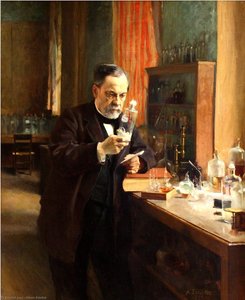
El gran avance de Edelfelt llegó con una medalla de oro en la Exposición Universal de París de 1889. Sus obras notables incluyen:- Retrato de Louis Pasteur, que le valió la Legión de Honor en 1886.
- Joven mujer en su boudoir, mostrando su dominio para capturar la esencia de la feminidad.
- Bajo los abedules, una representación conmovedora de paisajes finlandeses.
Influencias y significado histórico
Como uno de los primeros artistas finlandeses en alcanzar fama internacional, Edelfelt contribuyó significativamente al movimiento artístico realista en Finlandia. Su influencia se extendió a pintores finlandeses más jóvenes, como Akseli Gallen-Kallela y Gunnar Berndtson, a quienes ayudó en sus avances en París. Edelfelt adoptó el realismo francés pero lo iluminó con el brillo de la luz nórdica. Se considera el pintor más grande de Finlandia durante la segunda mitad del siglo XIX y la primera mitad del XX, y uno de los contribuyentes más destacados a la Edad de Oro del Arte Finlandés.Legado y reconocimiento
Las obras de Edelfelt se exhiben en varios museos, incluido el Ateneumin Taidemuseo en Helsinki. Su legado fue conmemorado con una moneda conmemorativa de 100 euros dedicada a Albert Edelfelt en 2004, celebrando su 150 aniversario natal.- Explore las obras de Albert Edelfelt en ArtsDot
- Descubra la colección del Ateneumin Taidemuseo en ArtsDot
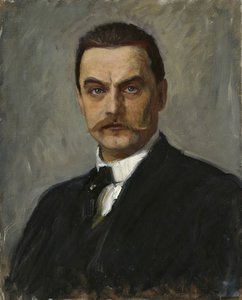
Albert Edelfelt
1854 - 1905 , Finlandia
Datos clave
- Artistas Influenciados:
- Akseli Gallen-Kallela
- Gunnar Berndtson
- Artistas Que Influyeron:
- Jean-Léon Gérôme
- Adolf von Becker
- Fecha De Muerte: 18 de agosto de 1905
- Fecha De Nacimiento: 21 de julio de 1854
- Lugar De Nacimiento: Porvoo, Finlandia
- Movimiento Artístico: Realismo
- Nacionalidad: Finlandés
- Nombre Completo: Albert Gustaf Aristides Edelfelt
- Obras Notables:
- Retrato de Louis Pasteur
- Joven mujer en su boudoir
- Bajo los abedules