 Ver en contexto
 Enviar
 Compartir
 Detalles

 Descargar
 Similares
 Radiografía
 Presentación de diapositivas
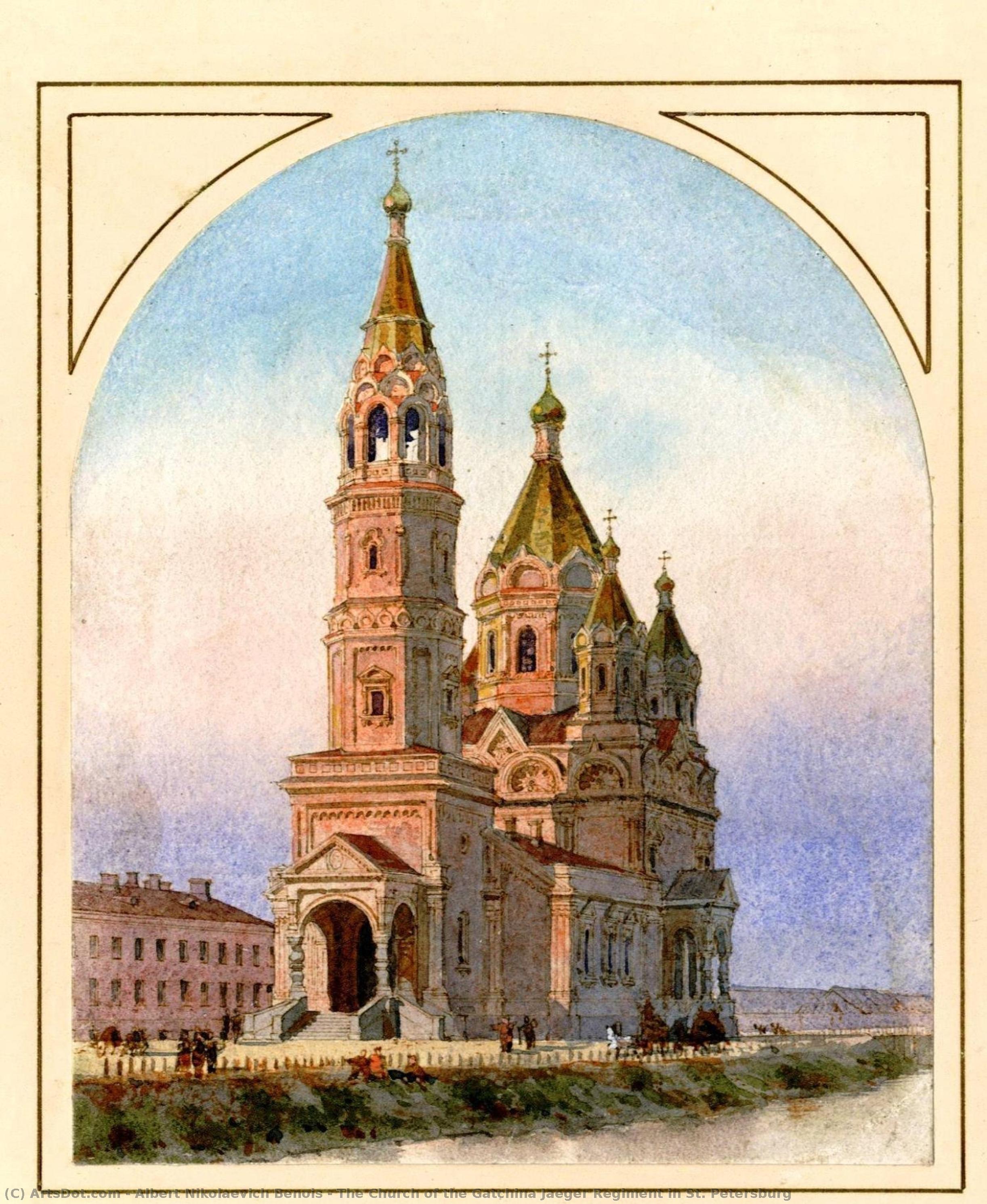
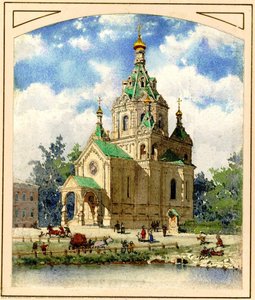
La Iglesia del Regimiento Jaeger de Gatchina en San Petersburgo
 Acrílico sobre lienzo
- Arte de pared
- Russian Landscape Painting
 1880
1880 50.0 x 35.0 cm
 Museo del Hermitage
 Ver más
Giclée / Impresión de arte
Impresiones giclée o en lienzo de calidad de museo con producción rápida y opciones de acabado flexibles. ( Comprar pintura hecha a mano Comprar imagen)




P118B $10

P118H $10

P118W $10

P438Z $10

P508JH $12

P508YH $12

P805H $10

P805Z $10

P919BZ $10

P919G $10

P919XJ $10

P959ZH $10

P968JZ $12

W106C $8

W218G $10

W218JH $8

W218Y $10

W307PJ $10

W316G $10

W316PJ $8

W316Y $10

W398PJ $8

W4111J $10

W500HY $15

W500JH $15

W692G $12

W849H $8

W940BG $15

W953PJ $8




Elija entre nuestros tamaños predefinidos que respetan las proporciones originales de la obra.

Puede introducir sus propias dimensiones para adaptarse a un marco o espacio específico. Si el tamaño seleccionado no coincide con las proporciones de la imagen original, recortaremos la obra de arte o extenderemos la imagen con un borde con efecto espejo o de color sólido. Se enviará una maqueta digital para su aprobación antes de que comience la producción.
Tenga en cuenta que la vista previa en pantalla no refleja el recorte o la extensión real. Solo la maqueta mostrará con precisión la composición final.
Aunque existen tamaños personalizados, recomendamos seleccionar una dimensión de la lista predefinida para preservar las proporciones originales.
Envío a todo el mundo () en 2 semanas en lugar de las 4/5 semanas estándar. (28 agosto)

Envío exprés gratuito a todo el mundo

Lienzo de lino de alta calidad

Seguro de envío total

Garantía de reembolso de impuestos aduaneros

Garantía de fidelidad cromática exacta

Política de devolución de 60 días (solo por defectos)

Garantía de devolución del 100% del dinero

Descuento por cantidad
 La opción de vidrio solo está disponible en tamaños inferiores a 110 cm.

La Iglesia del Regimiento Jaeger de Gatchina en San Petersburgo
Giclée / Impresión de arte
Dimensiones de la reproducción
-


Precio total final
$ 62
Un Homenaje al Espíritu Religioso y la Belleza Arquitectónica: Análisis de “La Iglesia del Regimiento Jaeger de Gatchina” de Albert Benois
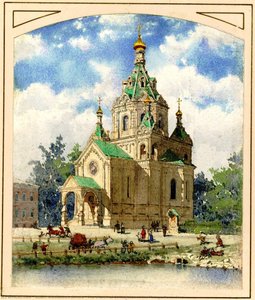
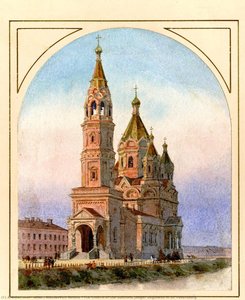
La obra maestra de Albert Nikolayevich Benois, "La Iglesia del Regimiento Jaeger de Gatchina" (1880), representa una fascinante ventana al paisaje urbano ruso de finales del siglo XIX y un testimonio excepcional de la maestría del pintor en el dominio del agua coloreada. Más que una simple representación visual, esta pintura captura la esencia misma de una época marcada por el fervor religioso y el orgullo nacional, ofreciendo una experiencia estética profunda para cualquier apreciador del arte clásico. El lienzo mide 50 x 35 centímetros y fue creado con meticulosa atención al detalle utilizando pigmentos acuáticos sobre papel, una técnica que Benois dominó con virtuosismo. Esta elección artística no solo garantiza la luminosidad y transparencia características del agua coloreada sino también permite una interpretación expresiva de las complejidades atmosféricas y cromáticas presentes en el entorno urbano. La composición centralizada alrededor de la Catedral de San Nicolás de Sofía, ubicada en Bulgaria, establece un diálogo entre la arquitectura monumental y la belleza natural, elementos que Benois integra armoniosamente para transmitir una sensación de grandeza silenciosa y contemplativa. El estilo empleado por Benois puede clasificarse como ilustración histórica con fuertes influencias del movimiento impresionista francés. Aunque el artista evita los excesos de representación realista propios del impresionismo puro, adopta ciertos principios estilísticos clave – como la aplicación libre de pinceladas suaves y la mezcla difusa de colores – que contribuyen a crear una atmósfera evocadora y llena de emoción. Esta sensibilidad artística refleja la tendencia de la época hacia la búsqueda de belleza en el mundo cotidiano, pero también se caracteriza por un profundo respeto por las tradiciones arquitectónicas y culturales del pasado. La Catedral de San Nicolás de Sofía sirve como símbolo poderoso de fe cristiana y unidad nacional, valores que resonaban profundamente en la sociedad rusa de ese período. Benois logra transmitir estos conceptos simbólicos mediante una cuidadosa selección de colores y formas geométricas, elementos que refuerzan la impresión general de solemnidad y armonía estética. Los tonos cálidos predominantes – amarillos, rojos y marrones – evocan la riqueza del patrimonio arquitectónico ruso y transmiten una sensación de calor humano y tradición ancestral. Simultáneamente, los tonos fríos azules y verdes presentes en el cielo y las montañas distantes ofrecen un contraste agradable que enfatiza la profundidad espacial y refuerza la atmósfera contemplativa de la obra. Más allá de su valor artístico intrínseco, "La Iglesia del Regimiento Jaeger de Gatchina" posee una importancia histórica considerable como documento visual de la vida cotidiana en Rusia a finales del siglo XIX. Esta pintura ofrece un retrato detallado del paisaje urbano sofiense, capturando con precisión los edificios emblemáticos y las características arquitectónicas que definen la identidad cultural de esa época. Además, el trabajo de Benois representa un puente entre el impresionismo francés y el arte ruso tradicional, consolidando así una corriente artística innovadora que influyó en generaciones posteriores de artistas. En definitiva, "La Iglesia del Regimiento Jaeger de Gatchina" es una obra excepcional que invita a la reflexión sobre temas universales como la belleza, la fe y la identidad nacional. Su ejecución impecable, combinada con una sensibilidad estética profunda y un conocimiento preciso del contexto histórico, convierten esta pintura en un tesoro artístico que sigue fascinando a expertos y amantes del arte hasta nuestros días. Una pieza imprescindible para comprender el espíritu creativo de Rusia en pleno siglo XIX y un ejemplo paradigmático de la capacidad del agua coloreada para transmitir emociones y valores esenciales.Obras relacionadas
![Leyenda De San Francisco - [23] - San Francisco Lamentado Por Santa Clara — Giotto Di Bondone, Gótico](/media/artworks/images-thumb/17/1c/171c284c41dc3ef8bca83e51c1e1e531.jpg)
Biografía del artista
Albert Nikolayevich Benois: A Watercolorist of Russian Landscapes and Cultural Bridges
Born in St. Petersburg on March 14, 1852, into a family deeply intertwined with the artistic and intellectual currents of Russia, Albert Nikolayevich Benois (died May 16, 1936) emerged as a significant figure in late 19th and early 20th-century Russian art. His lineage—descended from Louis Jules Benois, a French confectioner who became a royal headwaiter—combined European sophistication with the rich traditions of his homeland, shaping an artistic sensibility that would ultimately bridge diverse cultural landscapes. Benois’s life was not merely one of artistic creation; it was a tapestry woven with family legacies, academic pursuits, and extensive travels, all contributing to the unique perspective reflected in his evocative watercolor paintings.
His early years were steeped in artistic influence. Educated at the Imperial Academy of Arts from 1871 to 1877, Benois initially focused on architecture before discovering a profound passion for watercolor painting under the guidance of Luigi Premazzi. This shift proved pivotal, establishing his signature style—characterized by delicate washes, atmospheric perspective, and an intimate portrayal of Russian landscapes and architectural details. Crucially, he was part of the founding members of the “Circle of Russian Watercolorists” (Russkoe Kratokrasnoye Obshchestvo) in 1880, a group that championed watercolor as a serious artistic medium and challenged the dominance of oil painting within the Russian art establishment. This association exposed him to innovative techniques and fostered a spirit of experimentation that would inform his later work.
The Influence of Family and Travel
Benois’s family history profoundly shaped his artistic trajectory. His father, Nicholas Benois, was a renowned architect responsible for many iconic buildings in St. Petersburg, including the Principal Imperial Stables at Peterhof. His mother, Camilla Cavos, a granddaughter of Catterino Cavos (the designer of the Mariinsky Theatre), instilled within him an appreciation for elegance and theatricality. The family’s connections to prominent musicians—particularly Nikolai Tcherepnin, with whom he maintained a close relationship—further enriched his cultural awareness. However, it was Benois's own travels that truly broadened his artistic horizons. Beginning in 1890, he embarked on extensive journeys through Europe, North Africa, Central Asia, Korea, and Japan, meticulously documenting the landscapes, architecture, and people he encountered. These experiences weren’t merely sightseeing trips; they were immersive investigations into diverse cultures, resulting in a series of paintings that captured the essence of these faraway lands with remarkable sensitivity and detail.
A Curator and Artistic Collaborator
Beyond his painting practice, Benois played an active role in the Russian art world. He served as a keeper at the Alexander III Russian Museum from 1895 to 1903, gaining invaluable experience in museum management and collection curation. In 1894, he was appointed a professor of watercolor painting at the Imperial Academy of Arts, a position he held until 1905, shaping generations of young artists. His involvement extended beyond academia; he became a curator at the Russian Museum in 1903, contributing to its expansion and development. Notably, his collaboration with Sergei Diaghilev’s Ballets Russes proved transformative. Benois's stage designs—particularly for “Les Sylphides,” “Giselle,” and “Petrushka”—were groundbreaking, employing innovative color palettes, architectural elements, and a sense of theatricality that redefined ballet aesthetics. His work with the Moscow Art Theatre further solidified his reputation as a versatile artist and designer.
Legacy and Artistic Significance
Albert Nikolayevich Benois’s legacy extends far beyond his individual paintings. He was a pivotal figure in the development of Russian watercolor, elevating it from a secondary medium to one of serious artistic merit. His meticulous observation, atmospheric rendering, and ability to capture both the grandeur and intimacy of landscapes—from the vast expanse of the Finnish skerries to the bustling streets of St. Petersburg—established him as a master of his craft. His travels not only enriched his artistic repertoire but also fostered a deep appreciation for cultural diversity, reflected in the nuanced portrayals of foreign lands within his oeuvre. Benois’s work continues to be celebrated for its beauty, technical skill, and profound connection to Russian culture and history. His influence can still be felt today in the works of contemporary watercolor artists who draw inspiration from his innovative techniques and artistic vision.
albert nikolaevich benois
1852 - 1936
Datos clave
- Artistic Movement Or Style: Watercolor landscapes
- Artists Or Movements Influenced By This Artist: ['World of Art']
- Artists Who Influenced This Artist: ['Luigi Premazzi']
- Date Of Birth: March 14, 1852
- Date Of Death: May 16, 1936
- Full Name: Albert Nikolayevich Benois
- Nationality: Russian
- Notable Artworks:
- Sunset on the river
- Bay with sailboats, 1900
- Place Of Birth: St Petersburg, Russia
Artículos relacionados

Acuarelas Legendarias: 10 Obras Maestras que Transformaron el Arte | ArtsDot
Descubre 10 acuarelas legendarias de Turner, Monet y Sargent que revolucionaron el arte. Explora la historia, técnica y belleza de estas obras maestras impresionistas y románticas. Reproducciones de museo en ArtsDot.com.

Ephemeral Visions: Exploring the Artistic Legacy & Contemporary Practice of Watercolor Painting
Explore the captivating world of watercolor painting! Discover its rich history, essential techniques, influential artists & collecting tips. A comprehensive guide for art enthusiasts from ArtsDot.

Visiones Efímeras: Historia y Resonancia Emocional de la Pintura Acuarela
Descubre la fascinante historia de la acuarela, desde sus orígenes hasta su expresión contemporánea. Explora técnicas, artistas clave como Paul Klee y encuentra reproducciones de alta calidad en ArtsDot.

Ephemeral Visions: Exploring the Artistic Legacy & Nuances of Watercolor Painting
Explore the captivating world of watercolor painting! Discover its rich history, essential techniques, influential artists & collecting tips from art experts. A comprehensive guide for enthusiasts.
La Fascinación Duradera de la Acuarela: Historia, Técnicas y Práctica Contemporánea
Descubre la fascinante historia y las técnicas de la acuarela. Explora obras maestras, aprende con expertos y encuentra reproducciones o comisiones personalizadas en .