 Vista previa
 Compartir
 Compartir
 Ver detalles

 Descargar
 Ver similares
 Radiografía
 Presentación de diapositivas
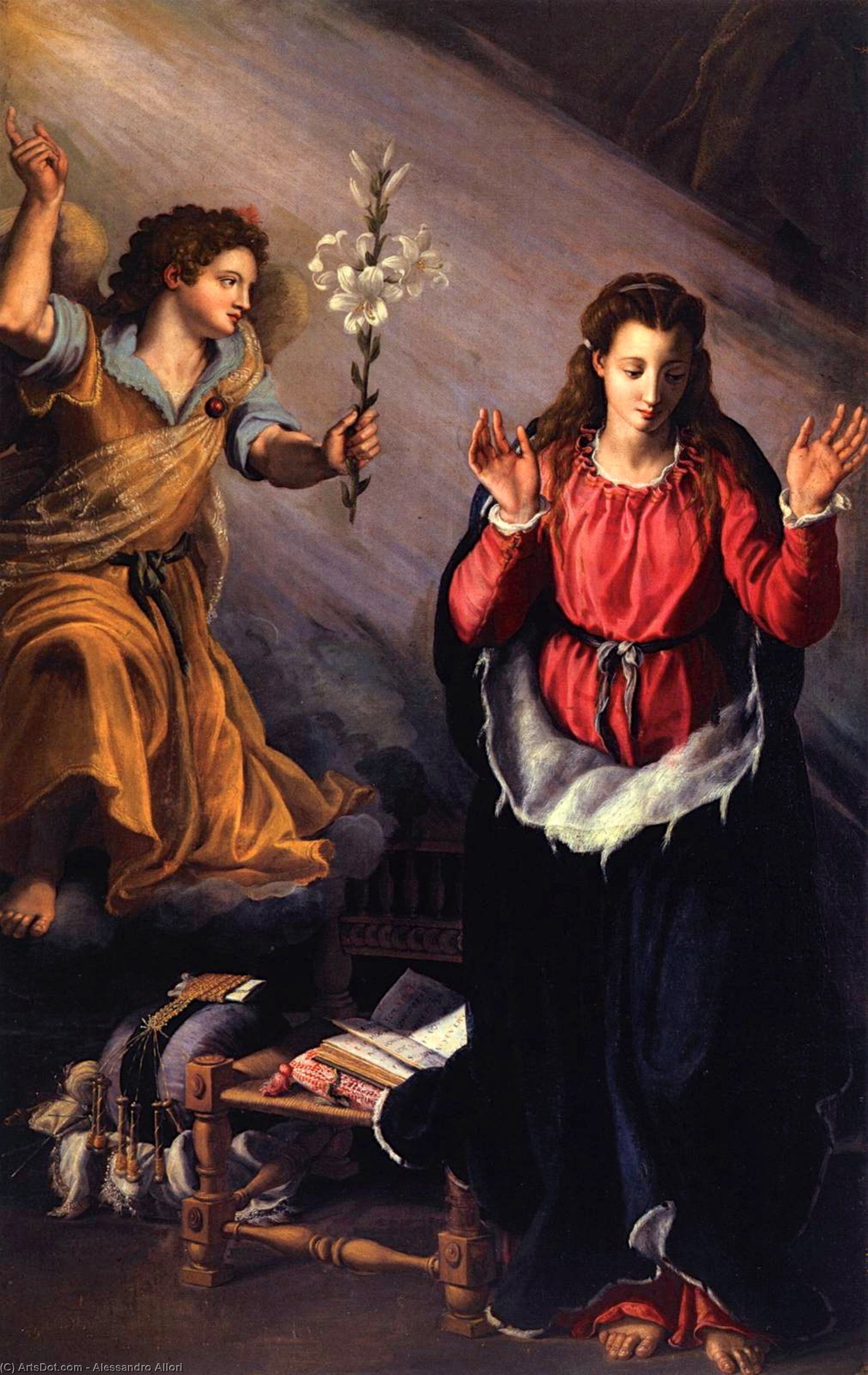
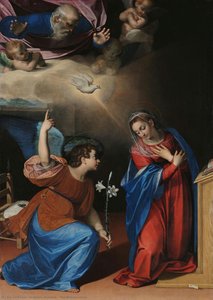
Annunciation


 Leer más
Reproducción al óleo hecha a mano
Óleo sobre lienzo pintado a mano en el tamaño y marco de su elección, realizado por encargo por nuestros artistas. ( Pedir impresión Comprar descarga)




P118B $10

P118H $10

P118W $10

P438Z $10

P508JH $12

P508YH $12

P805H $10

P805Z $10

P919BZ $10

P919G $10

P919XJ $10

P959ZH $10

P968JZ $12

W106C $8

W218G $10

W218JH $8

W218Y $10

W307PJ $10

W316G $10

W316PJ $8

W316Y $10

W398PJ $8

W4111J $10

W500HY $15

W500JH $15

W692G $12

W849H $8

W940BG $15

W953PJ $8




Elija entre nuestros tamaños predefinidos que respetan las proporciones originales de la obra.

Puede ingresar sus propias dimensiones para adaptarse a un marco o espacio específico. Si el tamaño seleccionado no coincide con las proporciones de la imagen original, recortaremos la obra o extenderemos la pintura con elementos adicionales pintados a mano. Se le enviará una maqueta digital para su aprobación antes de comenzar la producción.
Tenga en cuenta que la vista previa en pantalla no refleja el recorte o la extensión reales. Solo la maqueta mostrará con precisión la composición final.
Si bien existen tamaños personalizados, recomendamos seleccionar una dimensión de la lista predefinida para preservar las proporciones originales.
Tras realizar el pedido, el equipo de ArtsDot.com enviará un correo electrónico al cliente para solicitar instrucciones y proporcionarle una vista previa del boceto.
Envío a todo el mundo () en 3-4 semanas en lugar de las 5 semanas estándar. (20 agosto). Sin comprometer la calidad.

Envío exprés gratuito a todo el mundo

Lienzo de lino de alta calidad

Seguro de envío completo

Garantía de reembolso de aranceles aduaneros

Garantía de fidelidad cromática exacta

Política de devolución de 60 días (solo por defectos)

Garantía de devolución del 100% del dinero

Oferta por volumen
 La opción de vidrio solo está disponible en tamaños inferiores a 110 cm.

Annunciation
Técnica de reproducción
Tamaño de la reproducción
-


Precio total
$ 263
Descripción de la obra
Alessandro Allori’s “Annunciation”: A Florentine Masterpiece Illuminated by Mannerist Elegance
Alessandro Allori's "Annunciation," completed in 1603 and currently residing within the Galleria dell'Accademia in Florence, stands as a testament to the enduring legacy of Florentine Mannerism. Painted during a period marked by artistic experimentation and intellectual fervor—a reaction against the idealized beauty of High Renaissance ideals—this monumental fresco embodies Allori’s signature style: a masterful blend of sculptural precision and luminous color that continues to captivate viewers centuries later.The Composition & Technique – Sculptural Form Meets Radiant Light
Allori meticulously crafted this scene with an unwavering dedication to anatomical accuracy, reflecting the influence of humanist scholarship prevalent at the time. The figures—the angel Gabriel and Mary—are rendered with elongated proportions and subtly twisted poses, characteristic of Mannerist aesthetics. These forms aren’t merely realistic; they strive for a heightened sense of drama and emotion, conveying spiritual contemplation through carefully orchestrated gestures and drapery folds. Allori employed tempera paint on plaster, a technique favored by Florentine artists during this era, ensuring exceptional durability and preserving the vibrancy of his pigments—particularly the brilliant blues and golds that dominate the composition. The artist skillfully manipulated light to create an ethereal atmosphere, highlighting the angel’s halo and casting shadows across Mary's face, enhancing the emotional depth of the portrayal.Historical Context & Artistic Influences: Bronzino’s Legacy
“Annunciation” emerged from a milieu profoundly shaped by Agnolo Bronzino’s artistic dominance. Bronzino, Allori’s mentor, championed a style characterized by polished surfaces and restrained emotion—a deliberate departure from the exuberant expressiveness of Raphael and Michelangelo. This stylistic kinship is palpable in “Annunciation,” where Allori avoids overt sentimentality, opting instead for an understated elegance that prioritizes intellectual contemplation. The painting reflects broader artistic trends of its time – a fascination with classical ideals combined with a nuanced exploration of psychological complexity—a hallmark of Mannerist art’s ambition to capture the human condition with unprecedented subtlety.Symbolism & Narrative Depth: Lily and Bird – Echoes of Divine Grace
Beyond its technical brilliance, “Annunciation” is rich in symbolic significance. The lily held by Gabriel represents purity and virginity—essential attributes ascribed to Mary—a motif frequently employed in religious iconography throughout the Renaissance. Similarly, the bird perched upon Mary’s shoulder symbolizes hope and divine grace, reinforcing the narrative's central theme: God’s intervention in human affairs. Allori’s careful attention to detail extends beyond mere representation; he seeks to communicate profound spiritual truths through visual language—a testament to the enduring power of art as a vehicle for conveying religious belief and artistic innovation.Emotional Impact & Artistic Resonance – A Timeless Vision
“Annunciation” transcends its historical context, continuing to resonate with audiences today due to its ability to evoke feelings of serenity and reverence. The painting’s luminous colors and sculptural forms invite contemplation—encouraging viewers to consider the profound mysteries of faith and divine grace. Like many masterpieces of Mannerist art, it exemplifies a commitment to artistic excellence that prioritizes intellectual engagement alongside aesthetic beauty—a legacy that ensures Alessandro Allori's “Annunciation” remains an unforgettable emblem of Florentine artistic heritage.Obras relacionadas
Biografía del artista
Alessandro Allori: Pintor Manierista Florentino
- Nacido: Florencia, Italia (31 de mayo de 1535)
- Fallecido: 22 de septiembre de 1607
Vida Temprana y Formación
Alessandro Allori nació en Florencia en 1535. Tras la muerte de su padre en 1540, fue criado y formado por Agnolo Bronzino, un renombrado pintor manierista y un amigo cercano de la familia. Esta tutoría moldeó profundamente el estilo artístico de Allori. La influencia de Bronzino es evidente en la preferencia de Allori por formas antinaturales, similares al mármol, y un enfoque en estatuas frías dentro de sus composiciones.
Estilo Artístico e Influencias
El trabajo de Allori a menudo se caracteriza como derivativo, con críticos que notan que parecía inspirarse principalmente en el arte preexistente. Su estilo se marca por la representación pulida de figuras que poseen una calidad antinatural, casi similar al mármol, lo que le da a sus pinturas una apariencia bidimensional y estatuaria. Esta estética se puede observar en sus colaboraciones con Giovanni Maria Butteri y su principal alumno, Giovanni Bizzelli. Otros alumnos notables incluyeron Cristoforo del Altissimo, Cesare Dandini, Aurelio Lomi, John Mosnier, Alessandro Pieroni, Giovanni Battista Vanni y Monanni.
- Características Clave: Formas similares al mármol antinaturales, estatuaria fría, figuras pulidas, calidad bidimensional.
- Influencias: Agnolo Bronzino, movimiento manierista.
Obras Principales y Legado
Las contribuciones artísticas de Alessandro Allori se pueden encontrar en varios museos de todo el mundo, incluido el Gemäldegalerie en Berlín. Un evento notable ocurrió en 2006 cuando una pintura de Allori, posiblemente un retrato de Eleonora (Dianora) di Toledo de' Medici, fue devuelta al Gemäldegalerie por el corresponsal extranjero de la BBC, Sir Charles Wheeler, quien la había recibido en Alemania en 1952.
- Obras Notables: "Alegoría de la Vida Humana", "Historias de San Jerónimo" (fresco), varios retratos.
- Legado: Su hijo, Cristofano Allori, también se convirtió en pintor, continuando la tradición artística familiar.
Significado Histórico
Alessandro Allori ocupa un lugar significativo en la historia del arte florentino como una figura clave dentro de la escuela manierista tardía. Si bien su estilo ha sido criticado por su naturaleza derivativa, jugó un papel importante en la transmisión y el desarrollo de la estética manierista. Su influencia se puede ver en las obras de sus alumnos, y sus pinturas continúan siendo estudiadas y admiradas por los entusiastas del arte en la actualidad. También estuvo involucrado en proyectos decorativos significativos para importantes mecenas como la familia Medici, lo que demuestra su importancia dentro de los círculos artísticos de Florencia.
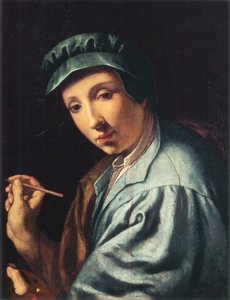
Alessandro Allori
1535 - 1607 , Italia
Datos clave
- Artistas Influenciados:
- Cristofano Allori
- Alessandro Pieroni
- Artistas Que Influyeron:
- Agnolo Bronzino
- Miguel Ángel
- Fecha De Fallecimiento: 22 de septiembre de 1607
- Fecha De Nacimiento: 31 de mayo de 1535
- Lugar De Nacimiento: Florencia, Italia
- Movimiento Artístico: Manierismo tardío
- Nacionalidad: Italiana
- Nombre Completo: Alessandro Allori
- Obras Notables:
- Alegoría de la vida humana
- Historias de San Jerónimo
Artículos relacionados

Dante Gabriel Rossetti: Las 25 Obras Maestras del Prerrafaelismo | ArtsDot
Descubre las 25 obras maestras de Dante Gabriel Rossetti, el máximo exponente del Prerrafaelismo. Explora su simbolismo, retratos victorianos y la belleza femenina en lienzos inolvidables. Reproducciones de arte exclusivas en ArtsDot.com.
Celestial Messengers: Angels in Painting – A Historical & Artistic Exploration
Explore the captivating history of angels in painting! Discover symbolism, iconic Renaissance & Byzantine masterpieces, and renowned artists. Expert insights for art lovers & collectors at ArtsDot.
Celestial Messengers: A Comprehensive Exploration of Angelic Representation in Art History
Explore the captivating history of angels in art! Discover symbolism, iconic Renaissance masterpieces & renowned artists. Expert insights for art lovers & collectors at ArtsDot.
Paul Gabriël: A Study in Belle Époque Academic Painting & Parisian Salon Ambitions
Explore the life & work of Paul Gabriël, a key figure of the Hague School and Belle Époque painting. Discover his journey to Parisian Salon recognition and lasting influence on Dutch landscape art.

Fra Angelico: Las 25 Obras Maestras del Renacimiento para Decorar con Arte y Fe
Descubre las 25 obras maestras de Fra Angelico, el pintor renacentista que llenó el arte sacro de luz y fe. Explora su técnica, simbolismo y belleza en frescos e iconos. Encuentra reproducciones de alta calidad para decorar tu hogar con ArtsDot.com.