 Ver en contexto
 Enviar
 Compartir
 Detalles

 Descargar
 Similares
 Radiografía
 Presentación de diapositivas
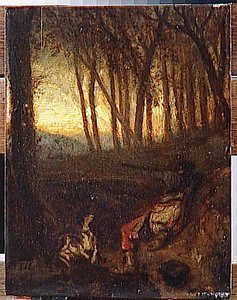
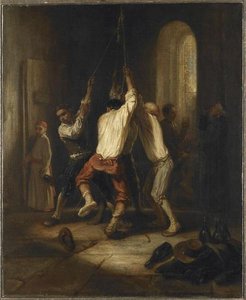
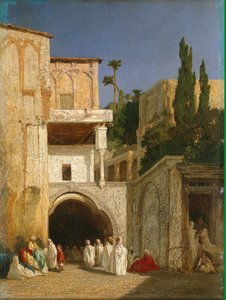
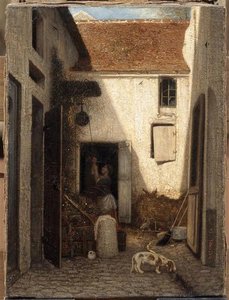
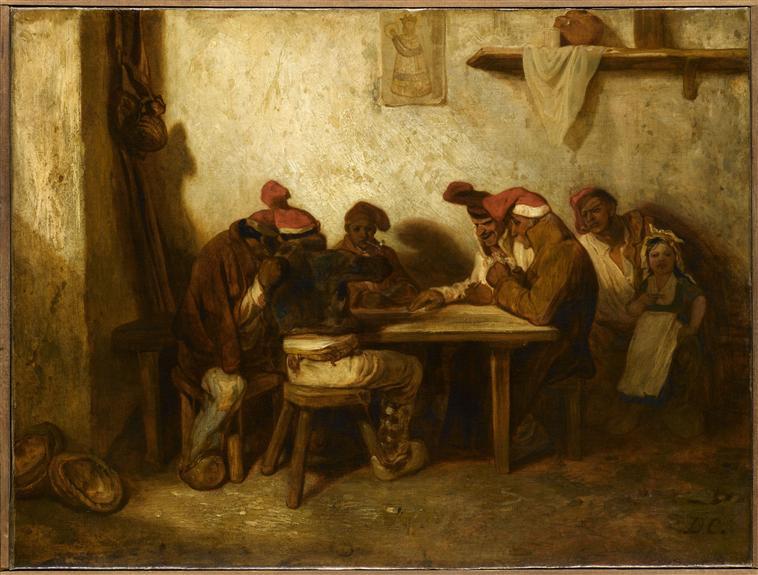
ESPAGNOLS JOUANT AUX CARTES, dit aussi LES CATALANS


 Ver más
Reproducción al óleo hecha a mano
Óleo sobre lienzo pintado a mano en el tamaño y marco de su elección, realizado por encargo por nuestros artistas. ( Comprar impresión Comprar imagen)




































Elija entre nuestros tamaños predefinidos que respetan las proporciones originales de la obra.

Puede ingresar sus propias dimensiones para adaptarse a un marco o espacio específico. Si el tamaño seleccionado no coincide con las proporciones de la imagen original, recortaremos la obra o extenderemos la pintura con elementos adicionales pintados a mano. Se le enviará una maqueta digital para su aprobación antes de comenzar la producción.
Tenga en cuenta que la vista previa en pantalla no refleja el recorte o la extensión reales. Solo la maqueta mostrará con precisión la composición final.
Si bien existen tamaños personalizados, recomendamos seleccionar una dimensión de la lista predefinida para preservar las proporciones originales.
Tras realizar el pedido, el equipo de ArtsDot.com enviará un correo electrónico al cliente para solicitar instrucciones y proporcionarle una vista previa del boceto.
Envío a todo el mundo () en 3-4 semanas en lugar de las 5 semanas estándar. (29 agosto). Sin comprometer la calidad.

Envío exprés gratuito a todo el mundo

Lienzo de lino de alta calidad

Seguro de envío total

Garantía de reembolso de impuestos aduaneros

Garantía de fidelidad cromática exacta

Política de devolución de 60 días (solo por defectos)

Garantía de devolución del 100% del dinero

Descuento por cantidad
 La opción de vidrio solo está disponible en tamaños inferiores a 110 cm.

ESPAGNOLS JOUANT AUX CARTES, dit aussi LES CATALANS
Técnica de reproducción
Dimensiones de la reproducción
-


Precio total final
$ 263
ESPAGNOLS JOUANT AUX CARTES, dit aussi LES CATALANS – A Window into Romantic Orientalism
Alexandre Gabriel Decamps’ “Espagnols Jouant aux Cartes,” also known as “The Catalans,” stands as a cornerstone of Romantic Orientalist painting—a genre that sought to capture the exotic allure and dramatic grandeur of the Middle East and North Africa through the lens of European imagination. Painted in 1855, this masterpiece exemplifies Decamps’ distinctive approach: meticulous observation blended with theatrical composition and imbued with a narrative depth that transcends mere visual representation. It's more than just a depiction of a card game; it’s an invitation into a meticulously crafted tableau brimming with cultural nuance and psychological insight.Subject Matter and Setting
The painting portrays a group of men engaged in a spirited card game amidst a rustic interior—a scene remarkably commonplace yet elevated by Decamps' artistic vision. The figures are seated around a table laden with objects typical of Catalan domestic life, offering viewers a glimpse into the daily rituals and social dynamics of 19th-century Spain. The artist’s careful attention to detail extends beyond the individuals themselves; he meticulously renders the textures of the wooden beams supporting the ceiling, the worn surfaces of the walls, and even the subtle folds of fabric—creating an immersive environment that transports us back in time.Style and Technique – Decamps' Romantic Vision
Decamps’ style is firmly rooted in Romanticism, characterized by its emphasis on emotion, drama, and idealized beauty. Unlike the academic conventions prevalent at the time, he eschewed rigid formalism for a looser brushstroke technique—allowing for expressive marks that convey movement and vitality. The palette is rich and warm, dominated by earthy tones punctuated by splashes of vibrant color, particularly reds and yellows—creating an atmosphere of warmth and conviviality. Decamps skillfully employs chiaroscuro – the dramatic interplay between light and shadow – to sculpt the figures and heighten the emotional impact of the scene.Historical Context: Romanticism’s Fascination with the Orient
The painting emerged during a period of intense fascination with the East within European intellectual circles. Romantic artists, disillusioned with Enlightenment rationality, sought inspiration in distant lands—imagining them as repositories of exotic beauty, spiritual grandeur, and primal passions. Decamps' depiction aligns perfectly with this trend, reflecting the broader cultural preoccupation with Orientalism – a movement that romanticized Eastern cultures while simultaneously perpetuating stereotypes and anxieties about difference. The painting serves as a powerful reminder of how artistic representations can shape perceptions of other societies.Symbolism and Emotional Resonance
Beyond its visual splendor, “Espagnols Jouant aux Cartes” resonates with deeper symbolic meanings. The card game itself represents social interaction, competition, and the pursuit of fortune—themes that are central to Romantic ideals. However, Decamps’ masterful use of light and shadow imbues the scene with a palpable sense of drama and tension. The expressions on the men's faces convey concentration and amusement, yet there’s also an underlying hint of unease – perhaps reflecting anxieties about social status or the unpredictable nature of human endeavor. Ultimately, the painting evokes feelings of warmth, camaraderie, and contemplation—encouraging viewers to ponder the complexities of human experience within a captivating historical setting.Conclusion: Decamps' Legacy
“Espagnols Jouant aux Cartes” remains a testament to Alexandre Gabriel Decamps’ artistic genius—a bold departure from academic tradition that cemented his place as one of Romanticism’s most influential painters. Its enduring appeal lies in its ability to transport us back to a bygone era while simultaneously prompting reflection on universal themes of human behavior and cultural identity. It stands as an unforgettable emblem of Decamps' distinctive Romantic vision, continuing to inspire admiration for its beauty and intellectual depth.Obras relacionadas
Biografía del artista
Alexandre Gabriel Decamps (1803-1860): A Pioneer of Orientalist Visions
Alexandre Gabriel Decamps, a name resonating with the vibrant hues of exotic landscapes and the dramatic flair of Romanticism, emerged as a pivotal figure in 19th-century French painting. Born in Paris on March 3, 1803, his artistic journey was one of bold innovation, challenging academic conventions and forging a path toward what would become known as Orientalism. While contemporaries like Delacroix and Ingres also held prominent positions within the French art world, Decamps distinguished himself through an intensely personal style—a blend of meticulous observation, dramatic composition, and a captivating narrative quality that drew viewers into worlds both familiar and utterly foreign. His early recognition as a talented artist foreshadowed a career marked by critical acclaim, culminating in the grand or council medal at the Paris Exhibition of 1855, a testament to his exceptional skill and unique vision. Beyond the canvas, Decamps was a man deeply connected to nature, finding solace and inspiration in the countryside surrounding Paris, where he indulged his passion for animals and field sports—a fondness that would subtly permeate much of his artistic output.Early Life and Artistic Formation
Decamps’s formative years were steeped in Parisian intellectual life, fostering an appreciation for classical ideals alongside a burgeoning fascination with the natural world. His father, Jean-Baptiste Decamps, was a professor of mathematics at École Polytechnique, instilling in Alexandre a disciplined mind and a love for scientific inquiry—a duality that would inform his artistic approach. Despite familial expectations favoring a career in academia, Decamps’s innate talent for painting compelled him to pursue his passion independently, honing his skills through self-study and experimentation. His early works demonstrated an aptitude for capturing atmospheric effects and conveying emotion with remarkable sensitivity, hinting at the stylistic breakthroughs to come.The Influence of Orientalism: Travels and Inspiration
A transformative experience occurred during Decamps’s travels to Egypt in 1831-1832. Unlike many artists of his time who relied on secondhand accounts or idealized depictions, Decamps undertook a meticulous expedition, documenting the landscapes, people, and customs of the Nile Valley with unwavering dedication. This immersive encounter profoundly impacted his artistic sensibilities, fueling his desire to portray Oriental life with unprecedented realism—a departure from prevailing academic conventions that prioritized decorative elegance over psychological depth. The resulting paintings captured not merely what he saw but also the very essence of Egyptian culture, imbued with a palpable sense of atmosphere and emotional resonance.Notable Works: Biblical Narratives and Historical Dramas
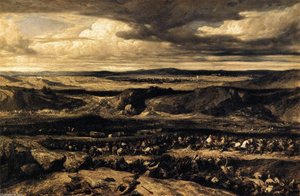
Decamps’s artistic output spanned diverse genres, ranging from biblical scenes to historical dramas—each infused with his distinctive stylistic hallmarks. “Joseph Sold by His Brethren,” for example, stands as a masterful illustration of the Old Testament narrative, skillfully grounding it in authentic Egyptian settings while conveying profound psychological insight. Similarly, “The Defeat of the Cimbri” exemplifies Decamps’s ability to handle large-scale compositions with dynamic energy and dramatic flair—capturing the chaos and brutality of battle with unflinching honesty. His meticulous attention to detail and expressive brushwork cemented his reputation as a leading figure in the Barbizon school, influencing generations of painters who sought to emulate his artistic vision.A Legacy of Bold Vision and Artistic Innovation
Alexandre Gabriel Decamps’s contribution to French art history is undeniable—he established Orientalism as a viable aesthetic direction, challenging academic dogma and paving the way for new artistic explorations. His unwavering commitment to realism, combined with his masterful command of composition and color, secured his place among the most influential artists of his era. Recognized by contemporaries like Maxime du Camp as “Christopher Columbus of the Orient,” Decamps’s legacy continues to inspire admiration for his pioneering spirit and enduring artistic achievements. His paintings—particularly “Incendie d'un village italien” and “A Bedouin and a Camel Resting in a Desert”—remain treasured masterpieces, embodying the Romantic ideal of capturing both beauty and truth with uncompromising conviction. They are currently housed in prestigious institutions such as the Musée du Louvre in Paris, ensuring that Decamps’s vision persists across time. Platforms like ArtsDot.com play an important role in preserving and disseminating his art, offering high-quality reproductions that allow admirers to experience the splendor of his artistic legacy firsthand.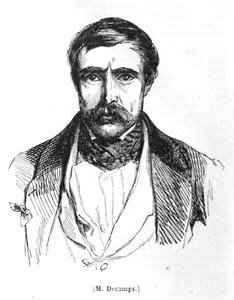
Alexandre Gabriel Decamps
1803 - 1860 , Francia
Datos clave
- Artistic Movement Or Style: Orientalismo
- Artists Or Movements Influenced By This Artist: ['Barbizon School']
- Artists Who Influenced This Artist:
- Delacroix
- Ingres
- Date Of Birth: París, Francia (1803)
- Date Of Death: Fontainebleau, Francia (1860)
- Full Name: Alexandre Gabriel Decamps
- Nationality: Francés
- Notable Artworks:
- José vendido por sus hermanos
- La Defeat de los cimbrios
- El Siglo XIX
- Place Of Birth: París
Artículos relacionados
Pixelated Prestige: Explorando la Escasez, el Valor y el Impacto Cultural en las Pinturas de Edición Limitada de Videojuegos
Descubre el fascinante mundo del arte de videojuegos en edición limitada. Reproducciones de alta calidad y análisis experto para coleccionistas apasionados. ¡Invierte en piezas únicas!
Más Allá de los Píxeles y el Juego: Significado Estético e Identitario del Arte en los Videojuegos para el Coleccionista Moderno
Descubre el valor estético e identitario de los videojuegos como forma de arte moderna. Guía experta para coleccionistas, tendencias y análisis del mercado. ¡Invierte con conocimiento!
Pinceladas y Peleas Épicas: El Arte Detrás de los Universos Videolúdicos Pintados a Mano
Descubre el fascinante mundo del arte conceptual en videojuegos. Técnicas avanzadas, inspiración de Klimt y consejos expertos para crear mundos virtuales impresionantes. ¡Eleva tus diseños!
Alexandre Gabriel Decamps: Pioneering Romantic Visions & Challenging Academic Tradition
Explore the captivating world of Alexandre Gabriel Decamps, a pioneer of Romanticism and Orientalism. Discover his bold style, satirical masterpieces like 'The Experts,' and lasting impact on 19th-century art history.

Del Pixel a la Calle: Cómo la Estética de los Videojuegos Está Moldeando la Cultura Pop
Descubre cómo la estética de los videojuegos está transformando la cultura pop. Analizamos tendencias, desde el pixel art hasta su influencia en moda y música. ¡Inspírate con el futuro retro!