 Vista previa
 Compartir
 Compartir
 Ver detalles

 Descargar
 Ver similares
 Radiografía
 Presentación de diapositivas
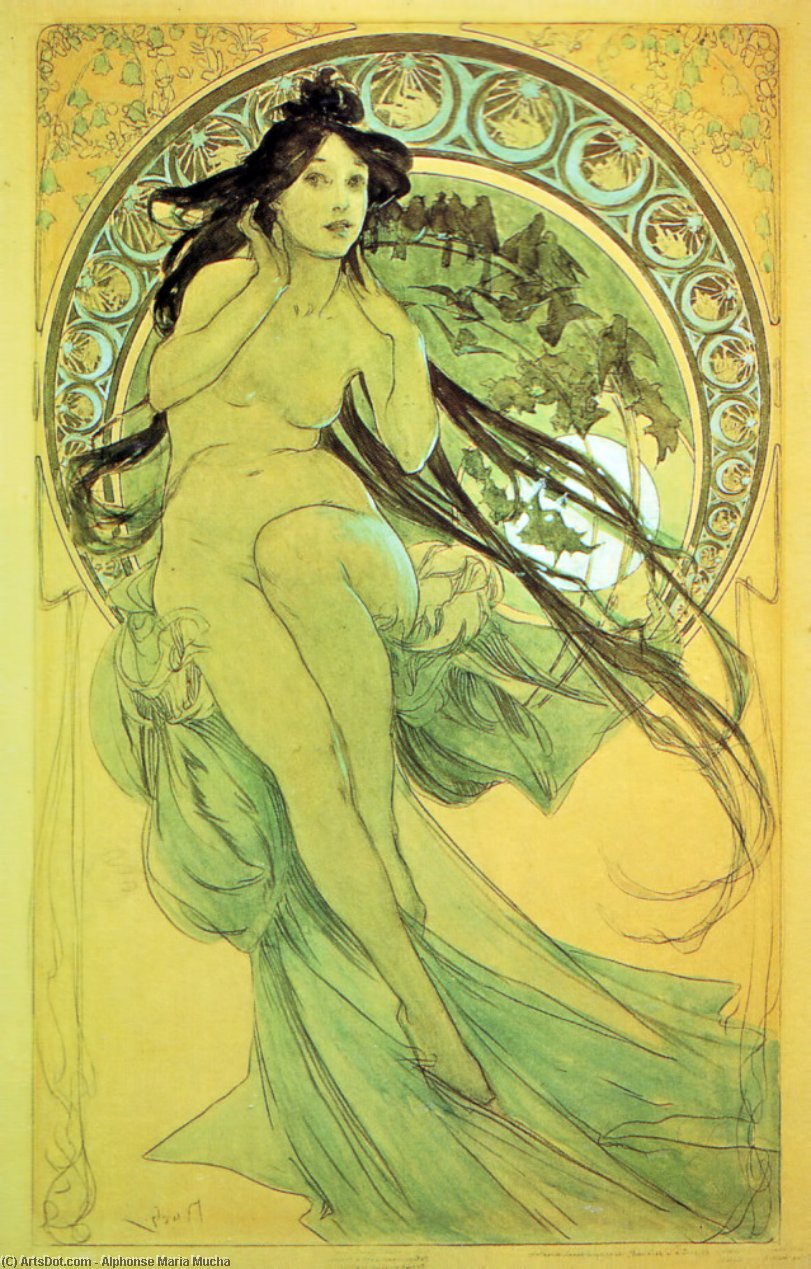
Study for Music


 Leer más
Reproducción al óleo hecha a mano
Óleo sobre lienzo pintado a mano en el tamaño y marco de su elección, realizado por encargo por nuestros artistas. ( Pedir impresión Comprar descarga)




































Elija entre nuestros tamaños predefinidos que respetan las proporciones originales de la obra.

Puede ingresar sus propias dimensiones para adaptarse a un marco o espacio específico. Si el tamaño seleccionado no coincide con las proporciones de la imagen original, recortaremos la obra o extenderemos la pintura con elementos adicionales pintados a mano. Se le enviará una maqueta digital para su aprobación antes de comenzar la producción.
Tenga en cuenta que la vista previa en pantalla no refleja el recorte o la extensión reales. Solo la maqueta mostrará con precisión la composición final.
Si bien existen tamaños personalizados, recomendamos seleccionar una dimensión de la lista predefinida para preservar las proporciones originales.
Tras realizar el pedido, el equipo de ArtsDot.com enviará un correo electrónico al cliente para solicitar instrucciones y proporcionarle una vista previa del boceto.
Envío a todo el mundo () en 3-4 semanas en lugar de las 5 semanas estándar. (21 agosto). Sin comprometer la calidad.

Envío exprés gratuito a todo el mundo

Lienzo de lino de alta calidad

Seguro de envío completo

Garantía de reembolso de aranceles aduaneros

Garantía de fidelidad cromática exacta

Política de devolución de 60 días (solo por defectos)

Garantía de devolución del 100% del dinero

Oferta por volumen
 La opción de vidrio solo está disponible en tamaños inferiores a 110 cm.

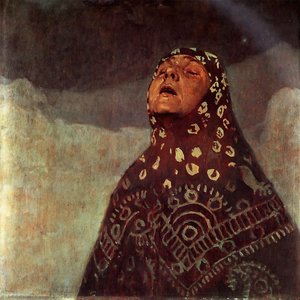
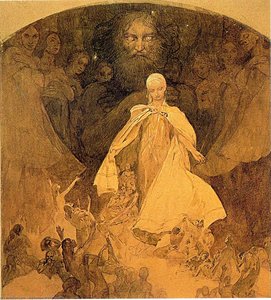
Study for Music
Técnica de reproducción
Tamaño de la reproducción
-


Precio total
$ 263
Descripción de la obra
A Study in Graceful Movement: Mucha’s ‘Study for Music’
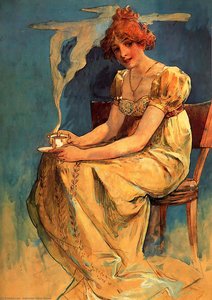
Alphonse Maria Mucha's “Study for Music,” a captivating work brimming with the hallmarks of his signature Art Nouveau style, invites us into a world where decorative elegance intertwines seamlessly with profound emotional resonance. This painting, though shrouded in some mystery regarding its precise creation date and dimensions – details currently unavailable to us – offers a potent glimpse into Mucha’s artistic process and his enduring fascination with idealized beauty and the evocative power of music itself. The image depicts a woman seated thoughtfully, her posture radiating both serenity and an underlying current of contemplation. Her flowing green dress, rendered in delicate brushstrokes, seems to ripple with movement, echoing the very ‘music’ for which the piece is named. The warm yellow background isn't merely a backdrop; it acts as a luminous embrace, intensifying the colors and contributing significantly to the painting’s overall atmosphere of quiet contemplation.
The Art Nouveau Vision: Mucha’s Influences and Techniques
Born in Brno, Czech Republic, in 1860, Alphonse Maria Mucha developed a unique artistic voice that would become synonymous with Art Nouveau. Rejecting the rigid academic traditions he encountered at the Academy of Fine Arts in Prague, Mucha embraced a more organic approach, heavily influenced by artists like Pierre-Auguste Renoir and Gustave Moreau. His work is characterized by its deliberate use of flowing lines, intricate ornamentation, and a profound appreciation for natural forms – particularly those found in flora and fauna. Notice the careful rendering of the woman’s drapery; it's not simply fabric but an extension of her form, imbued with a sense of movement and almost liquid grace. Mucha’s technique involved layering thin glazes of color, building up depth and luminosity that is characteristic of his most celebrated works. The subtle gradations in tone, particularly around the figure’s face and hands, contribute to the painting's ethereal quality.
Symbolism and Narrative within the Scene
Beyond its purely aesthetic qualities, “Study for Music” hints at deeper symbolic meanings. The presence of the other figures – a man in the background and two birds – adds layers of narrative complexity. The woman’s pose, with her legs crossed and head slightly tilted, suggests an act of listening, absorbed in the music she hears or perhaps composing it herself. The birds, frequently recurring motifs in Mucha's work, often represent freedom, inspiration, and the connection between humanity and nature. The necklace she wears could be interpreted as a symbol of adornment, but also potentially represents a link to tradition or heritage – themes prevalent in Mucha’s exploration of Czech identity through his art. The overall composition feels deliberately balanced, creating a sense of harmony and tranquility.
A Legacy of Beauty: Mucha's Impact and the Reproduction
Alphonse Maria Mucha’s influence on the Art Nouveau movement is undeniable, and “Study for Music” stands as a testament to his artistic genius. His work continues to inspire artists and designers today, demonstrating the enduring power of beauty, elegance, and emotional expression. ArtsDot.com offers a meticulously crafted hand-painted reproduction of this remarkable piece, allowing you to bring its captivating charm into your home or office. Each reproduction is created using archival quality materials and traditional techniques, ensuring that it faithfully captures the original’s delicate details and luminous color palette. This isn't just a print; it’s an investment in art history – a tangible connection to one of the most significant figures of the Art Nouveau era.
Obras relacionadas
Biografía del artista
Primeros Años y Educación
- Nacido: 15 de julio de 1860, en Ivanačice, Moravia (ahora parte de la República Checa)
- Mostró talento artístico desde una edad temprana.
- Estudió en la Academia de Bellas Artes de Praga pero se desilusionó con los enfoques tradicionales.
- Se mudó a París en 1887 para perseguir su propio estilo.
Estilo Artístico y Obras Notables
- Conocido por un estilo Art Nouveau distintivo caracterizado por líneas fluidas, formas orgánicas y una sensación de movimiento.
- Influenciado por artistas como Pierre-Auguste Renoir y Gustave Moreau.
- Obras Notables:
- La Insurrección Eslava - Muestra la combinación de motivos checos tradicionales con elementos Art Nouveau modernos.
- Salon des Cent
- Pinturas inspiradas en obras como Las Hijas de Tespio de Gustave Moreau, y La Ribambelle des Gobelins de Piero Dorazio.
- Ilustraciones basadas en Jóvenes Granjeros Rompiendo Lino de Sir Hubert von Herkomer.
- Frecuentemente presentó mujeres idealizadas con túnicas fluidas rodeadas de flores exuberantes.
Hitos Profesionales y Comisiones Importantes
- Colaboración con Sarah Bernhardt: Creó carteles y diseños para la actriz Sarah Bernhardt, comenzando con el cartel de Gismonda (1894), lo que lanzó su carrera.
- Exposición Universal en París (1900): Su estilo Art Nouveau ganó reconocimiento internacional en esta exposición. Decoró el Pabellón de Bosnia y Herzegovina y colaboró en el Pabellón Austriaco.
- Patronazgo de Charles Richard Crane: Recibió apoyo de Charles Richard Crane, lo que le permitió crear la monumental serie El Épico Eslavo (1912-30).
- Checoslovaquia Independiente: Diseñó sellos postales, billetes y documentos gubernamentales para la recién independiente Checoslovaquia.
Influencias y Legado
- Influenciado por las tradiciones artísticas checas y los movimientos de arte europeos modernos.
- Su estilo único allanó el camino para futuras generaciones de artistas en Art Nouveau y Secesión.
- Inspiró a otros artistas como Eva Prokopcová.
- El legado se extiende más allá de su obra de arte hasta influir en el diseño y la estética.
Vida Posterior y Muerte
- Se casó con Maruska (Marie/Maria) Chytilová en 1906.
- Visitó los Estados Unidos desde 1906 hasta 1910, donde nació su hija Jaroslava.
- Murió el 14 de julio de 1939 en Praga, Checoslovaquia.
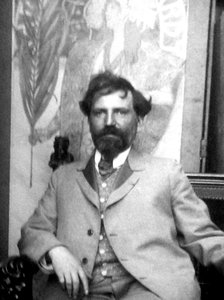
Alphonse Maria Mucha
1860 - 1939 , República Checa
Datos clave
- Artistas Influenciados: ['Eva Prokopcová']
- Artistas Que Influyeron:
- Pierre-Auguste Renoir
- Gustave Moreau
- Fecha De Fallecimiento: 1939
- Fecha De Nacimiento: 15 de julio de 1860
- Lugar De Nacimiento: Brno, República Checa
- Movimiento Artístico: Art Nouveau
- Nacionalidad: Checo
- Nombre Completo: Alphonse Maria Mucha
- Obras Notables:
- La sublevación eslava
- Salón de los Cien
- Las hijas de Tespio
- La Ribambelle de Gobelins
Artículos relacionados
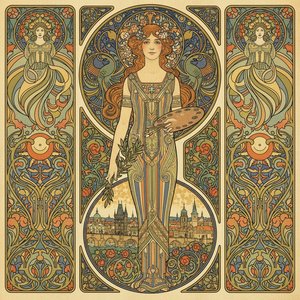
Alphonse Mucha: A Comprehensive Exploration of Art Nouveau's Master of Decorative Symbolism
Explore the life & art of Alphonse Mucha, master of Art Nouveau! Discover his iconic posters, stunning illustrations, and the monumental Slav Epic. A comprehensive guide for collectors & enthusiasts.
Verdant Visions: Exploring the Symbolism & Aesthetic Impact of Green in Art History
Explore the rich history & symbolism of green in art! Discover iconic paintings, techniques, and how to bring verdant harmony into your home with ArtsDot's expert guide.
Los 10 Cuadros Más Famosos Dominados por el Verde Cromado: Arte y Decoración
Descubre los 10 cuadros más famosos dominados por el verde cromado. Explora la historia, artistas como Monet y Renoir, e inspírate para decorar tu hogar con lienzos impresionistas. Reproducciones de arte en .
Los 10 Pinturas Más Famosas Dominadas por el Verde Cadmio | Arte y Decoración de Lujo
Descubre los 10 cuadros más famosos dominados por el verde cadmio. Explora la historia, artistas como Monet y Van Gogh, e inspiración para decoración con arte en . ¡Encuentra tu obra maestra!
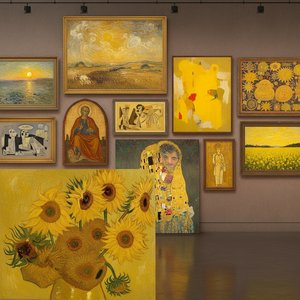
Los 10 cuadros más famosos dominados por el 'amarillo cromo': Arte y decoración
Descubre los 10 cuadros más emblemáticos dominados por el 'amarillo cromo': Van Gogh, Monet y otros maestros. Historia del arte, técnicas y decoración con lienzos impresionistas. ¡Explora la colección completa en ArtsDot.com!