

 Ver en contexto
 Enviar
 Compartir
 Detalles

 Descargar
 Similares
 Radiografía
 Presentación de diapositivas
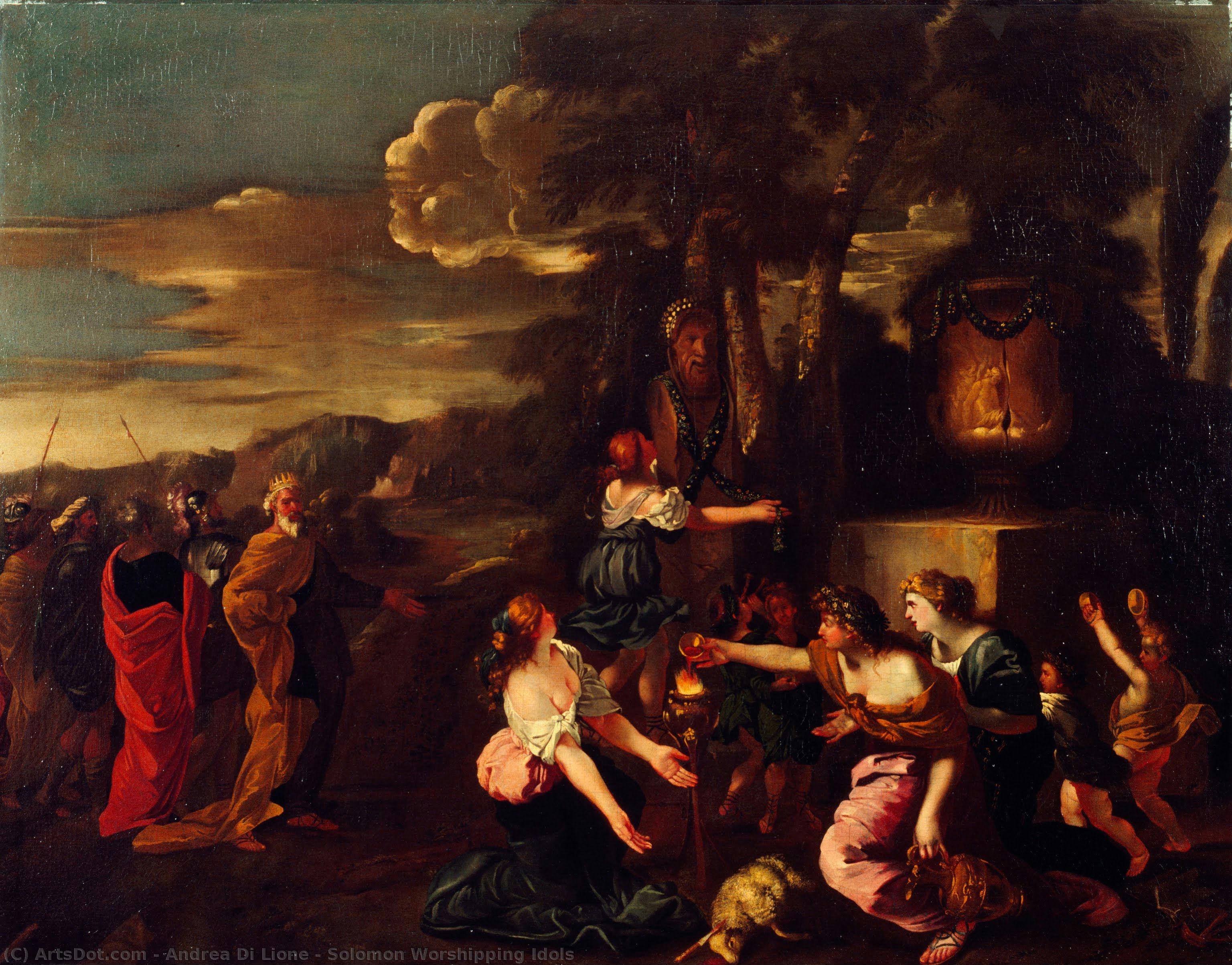
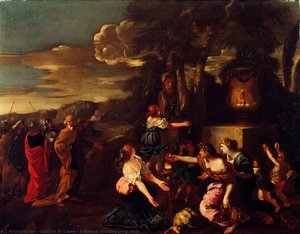
Solomon Worshipping Idols
 126.0 x 99.0 cm
 Fondazione Cariplo
 Ver más
Reproducción al óleo hecha a mano
Óleo sobre lienzo pintado a mano en el tamaño y marco de su elección, realizado por encargo por nuestros artistas. ( Comprar impresión Comprar imagen)




































Elija entre nuestros tamaños predefinidos que respetan las proporciones originales de la obra.

Puede ingresar sus propias dimensiones para adaptarse a un marco o espacio específico. Si el tamaño seleccionado no coincide con las proporciones de la imagen original, recortaremos la obra o extenderemos la pintura con elementos adicionales pintados a mano. Se le enviará una maqueta digital para su aprobación antes de comenzar la producción.
Tenga en cuenta que la vista previa en pantalla no refleja el recorte o la extensión reales. Solo la maqueta mostrará con precisión la composición final.
Si bien existen tamaños personalizados, recomendamos seleccionar una dimensión de la lista predefinida para preservar las proporciones originales.
Tras realizar el pedido, el equipo de ArtsDot.com enviará un correo electrónico al cliente para solicitar instrucciones y proporcionarle una vista previa del boceto.
Envío a todo el mundo () en 3-4 semanas en lugar de las 5 semanas estándar. (4 septiembre). Sin comprometer la calidad.

Envío exprés gratuito a todo el mundo

Lienzo de lino de alta calidad

Seguro de envío total

Garantía de reembolso de impuestos aduaneros

Garantía de fidelidad cromática exacta

Política de devolución de 60 días (solo por defectos)

Garantía de devolución del 100% del dinero

Descuento por cantidad
 La opción de vidrio solo está disponible en tamaños inferiores a 110 cm.

Solomon Worshipping Idols
Técnica de reproducción
Dimensiones de la reproducción
-


Precio total final
$ 263
Obras relacionadas





Biografía del artista
The Baroque Visionary of Naples: The Life and Legacy of Andrea di Lione
In the sun-drenched, tumultuous landscape of seventeenth-century Naples, a period defined by dramatic contrasts and spiritual intensity, Andrea di Lione emerged as a master of the Baroque soul. Born on 8 September 1610, Leone was far more than a mere painter; he was a chronicler of movement, conflict, and divine intervention. His life’s work serves as a vital bridge between the disciplined classical traditions of his mentors and the burgeoning theatricality that would eventually define the Neapolitan school. To study Leone is to witness the evolution of an artist who could capture both the monumental scale of historical warfare and the intimate, often eroticized, whispers of biblical myth.
The foundations of Leone’s artistry were laid within the prestigious studios of Naples' most formidable masters. His early years were shaped by the guidance of Belisario Corenzio, a painter renowned for his allegorical frescoes, and the evocative landscapes of Salvator Rosa. These mentors instilled in him a disciplined approach to composition and a profound respect for spiritual contemplation. Even as a young artist, Leone demonstrated a remarkable capacity for large-scale narrative, collaborating with Corenzio on magnificent frescoes depicting biblical battles for the palace of the Viceroy. When Corenzio eventually departed Naples, the mantle of this prestigious commission fell to Leone, marking his ascent into the city's influential artistic circles.
A Synthesis of Style and Academic Rigor
As his talent matured, Leone sought further refinement through the rigorous academic training offered in the studio of Aniello Falcone. It was here that his style underwent a decisive transformation. Falcone’s emphasis on idealized forms and the dramatic use of chiaroscuro—the interplay of light and shadow—deeply permeated Leone's technique. This period of study allowed him to marry the realism required for historical accuracy with the expressive emotion necessary for religious storytelling. His work began to reflect a sophisticated convergence of styles, blending the disciplined classicality of his early training with a new, dynamic energy.
Beyond his immediate Neapolitan surroundings, Leone’s palette was enriched by broader European influences. Scholars have noted traces of the Genoese painter Giovanni Benedetto Castiglione, known as Grechetto, in Leone's more exuberant compositions. This influence is particularly evident in works where the artist adopts a more decorative and fluid approach to movement. Furthermore, certain pieces suggest an engagement with the burgeoning Classicism of Nicolas Poussin, creating a unique, composite vocabulary that overlaid the gritty, visceral substratum of Neapolitan culture with a refined, classical interpretation of the Baroque.
Mastery of Narrative and Historical Significance
The true brilliance of Andrea di Lione lies in his ability to transform biblical and historical narratives into captivating visual spectacles. His oeuvre is characterized by an extraordinary range of subject matter, from the somber gravity of "Tobit Burying the Dead" to the more sensuous and complex themes found in works like "Solomon Worshipping Idols." In the latter, Leone utilizes biblical pretexts to explore bacchanalian and orgiastic imagery, demonstrating his ability to navigate the delicate balance between sacred tradition and secular fascination. His mastery of the battle scene—a hallmark of his legacy—allowed him to depict the chaos of conflict with meticulous detail and an emotive power that remains striking to the modern eye.
Though he passed away on 12 February 1685, leaving behind a legacy etched in the grand halls of Neapolitan history, Leone's impact persists. He remains a pivotal figure for understanding the transition of Italian art from the late Renaissance into the full-throated drama of the Baroque era. His ability to synthesize diverse influences—from the academic rigor of Falcone to the atmospheric landscapes of Rosa—ensured that his work was not merely a reflection of his time, but a profound contribution to the enduring language of European painting.
andrea di lione
1596 - 1675
Datos clave
- Artistic Movement Or Style: Baroque
- Artists Or Movements Influenced By This Artist: ['Aniello Falcone']
- Artists Who Influenced This Artist:
- Belisario Corenzio
- Salvator Rosa
- Date Of Birth: September 8, 1610
- Date Of Death: February 12, 1685
- Full Name: Andrea di Leone
- Nationality: Italian
- Notable Artworks:
- Solomon Worshipping Idols
- Tobit Burying the Dead
- Venus and Adonis
- Place Of Birth: Naples, Italy

