

 Ver en contexto
 Enviar
 Compartir
 Detalles

 Descargar
 Similares
 Radiografía
 Presentación de diapositivas
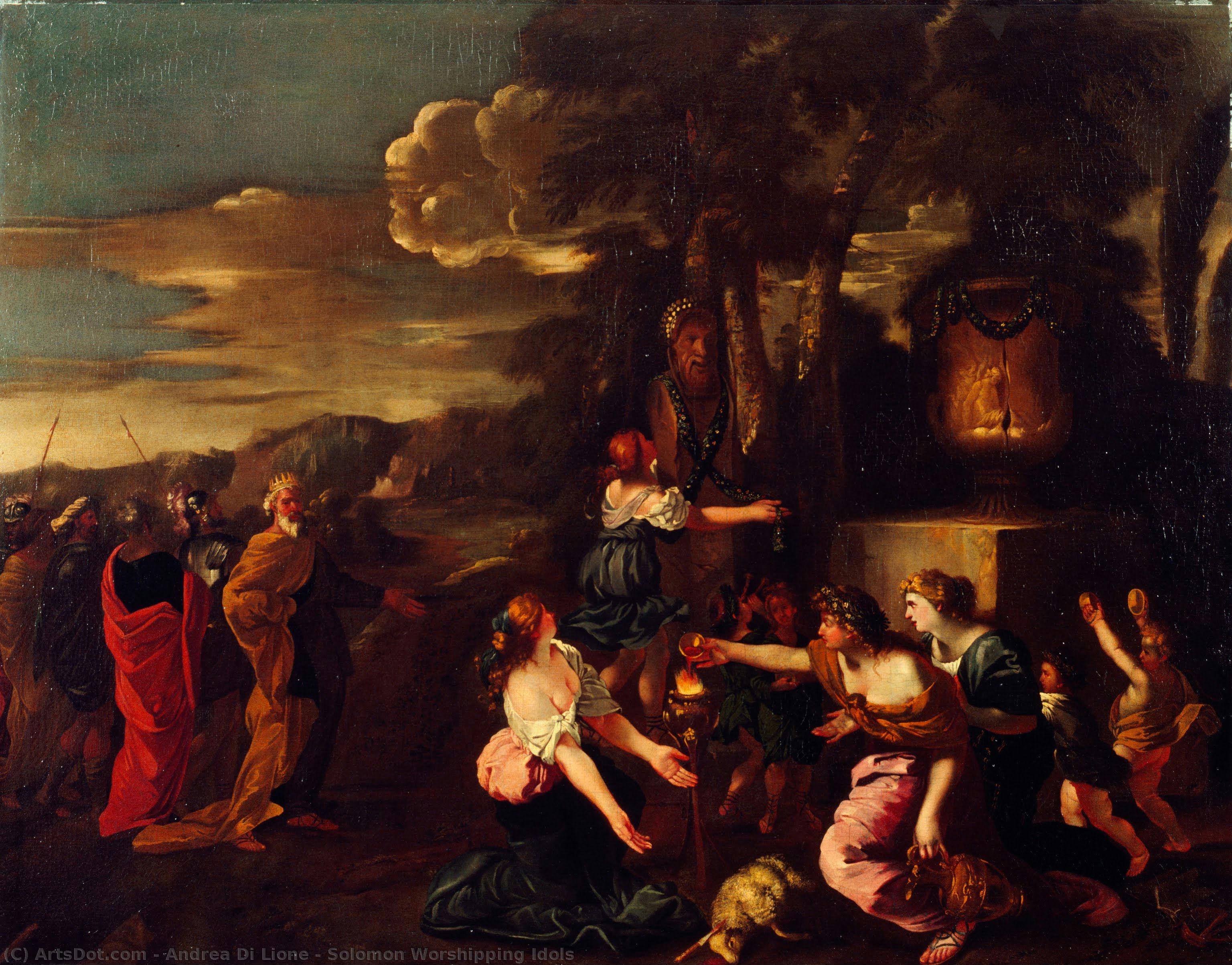
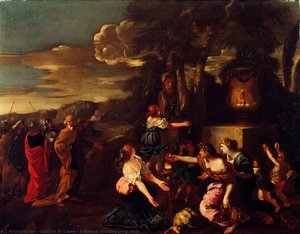
Solomon Worshipping Idols
 126.0 x 99.0 cm
 Fondazione Cariplo
 Ver más
Adquiera una imagen digital de alta resolución y optimizada, muy superior a la vista previa en línea.
Cada archivo es preparado meticulosamente por nuestros especialistas internos mediante el uso de herramientas avanzadas y un experto retoque manual. Nos aseguramos de que cada imagen posea una claridad excepcional, una precisión cromática impecable y un detalle minucioso.
El archivo final se entrega por correo electrónico en un plazo de 72 horas, optimizado para su uso inmediato en entornos profesionales, editoriales y de impresión. Esta es la misma calidad en la que confían los estudios de diseño, las editoriales y las galerías de primer nivel.
Imagen Digital
Descarga un archivo de alta resolución para exhibición personal, impresión y proyectos creativos. ( Comprar impresión Comprar pintura hecha a mano)
Incluido en cada pedido de imágenes digitales
Entrega digital experta, garantizada.
Al elegir ArtsDot.com, no solo está adquiriendo una imagen; está recibiendo una obra de arte digital mejorada profesionalmente, elaborada con precisión y respaldada por una garantía de satisfacción. Esto es todo lo que incluye su pedido, automáticamente:

Entrega rápida por email
Recibirá su archivo de imagen digital en alta resolución por correo electrónico en un plazo de 72 horas tras realizar su pedido, listo para su uso inmediato.

Archivo digital optimizado por IA
Su obra de arte se optimiza profesionalmente mediante herramientas avanzadas de IA y edición manual, garantizando el máximo detalle, claridad y precisión cromática.

Reenvío gratuito de por vida
¿Has borrado o perdido tu archivo por error? No te preocupes: te lo volveremos a enviar en cualquier momento, sin coste adicional.

Sin gastos de importación, siempre
Disfrute de su obra de arte al instante sin aduanas, aranceles ni gastos de envío; las descargas digitales siempre están libres de impuestos.

Garantía de fidelidad de color
Garantizamos que su imagen digital refleje los colores originales con la mayor fidelidad posible, mediante el uso de herramientas profesionales y gestión del color.

Garantía de satisfacción de 60 días
Si no está satisfecho con su imagen digital, la revisaremos o le reembolsaremos el 100% en un plazo de 60 días, sin preguntas.

100% Garantía de devolución de dinero
¿No está satisfecho? Obtenga un reembolso completo dentro de los 60 días posteriores a la recepción de su archivo digital, sin necesidad de explicaciones.

Descuentos por pedidos grandes
Compra 3 imágenes, ahorra 10% - Compra 5, ahorra 15% - Compra 10+, ahorra 20%. Ideal para proyectos creativos, galerías y agencias.
Obras relacionadas





Biografía del artista
The Baroque Visionary of Naples: The Life and Legacy of Andrea di Lione
In the sun-drenched, tumultuous landscape of seventeenth-century Naples, a period defined by dramatic contrasts and spiritual intensity, Andrea di Lione emerged as a master of the Baroque soul. Born on 8 September 1610, Leone was far more than a mere painter; he was a chronicler of movement, conflict, and divine intervention. His life’s work serves as a vital bridge between the disciplined classical traditions of his mentors and the burgeoning theatricality that would eventually define the Neapolitan school. To study Leone is to witness the evolution of an artist who could capture both the monumental scale of historical warfare and the intimate, often eroticized, whispers of biblical myth.
The foundations of Leone’s artistry were laid within the prestigious studios of Naples' most formidable masters. His early years were shaped by the guidance of Belisario Corenzio, a painter renowned for his allegorical frescoes, and the evocative landscapes of Salvator Rosa. These mentors instilled in him a disciplined approach to composition and a profound respect for spiritual contemplation. Even as a young artist, Leone demonstrated a remarkable capacity for large-scale narrative, collaborating with Corenzio on magnificent frescoes depicting biblical battles for the palace of the Viceroy. When Corenzio eventually departed Naples, the mantle of this prestigious commission fell to Leone, marking his ascent into the city's influential artistic circles.
A Synthesis of Style and Academic Rigor
As his talent matured, Leone sought further refinement through the rigorous academic training offered in the studio of Aniello Falcone. It was here that his style underwent a decisive transformation. Falcone’s emphasis on idealized forms and the dramatic use of chiaroscuro—the interplay of light and shadow—deeply permeated Leone's technique. This period of study allowed him to marry the realism required for historical accuracy with the expressive emotion necessary for religious storytelling. His work began to reflect a sophisticated convergence of styles, blending the disciplined classicality of his early training with a new, dynamic energy.
Beyond his immediate Neapolitan surroundings, Leone’s palette was enriched by broader European influences. Scholars have noted traces of the Genoese painter Giovanni Benedetto Castiglione, known as Grechetto, in Leone's more exuberant compositions. This influence is particularly evident in works where the artist adopts a more decorative and fluid approach to movement. Furthermore, certain pieces suggest an engagement with the burgeoning Classicism of Nicolas Poussin, creating a unique, composite vocabulary that overlaid the gritty, visceral substratum of Neapolitan culture with a refined, classical interpretation of the Baroque.
Mastery of Narrative and Historical Significance
The true brilliance of Andrea di Lione lies in his ability to transform biblical and historical narratives into captivating visual spectacles. His oeuvre is characterized by an extraordinary range of subject matter, from the somber gravity of "Tobit Burying the Dead" to the more sensuous and complex themes found in works like "Solomon Worshipping Idols." In the latter, Leone utilizes biblical pretexts to explore bacchanalian and orgiastic imagery, demonstrating his ability to navigate the delicate balance between sacred tradition and secular fascination. His mastery of the battle scene—a hallmark of his legacy—allowed him to depict the chaos of conflict with meticulous detail and an emotive power that remains striking to the modern eye.
Though he passed away on 12 February 1685, leaving behind a legacy etched in the grand halls of Neapolitan history, Leone's impact persists. He remains a pivotal figure for understanding the transition of Italian art from the late Renaissance into the full-throated drama of the Baroque era. His ability to synthesize diverse influences—from the academic rigor of Falcone to the atmospheric landscapes of Rosa—ensured that his work was not merely a reflection of his time, but a profound contribution to the enduring language of European painting.
andrea di lione
1596 - 1675
Breves datos
- Artistic Movement Or Style: Baroque
- Artists Or Movements Influenced By This Artist: ['Aniello Falcone']
- Artists Who Influenced This Artist:
- Belisario Corenzio
- Salvator Rosa
- Date Of Birth: September 8, 1610
- Date Of Death: February 12, 1685
- Full Name: Andrea di Leone
- Nationality: Italian
- Notable Artworks:
- Solomon Worshipping Idols
- Tobit Burying the Dead
- Venus and Adonis
- Place Of Birth: Naples, Italy

