 Enviar
 Compartir
 Detalles

 Descargar
 Similares
 Presentación de diapositivas
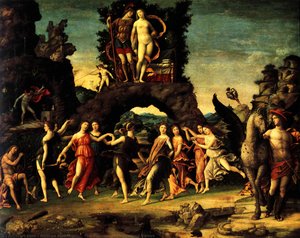
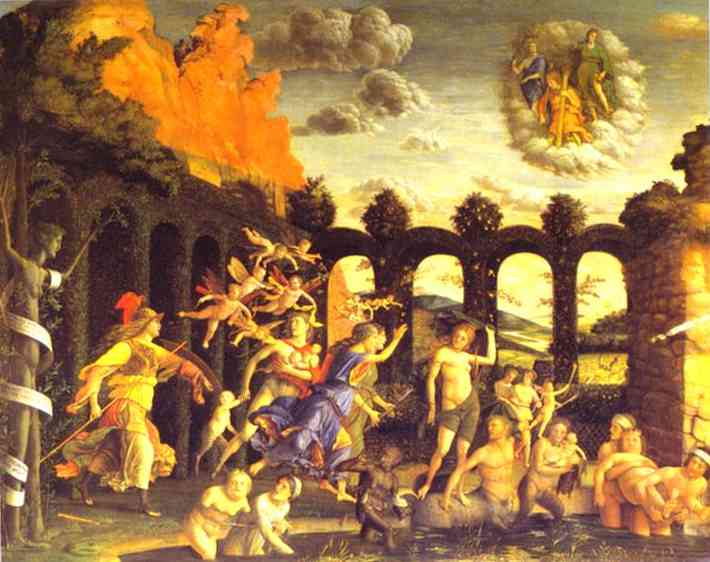
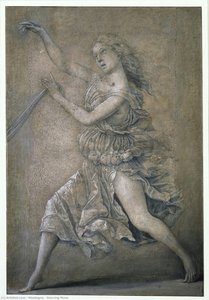
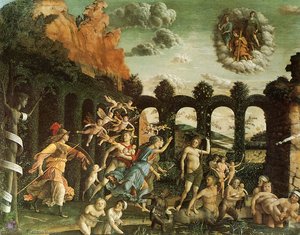
Minerva Chases the Vices from the Garden of Virtue


 Ver más
Giclée / Impresión de arte
Impresiones giclée o en lienzo de calidad de museo con producción rápida y opciones de acabado flexibles. ( Comprar pintura hecha a mano Comprar imagen)




































Elija entre nuestros tamaños predefinidos que respetan las proporciones originales de la obra.

Puede introducir sus propias dimensiones para adaptarse a un marco o espacio específico. Si el tamaño seleccionado no coincide con las proporciones de la imagen original, recortaremos la obra de arte o extenderemos la imagen con un borde con efecto espejo o de color sólido. Se enviará una maqueta digital para su aprobación antes de que comience la producción.
Tenga en cuenta que la vista previa en pantalla no refleja el recorte o la extensión real. Solo la maqueta mostrará con precisión la composición final.
Aunque existen tamaños personalizados, recomendamos seleccionar una dimensión de la lista predefinida para preservar las proporciones originales.
Envío a todo el mundo () en 2 semanas en lugar de las 4/5 semanas estándar. (3 septiembre)

Envío exprés gratuito a todo el mundo

Lienzo de lino de alta calidad

Seguro de envío total

Garantía de reembolso de impuestos aduaneros

Garantía de fidelidad cromática exacta

Política de devolución de 60 días (solo por defectos)

Garantía de devolución del 100% del dinero

Descuento por cantidad
 La opción de vidrio solo está disponible en tamaños inferiores a 110 cm.

Minerva Chases the Vices from the Garden of Virtue
Giclée / Impresión de arte
Dimensiones de la reproducción
-


Precio total final
$ 62
A Celestial Battle of Morality
In the grand tapestry of the Italian Renaissance, few works capture the dramatic tension between light and shadow, virtue and vice, as poignantly as Andrea Mantegna’s Minerva Chases the Vices from the Garden of Virtue. This masterpiece is not merely a painting; it is a profound moral allegory that breathes life into the classical ideals of antiquity. The scene unfolds with an arresting sense of motion, as the Roman goddess Minerva—the embodiment of wisdom and strategic intellect—sweeps through a lush, symbolic landscape. She is on a divine mission to purge the Garden of Virtue of its corrupting influences, driving away grotesque and unsettling figures that represent the various vices of humanity. As the viewer’s eye wanders through the composition, they encounter a dynamic procession where the grace of the virtuous clashes with the chaotic energy of the fallen, creating a visual narrative that is as much a sermon as it is a spectacle.
The emotional impact of the work lies in its ability to evoke both the serenity of order and the visceral discomfort of chaos. One can almost feel the frantic movement of the figures running through the greenery, the suddenness of Minerva’s intervention, and the palpable tension held within the landscape. For the discerning collector or interior designer, this piece offers a sophisticated focal point that commands attention, inviting deep contemplation on the eternal struggle for self-mastery and ethical clarity.
The Mastery of Sculptural Realism
Mantegna’s technique in this work reveals his unparalleled obsession with the archaeological grandeur of ancient Rome. Eschewing the soft, blurred edges found in much of the period's art, Mantegna employs a deliberate, almost metallic precision. His style is characterized by a remarkable sculptural quality; the figures possess a weight and presence that suggest they were carved from marble rather than rendered in pigment. Through the masterful use of linear perspective, he creates an architectural illusion that draws the observer into a deep, believable space, making the garden feel like an extension of our own world.
<The artist’s approach to light and texture is equally extraordinary. Rather than relying solely on traditional chiaroscuro to create volume, Mantegna uses meticulous modeling and careful layering of pigments to achieve a sense of palpable surface. Every element—from the sharp edge of a sword to the delicate feathers of a bird or the weathered texture of a stone—is rendered with an exacting clarity. This precision does not merely showcase technical skill; it reinforces the painting's underlying theme of truth and clarity, mirroring the clarity of mind that Minerva represents.
A Legacy of Humanist Splendor
To understand this painting is to step into the intellectual heart of the late 15th century. Created during a period of fervent humanist revival, the work reflects the deep connection between art and the burgeoning classical scholarship of the era. Commissioned for the private studiolo of the influential Isabella d'Este, the painting served as a visual manifestation of the patron's sophisticated taste and dedication to moral excellence. The symbolism is dense and layered: the presence of animals, specific objects like books and bowls, and the very arrangement of the flora all serve as emblems of a well-ordered soul.
For those looking to bring a piece of history into a contemporary space, a high-quality reproduction of this work offers more than just decoration. It provides an infusion of Renaissance intellect and classical beauty. Whether placed in a grand library, a formal dining room, or a curated gallery space, Mantegna’s triumph serves as a timeless reminder of the enduring power of wisdom to overcome the shadows of human frailty, making it an incomparable treasure for any serious art enthusiast.
Obras relacionadas
Biografía del artista
vida temprana y carrera
Andrea Mantegna, un innovador pintor e estudioso de la arqueología romana italiano, nació en Italia en 1431. Su vida está marcada por una desviación significativa de las formas suaves de su tiempo, favoreciendo un tratamiento audaz y voluminoso del espacio y la forma.contribución a la perspectiva
La obra de Mantegna fue fundamental para explorar la perspectiva, utilizando técnicas como ajustar la línea del horizonte para impartir una escala más grandiosa y gravedad a sus obras. Este enfoque marcó una desviación significativa de las formas suaves de su tiempo, mostrando su estilo único.obras notables y asociaciones
* Las pinturas de Mantegna son reconocidas por su calidad robusta y escultórica, exhibiendo paisajes y figuras duras y reflectantes que revelan su sensibilidad como escultor a la forma y la textura. * Su asociación con la familia Bellini a través del matrimonio es notable, ya que refleja la interconexión de las familias artísticas durante el Renacimiento.legado en la historia del arte
La influencia de Mantegna en el desarrollo del arte en Italia y más allá es innegable. Su enfoque audaz de la perspectiva y la forma ha inspirado a generaciones de artistas. Como se ve en su colección en ArtsDot, sus obras continúan cautivando al público con su grandeza e innovación.- Movimientos artísticos clave: Renacimiento, perspectiva temprana.
- Obras notables: incluyen "El lamento sobre el Cristo muerto" y "San Jorge".
- Museos que exhiben su obra: la Galería Nacional de Londres y la Pinacoteca Brera en Milán, entre otros.
lectura adicional y exploración
* Para más información sobre la vida y las obras de Mantegna, consulte la colección Palumbo-Fossati (Venecia, Italia), que presenta una breve reseña de la colección y sus piezas notables. * Explore la historia del arte en Italia con la cultura de Italia en Wikipedia.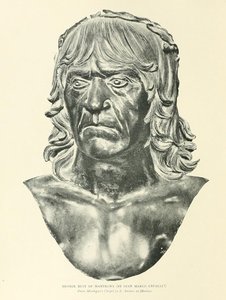
Andrea Mantegna
1431 - 1506 , Italia
Datos clave
- Artistas Influenciados:
- Rafael
- Miguel Ángel
- Artistas Que Influyeron:
- Donatello
- Jacopo Bellini
- Fecha De Muerte: 1506
- Fecha De Nacimiento: 1431
- Lugar De Nacimiento: Carturo, Italia
- Movimiento Artístico: Renacimiento Temprano
- Nacionalidad: Italiana
- Nombre Completo: Andrea Mantegna
- Obras Notables:
- El Lamento sobre el Cristo muerto
- San Jorge y el dragón
- Camera degli Sposi
- Los Triunfos de César
Artículos relacionados

Esculturas de Bronce Legendarias: 10 Obras Maestras que Transformaron el Arte | ArtsDot
Descubre las 10 esculturas de bronce más legendarias que revolucionaron el arte. Explora la historia de Rodin, Degas y otros maestros del bronce. Encuentra reproducciones de alta calidad e inspiración para tu hogar en ArtsDot.com.

The Enduring Allure of Marble in Art History: From Classical Sculpture to Modern Abstraction
Explore the captivating history of marble sculpture from ancient Greece to modern art. Discover renowned artists like Canova & Michelangelo, carving techniques, and investment insights at ArtsDot.

The Enduring Form: Exploring Themes & Techniques in Sculpture Across Historical Periods
Explore the rich history of sculpture from ancient masterpieces to contemporary innovations. Discover key techniques, influential artists & investment potential for discerning art collectors.

Las 10 Obras Maestras de Bronce que Revolucionaron la Historia del Arte | ArtsDot
Descubre las 10 esculturas de bronce más influyentes de la historia del arte. Explora obras maestras de Rodin, Degas y otros genios. Encuentra reproducciones de arte de calidad museo en ArtsDot.com.

The Enduring Form: Sculpture Across History, Technique & Emotional Resonance
Explore the rich history of sculpture with ArtsDot. Discover key techniques, influential artists & investment potential for discerning collectors. Expert insights into valuing and collecting timeless masterpieces.