 Ver en contexto
 Enviar
 Compartir
 Detalles

 Descargar
 Similares
 Radiografía
 Presentación de diapositivas
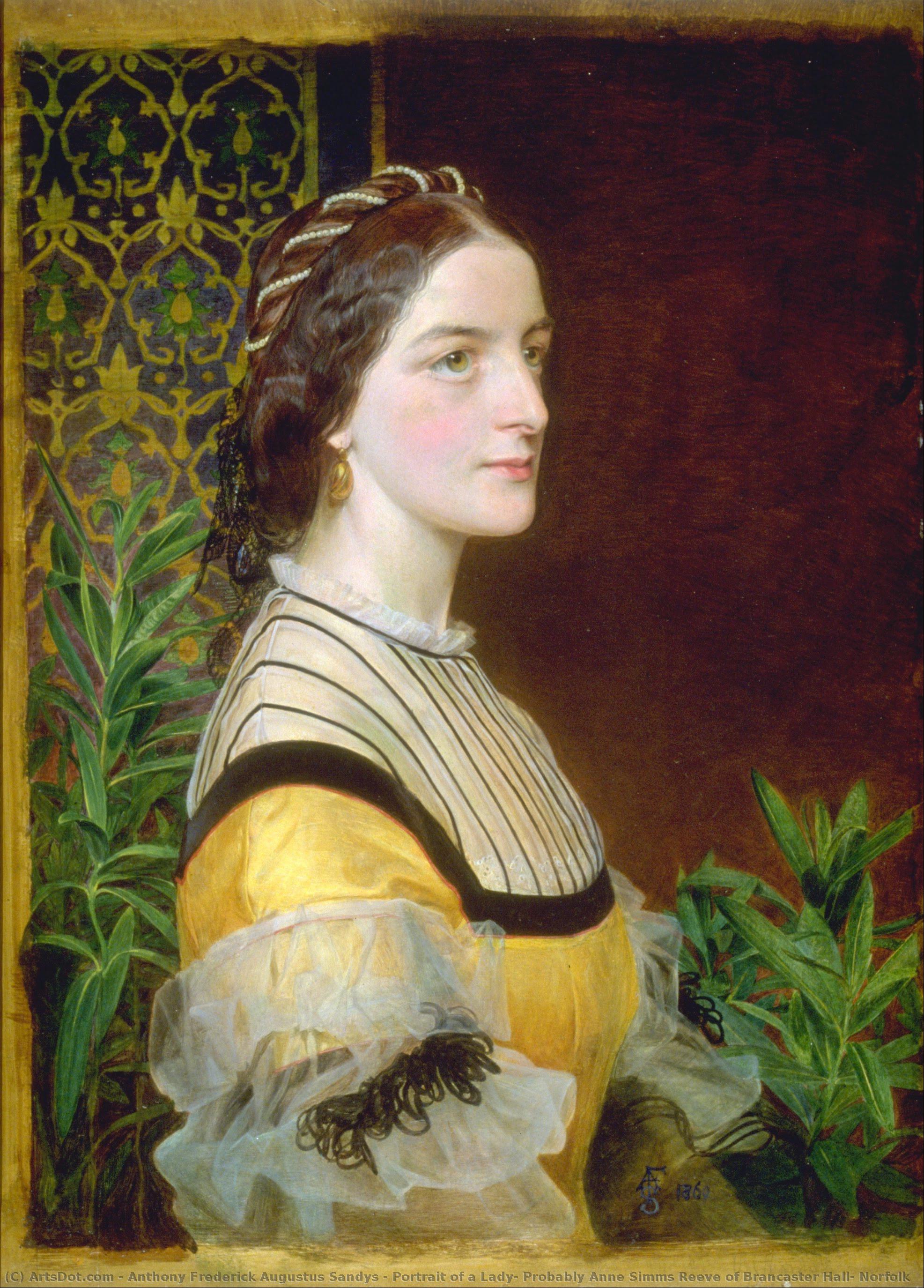
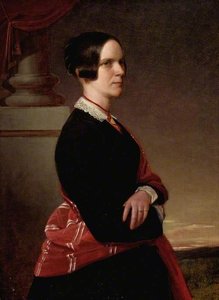
Portrait of a Lady, Probably Anne Simms Reeve of Brancaster Hall, Norfolk
 Acrylic On Canvas
- WallArt
- Pre-Raphaelite Romanticism
 1860
1860- Late Medieval
 Universidad de Míchigan Museo de Arte
 Ver más
Giclée / Impresión de arte
Impresiones giclée o en lienzo de calidad de museo con producción rápida y opciones de acabado flexibles. ( Comprar pintura hecha a mano Comprar imagen)




P118B $10

P118H $10

P118W $10

P438Z $10

P508JH $12

P508YH $12

P805H $10

P805Z $10

P919BZ $10

P919G $10

P919XJ $10

P959ZH $10

P968JZ $12

W106C $8

W218G $10

W218JH $8

W218Y $10

W307PJ $10

W316G $10

W316PJ $8

W316Y $10

W398PJ $8

W4111J $10

W500HY $15

W500JH $15

W692G $12

W849H $8

W940BG $15

W953PJ $8




Elija entre nuestros tamaños predefinidos que respetan las proporciones originales de la obra.

Puede introducir sus propias dimensiones para adaptarse a un marco o espacio específico. Si el tamaño seleccionado no coincide con las proporciones de la imagen original, recortaremos la obra de arte o extenderemos la imagen con un borde con efecto espejo o de color sólido. Se enviará una maqueta digital para su aprobación antes de que comience la producción.
Tenga en cuenta que la vista previa en pantalla no refleja el recorte o la extensión real. Solo la maqueta mostrará con precisión la composición final.
Aunque existen tamaños personalizados, recomendamos seleccionar una dimensión de la lista predefinida para preservar las proporciones originales.
Envío a todo el mundo () en 2 semanas en lugar de las 4/5 semanas estándar. (2 septiembre)

Envío exprés gratuito a todo el mundo

Lienzo de lino de alta calidad

Seguro de envío total

Garantía de reembolso de impuestos aduaneros

Garantía de fidelidad cromática exacta

Política de devolución de 60 días (solo por defectos)

Garantía de devolución del 100% del dinero

Descuento por cantidad
 La opción de vidrio solo está disponible en tamaños inferiores a 110 cm.

Portrait of a Lady, Probably Anne Simms Reeve of Brancaster Hall, Norfolk
Giclée / Impresión de arte
Dimensiones de la reproducción
-


Precio total final
$ 62
The Enigmatic Beauty: Unveiling Sandys’s “Portrait of a Lady”
Anthony Frederick Augustus Sandys's "Portrait of a Lady, Probably Anne Simms Reeve of Brancaster Hall, Norfolk," painted in 1860, is more than just a likeness; it’s a shimmering window into the Victorian era’s fascination with Pre-Raphaelite ideals and the romanticization of female beauty. The painting immediately draws the eye to its subject – a woman radiating quiet dignity and an almost ethereal grace. Her long hair, cascading down her shoulders, is rendered with meticulous detail, hinting at both wealth and a certain melancholic introspection. The yellow gown, rich in texture and subtly patterned, speaks volumes about her social standing, while the delicate crown perched upon her head suggests a connection to nobility or perhaps even an idealized vision of womanhood.
However, it’s not merely the subject's appearance that captivates. Sandys masterfully employs light and shadow – a hallmark of the Pre-Raphaelite movement – to create a sense of depth and atmosphere. The soft glow illuminating her face contrasts sharply with the darker background, drawing attention to her features and imbuing the portrait with an intimate quality. The potted plant in her hands isn’t merely decorative; it subtly introduces themes of fertility, growth, and connection to nature – recurring motifs within Pre-Raphaelite symbolism.
A Master of Detail: Sandys's Technique and Artistic Influences
Sandys was a highly skilled draughtsman, and this is evident in every brushstroke. His meticulous attention to detail—from the intricate folds of the dress to the delicate rendering of her jewelry—demonstrates a profound respect for his subject and an unwavering commitment to realism. Yet, he transcends mere representation; he imbues the portrait with a dreamlike quality, characteristic of the Pre-Raphaelite style. The painting’s palette is restrained yet luminous, dominated by warm yellows, greens, and reds, creating a harmonious and visually arresting composition.
Sandys's artistic journey was deeply influenced by his contemporaries, particularly Dante Gabriel Rossetti and William Holman Hunt. He absorbed their fascination with medieval legends, mythology, and the beauty of nature, translating these influences into his own distinctive style. The influence of Albrecht Dürer is also palpable in Sandys’s precise rendering of form and detail, a testament to his rigorous training and artistic discipline.
Norfolk's Legacy: Contextualizing the Portrait
To fully appreciate “Portrait of a Lady,” it’s crucial to understand its historical context. Norfolk, in 1860, was a county steeped in tradition and agricultural prosperity, yet also grappling with social change. The subject, Anne Simms Reeve of Brancaster Hall, belonged to the landed gentry – a powerful and influential class within Victorian society. The portrait likely served as both a commemoration of her beauty and a symbol of her family’s status and legacy.
Furthermore, the painting reflects the broader cultural anxieties of the era—a fascination with idealized femininity, a yearning for a simpler past, and a growing interest in the natural world. The Pre-Raphaelites sought to reject the artificiality of academic art and return to the perceived purity and sincerity of the early Renaissance masters, creating works that were both visually stunning and emotionally resonant.
A Timeless Beauty: Symbolism and Emotional Resonance
Beyond its technical brilliance, “Portrait of a Lady” possesses a profound emotional depth. The woman’s gaze—direct and engaging— invites the viewer to connect with her on a personal level. There's an air of quiet contemplation about her, suggesting a complex inner life beyond the confines of societal expectations. The inclusion of the plant in her hands reinforces this sense of connection to nature and hints at themes of growth, renewal, and perhaps even vulnerability.
Sandys’s masterpiece remains a powerful testament to the enduring appeal of Pre-Raphaelite art—a celebration of beauty, symbolism, and the human spirit. Reproductions capture much of this essence, offering a window into a bygone era and inviting us to contemplate the timeless mysteries of portraiture.
Obras relacionadas
Biografía del artista
Anthony Frederick Augustus Sandys: Un Visionario Prerrafaelita
- Nacido: Norwich, Reino Unido (1829)
- Fallecido: 1904
- Movimientos Asociados: Prerrafaelitismo, Escuela de Norwich
Primeros Años y Formación Artística
- Sandys nació en Norwich, Inglaterra, dentro de una familia artística. Su padre, Anthony Sands, le proporcionó las primeras lecciones de arte.
- Asistió a la Escuela de Diseño de Norwich en 1846, recibiendo formación formal en dibujo y diseño. Esta escuela enfatizaba un retorno a la observación detallada y la artesanía, lo que influyó en su estilo posterior.
- El reconocimiento temprano llegó a través de medallas de la Royal Society of Arts en 1846 y 1847, demostrando una promesa temprana.
Desarrollo Artístico y Afiliaciones Prerrafaelitas
- Sandys se mudó a Londres en 1851 y comenzó a exponer en la Royal Academy.
- Su asociación con los prerrafaelitas se solidificó en la década de 1860, particularmente a través de su amistad con Dante Gabriel Rossetti. Vivió con Rossetti durante un tiempo, profundamente influenciado por su visión artística.
- La Pesadilla (1857), una litografía satírica que parodia a John Everett Millais y al crítico John Ruskin, le valió una atención significativa e introdujo a Sandys en el círculo prerrafaelita. Este trabajo demostró su habilidad en el dibujo y su disposición para interactuar con la crítica de arte contemporánea.
- Su estilo se caracterizaba por meticulosos detalles, colores vibrantes y un enfoque en temas mitológicos y literarios, señas distintivas del movimiento prerrafaelita.
Obras Principales y Temas
- María Magdalena (Delaware Art Museum): Una conmovedora representación de María Magdalena, que demuestra su habilidad para representar la profundidad emocional y los temas religiosos.
- Morgan le Fay (Birmingham Museum & Art Gallery): Una cautivadora descripción de la hechicera artúrica, que muestra su capacidad para crear figuras femeninas convincentes con un sentido de misterio y poder.
- Grace Rose (Yale Center for British Art): Un retrato que refleja los ideales victorianos de belleza y gracia.
- Otoño: Una pintura al óleo que representa a una familia disfrutando de la belleza de la naturaleza, destacando su habilidad para capturar escenas cotidianas con detalle prerrafaelita.
- Los temas recurrentes incluyen mitología, leyendas artúricas, retratos de mujeres (a menudo con una cualidad melancólica o enigmática) y representaciones de la belleza natural.
Vida Posterior, Desafíos y Legado
- Sandys enfrentó desafíos personales más adelante en su vida, incluidas dificultades financieras y períodos de bancarrota.
- Tuvo una vida familiar compleja, con numerosos hijos de relaciones con Mary Emma Jones (Miss Clive).
- A pesar de estas adversidades, continuó pintando y dibujando a lo largo de su carrera.
- Su hermana menor, Emma Sandys, también fue artista, lo que demuestra la influencia artística dentro de su familia.
- El legado de Sandys radica en sus contribuciones al movimiento prerrafaelita, particularmente su excepcional dominio del dibujo y su capacidad para crear representaciones evocadoras de temas mitológicos y literarios. Sus obras ahora son reconocidas por su belleza, habilidad técnica y visión de la estética victoriana.
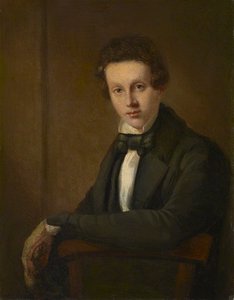
Anthony Frederick Augustus Sandys
1829 - 1904 , Reino Unido
Datos clave
- Artistas Que Influyeron:
- Albrecht Dürer
- Ambrosius Holbein
- Alfred Rethel
- Fecha De Fallecimiento: 1904-06-25
- Fecha De Nacimiento: 1829-05-01
- Lugar De Nacimiento: Norwich, Reino Unido
- Movimiento Artístico: Prerrafaelismo
- Nacionalidad: Británico
- Nombre Completo: Anthony Frederick Augustus Sandys
- Obras Notables:
- María Magdalena
- Morgan le Fay
- Grace Rose
- Medea
- La Hija del Rey Pelle
- Autumn
Artículos relacionados
Dante Gabriel Rossetti: Las 25 Obras Maestras del Prerrafaelismo | ArtsDot
Descubre las 25 obras maestras de Dante Gabriel Rossetti, el máximo exponente del Prerrafaelismo. Explora su simbolismo, retratos victorianos y la belleza femenina en lienzos inolvidables. Reproducciones de arte exclusivas en ArtsDot.com.

Anthony Frederick Sandys: Pre-Raphaelite Vision & Victorian Aesthetic Exploration
Discover the captivating Pre-Raphaelite world of Anthony Frederick Sandys (1829-1904). Explore his mythological scenes, portraits & Victorian artistry. Learn about his influences and lasting legacy.
Sir John Everett Millais: Pre-Raphaelite Rebellion & Victorian Narrative Detail
Explore the revolutionary art of Sir John Everett Millais & the Pre-Raphaelite Brotherhood. Discover their radical realism, symbolic narratives, and lasting impact on Victorian aesthetics. A deep dive into 19th-century masterpieces.
John Collier: Pre-Raphaelite Realism & Victorian Psychological Portraiture
Explore the captivating world of John Collier, a leading Pre-Raphaelite painter renowned for his psychologically insightful Victorian portraits. Discover his masterpieces and lasting artistic legacy.
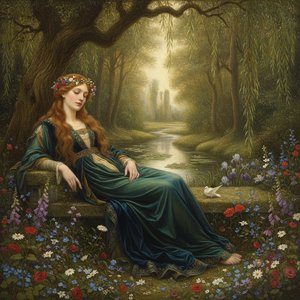
Escape into Beauty: A Curated Guide to the Dreamy World of Pre-Raphaelite Romanticism
Embark on a visual journey through Pre-Raphaelite Romanticism. Discover the vivid details, mythic narratives, and luminous colors of this iconic era, and learn how to bring this timeless, dreamy beauty into your home with museum-quality art reproductions.