

 Compartir
 Compartir
 Ver detalles

 Descargar
 Ver similares
 Presentación de diapositivas
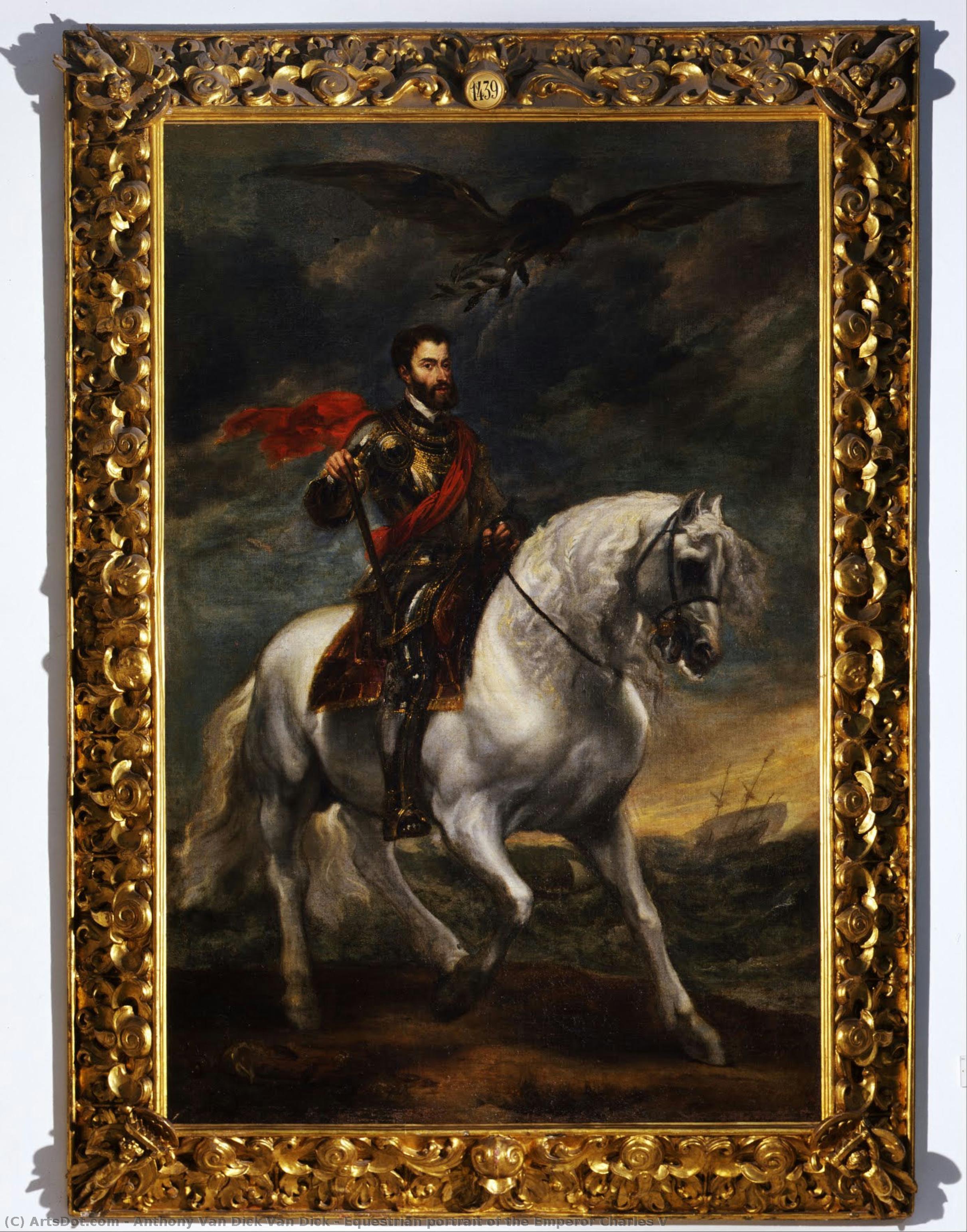
Equestrian portrait of the Emperor Charles V
 Giclée Print
- Digital
- Baroque
 1620
1620 123.0 x 191.0 cm
 Galería de los Uffizi
 Leer más
Adquiera una imagen digital de alta resolución y optimizada, muy superior a la vista previa en línea.
Cada archivo es preparado meticulosamente por nuestros especialistas internos mediante el uso de herramientas avanzadas y un experto retoque manual. Nos aseguramos de que cada imagen posea una claridad excepcional, una precisión cromática impecable y un detalle minucioso.
El archivo final se entrega por correo electrónico en un plazo de 72 horas, optimizado para su uso inmediato en entornos profesionales, editoriales y de impresión. Esta es la misma calidad en la que confían los estudios de diseño, las editoriales y las galerías de primer nivel.
Imagen Digital
Descarga un archivo de alta resolución para exhibición personal, impresión y proyectos creativos. ( Pedir impresión Encargar reproducción pintada a mano)
Incluido en cada compra de imágenes digitales
Entrega digital experta, garantizada.
Al elegir ArtsDot.com, no solo está adquiriendo una imagen; está recibiendo una obra de arte digital mejorada profesionalmente, elaborada con precisión y respaldada por una garantía de satisfacción. Esto es todo lo que incluye su pedido, automáticamente:

Entrega rápida por email
Recibirá su archivo de imagen digital en alta resolución por correo electrónico en un plazo de 72 horas tras realizar su pedido, listo para su uso inmediato.

Archivo digital optimizado por IA
Su obra de arte se optimiza profesionalmente mediante herramientas avanzadas de IA y edición manual, garantizando el máximo detalle, claridad y precisión cromática.

Reenvío gratuito de por vida
¿Has borrado o perdido tu archivo por error? No te preocupes: te lo volveremos a enviar en cualquier momento, sin coste adicional.

Sin gastos de importación, siempre
Disfrute de su obra de arte al instante sin aduanas, aranceles ni gastos de envío; las descargas digitales siempre están libres de impuestos.

Garantía de precisión de color
Garantizamos que su imagen digital refleje los colores originales con la mayor fidelidad posible, mediante el uso de herramientas profesionales y gestión del color.

Garantía de satisfacción de 60 días
Si no está satisfecho con su imagen digital, la revisaremos o le reembolsaremos el 100% en un plazo de 60 días, sin preguntas.

100% Garantía de devolución de dinero
¿No está satisfecho? Obtenga un reembolso completo dentro de los 60 días posteriores a la recepción de su archivo digital, sin necesidad de explicaciones.

Descuentos por volumen
Compra 3 imágenes, ahorra 10% - Compra 5, ahorra 15% - Compra 10+, ahorra 20%. Ideal para proyectos creativos, galerías y agencias.
Descripción del coleccionable
A Regal Vision: Unveiling Anthony van Dyck’s Equestrian Portrait of Charles V
The year is 1620. The setting, a meticulously rendered landscape hinting at the vastness of the English kingdom – and beyond. Before us stands an arresting image: Anthony van Dyck's ‘Equestrian Portrait of the Emperor Charles V,’ a painting that transcends mere portraiture to become a potent symbol of power, authority, and the enduring legacy of the Habsburg dynasty. Initially attributed to Rubens, this masterpiece now firmly resides within the Uffizi collection in Florence, offering a rare glimpse into the artistic sensibilities of one of Europe’s most celebrated Baroque painters.
Van Dyck, born in Antwerp in 1599, possessed an extraordinary ability to capture not just likeness but also character and emotion. His early training under Hendrick van Balen laid the foundation for his later mastery, yet it was his encounter with Peter Paul Rubens that truly shaped his artistic trajectory. This influence is readily apparent in the painting’s dynamic composition, rich color palette, and masterful use of light – elements characteristic of both artists. However, Van Dyck swiftly established a distinct style, one defined by an unparalleled elegance and a remarkable sensitivity to detail, particularly when depicting human figures.
The Anatomy of Power: Composition and Technique
The painting’s composition is immediately striking. Charles V, clad in gleaming armor that reflects the light with dazzling intensity, dominates the scene. He sits atop a magnificent white horse, its musculature rendered with breathtaking realism – a testament to Van Dyck's meticulous observation of nature. The horse isn’t merely a mount; it’s an extension of the Emperor’s power, embodying strength and control. Notice how the horse’s stance is deliberately restrained, mirroring the controlled demeanor of the rider. A servant dutifully presents him with a helmet, completing the image of a sovereign ready to command.
Van Dyck's technique is equally impressive. He employs a loose, almost impressionistic brushstroke – a departure from the more rigid conventions of earlier portraiture – creating a sense of movement and vitality. The layering of colors, particularly in the armor and the horse’s coat, demonstrates his mastery of chiaroscuro, the dramatic use of light and shadow to create depth and volume. The subtle gradations of tone contribute significantly to the painting's overall atmosphere of grandeur and majesty.
Symbolism and Historical Context
Beyond its aesthetic qualities, ‘Equestrian Portrait of Charles V’ is laden with symbolism. The red flag held aloft by the servant signifies victory – a reference to Charles’s triumph at the Battle of Mühlberg in 1547. The Latin inscription on the tablet further reinforces this message, proclaiming “Charles I, King of Great Britain.” This portrait wasn't simply a likeness; it was a carefully constructed statement about imperial authority and the burgeoning power of England.
Interestingly, the painting’s origins are somewhat shrouded in mystery. Initially attributed to Rubens, its attribution to Van Dyck gained traction in the 18th century. The work's relatively mediocre state of conservation – a slight weakness in the painting’s execution – has been speculated upon as potentially stemming from the lack of a live model during its creation, or perhaps simply reflecting the challenges inherent in capturing such a dynamic subject on canvas at that early stage of artistic production. It was likely commissioned for a descendant of the emperor, solidifying its place within the Medici family's esteemed collection.
A Legacy of Elegance: Van Dyck’s Enduring Influence
‘Equestrian Portrait of the Emperor Charles V’ stands as a pivotal work in the history of portraiture. Van Dyck’s innovative approach, characterized by its effortless elegance and psychological depth, profoundly influenced English portraitists for over a century. His ability to capture not just physical appearance but also the inner character of his subjects established a new standard for the genre, shaping the course of art for generations to come. The painting's enduring appeal lies in its masterful blend of technical skill, symbolic richness, and emotional resonance – a testament to Van Dyck’s genius as one of the greatest artists of the Baroque era.
Obras relacionadas
Biografía del artista
**early life and training**
anthony van dyck, a prominent figure in the flemish baroque school, was born on march 22, 1599, in antwerp, belgium. his artistic talent emerged at an early age, leading him to study painting with hendrick van balen from 1609, and later becoming an independent painter around 1615.**influences and notable works**
van dyck's work was heavily influenced by peter paul rubens, a renowned artist of the time. this is evident in his numerous portraits of english nobility and royalty, including king charles i and his family. one of his most notable works is the 'equestrian portrait of the emperor charles v', painted in 1620.**artistic style and legacy**
van dyck's portraits are characterized by an effortless elegance, which significantly influenced english portraitists for over a century. his mastery of light and shadow, as seen in his works, showcases his exceptional skill as a painter. apart from portraits, van dyck also created religious and mythological subjects, demonstrating his versatility.**museums featuring van dyck's works**
- musée des beaux-arts tournai, belgium - features an impressive collection of artworks, including those by van dyck.
- musées royaux des beaux-arts, brussels, belgium - houses over 20,000 drawings, sculptures, and paintings, covering a period from the early 15th century to the present.
- rockox house, antwerp, belgium - a museum showcasing the life and art collection of nicolaas rockox, featuring works by van dyck among others.
**view van dyck's artworks on ArtsDot.com**
- discover anthony van dyck's artworks on ArtsDot.com
- explore the masterpieces of musée des beaux-arts tournai, featuring van dyck's works
- learn about the masterpieces of musées royaux des beaux-arts, including van dyck's portraits
**van dyck's enduring legacy**
anthony van dyck's influence on english portraitists is undeniable, with his elegant and effortless style continuing to inspire artists. his works, featured in various museums across belgium, are a testament to his enduring legacy in the world of art.**references**
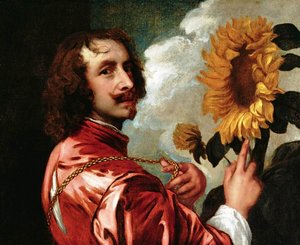
Anthony Van Dyck
1599 - 1641 , Bélgica
Datos clave
- Artistic Movement Or Style: Barroco, Tenebrismo
- Artists Or Movements Influenced By This Artist:
- Realismo
- Impresionismo
- Artists Who Influenced This Artist:
- Caravaggio
- Pintura veneciana
- Date Of Birth: 6 de junio de 1599
- Date Of Death: 6 de agosto de 1660
- Full Name: Diego Rodríguez de Silva y Velázquez
- Nationality: Española
- Notable Artworks:
- Las Meninas
- Felipe IV (1605–1665)
- Venus de su tocador
- Place Of Birth: Sevilla, España

