

 Compartir
 Compartir
 Ver detalles

 Descargar
 Ver similares
 Presentación de diapositivas
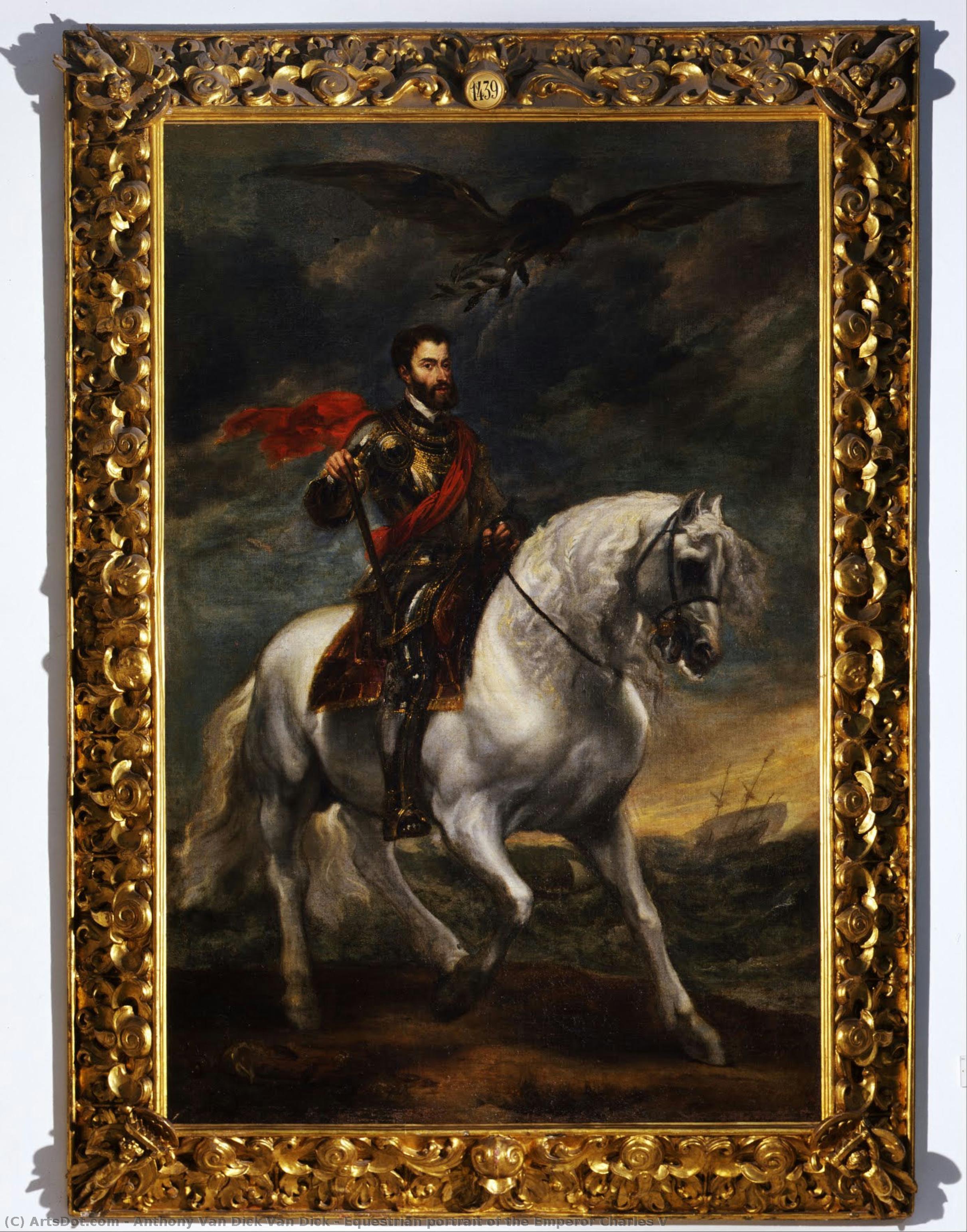
Equestrian portrait of the Emperor Charles V
 Giclée Print
- Digital
- Baroque
 1620
1620 123.0 x 191.0 cm
 Galería de los Uffizi
 Leer más
Giclée / Impresión de arte
Impresiones giclée o en lienzo de calidad de museo con producción rápida y opciones de acabado flexibles. ( Encargar reproducción pintada a mano Comprar descarga)




































Elija entre nuestros tamaños predefinidos que respetan las proporciones originales de la obra.

Puede introducir sus propias dimensiones para adaptarse a un marco o espacio específico. Si el tamaño seleccionado no coincide con las proporciones de la imagen original, recortaremos la obra de arte o extenderemos la imagen con un borde con efecto espejo o de color sólido. Se enviará una maqueta digital para su aprobación antes de que comience la producción.
Tenga en cuenta que la vista previa en pantalla no refleja el recorte o la extensión real. Solo la maqueta mostrará con precisión la composición final.
Aunque existen tamaños personalizados, recomendamos seleccionar una dimensión de la lista predefinida para preservar las proporciones originales.
Envío a todo el mundo () en 2 semanas en lugar de las 4/5 semanas estándar. (22 agosto)

Envío exprés gratuito a todo el mundo

Lienzo de lino de alta calidad

Seguro de envío completo

Garantía de reembolso de aranceles aduaneros

Garantía de fidelidad cromática exacta

Política de devolución de 60 días (solo por defectos)

Garantía de devolución del 100% del dinero

Oferta por volumen
 La opción de vidrio solo está disponible en tamaños inferiores a 110 cm.

Equestrian portrait of the Emperor Charles V
Giclée / Impresión de arte
Tamaño de la reproducción
-


Precio total
$ 62
Descripción de la pieza
A Regal Vision: Unveiling Anthony van Dyck’s Equestrian Portrait of Charles V
The year is 1620. The setting, a meticulously rendered landscape hinting at the vastness of the English kingdom – and beyond. Before us stands an arresting image: Anthony van Dyck's ‘Equestrian Portrait of the Emperor Charles V,’ a painting that transcends mere portraiture to become a potent symbol of power, authority, and the enduring legacy of the Habsburg dynasty. Initially attributed to Rubens, this masterpiece now firmly resides within the Uffizi collection in Florence, offering a rare glimpse into the artistic sensibilities of one of Europe’s most celebrated Baroque painters.
Van Dyck, born in Antwerp in 1599, possessed an extraordinary ability to capture not just likeness but also character and emotion. His early training under Hendrick van Balen laid the foundation for his later mastery, yet it was his encounter with Peter Paul Rubens that truly shaped his artistic trajectory. This influence is readily apparent in the painting’s dynamic composition, rich color palette, and masterful use of light – elements characteristic of both artists. However, Van Dyck swiftly established a distinct style, one defined by an unparalleled elegance and a remarkable sensitivity to detail, particularly when depicting human figures.
The Anatomy of Power: Composition and Technique
The painting’s composition is immediately striking. Charles V, clad in gleaming armor that reflects the light with dazzling intensity, dominates the scene. He sits atop a magnificent white horse, its musculature rendered with breathtaking realism – a testament to Van Dyck's meticulous observation of nature. The horse isn’t merely a mount; it’s an extension of the Emperor’s power, embodying strength and control. Notice how the horse’s stance is deliberately restrained, mirroring the controlled demeanor of the rider. A servant dutifully presents him with a helmet, completing the image of a sovereign ready to command.
Van Dyck's technique is equally impressive. He employs a loose, almost impressionistic brushstroke – a departure from the more rigid conventions of earlier portraiture – creating a sense of movement and vitality. The layering of colors, particularly in the armor and the horse’s coat, demonstrates his mastery of chiaroscuro, the dramatic use of light and shadow to create depth and volume. The subtle gradations of tone contribute significantly to the painting's overall atmosphere of grandeur and majesty.
Symbolism and Historical Context
Beyond its aesthetic qualities, ‘Equestrian Portrait of Charles V’ is laden with symbolism. The red flag held aloft by the servant signifies victory – a reference to Charles’s triumph at the Battle of Mühlberg in 1547. The Latin inscription on the tablet further reinforces this message, proclaiming “Charles I, King of Great Britain.” This portrait wasn't simply a likeness; it was a carefully constructed statement about imperial authority and the burgeoning power of England.
Interestingly, the painting’s origins are somewhat shrouded in mystery. Initially attributed to Rubens, its attribution to Van Dyck gained traction in the 18th century. The work's relatively mediocre state of conservation – a slight weakness in the painting’s execution – has been speculated upon as potentially stemming from the lack of a live model during its creation, or perhaps simply reflecting the challenges inherent in capturing such a dynamic subject on canvas at that early stage of artistic production. It was likely commissioned for a descendant of the emperor, solidifying its place within the Medici family's esteemed collection.
A Legacy of Elegance: Van Dyck’s Enduring Influence
‘Equestrian Portrait of the Emperor Charles V’ stands as a pivotal work in the history of portraiture. Van Dyck’s innovative approach, characterized by its effortless elegance and psychological depth, profoundly influenced English portraitists for over a century. His ability to capture not just physical appearance but also the inner character of his subjects established a new standard for the genre, shaping the course of art for generations to come. The painting's enduring appeal lies in its masterful blend of technical skill, symbolic richness, and emotional resonance – a testament to Van Dyck’s genius as one of the greatest artists of the Baroque era.
Obras relacionadas
Artículos relacionados
Sir Anthony van Dyck: Courtly Portraiture & the Shaping of Baroque Identity
Explore the life & legacy of Sir Anthony van Dyck, the leading court painter of his era. Discover his innovative portraiture, Baroque masterpieces, and investment potential for discerning collectors. Learn more at ArtsDot.
Charles-André van Loo: A Study in Rococo Portraiture & the French Court's Artistic Dynamics
Explore the elegant world of Charles-André van Loo, a master of Rococo portraiture at the French court. Discover his life, techniques, and enduring influence on 18th-century art. Hand-painted reproductions available.
The Grandeur of Baroque Portraiture: Power, Emotion & Artistic Innovation
Explore the grandeur of Baroque portraiture! Discover Rubens, Van Dyck & the masters of 17th-century art. Uncover symbolism, techniques & lasting influence. Expert insights for collectors and enthusiasts.

Rembrandt van Rijn: Las 25 Obras Maestras que Definen un Genio | Arte, Historia y Decoración
Descubre las 25 obras maestras de Rembrandt van Rijn, el genio del barroco holandés. Explora su historia, técnica y simbolismo en retratos icónicos como 'La Ronda Nocturna'. Encuentra reproducciones de arte exclusivas para decorar tu hogar con ArtsDot.com.

Los 10 Maestros del Barroco Holandés: Obras que Definen una Época | ArtsDot
Descubre los 10 imprescindibles del Barroco holandés: Rembrandt, Vermeer y más. Explora la historia, técnica y belleza de estas obras maestras. Reproducciones de arte en ArtsDot.com para decorar tu hogar con elegancia.

