 Ver en contexto
 Enviar
 Compartir
 Detalles

 Descargar
 Similares
 Radiografía
 Presentación de diapositivas
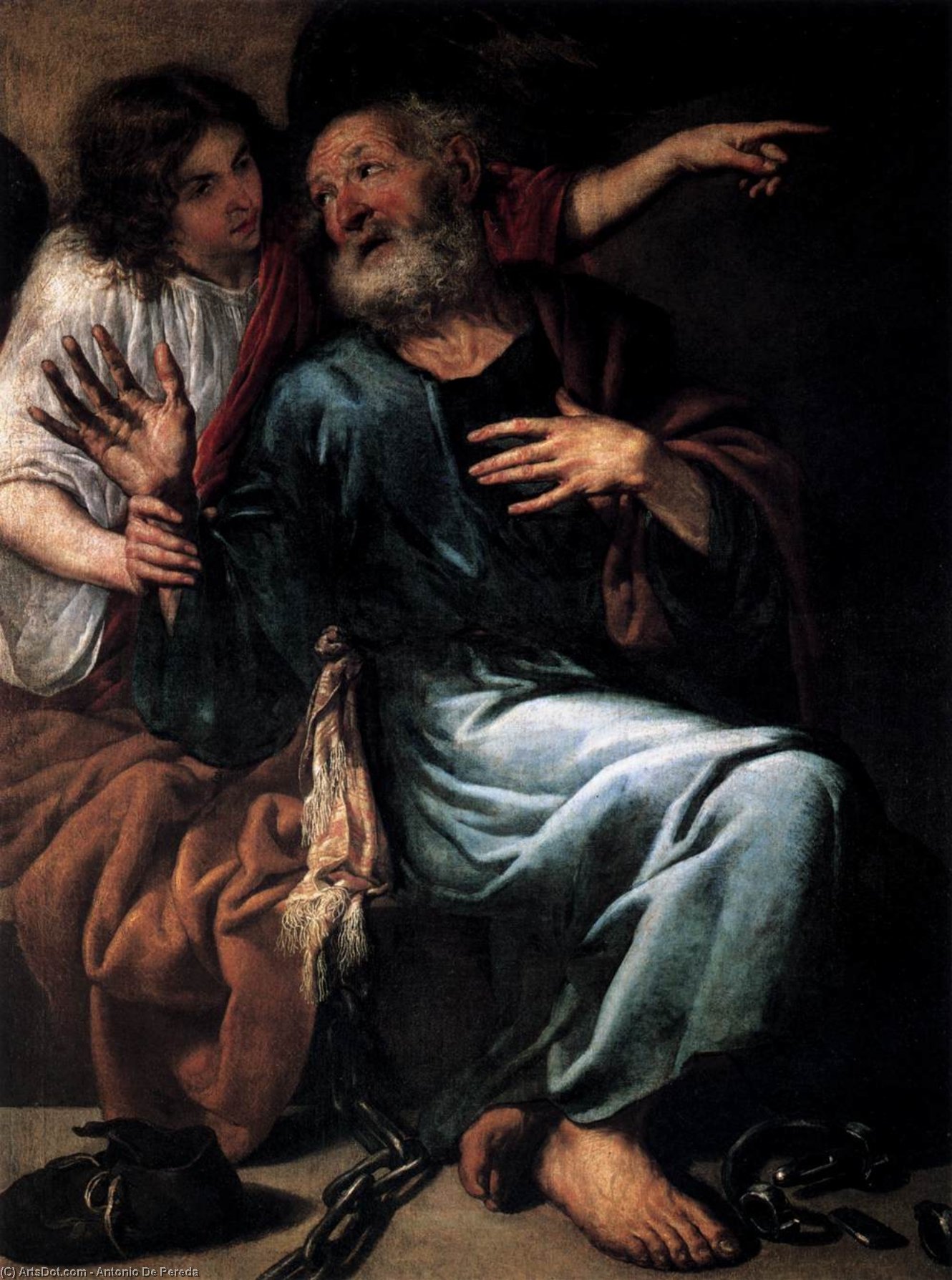
The Liberation of St Peter by an Angel
 Acrylic On Canvas
- WallArt
- Spanish Baroque
 1643
1643 145.0 x 110.0 cm
 Museo del Prado
 Ver más
Reproducción al óleo hecha a mano
Óleo sobre lienzo pintado a mano en el tamaño y marco de su elección, realizado por encargo por nuestros artistas. ( Comprar impresión Comprar imagen)




P118B $10

P118H $10

P118W $10

P438Z $10

P508JH $12

P508YH $12

P805H $10

P805Z $10

P919BZ $10

P919G $10

P919XJ $10

P959ZH $10

P968JZ $12

W106C $8

W218G $10

W218JH $8

W218Y $10

W307PJ $10

W316G $10

W316PJ $8

W316Y $10

W398PJ $8

W4111J $10

W500HY $15

W500JH $15

W692G $12

W849H $8

W940BG $15

W953PJ $8




Elija entre nuestros tamaños predefinidos que respetan las proporciones originales de la obra.

Puede ingresar sus propias dimensiones para adaptarse a un marco o espacio específico. Si el tamaño seleccionado no coincide con las proporciones de la imagen original, recortaremos la obra o extenderemos la pintura con elementos adicionales pintados a mano. Se le enviará una maqueta digital para su aprobación antes de comenzar la producción.
Tenga en cuenta que la vista previa en pantalla no refleja el recorte o la extensión reales. Solo la maqueta mostrará con precisión la composición final.
Si bien existen tamaños personalizados, recomendamos seleccionar una dimensión de la lista predefinida para preservar las proporciones originales.
Tras realizar el pedido, el equipo de ArtsDot.com enviará un correo electrónico al cliente para solicitar instrucciones y proporcionarle una vista previa del boceto.
Envío a todo el mundo () en 3-4 semanas en lugar de las 5 semanas estándar. (27 agosto). Sin comprometer la calidad.

Envío exprés gratuito a todo el mundo

Lienzo de lino de alta calidad

Seguro de envío total

Garantía de reembolso de impuestos aduaneros

Garantía de fidelidad cromática exacta

Política de devolución de 60 días (solo por defectos)

Garantía de devolución del 100% del dinero

Descuento por cantidad
 La opción de vidrio solo está disponible en tamaños inferiores a 110 cm.

The Liberation of St Peter by an Angel
Técnica de reproducción
Dimensiones de la reproducción
-


Precio total final
$ 263
Descripción de la obra
The Liberation of St Peter by an Angel – A Baroque Drama of Faith and Freedom
Antonio de Pereda’s “The Liberation of St Peter by an Angel,” painted in 1643, is more than a religious scene; it's a dynamic tableau brimming with dramatic tension and profound spiritual significance. This captivating work, measuring 145 x 110 cm, transports the viewer into a pivotal moment from the life of Saint Peter – his miraculous release from imprisonment – rendered in the vibrant, emotionally charged style characteristic of Spanish Baroque painting. Pereda masterfully employs tenebrism, a technique popularized by Caravaggio, to sculpt light and shadow, drawing our attention to key figures and amplifying the scene’s inherent drama.
The composition immediately commands attention. At its heart stands Peter, depicted as a man of considerable age yet radiating an aura of resolute faith. He gestures emphatically towards an unseen tormentor, his posture conveying both vulnerability and unwavering conviction. To his left, a woman embodies supplication, her hands raised in fervent prayer – a poignant representation of the human yearning for deliverance. On the right, another figure, partially obscured, adds to the sense of urgency and struggle. The backdrop is dominated by two radiant angels, their wings outstretched, symbolizing divine intervention and the promise of salvation. The presence of several chains scattered throughout the scene powerfully underscores Peter’s recent confinement, emphasizing the magnitude of his liberation.
A Window into 17th-Century Spain
Pereda's work is firmly rooted in the artistic landscape of 17th-century Spain, a period marked by intense religious fervor and a flourishing of Baroque art. Following the expulsion of the Moors from Granada in 1492, Spain experienced a surge in Catholic piety and patronage, fueling an explosion of artistic production dedicated to religious themes. Pereda’s painting reflects this cultural climate, aligning with the prevailing aesthetic values of the era – dramatic intensity, emotional realism, and a deep engagement with biblical narratives. His work also demonstrates influence from earlier masters like Jacopo di Cione, as evidenced by the predella panel style and the depiction of a miraculous event.
Interestingly, Pereda’s career was significantly shaped by his association with Giovanni Battista Crescenzi, a prominent court painter whose death in 1635 abruptly altered Pereda's trajectory. Initially favored at the Spanish court, Pereda found himself exiled after Crescenzi’s passing. This period of adversity undoubtedly informed the intensity and emotional depth evident in works like “The Liberation of St Peter,” suggesting a personal resonance with themes of struggle and redemption.
Symbolism and Spiritual Resonance
Beyond its narrative clarity, "The Liberation of St Peter" is rich in symbolic meaning. The chains represent not only physical imprisonment but also the bonds of sin and earthly constraints. The angel’s intervention signifies divine grace and the triumph of faith over adversity. The cup in the lower-left corner could symbolize the chalice of salvation or a reminder of Christ's sacrifice, further enriching the painting’s spiritual dimension. The figures themselves embody universal human experiences – hope, despair, prayer, and unwavering belief.
Furthermore, the scene speaks to the broader theological concept of martyrdom and the enduring power of faith in the face of persecution. Peter’s liberation is not merely a miraculous event; it's a testament to God’s unwavering protection and the promise of eternal life for those who remain steadfast in their devotion.
A Masterpiece for the Collector
Reproductions of “The Liberation of St Peter by an Angel” offer a remarkable opportunity to bring this compelling Baroque masterpiece into any interior space. The dramatic lighting, dynamic composition, and profound emotional depth create a focal point that will captivate viewers and evoke a sense of awe and reverence. Whether adorning a grand salon or a more intimate setting, this painting’s timeless themes and exquisite artistry ensure its enduring appeal for art lovers and collectors alike.
Obras relacionadas

Biografía del artista
Antonio de Pereda: Un Maestro del Barroco Español
Antonio de Pereda y Salgado (1611 – 1678) fue un destacado pintor español de la época barroca, celebrado principalmente por sus exquisitas bodegones. Nacido en Valladolid, España, surgió como una figura significativa dentro de la escuela de pintura de Madrid.
Vida Temprana y Familia Artística
Pereda provenía de una familia profundamente artística; su padre, madre y dos hermanos eran todos pintores. Este entorno familiar sin duda fomentó su temprano interés y desarrollo en el arte. Recibió su formación inicial en Madrid bajo la tutela de Pedro de las Cuevas, un respetado pintor de la época.
Patronazgo y Carrera Temprana
Un momento crucial en la carrera de Pereda fue el patrocinio de Giovanni Battista Crescenzi, una figura influyente en la corte española. Crescenzi lo acogió bajo su ala, brindándole oportunidades y orientación. Sin embargo, tras la muerte de Crescenzi en 1635, Pereda fue expulsado de la corte y comenzó a aceptar encargos de instituciones religiosas.
Desarrollo Artístico y Estilo
El estilo artístico de Pereda se caracteriza por un uso magistral del tenebrismo, un contraste dramático entre luz y oscuridad. Esta técnica, común en la pintura barroca, añade profundidad e intensidad emocional a sus obras. Si bien es mejor conocido por los bodegones, Pereda también destacó en pinturas religiosas y composiciones históricas.
Obras Maestras y Logros
- Bodegones: Los bodegones de Pereda son famosos por su realismo, detalle meticuloso y significado simbólico. Ejemplos incluyen “Bodegón con Fruta” y “Bodegón con un Cárter de Ébano”.
- Pinturas Históricas: Contribuyó significativamente al programa decorativo del Salón de Reinos en el Palacio del Buen Retiro de Madrid. Su pintura histórica más notable es “El Asedio de Génova” (1635), creada como parte de una serie junto a obras de Velázquez, particularmente "La Rendición de Breda".
- Pinturas Religiosas: Pereda produjo numerosas pinturas religiosas, a menudo representando escenas de la vida de los santos y narrativas bíblicas. “San Jerónimo” es un ejemplo primario de su habilidad en este género.
Influencias
La obra de Pereda fue influenciada por varios artistas y movimientos clave:
- Pedro de las Cuevas: Su maestro temprano, quien proporcionó una formación fundamental.
- Giovanni Battista Crescenzi: Brindó patrocinio y orientación durante su tiempo en la corte.
- Caravaggio & los Caravagistas: El uso dramático del tenebrismo refleja la influencia de Caravaggio y sus seguidores.
Significado Histórico
Antonio de Pereda ocupa un lugar importante en el arte barroco español. Sus bodegones se consideran entre los mejores ejemplos del género, mostrando una notable capacidad para capturar la textura, la luz y la forma. Sus pinturas históricas demuestran su versatilidad y habilidad como pintor narrativo a gran escala. Contribuyó significativamente al paisaje artístico del siglo XVII en España, dejando un legado de obras maestras que continúan siendo admiradas hoy en día.
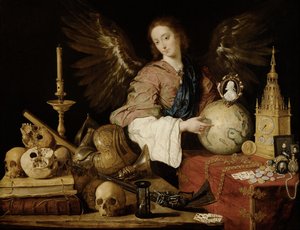
Antonio de Pereda
1611 - 1678 , España
Datos clave
- Artistic Movement Or Style: Barroco
- Artists Who Influenced This Artist:
- Pedro de las Cuevas
- Giovanni Battista Crescenzi
- Date Of Birth: Valladolid, España (1611)
- Date Of Death: Madrid, España (1678)
- Full Name: Antonio de Pereda y Salgado
- Nationality: Español
- Notable Artworks:
- Bodegón con Fruta
- Bodegón con un Cárter de Ébano
- El Socorro a Génova
- El Sueño del Caballero
- Place Of Birth: Valladolid
Artículos relacionados
Celestial Messengers: Angels in Painting – A Historical & Artistic Exploration
Explore the captivating history of angels in painting! Discover symbolism, iconic Renaissance & Byzantine masterpieces, and renowned artists. Expert insights for art lovers & collectors at ArtsDot.
Celestial Messengers: A Comprehensive Exploration of Angelic Representation in Art History
Explore the captivating history of angels in art! Discover symbolism, iconic Renaissance masterpieces & renowned artists. Expert insights for art lovers & collectors at ArtsDot.

The Dramatic Flourish: Exploring the Baroque Movement's Enduring Legacy in Art History
Explore the dramatic world of Baroque art! Discover iconic artists like Caravaggio & Rubens, defining techniques, and its lasting impact on art history. Expert insights for collectors & enthusiasts at ArtsDot.
The Dramatic Flourish: Exploring Themes of Power, Faith & Emotion in Baroque Artworks
Explore the dramatic world of Baroque art! Discover masters like Zurbarán & the powerful influence of religious zeal on painting techniques. Expert insights for collectors and enthusiasts.

Barroco Sublime: 10 Obras Maestras que Definieron una Época |
Descubre las 10 obras maestras del Barroco que marcaron una época. Caravaggio, Bernini y Velázquez cobran vida en . Reproducciones de arte de calidad museo para decorar tu hogar con elegancia. ¡Explora la colección online!