

 Ver en contexto
 Enviar
 Compartir
 Detalles

 Descargar
 Similares
 Radiografía
 Presentación de diapositivas
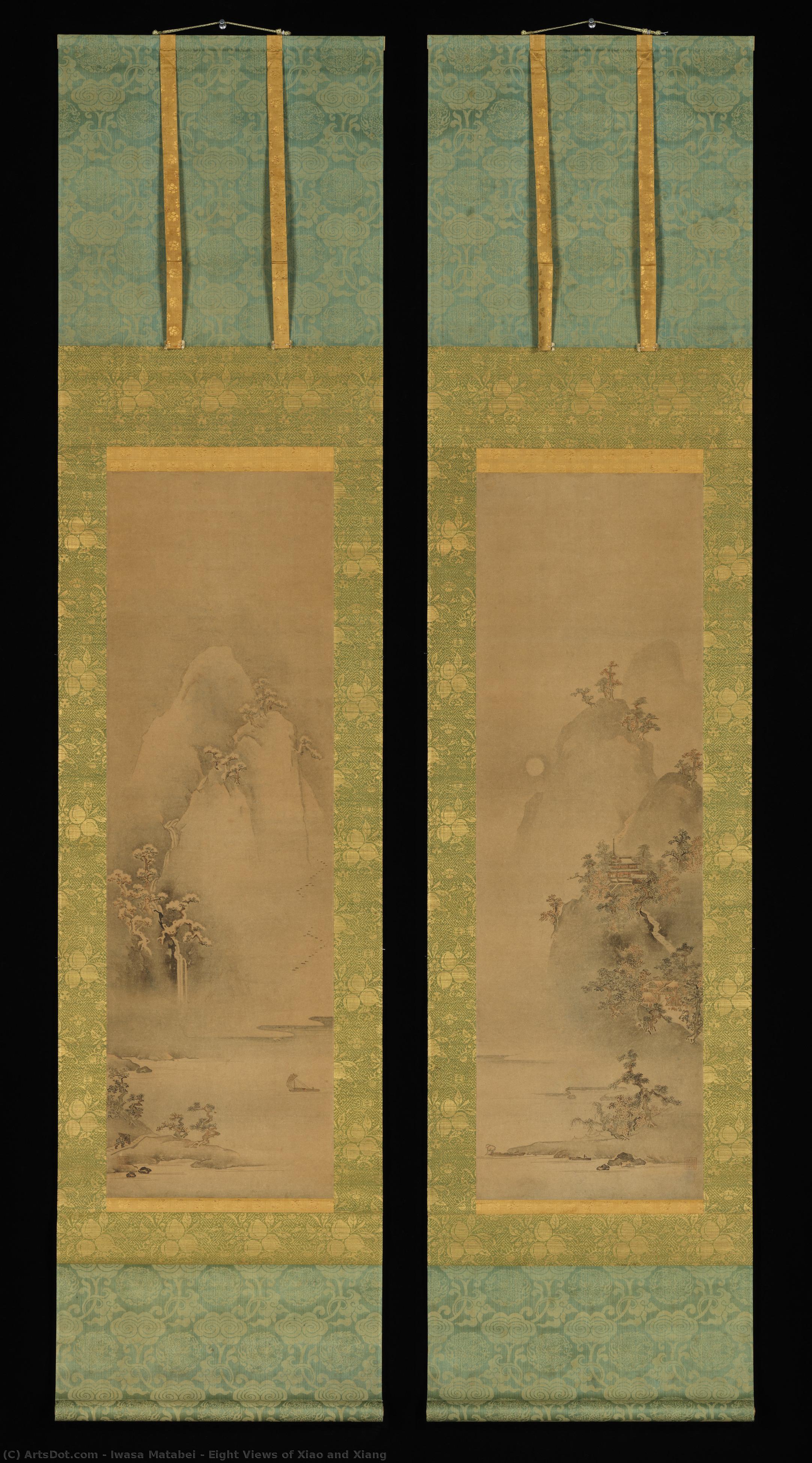
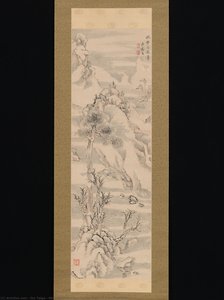
Eight Views of Xiao and Xiang
 Japanese Landscape Painting
 1640
1640 92.0 x 29.0 cm
 Ver más
Reproducción al óleo hecha a mano
Óleo sobre lienzo pintado a mano en el tamaño y marco de su elección, realizado por encargo por nuestros artistas. ( Comprar impresión Comprar imagen)




































Elija entre nuestros tamaños predefinidos que respetan las proporciones originales de la obra.

Puede ingresar sus propias dimensiones para adaptarse a un marco o espacio específico. Si el tamaño seleccionado no coincide con las proporciones de la imagen original, recortaremos la obra o extenderemos la pintura con elementos adicionales pintados a mano. Se le enviará una maqueta digital para su aprobación antes de comenzar la producción.
Tenga en cuenta que la vista previa en pantalla no refleja el recorte o la extensión reales. Solo la maqueta mostrará con precisión la composición final.
Si bien existen tamaños personalizados, recomendamos seleccionar una dimensión de la lista predefinida para preservar las proporciones originales.
Tras realizar el pedido, el equipo de ArtsDot.com enviará un correo electrónico al cliente para solicitar instrucciones y proporcionarle una vista previa del boceto.
Envío a todo el mundo () en 3-4 semanas en lugar de las 5 semanas estándar. (28 agosto). Sin comprometer la calidad.

Envío exprés gratuito a todo el mundo

Lienzo de lino de alta calidad

Seguro de envío total

Garantía de reembolso de impuestos aduaneros

Garantía de fidelidad cromática exacta

Política de devolución de 60 días (solo por defectos)

Garantía de devolución del 100% del dinero

Descuento por cantidad
 La opción de vidrio solo está disponible en tamaños inferiores a 110 cm.

Eight Views of Xiao and Xiang
Técnica de reproducción
Dimensiones de la reproducción
-


Precio total final
$ 263
Obras relacionadas
Biografía del artista
primeros años e influencias
araki katsumochi, una figura prominente del temprano periodo Tokugawa en Japón, dejó una huella indeleble en el mundo del arte con sus escenas de género, ilustraciones históricas y retratos cautivadores. Nacido en 1578, katsumochi era hijo de araki murashige, un notable daimyō cuyo destino terminó de forma trágica, lo que llevó a katsumochi a adoptar el apellido de la familia de su madre, iwasa.estilo artístico y técnica
La obra de katsumochi se caracteriza por sus figuras distintivas, con cabezas prominentes y rasgos delicadamente trazados. Su técnica de pincel única, que fusiona elementos de las escuelas tosa y kanō, le permitió sobresalir tanto en la pintura a color como en el monocromo de tinta aguada. A pesar de haberse formado bajo la tutela de kanō naizen, del renombrado clan kanō, el estilo de katsumochi estuvo profundamente influenciado por la escuela tosa.obras notables y legado
Una de las obras más celebradas de katsumótico es la serie de retratos de los treinta y seis inmortales de la poesía (1640), encargada por tokugawa iemitsu para un templo. Esta obra maestra, firmada como "el artista matabei de la corriente posterior de tosa mitsunobu", demuestra la destreza de katsumochi para capturar eventos históricos y literatura clásica.- rakuchu rakugai zu byōbu (versión funaki), un tesoro nacional, se encuentra en el museo nacional de tokyo y representa el paisaje de kyoto alrededor de 1615.
- hōkoku sairei zu byōbu, una importante propiedad cultural, se alberga en el museo de arte tokugawa y muestra la maestría de katsumochi para capturar escenas festivas.
- El taller de katsumochi produjo magníficos emakimono (rollos pictóricos) basados en textos jōruri, con obras maestras como yamanaka tokiwa monogatari emaki, jōruri monogatari emaki y horie monogatari emaki, todos designados como propiedades culturales importantes.
controversia y legado
Existe un debate continuo entre los estudiosos sobre si las obras de katsumochi son, en efecto, ukiyo-e o no. En Japón, a menudo se le considera el originador del ukiyo-e, mientras que algunas teorías sugieren que fue un pintor independiente de la escuela tosa debido a sus mecenas de alta clase social. La vida enigmática y las contribuciones artísticas de katsumochi han dejado un impacto duradero en el arte japonés. Su estilo único, que combina técnicas tradicionales con un pincel innovador, continúa fascinando a los entusiastas del arte en todo el mundo.- explore más obras de katsumochi en https://AllPaintStore.com/@/araki-katsumochi
- conozca más sobre la escuela tosa y su influencia en el arte japonés en el movimiento artístico de estilo escuela kanō
- descubra más sobre la vida y obra de katsumochi en iwasa matabei - wikipedia
referencias
- araki katsumochi, wikipedia, https://en.wikipedia.org/wiki/iwasa_matabei
- el movimiento artístico de estilo escuela kanō, ArtsDot.com, https://ArtsDot.com/@@/a@d3cpbv-history-painting-art-movement
- pinturas de araki katsumochi, ArtsDot.com, https://ArtsDot.com/@/araki-katsumochi
artistas y movimientos relacionados
- katsushika isai, un artista japonés conocido por sus paisajes y escenas de género, ArtsDot.com, https://ArtsDot.com/@/katsushika-isai
- la escuela tosa, un estilo de arte japonés caracterizado por el uso de pan de oro y colores intensos, ArtsDot.com, https://ArtsDot.com/@@/a@d3cpbv-history-painting-art-movement
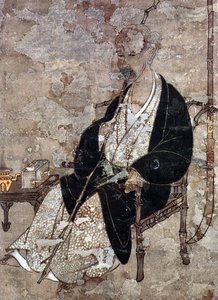
Araki Katsumochi
1578 - 1650 , Japón
Artículos relacionados
Ephemeral Expressions: Exploring the Nuances of Ink on Paper Through History & Contemporary Art
Explore the captivating world of ink wash painting – from its ancient origins to contemporary masters. Discover techniques, symbolism & conservation insights with ArtsDot.com.
Ephemeral Lines: Exploring Emotional Resonance in Ink Sketching Traditions
Explore the profound art of ink sketching! Discover techniques to express emotion, master line work, and cultivate artistic sensitivity. Learn from historical masters & unlock your creative potential.

Katsushika Hokusai: Las 25 Obras Maestras del Ukiyo-e que Transformaron el Arte Japonés | ArtsDot
Descubre las 25 obras maestras de Katsushika Hokusai, el genio del ukiyo-e. Explora 'La Gran Ola', paisajes japoneses y su impacto en el arte moderno. Reproducciones de alta calidad para tu hogar en ArtsDot.com.

Krupa's Artistic Vision: Exploring Technique, Themes & Historical Context
Discover the evocative world of Alfred Freddy Krupa, a pioneering Croatian artist redefining 'New Ink Art.' Explore his themes of mortality, memory & nature – and find museum-quality reproductions at ArtsDot.
Xie Zhiliu: A Legacy of Ink Wash Painting & Modern Chinese Literati Tradition
Explore the legacy of Xie Zhiliu, a master of Chinese ink wash painting & prominent figure in modern art. Discover his techniques, influences, and contributions to literati tradition. A guide for discerning collectors.

