

 Ver en contexto
 Enviar
 Compartir
 Detalles

 Descargar
 Similares
 Radiografía
 Presentación de diapositivas
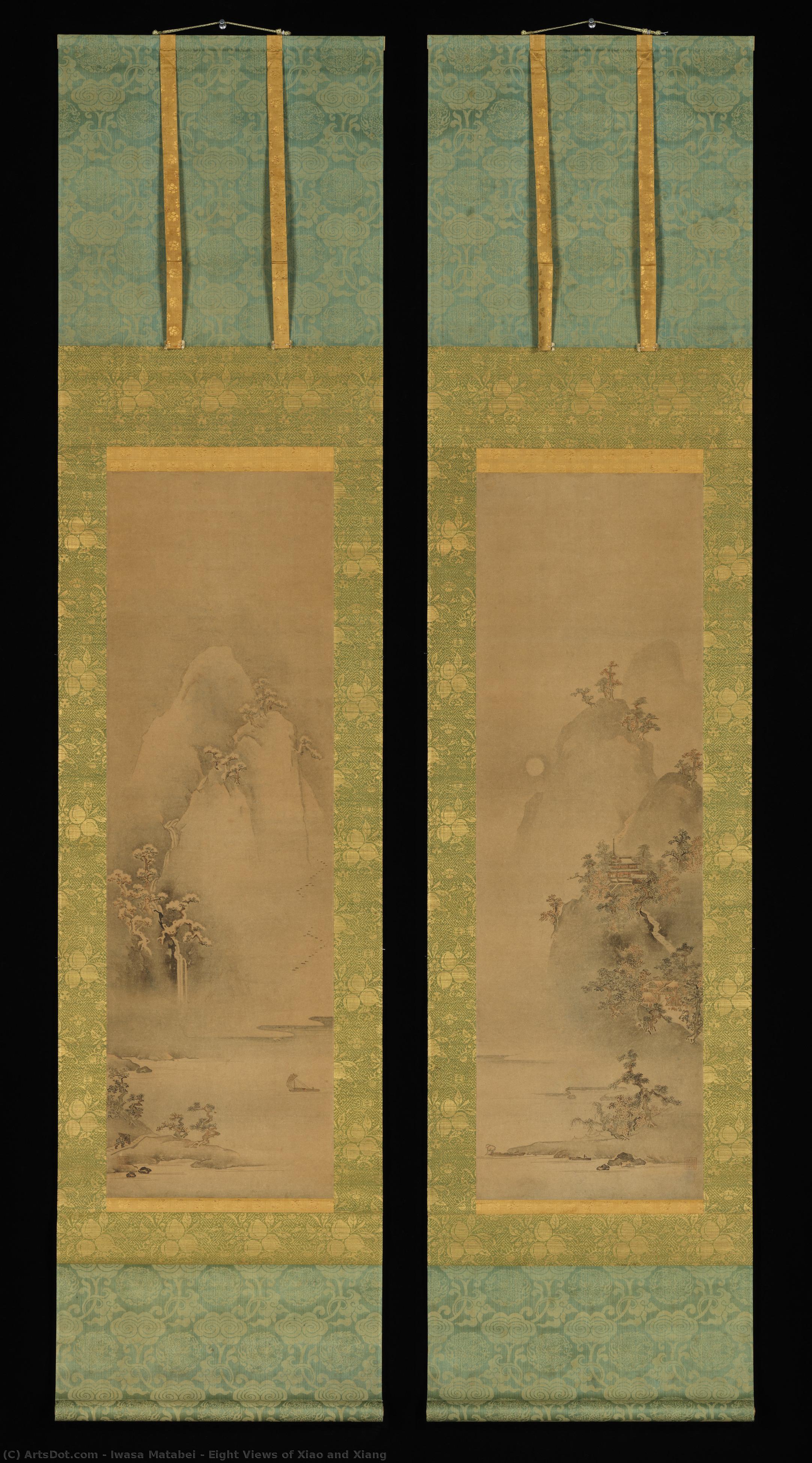
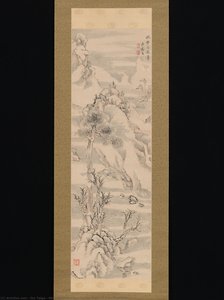
Eight Views of Xiao and Xiang
 Japanese Landscape Painting
 1640
1640 92.0 x 29.0 cm
 Ver más
Adquiera una imagen digital de alta resolución y optimizada, muy superior a la vista previa en línea.
Cada archivo es preparado meticulosamente por nuestros especialistas internos mediante el uso de herramientas avanzadas y un experto retoque manual. Nos aseguramos de que cada imagen posea una claridad excepcional, una precisión cromática impecable y un detalle minucioso.
El archivo final se entrega por correo electrónico en un plazo de 72 horas, optimizado para su uso inmediato en entornos profesionales, editoriales y de impresión. Esta es la misma calidad en la que confían los estudios de diseño, las editoriales y las galerías de primer nivel.
Imagen Digital
Descarga un archivo de alta resolución para exhibición personal, impresión y proyectos creativos. ( Comprar impresión Comprar pintura hecha a mano)
Incluido en cada pedido de imágenes digitales
Entrega digital experta, garantizada.
Al elegir ArtsDot.com, no solo está adquiriendo una imagen; está recibiendo una obra de arte digital mejorada profesionalmente, elaborada con precisión y respaldada por una garantía de satisfacción. Esto es todo lo que incluye su pedido, automáticamente:

Entrega rápida por email
Recibirá su archivo de imagen digital en alta resolución por correo electrónico en un plazo de 72 horas tras realizar su pedido, listo para su uso inmediato.

Archivo digital optimizado por IA
Su obra de arte se optimiza profesionalmente mediante herramientas avanzadas de IA y edición manual, garantizando el máximo detalle, claridad y precisión cromática.

Reenvío gratuito de por vida
¿Has borrado o perdido tu archivo por error? No te preocupes: te lo volveremos a enviar en cualquier momento, sin coste adicional.

Sin gastos de importación, siempre
Disfrute de su obra de arte al instante sin aduanas, aranceles ni gastos de envío; las descargas digitales siempre están libres de impuestos.

Garantía de fidelidad de color
Garantizamos que su imagen digital refleje los colores originales con la mayor fidelidad posible, mediante el uso de herramientas profesionales y gestión del color.

Garantía de satisfacción de 60 días
Si no está satisfecho con su imagen digital, la revisaremos o le reembolsaremos el 100% en un plazo de 60 días, sin preguntas.

100% Garantía de devolución de dinero
¿No está satisfecho? Obtenga un reembolso completo dentro de los 60 días posteriores a la recepción de su archivo digital, sin necesidad de explicaciones.

Descuentos por pedidos grandes
Compra 3 imágenes, ahorra 10% - Compra 5, ahorra 15% - Compra 10+, ahorra 20%. Ideal para proyectos creativos, galerías y agencias.
Obras relacionadas
Biografía del artista
primeros años e influencias
araki katsumochi, una figura prominente del temprano periodo Tokugawa en Japón, dejó una huella indeleble en el mundo del arte con sus escenas de género, ilustraciones históricas y retratos cautivadores. Nacido en 1578, katsumochi era hijo de araki murashige, un notable daimyō cuyo destino terminó de forma trágica, lo que llevó a katsumochi a adoptar el apellido de la familia de su madre, iwasa.estilo artístico y técnica
La obra de katsumochi se caracteriza por sus figuras distintivas, con cabezas prominentes y rasgos delicadamente trazados. Su técnica de pincel única, que fusiona elementos de las escuelas tosa y kanō, le permitió sobresalir tanto en la pintura a color como en el monocromo de tinta aguada. A pesar de haberse formado bajo la tutela de kanō naizen, del renombrado clan kanō, el estilo de katsumochi estuvo profundamente influenciado por la escuela tosa.obras notables y legado
Una de las obras más celebradas de katsumótico es la serie de retratos de los treinta y seis inmortales de la poesía (1640), encargada por tokugawa iemitsu para un templo. Esta obra maestra, firmada como "el artista matabei de la corriente posterior de tosa mitsunobu", demuestra la destreza de katsumochi para capturar eventos históricos y literatura clásica.- rakuchu rakugai zu byōbu (versión funaki), un tesoro nacional, se encuentra en el museo nacional de tokyo y representa el paisaje de kyoto alrededor de 1615.
- hōkoku sairei zu byōbu, una importante propiedad cultural, se alberga en el museo de arte tokugawa y muestra la maestría de katsumochi para capturar escenas festivas.
- El taller de katsumochi produjo magníficos emakimono (rollos pictóricos) basados en textos jōruri, con obras maestras como yamanaka tokiwa monogatari emaki, jōruri monogatari emaki y horie monogatari emaki, todos designados como propiedades culturales importantes.
controversia y legado
Existe un debate continuo entre los estudiosos sobre si las obras de katsumochi son, en efecto, ukiyo-e o no. En Japón, a menudo se le considera el originador del ukiyo-e, mientras que algunas teorías sugieren que fue un pintor independiente de la escuela tosa debido a sus mecenas de alta clase social. La vida enigmática y las contribuciones artísticas de katsumochi han dejado un impacto duradero en el arte japonés. Su estilo único, que combina técnicas tradicionales con un pincel innovador, continúa fascinando a los entusiastas del arte en todo el mundo.- explore más obras de katsumochi en https://AllPaintStore.com/@/araki-katsumochi
- conozca más sobre la escuela tosa y su influencia en el arte japonés en el movimiento artístico de estilo escuela kanō
- descubra más sobre la vida y obra de katsumochi en iwasa matabei - wikipedia
referencias
- araki katsumochi, wikipedia, https://en.wikipedia.org/wiki/iwasa_matabei
- el movimiento artístico de estilo escuela kanō, ArtsDot.com, https://ArtsDot.com/@@/a@d3cpbv-history-painting-art-movement
- pinturas de araki katsumochi, ArtsDot.com, https://ArtsDot.com/@/araki-katsumochi
artistas y movimientos relacionados
- katsushika isai, un artista japonés conocido por sus paisajes y escenas de género, ArtsDot.com, https://ArtsDot.com/@/katsushika-isai
- la escuela tosa, un estilo de arte japonés caracterizado por el uso de pan de oro y colores intensos, ArtsDot.com, https://ArtsDot.com/@@/a@d3cpbv-history-painting-art-movement
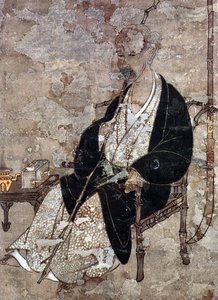
Araki Katsumochi
1578 - 1650 , Japón

