

 Vista previa
 Compartir
 Compartir
 Ver detalles

 Descargar
 Ver similares
 Radiografía
 Presentación de diapositivas
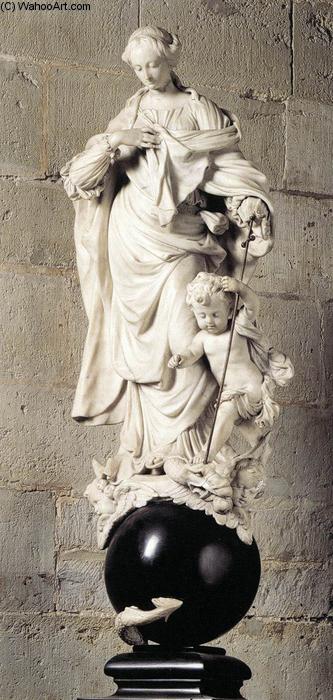
Virgin of the Immaculate Conception


 Leer más
Reproducción al óleo hecha a mano
Óleo sobre lienzo pintado a mano en el tamaño y marco de su elección, realizado por encargo por nuestros artistas. ( Pedir impresión Comprar descarga)




P118B $10

P118H $10

P118W $10

P438Z $10

P508JH $12

P508YH $12

P805H $10

P805Z $10

P919BZ $10

P919G $10

P919XJ $10

P959ZH $10

P968JZ $12

W106C $8

W218G $10

W218JH $8

W218Y $10

W307PJ $10

W316G $10

W316PJ $8

W316Y $10

W398PJ $8

W4111J $10

W500HY $15

W500JH $15

W692G $12

W849H $8

W940BG $15

W953PJ $8




Elija entre nuestros tamaños predefinidos que respetan las proporciones originales de la obra.

Puede ingresar sus propias dimensiones para adaptarse a un marco o espacio específico. Si el tamaño seleccionado no coincide con las proporciones de la imagen original, recortaremos la obra o extenderemos la pintura con elementos adicionales pintados a mano. Se le enviará una maqueta digital para su aprobación antes de comenzar la producción.
Tenga en cuenta que la vista previa en pantalla no refleja el recorte o la extensión reales. Solo la maqueta mostrará con precisión la composición final.
Si bien existen tamaños personalizados, recomendamos seleccionar una dimensión de la lista predefinida para preservar las proporciones originales.
Tras realizar el pedido, el equipo de ArtsDot.com enviará un correo electrónico al cliente para solicitar instrucciones y proporcionarle una vista previa del boceto.
Envío a todo el mundo () en 3-4 semanas en lugar de las 5 semanas estándar. (20 agosto). Sin comprometer la calidad.

Envío exprés gratuito a todo el mundo

Lienzo de lino de alta calidad

Seguro de envío completo

Garantía de reembolso de aranceles aduaneros

Garantía de fidelidad cromática exacta

Política de devolución de 60 días (solo por defectos)

Garantía de devolución del 100% del dinero

Oferta por volumen
 La opción de vidrio solo está disponible en tamaños inferiores a 110 cm.

Virgin of the Immaculate Conception
Técnica de reproducción
Tamaño de la reproducción
-


Precio total
$ 263
Descripción de la obra
A Marble Meditation on Grace: The Virgin of the Immaculate Conception
Artus Quellinus II’s “Virgin of the Immaculate Conception” is more than just a sculpture; it's a profound distillation of faith, artistry, and the enduring power of symbolism. Completed around 1682 during his time in London, this magnificent marble figure embodies the High Baroque style while subtly foreshadowing the emerging Rococo aesthetic – a testament to Quellinus’s versatility and artistic evolution. The work immediately commands attention with its scale—a commanding presence that speaks to both the Virgin Mary's revered status and the sculptor’s mastery of monumental form. Yet, it is not merely imposing; within this grandeur lies an intimate portrayal of maternal grace and divine protection.
The sculpture depicts the Virgin Mary holding the infant Jesus in a pose that simultaneously conveys serenity and quiet strength. Her posture is upright, radiating dignity, while her gaze is gentle and compassionate. The drapery—richly detailed folds cascading from her robes—is not merely decorative; it’s meticulously sculpted to create an illusion of movement and volume, adding depth and drama to the composition. Notice how Quellinus expertly captures the weight of fabric, the subtle shifts in light and shadow, and the delicate texture of skin – all hallmarks of his refined technique.
Baroque Drama and Classical Influence
Quellinus’s style is a fascinating blend of influences. He was deeply rooted in the traditions of Flemish Baroque sculpture, inheriting from his father, Artus Quellinus I, a penchant for dramatic lighting, dynamic poses, and emotionally charged narratives. However, his time in Rome exposed him to the classical ideals of antiquity, particularly evident in the idealized proportions of Mary’s figure and the restrained elegance of her drapery. This fusion creates a unique visual language—a harmonious marriage of spiritual intensity and refined beauty.
The sculpture's composition is carefully balanced, drawing inspiration from both Renaissance and Baroque principles. The central focus remains on the Virgin and Child, but the surrounding elements – the crescent moon beneath them, the two cherubs’ heads supporting her—contribute to a sense of cosmic significance. Quellinus skillfully employs chiaroscuro, using light and shadow to sculpt volume and create a three-dimensional effect that is both captivating and emotionally resonant.
Symbolism and Spiritual Resonance
The “Virgin of the Immaculate Conception” is laden with symbolic meaning. The crescent moon beneath Mary’s feet represents her divine origin, while the two cherubs symbolize protection and guardianship. Crucially, the depiction of Jesus nestled within her arms carries profound theological weight—he embodies both humanity and divinity, representing the incarnation of God in human form. The serpent trampled underfoot is a potent symbol of evil, vanquished by Mary’s purity and grace.
The sculpture's enduring appeal lies not only in its technical brilliance but also in its ability to evoke a sense of reverence and contemplation. It speaks to themes of faith, hope, and redemption—core tenets of Christian belief. The image resonates with viewers on an emotional level, offering a glimpse into the profound mystery of Mary’s Immaculate Conception.
A Legacy of Marble and Faith
Artus Quellinus II's “Virgin of the Immaculate Conception” stands as a remarkable achievement in Baroque sculpture. It reflects his artistic skill, his deep understanding of symbolism, and his ability to capture the essence of faith through marble. His work continues to inspire awe and admiration, serving as a powerful reminder of the enduring beauty and spiritual significance of this iconic image.
Obras relacionadas
Biografía del artista
Artus Quellinus II: Vida y Legado
Primeros Años y Formación
Nacido en St. Trudena, Bélgica, en 1625, Artus Quellinus II provenía de una familia artística prominente. Su padre, Artus Quellinus I, era un escultor celebrado y tenía dos hermanos – Thomas Quellinus, también escultor, y Cornelis Quellinus, pintor. Recibió su formación inicial en el taller de su padre en Amberes, sentando las bases para su futura carrera como escultor barroco.
Traslado a Londres y Desarrollo Artístico
En 1682, Quellinus II se trasladó a Londres, uniéndose a la creciente comunidad de artistas flamencos que se habían asentado allí. Este traslado fue probablemente alentado por su esposa, Frances Siberechts, hija del pintor nacido en Amberes Jan Siberechts. Antes de establecerse independientemente, trabajó brevemente en los estudios tanto de Hugh May como, más significativamente, de Grinling Gibbons – un destacado escultor y tallador de madera inglés. Su colaboración con Gibbons resultó particularmente influyente.
Influencias Clave
- Artus Quellinus I (Padre): Proporcionó formación fundamental en técnicas escultóricas y estética barroca.
- Grinling Gibbons: Le expuso a la complejidad del tallado de madera inglés y un enfoque más naturalista dentro del estilo barroco.
- Tradición Barroca Flamenca: El entorno artístico más amplio de Amberes moldeó su desarrollo temprano, enfatizando composiciones dramáticas y temas religiosos.
Obras Principales y Estilo Artístico
La obra de Quellinus II se caracteriza por su energía dinámica, artesanía detallada y a menudo escala monumental. Se centró principalmente en la escultura religiosa, creando retablos, monumentos funerarios y elementos decorativos para iglesias y palacios.
- El Padre Dios (1682): Una llamativa escultura de mármol que muestra influencias clásicas combinadas con el drama barroco.
- La Visita (1678): Un detallado relieve de mármol que representa una escena bíblica, demostrando su habilidad en la representación narrativa.
- Tumba del Obispo Marius Ambrose Capello: Un elaborado monumento funerario que ejemplifica su capacidad para crear conjuntos escultóricos grandiosos e imponentes.
- Naves de los Coros: Esculturas intrincadas para las naves de los coros, que muestran su maestría en el detalle y los elementos decorativos.
Colaboraciones y Vida Tardía
Una colaboración significativa tuvo lugar con Grinling Gibbons en el retablo de la capilla católica de Whitehall Palace (1685-86). Este proyecto destacó la capacidad de Quellinus II para trabajar junto a otros artistas líderes. Su temprana muerte en 1700 supuso una pérdida para la comunidad artística, y su viuda más tarde se casó con su asistente de taller, John Nost.
Significado Histórico
Artus Quellinus II desempeñó un papel importante al llevar la escultura barroca flamenca a Inglaterra. Su obra ayudó a dar forma al paisaje estético del arte inglés del siglo XVII y influyó en las generaciones posteriores de escultores. Puenteó la brecha entre los estilos Alto y Tardío Barroco, contribuyendo significativamente al desarrollo de la escultura religiosa durante este período.
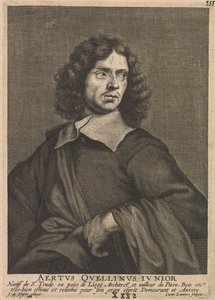
artus ii quellinus
1653 - 1686 , Belgium
Datos clave
- Artistic Movement Or Style: Baroque
- Artists Or Movements Influenced By This Artist: ['Renaissance']
- Artists Who Influenced This Artist:
- Erasmus Quellinus I
- Grinling Gibbons
- Date Of Birth: 1625
- Full Name: Artus Quellinus II
- Nationality: Flemish
- Notable Artworks:
- God the Father
- Visitation
- Place Of Birth: St. Trudena, Belgium
Artículos relacionados

Esculturas de Bronce Legendarias: 10 Obras Maestras que Transformaron el Arte | ArtsDot
Descubre las 10 esculturas de bronce más legendarias que revolucionaron el arte. Explora la historia de Rodin, Degas y otros maestros del bronce. Encuentra reproducciones de alta calidad e inspiración para tu hogar en ArtsDot.com.
The Enduring Allure of Marble in Art History: From Classical Sculpture to Modern Abstraction
Explore the captivating history of marble sculpture from ancient Greece to modern art. Discover renowned artists like Canova & Michelangelo, carving techniques, and investment insights at ArtsDot.

The Enduring Form: Exploring Themes & Techniques in Sculpture Across Historical Periods
Explore the rich history of sculpture from ancient masterpieces to contemporary innovations. Discover key techniques, influential artists & investment potential for discerning art collectors.
The Enduring Form: Sculpture Across History, Technique & Emotional Resonance
Explore the rich history of sculpture with ArtsDot. Discover key techniques, influential artists & investment potential for discerning collectors. Expert insights into valuing and collecting timeless masterpieces.
The Enduring Legacy of Marble: A Comprehensive Exploration of Technique, Symbolism & Artistic Expression
Explore the rich history of marble sculpture from antiquity to the Renaissance! Discover key techniques, influential artists & enduring themes in classical art. Expert insights for collectors and enthusiasts at ArtsDot.

