 Vista previa
 Compartir
 Compartir
 Ver detalles

 Descargar
 Ver similares
 Radiografía
 Presentación de diapositivas
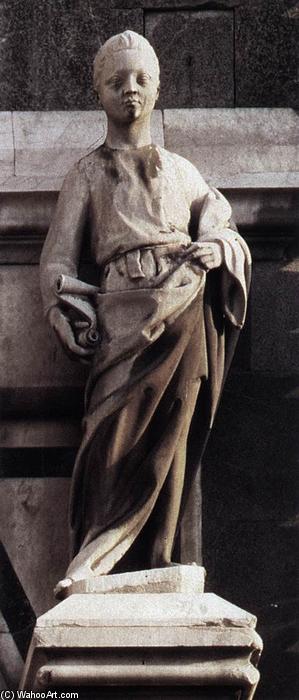
Prophet (left of the Porta della Mandorla)


 Leer más
Reproducción al óleo hecha a mano
Óleo sobre lienzo pintado a mano en el tamaño y marco de su elección, realizado por encargo por nuestros artistas. ( Pedir impresión Comprar descarga)




P118B $10

P118H $10

P118W $10

P438Z $10

P508JH $12

P508YH $12

P805H $10

P805Z $10

P919BZ $10

P919G $10

P919XJ $10

P959ZH $10

P968JZ $12

W106C $8

W218G $10

W218JH $8

W218Y $10

W307PJ $10

W316G $10

W316PJ $8

W316Y $10

W398PJ $8

W4111J $10

W500HY $15

W500JH $15

W692G $12

W849H $8

W940BG $15

W953PJ $8




Elija entre nuestros tamaños predefinidos que respetan las proporciones originales de la obra.

Puede ingresar sus propias dimensiones para adaptarse a un marco o espacio específico. Si el tamaño seleccionado no coincide con las proporciones de la imagen original, recortaremos la obra o extenderemos la pintura con elementos adicionales pintados a mano. Se le enviará una maqueta digital para su aprobación antes de comenzar la producción.
Tenga en cuenta que la vista previa en pantalla no refleja el recorte o la extensión reales. Solo la maqueta mostrará con precisión la composición final.
Si bien existen tamaños personalizados, recomendamos seleccionar una dimensión de la lista predefinida para preservar las proporciones originales.
Tras realizar el pedido, el equipo de ArtsDot.com enviará un correo electrónico al cliente para solicitar instrucciones y proporcionarle una vista previa del boceto.
Envío a todo el mundo () en 3-4 semanas en lugar de las 5 semanas estándar. (22 agosto). Sin comprometer la calidad.

Envío exprés gratuito a todo el mundo

Lienzo de lino de alta calidad

Seguro de envío completo

Garantía de reembolso de aranceles aduaneros

Garantía de fidelidad cromática exacta

Política de devolución de 60 días (solo por defectos)

Garantía de devolución del 100% del dinero

Oferta por volumen
 La opción de vidrio solo está disponible en tamaños inferiores a 110 cm.

Prophet (left of the Porta della Mandorla)
Técnica de reproducción
Tamaño de la reproducción
-


Precio total
$ 263
Descripción de la obra
A Vision of Prophecy: Donatello’s Prophet from Florence
Donatello's "Prophet (left of the Porta della Mandorla)," a marble sculpture created between 1406 and 1408, stands as a pivotal work in the transition from the late Gothic to the burgeoning Renaissance style. More than just a depiction of a biblical figure, it’s a profound exploration of human form, spiritual aspiration, and the nascent humanist ideals that would define the era. Originally intended for the north doors of Florence Cathedral – the famed “Porta della Mandorla” – this sculpture immediately captivated viewers with its startling realism and psychological depth, setting a new standard for portraiture in sculpture.
The piece itself is remarkably intimate; standing at just over 128 centimeters (50 ¼ inches) tall, it’s designed to be viewed up close, inviting contemplation. The figure, identified as a prophet – though his precise identity remains debated by scholars – is rendered with an unprecedented level of naturalism for the time. Donatello masterfully captures the subtle nuances of age and experience in the subject's face, conveying a sense of wisdom and solemnity. The drapery, meticulously carved to suggest both weight and movement, adds another layer of visual interest, highlighting the sculptor’s technical prowess.
Renaissance Innovation: Form and Humanism
Donatello’s approach to sculpture during this period marked a significant departure from the stylized conventions of the preceding Gothic era. He drew heavily on his study of classical antiquity – particularly Greek and Roman sculpture – incorporating elements of proportion, anatomy, and contrapposto (the arrangement of figures in a dynamic pose) into his work. This is most evident in the prophet’s stance: he stands with one leg slightly advanced, creating a subtle shift in weight that lends him an air of dignified composure. The face itself, exhibiting a remarkable degree of realism, reflects a growing interest in human emotion and individual character – hallmarks of the humanist movement gaining momentum throughout Florence.
Furthermore, Donatello’s use of marble was revolutionary. He employed a technique known as “white ground,” where he carved directly into the pale surface of the stone, revealing the underlying color and texture. This created a luminous effect that enhanced the sculpture's natural beauty and contributed to its overall sense of realism. The choice of white marble itself held symbolic significance; it represented purity, spirituality, and divine grace – qualities closely associated with the prophet figure.
Symbolism and Context: A Doorway to Faith
The "Prophet (left of the Porta della Mandorla)" wasn’t simply a standalone sculpture; it was part of a larger decorative program intended to adorn the cathedral's north doors. The entire portal was designed as a visual narrative, depicting scenes from the Bible and culminating in a central image of the Virgin Mary with Christ – the “Mandorla” (almond) itself. The prophet figure, positioned on the left side of this composition, likely represents one of the Old Testament prophets who foretold the coming of Jesus Christ. The scroll he holds further reinforces this interpretation, symbolizing divine revelation and prophecy.
Considering its placement within the cathedral’s architecture, the sculpture served as a powerful visual reminder of faith and spiritual aspiration for the citizens of Florence. The choice to depict a prophet – a messenger of God – underscored the importance of religious belief in Florentine society during this period. The work's enduring appeal lies not only in its artistic merit but also in its ability to evoke a sense of timelessness and profound contemplation.
A Legacy of Innovation
Donatello’s “Prophet (left of the Porta della Mandorla)” remains one of the most celebrated works of the Early Renaissance. It exemplifies his innovative approach to sculpture, blending classical ideals with a distinctly humanistic sensibility. The sculpture's influence can be seen in the work of subsequent generations of artists, who continued to draw inspiration from Donatello’s mastery of form, anatomy, and psychological expression. Reproductions of this iconic piece continue to captivate audiences today, offering a glimpse into the artistic genius of one of Florence’s greatest sculptors.
Obras relacionadas
Biografía del artista
Vida temprana y carrera
Donato di Niccolò di Betto Bardi, conocido como Donatello, nació en Florencia, Italia alrededor de 1386. Estudió escultura clásica, lo que influyó fuertemente en su desarrollo de un estilo del primer Renacimiento. Este nuevo enfoque hacia el arte y la cultura eventualmente se convertiría en la característica distintiva del florentino renacimiento.Obras clave e innovaciones
La obra más famosa de Donatello, David, fue la primera escultura masculina desnuda independiente desde la antigüedad. Comisionada por la familia Medici, mostró su estilo innovador y experiencia técnica. Otras obras notables incluyen:- San Luis de Tolosa (ahora en el museo de la Basílica di Santa Croce), que presentaba un marco clásico diseñado por Donatello.
- El sacrificio de Isaac, creado para el campanile de Santa Maria del Fiore en Florencia, se caracterizó por fuertes detalles de retrato.
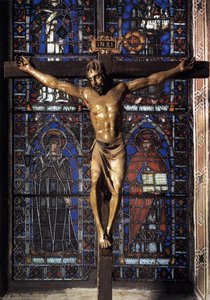
- Crucifijo (1425) para Santa Croce, que retrataba a Cristo en un momento de agonía.
Estilo artístico y legado
El estilo de Donatello puede dividirse en amplias fases, comenzando con el desarrollo de expresividad y monumentalidad clásica. Su obra no fue inmediatamente aceptada por la comunidad, pero eventualmente se convirtió en la más popular, influyendo a otros tribunales italianos y artistas europeos. Movimientos artísticos clave:Vida personal y estilo de trabajo
Donatello era conocido por ser afable y querido, pero pobre en el lado comercial de su carrera. Tendía a aceptar más comisiones de las que podía manejar, a menudo completando obras tarde o entregándolas a otros escultores. Obras de arte notables y artistas:- Leonardo da Vinci: Anunciación (detalle)
- Amico Aspertini: Estátua de Pan/León que azota a un caballo
- Miguel Ángel Buonarroti: Tondo Pitt
Museos y colecciones de arte
- Museo della Collegiata (Empoli, Italia): una joya oculta del renacimiento, con obras de Francesco Botticini y Raffaello Botticini.
- El movimiento artístico del primer Renacimiento italiano
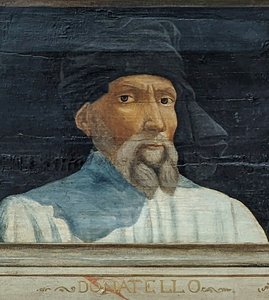
Donatello
1386 - 1466 , Italia
Datos clave
- Artistas Que Influyeron:
- Lorenzo Ghiberti
- Nanni di Banco
- Fecha De Nacimiento: c. 1386
- Influenciado A Artistas:
- Leonardo da Vinci
- Michelangelo Buonarroti
- Lugar De Nacimiento: Florencia, Italia
- Movimiento Artístico: Renacimiento temprano
- Nacionalidad: Italiana
- Nombre Completo: Donatello (Donato di Niccolò)
- Obras Notables:
- David
- St. Louis of Toulouse
- Sacrifice of Isaac
- Crucifix (1425)
Artículos relacionados
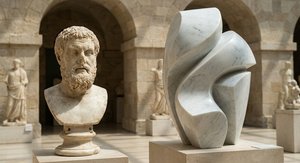
The Enduring Allure of Marble in Art History: From Classical Sculpture to Modern Abstraction
Explore the captivating history of marble sculpture from ancient Greece to modern art. Discover renowned artists like Canova & Michelangelo, carving techniques, and investment insights at ArtsDot.

Esculturas de Bronce Legendarias: 10 Obras Maestras que Transformaron el Arte | ArtsDot
Descubre las 10 esculturas de bronce más legendarias que revolucionaron el arte. Explora la historia de Rodin, Degas y otros maestros del bronce. Encuentra reproducciones de alta calidad e inspiración para tu hogar en ArtsDot.com.

The Enduring Form: Exploring Themes & Techniques in Sculpture Across Historical Periods
Explore the rich history of sculpture from ancient masterpieces to contemporary innovations. Discover key techniques, influential artists & investment potential for discerning art collectors.

Las 10 Obras Maestras de Bronce que Revolucionaron la Historia del Arte | ArtsDot
Descubre las 10 esculturas de bronce más influyentes de la historia del arte. Explora obras maestras de Rodin, Degas y otros genios. Encuentra reproducciones de arte de calidad museo en ArtsDot.com.
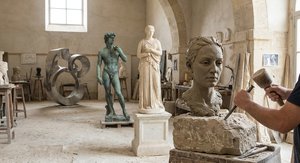
The Enduring Form: Sculpture Across History, Technique & Emotional Resonance
Explore the rich history of sculpture with ArtsDot. Discover key techniques, influential artists & investment potential for discerning collectors. Expert insights into valuing and collecting timeless masterpieces.