

 Vista previa
 Compartir
 Compartir
 Ver detalles

 Descargar
 Ver similares
 Radiografía
 Presentación de diapositivas
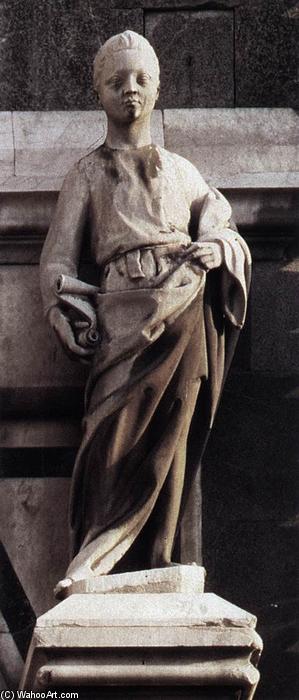
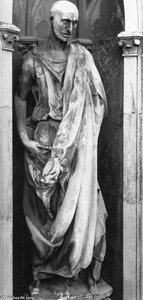
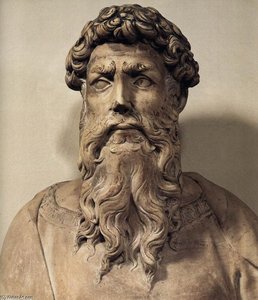
Prophet (left of the Porta della Mandorla)


 Leer más
Adquiera una imagen digital de alta resolución y optimizada, muy superior a la vista previa en línea.
Cada archivo es preparado meticulosamente por nuestros especialistas internos mediante el uso de herramientas avanzadas y un experto retoque manual. Nos aseguramos de que cada imagen posea una claridad excepcional, una precisión cromática impecable y un detalle minucioso.
El archivo final se entrega por correo electrónico en un plazo de 72 horas, optimizado para su uso inmediato en entornos profesionales, editoriales y de impresión. Esta es la misma calidad en la que confían los estudios de diseño, las editoriales y las galerías de primer nivel.
Imagen Digital
Descarga un archivo de alta resolución para exhibición personal, impresión y proyectos creativos. ( Pedir impresión Encargar reproducción pintada a mano)
Incluido en cada compra de imágenes digitales
Entrega digital experta, garantizada.
Al elegir ArtsDot.com, no solo está adquiriendo una imagen; está recibiendo una obra de arte digital mejorada profesionalmente, elaborada con precisión y respaldada por una garantía de satisfacción. Esto es todo lo que incluye su pedido, automáticamente:

Entrega rápida por email
Recibirá su archivo de imagen digital en alta resolución por correo electrónico en un plazo de 72 horas tras realizar su pedido, listo para su uso inmediato.

Archivo digital optimizado por IA
Su obra de arte se optimiza profesionalmente mediante herramientas avanzadas de IA y edición manual, garantizando el máximo detalle, claridad y precisión cromática.

Reenvío gratuito de por vida
¿Has borrado o perdido tu archivo por error? No te preocupes: te lo volveremos a enviar en cualquier momento, sin coste adicional.

Sin gastos de importación, siempre
Disfrute de su obra de arte al instante sin aduanas, aranceles ni gastos de envío; las descargas digitales siempre están libres de impuestos.

Garantía de precisión de color
Garantizamos que su imagen digital refleje los colores originales con la mayor fidelidad posible, mediante el uso de herramientas profesionales y gestión del color.

Garantía de satisfacción de 60 días
Si no está satisfecho con su imagen digital, la revisaremos o le reembolsaremos el 100% en un plazo de 60 días, sin preguntas.

100% Garantía de devolución de dinero
¿No está satisfecho? Obtenga un reembolso completo dentro de los 60 días posteriores a la recepción de su archivo digital, sin necesidad de explicaciones.

Descuentos por volumen
Compra 3 imágenes, ahorra 10% - Compra 5, ahorra 15% - Compra 10+, ahorra 20%. Ideal para proyectos creativos, galerías y agencias.
Descripción del coleccionable
A Vision of Prophecy: Donatello’s Prophet from Florence
Donatello's "Prophet (left of the Porta della Mandorla)," a marble sculpture created between 1406 and 1408, stands as a pivotal work in the transition from the late Gothic to the burgeoning Renaissance style. More than just a depiction of a biblical figure, it’s a profound exploration of human form, spiritual aspiration, and the nascent humanist ideals that would define the era. Originally intended for the north doors of Florence Cathedral – the famed “Porta della Mandorla” – this sculpture immediately captivated viewers with its startling realism and psychological depth, setting a new standard for portraiture in sculpture.
The piece itself is remarkably intimate; standing at just over 128 centimeters (50 ¼ inches) tall, it’s designed to be viewed up close, inviting contemplation. The figure, identified as a prophet – though his precise identity remains debated by scholars – is rendered with an unprecedented level of naturalism for the time. Donatello masterfully captures the subtle nuances of age and experience in the subject's face, conveying a sense of wisdom and solemnity. The drapery, meticulously carved to suggest both weight and movement, adds another layer of visual interest, highlighting the sculptor’s technical prowess.
Renaissance Innovation: Form and Humanism
Donatello’s approach to sculpture during this period marked a significant departure from the stylized conventions of the preceding Gothic era. He drew heavily on his study of classical antiquity – particularly Greek and Roman sculpture – incorporating elements of proportion, anatomy, and contrapposto (the arrangement of figures in a dynamic pose) into his work. This is most evident in the prophet’s stance: he stands with one leg slightly advanced, creating a subtle shift in weight that lends him an air of dignified composure. The face itself, exhibiting a remarkable degree of realism, reflects a growing interest in human emotion and individual character – hallmarks of the humanist movement gaining momentum throughout Florence.
Furthermore, Donatello’s use of marble was revolutionary. He employed a technique known as “white ground,” where he carved directly into the pale surface of the stone, revealing the underlying color and texture. This created a luminous effect that enhanced the sculpture's natural beauty and contributed to its overall sense of realism. The choice of white marble itself held symbolic significance; it represented purity, spirituality, and divine grace – qualities closely associated with the prophet figure.
Symbolism and Context: A Doorway to Faith
The "Prophet (left of the Porta della Mandorla)" wasn’t simply a standalone sculpture; it was part of a larger decorative program intended to adorn the cathedral's north doors. The entire portal was designed as a visual narrative, depicting scenes from the Bible and culminating in a central image of the Virgin Mary with Christ – the “Mandorla” (almond) itself. The prophet figure, positioned on the left side of this composition, likely represents one of the Old Testament prophets who foretold the coming of Jesus Christ. The scroll he holds further reinforces this interpretation, symbolizing divine revelation and prophecy.
Considering its placement within the cathedral’s architecture, the sculpture served as a powerful visual reminder of faith and spiritual aspiration for the citizens of Florence. The choice to depict a prophet – a messenger of God – underscored the importance of religious belief in Florentine society during this period. The work's enduring appeal lies not only in its artistic merit but also in its ability to evoke a sense of timelessness and profound contemplation.
A Legacy of Innovation
Donatello’s “Prophet (left of the Porta della Mandorla)” remains one of the most celebrated works of the Early Renaissance. It exemplifies his innovative approach to sculpture, blending classical ideals with a distinctly humanistic sensibility. The sculpture's influence can be seen in the work of subsequent generations of artists, who continued to draw inspiration from Donatello’s mastery of form, anatomy, and psychological expression. Reproductions of this iconic piece continue to captivate audiences today, offering a glimpse into the artistic genius of one of Florence’s greatest sculptors.
Obras relacionadas
Biografía del artista
Vida temprana y carrera
Donato di Niccolò di Betto Bardi, conocido como Donatello, nació en Florencia, Italia alrededor de 1386. Estudió escultura clásica, lo que influyó fuertemente en su desarrollo de un estilo del primer Renacimiento. Este nuevo enfoque hacia el arte y la cultura eventualmente se convertiría en la característica distintiva del florentino renacimiento.Obras clave e innovaciones
La obra más famosa de Donatello, David, fue la primera escultura masculina desnuda independiente desde la antigüedad. Comisionada por la familia Medici, mostró su estilo innovador y experiencia técnica. Otras obras notables incluyen:- San Luis de Tolosa (ahora en el museo de la Basílica di Santa Croce), que presentaba un marco clásico diseñado por Donatello.
- El sacrificio de Isaac, creado para el campanile de Santa Maria del Fiore en Florencia, se caracterizó por fuertes detalles de retrato.
- Crucifijo (1425) para Santa Croce, que retrataba a Cristo en un momento de agonía.
Estilo artístico y legado
El estilo de Donatello puede dividirse en amplias fases, comenzando con el desarrollo de expresividad y monumentalidad clásica. Su obra no fue inmediatamente aceptada por la comunidad, pero eventualmente se convirtió en la más popular, influyendo a otros tribunales italianos y artistas europeos. Movimientos artísticos clave:Vida personal y estilo de trabajo
Donatello era conocido por ser afable y querido, pero pobre en el lado comercial de su carrera. Tendía a aceptar más comisiones de las que podía manejar, a menudo completando obras tarde o entregándolas a otros escultores. Obras de arte notables y artistas:- Leonardo da Vinci: Anunciación (detalle)
- Amico Aspertini: Estátua de Pan/León que azota a un caballo
- Miguel Ángel Buonarroti: Tondo Pitt
Museos y colecciones de arte
- Museo della Collegiata (Empoli, Italia): una joya oculta del renacimiento, con obras de Francesco Botticini y Raffaello Botticini.
- El movimiento artístico del primer Renacimiento italiano
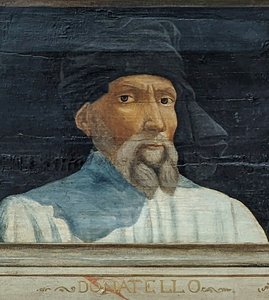
Donatello
1386 - 1466 , Italia
Datos clave
- Artistas Que Influyeron:
- Lorenzo Ghiberti
- Nanni di Banco
- Fecha De Nacimiento: c. 1386
- Influenciado A Artistas:
- Leonardo da Vinci
- Michelangelo Buonarroti
- Lugar De Nacimiento: Florencia, Italia
- Movimiento Artístico: Renacimiento temprano
- Nacionalidad: Italiana
- Nombre Completo: Donatello (Donato di Niccolò)
- Obras Notables:
- David
- St. Louis of Toulouse
- Sacrifice of Isaac
- Crucifix (1425)

