

 Ver en contexto
 Enviar
 Compartir
 Detalles

 Descargar
 Similares
 Radiografía
 Presentación de diapositivas
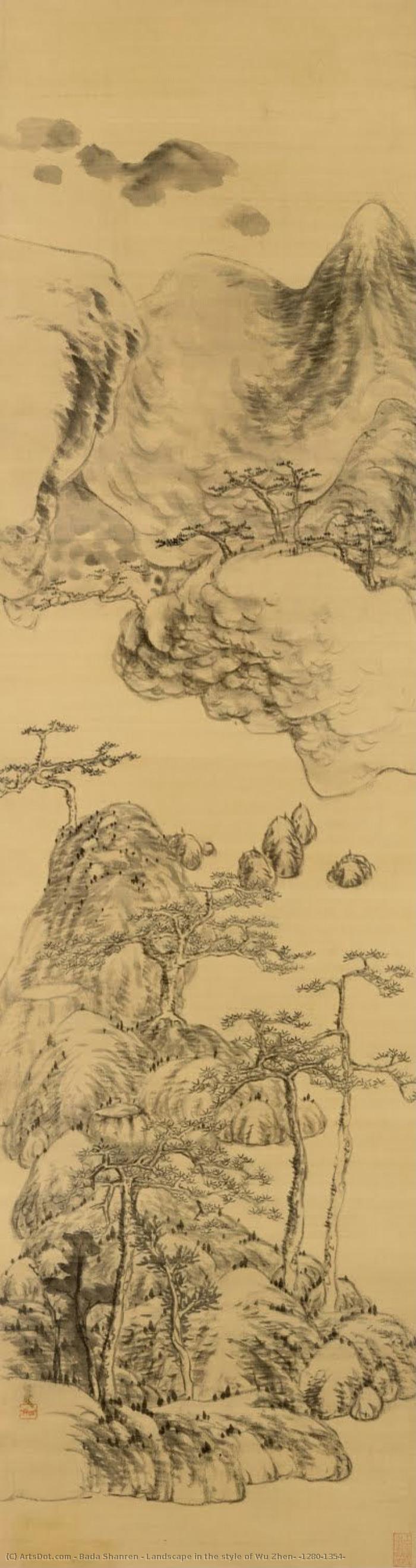
Landscape in the style of Wu Zhen, (1280-1354)
 Pigment
- Scholar-amateur painting
 1696
1696- Early Modern
 174.0 x 45.0 cm
 Galería Nacional de Victoria
 Ver más
Adquiera una imagen digital de alta resolución y optimizada, muy superior a la vista previa en línea.
Cada archivo es preparado meticulosamente por nuestros especialistas internos mediante el uso de herramientas avanzadas y un experto retoque manual. Nos aseguramos de que cada imagen posea una claridad excepcional, una precisión cromática impecable y un detalle minucioso.
El archivo final se entrega por correo electrónico en un plazo de 72 horas, optimizado para su uso inmediato en entornos profesionales, editoriales y de impresión. Esta es la misma calidad en la que confían los estudios de diseño, las editoriales y las galerías de primer nivel.
Imagen Digital
Descarga un archivo de alta resolución para exhibición personal, impresión y proyectos creativos. ( Comprar impresión Comprar pintura hecha a mano)
Incluido en cada pedido de imágenes digitales
Entrega digital experta, garantizada.
Al elegir ArtsDot.com, no solo está adquiriendo una imagen; está recibiendo una obra de arte digital mejorada profesionalmente, elaborada con precisión y respaldada por una garantía de satisfacción. Esto es todo lo que incluye su pedido, automáticamente:

Entrega rápida por email
Recibirá su archivo de imagen digital en alta resolución por correo electrónico en un plazo de 72 horas tras realizar su pedido, listo para su uso inmediato.

Archivo digital optimizado por IA
Su obra de arte se optimiza profesionalmente mediante herramientas avanzadas de IA y edición manual, garantizando el máximo detalle, claridad y precisión cromática.

Reenvío gratuito de por vida
¿Has borrado o perdido tu archivo por error? No te preocupes: te lo volveremos a enviar en cualquier momento, sin coste adicional.

Sin gastos de importación, siempre
Disfrute de su obra de arte al instante sin aduanas, aranceles ni gastos de envío; las descargas digitales siempre están libres de impuestos.

Garantía de fidelidad de color
Garantizamos que su imagen digital refleje los colores originales con la mayor fidelidad posible, mediante el uso de herramientas profesionales y gestión del color.

Garantía de satisfacción de 60 días
Si no está satisfecho con su imagen digital, la revisaremos o le reembolsaremos el 100% en un plazo de 60 días, sin preguntas.

100% Garantía de devolución de dinero
¿No está satisfecho? Obtenga un reembolso completo dentro de los 60 días posteriores a la recepción de su archivo digital, sin necesidad de explicaciones.

Descuentos por pedidos grandes
Compra 3 imágenes, ahorra 10% - Compra 5, ahorra 15% - Compra 10+, ahorra 20%. Ideal para proyectos creativos, galerías y agencias.
Obras relacionadas


Biografía del artista
The Enigmatic Eight Mountain Man: A Legacy of Resilience
Zhu Da, known to history by the evocative pen name Bada Shanren, remains one of the most profound and enigmatic figures in the annals of Chinese art. Born around 1626 during the twilight of the Ming Dynasty, his life was inextricably woven into the violent tapestry of dynastic transition. As a member of the imperial House of Zhu, he lived under the shadow of political upheaval; the fall of the Ming to the Qing forces meant that his very lineage was marked for destruction. This period of profound instability did more than just shape his biography; it forged the very soul of his artistry. To escape the purges that claimed his kin, Zhu Da sought refuge within the quietude of Buddhist monasteries, spending thirty years as a monk. It was in this contemplative isolation, amidst the teachings of Zen Buddhism, that he developed the spiritual depth and the minimalist aesthetic that would later revolutionize Chinese ink wash painting.A Vision of Minimalist Mastery
The artistry of Bada Shanren is characterized by an unprecedented economy of means, a style that many contemporary scholars view as a precursor to modern minimalism. Unlike the meticulous and often crowded compositions of his predecessors, Barga’s work breathes through vast, intentional voids. He mastered the art of leaving space empty, using the white of the paper not merely as a background, but as an active participant in the composition—representing mist, water, or the infinite silence of the mind. His brushwork was both decisive and deceptively simple, capable of conveying intense emotion through a single, sweeping stroke. Whether depicting a solitary rock or a cluster of reeds, his focus remained steadfastly on capturing the essence rather than the literal form, prioritizing the transmission of mood and atmosphere over decorative detail.Symbolism and the Silent Protest
Beyond the technical brilliance of his landscapes and calligraphy, Bada Shanren’s work is celebrated for its poignant, often biting, use of metaphor. His most famous subjects—enigmatic birds and fish—are far from mere studies of nature. Many art historians interpret his "mocking birds," with their wide-eyed, almost disdainful stares, as subtle political allegories. These creatures, appearing solitary and defiant amidst a desolate landscape, are believed to reflect the artist's own feelings of displacement and his silent protest against the new Qing regime. This layer of hidden meaning transforms his paintings from simple naturalistic observations into profound psychological portraits of a scholar-artist navigating a world in flux. His later landscapes, which drew inspiration from the great Yuan dynasty masters like Ni Zan, further expanded his repertoire, blending classical reverence with his unique, idiosyncratic spirit.Historical Significance and Enduring Influence
The historical significance of Bada Shanren lies in his ability to bridge the gap between the classical traditions of the past and a new, more expressive way of seeing. By integrating the spiritual discipline of Zen with the political trauma of his era, he created a visual language that was both deeply personal and universally resonant. His influence can be traced through centuries of Chinese ink painting, where his approach to space, subject, and symbolism continues to inspire artists seeking to express the profound through the minimal. Today, he is remembered not just as a painter of landscapes or birds, but as a master of the "unspoken," an artist who found a way to speak volumes through the quietest of strokes and the most profound of silences.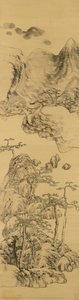
bada shanren
1626 - 1705
Breves datos
- Artistic Movement Or Style: Ming Dynasty Art
- Artists Who Influenced This Artist:
- Wang Meng
- Wu Zhen
- Date Of Birth: 1626
- Date Of Death: 1705
- Full Name: Zhu Da
- Nationality: Chinese
- Notable Artworks:
- Landscape Album
- Landscape in the style of Wang Meng
- Landscape in the style of Wu Zhen
- Place Of Birth: Beijing

