 Ver en contexto
 Enviar
 Compartir
 Detalles

 Descargar
 Similares
 Radiografía
 Presentación de diapositivas
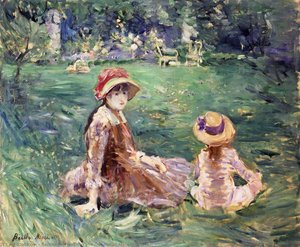
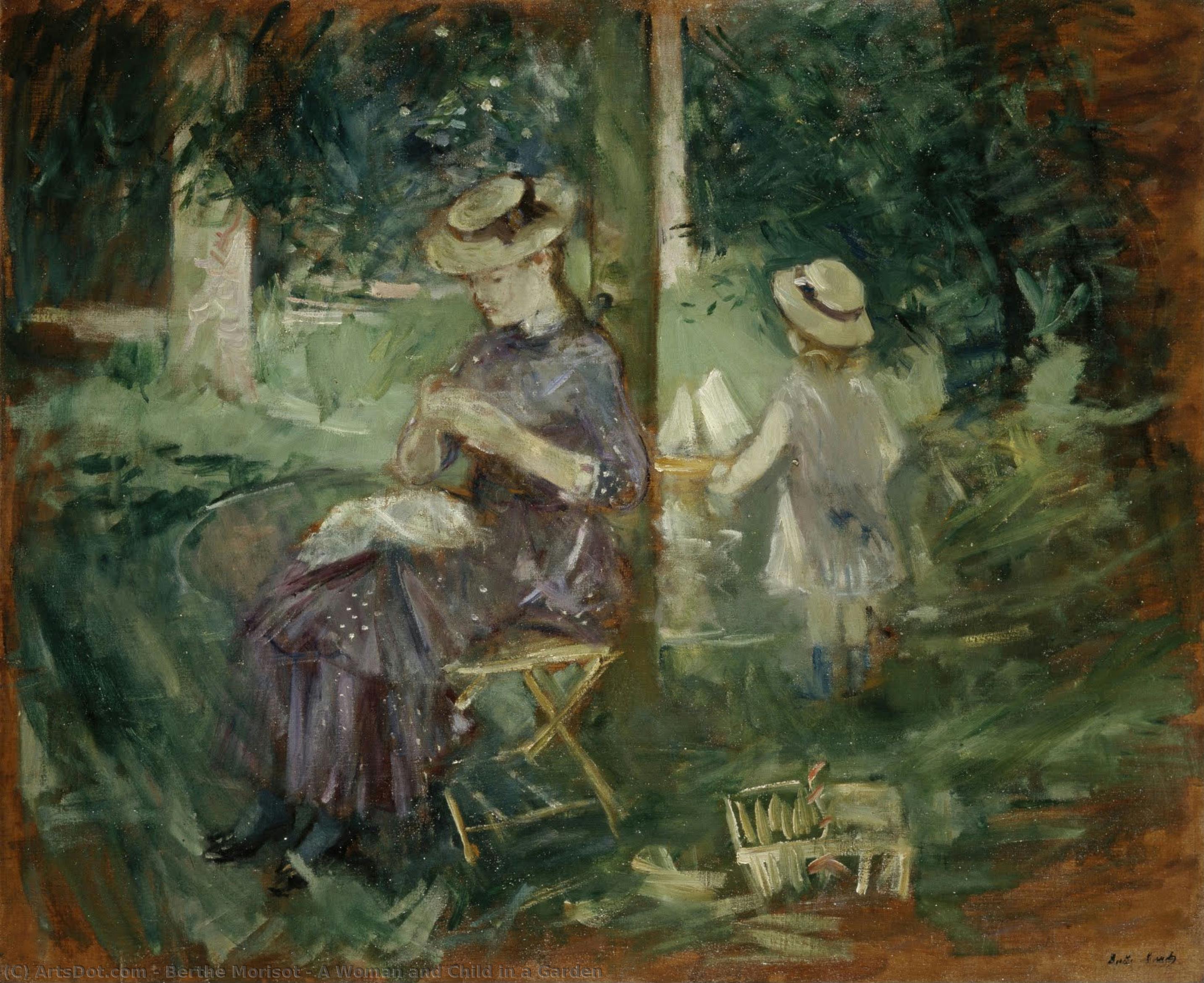
A Woman and Child in a Garden


 Ver más
Reproducción al óleo hecha a mano
Óleo sobre lienzo pintado a mano en el tamaño y marco de su elección, realizado por encargo por nuestros artistas. ( Comprar impresión Comprar imagen)




P118B $10

P118H $10

P118W $10

P438Z $10

P508JH $12

P508YH $12

P805H $10

P805Z $10

P919BZ $10

P919G $10

P919XJ $10

P959ZH $10

P968JZ $12

W106C $8

W218G $10

W218JH $8

W218Y $10

W307PJ $10

W316G $10

W316PJ $8

W316Y $10

W398PJ $8

W4111J $10

W500HY $15

W500JH $15

W692G $12

W849H $8

W940BG $15

W953PJ $8




Elija entre nuestros tamaños predefinidos que respetan las proporciones originales de la obra.

Puede ingresar sus propias dimensiones para adaptarse a un marco o espacio específico. Si el tamaño seleccionado no coincide con las proporciones de la imagen original, recortaremos la obra o extenderemos la pintura con elementos adicionales pintados a mano. Se le enviará una maqueta digital para su aprobación antes de comenzar la producción.
Tenga en cuenta que la vista previa en pantalla no refleja el recorte o la extensión reales. Solo la maqueta mostrará con precisión la composición final.
Si bien existen tamaños personalizados, recomendamos seleccionar una dimensión de la lista predefinida para preservar las proporciones originales.
Tras realizar el pedido, el equipo de ArtsDot.com enviará un correo electrónico al cliente para solicitar instrucciones y proporcionarle una vista previa del boceto.
Envío a todo el mundo () en 3-4 semanas en lugar de las 5 semanas estándar. (27 agosto). Sin comprometer la calidad.

Envío exprés gratuito a todo el mundo

Lienzo de lino de alta calidad

Seguro de envío total

Garantía de reembolso de impuestos aduaneros

Garantía de fidelidad cromática exacta

Política de devolución de 60 días (solo por defectos)

Garantía de devolución del 100% del dinero

Descuento por cantidad
 La opción de vidrio solo está disponible en tamaños inferiores a 110 cm.

A Woman and Child in a Garden
Técnica de reproducción
Dimensiones de la reproducción
-


Precio total final
$ 263
A Moment of Quietude: Berthe Morisot’s “A Woman and Child in a Garden”
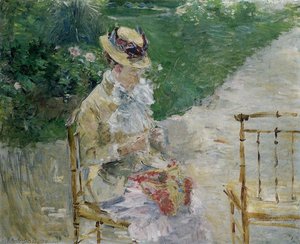
Berthe Morisot's "A Woman and Child in a Garden," painted between 1883 and 1884, isn’t merely a depiction of a domestic scene; it’s a carefully constructed tableau brimming with subtle symbolism and an exquisite sensitivity to light. This intimate portrait, housed within the Scottish National Gallery in Edinburgh, offers a rare glimpse into the private world of a French bourgeois family during the late 19th century – a world where leisure, familial connection, and the fleeting beauty of nature held profound significance. Morisot, a key figure within the Impressionist movement, masterfully captures this atmosphere through her distinctive technique and evocative use of color, inviting us to step into this serene moment of domestic tranquility.
The painting immediately draws the eye to its central figures: a woman seated on a simple chair, diligently knitting, and her young child standing nearby. The composition is deliberately asymmetrical, with the woman angled slightly towards the viewer, creating a sense of intimacy and drawing us into their shared space. Her posture suggests absorption in her task, while the child’s stance – poised and alert – hints at playful curiosity. Notice how Morisot avoids rigid formality; there's an inherent grace and informality to their arrangement, reflecting the relaxed atmosphere of a summer afternoon spent outdoors.
Impressionistic Techniques and Light
Morisot’s approach to painting is immediately recognizable as distinctly Impressionist. She eschews meticulous detail in favor of capturing the *impression* of light and color – the way sunlight filters through foliage, dances on surfaces, and transforms a scene with its ever-changing qualities. Her brushstrokes are loose and visible, creating a shimmering effect that mimics the dappled light filtering through the garden’s trees. The palette is dominated by soft blues, greens, and browns, punctuated by touches of brighter hues in the woman's dress and the child’s clothing. This careful orchestration of color isn’t about photographic realism; it’s about conveying a feeling – the warmth of the sun, the freshness of the air, and the contentment of shared moments.
The artist skillfully employs *plein air* painting—working directly from nature—a hallmark of the Impressionist movement. This technique allowed Morisot to observe and record light and color with unprecedented accuracy, resulting in paintings that are remarkably vibrant and alive. She used short, broken brushstrokes to build up layers of paint, creating a sense of depth and atmosphere. The background is deliberately blurred, emphasizing the foreground figures and contributing to the overall feeling of intimacy.
Symbolism and Context
Beyond its immediate visual appeal, “A Woman and Child in a Garden” carries subtle symbolic weight. The act of knitting represents domesticity, nurturing, and the quiet rhythms of family life – values highly prized within 19th-century French society. The garden itself serves as a sanctuary—a space for respite from the demands of daily life, a place where nature’s beauty can be appreciated. The presence of the bird perched on a branch above the figures adds another layer of symbolism, representing freedom and connection to the natural world.
Furthermore, the painting reflects Morisot's own personal circumstances. She spent summers at a house in Bougival, northwest of Paris, often painting in the Bois de Boulogne – locations that undoubtedly informed her depiction of this idyllic scene. Her marriage to Eugène Manet, brother of Édouard Manet, provided a supportive artistic environment, and their shared life offered countless opportunities for observing and capturing intimate moments like these.
Emotional Resonance and Artistic Legacy
“A Woman and Child in a Garden” is more than just a pretty picture; it’s a poignant meditation on family, nature, and the beauty of everyday life. Morisot's ability to capture such subtle emotions—a sense of peace, contentment, and quiet connection—is truly remarkable. The painting resonates with viewers today because it speaks to universal themes of love, family, and the simple pleasures of life.
Morisot’s work has been celebrated for its delicate beauty, innovative technique, and insightful portrayal of modern life. She remains one of the most important figures in Impressionism, a testament to her artistic vision and enduring legacy. Reproductions of this captivating painting offer a wonderful opportunity to bring a touch of Morisot's serene world into your own home – a reminder to appreciate the beauty that surrounds us and cherish the moments we share with loved ones.
Obras relacionadas
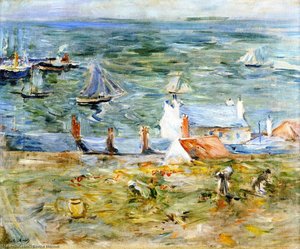
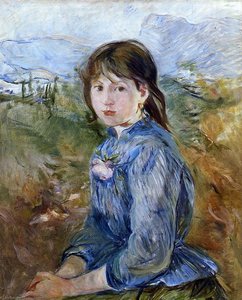
Biografía del artista
Primeros años y comienzos artísticos
Berthe Marie Pauline Morisot, pintora francesa, nació el 14 de enero de 1841 en Bourges, Francia. Provenía de una familia burguesa acomodada; su padre, Edmé Tiburce Morisot, era prefecto del departamento de Cher. Su madre, Marie-Joséphine-Cornélie Thomas, estaba relacionada con Jean-Honoré Fragonard, un destacado pintor rococó.Formación artística e influencias
Berthe, junto con sus hermanas Yves y Edma, recibió lecciones privadas de arte de Geoffroy-Alphonse Chocarne y Joseph Guichard. Esto marcó el comienzo de su viaje artístico. En 1857, Guichard las introdujo a la Galería del Louvre, donde aprendieron observando y copiando pinturas.Obras notables y exposiciones
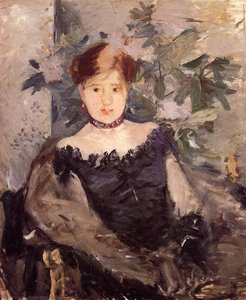
La primera aparición de Berthe en el Salón de París fue en 1864 con dos pinturas de paisajes. Continuó mostrando su trabajo regularmente hasta 1873. En 1874, se unió a los impresionistas en su primera exposición, que incluyó artistas notables como Paul Cézanne, Edgar Degas y Claude Monet.- Mujer con vestido verde, un retrato llamativo, muestra su estilo único.
- Su participación en las exposiciones impresionistas consolidó su posición dentro del movimiento.
- Como una de "las tres grandes damas" del impresionismo, la obra de Berthe fue elogiada por críticos como Gustave Geffroy.
Vida personal y legado
Berthe se casó con Eugène Manet, hermano de su amigo y colega Édouard Manet. Su carrera madura comenzó en 1872, cuando Durand-Ruel compró veintidós de sus pinturas. Berthe eligió exhibir bajo su nombre de soltera completo, un testimonio de su independencia. Hechos clave:- Casada con Eugène Manet, hermano de Édouard Manet.
- Primera exposición impresionista en 1874.
- Fue descrita como "la verdadera impresionista" por un crítico de *Le Temps* en 1877.
Explora más en ArtsDot:
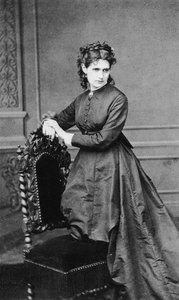
Berthe Morisot
1841 - 1895 , Francia
Datos clave
- Estilo Artístico: Impresionismo
- Fecha De Fallecimiento: 2 de marzo de 1895
- Fecha De Nacimiento: 14 de enero de 1841
- Influencias Artísticas:
- Camille Corot
- Édouard Manet
- Lugar De Nacimiento: Bourges, Francia
- Nacionalidad: Francesa
- Nombre Completo: Berthe Morisot
- Obras Notables:
- El Bebé
- Un Rincón del Jardín
- Retrato de una Mujer
Artículos relacionados
Cultivating Paradise: A Historical & Artistic Exploration of Gardens in Painting
Explore the rich history of gardens in painting! Discover masterpieces from Renaissance to Impressionism & beyond. Learn about symbolism, artists like Monet & Klimt, and find your perfect artwork at ArtsDot.
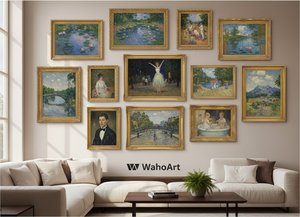
Los 10 Maestros Impresionistas que Revolucionaron el Arte | ArtsDot
Descubre los 10 cuadros impresionistas más influyentes de Monet, Renoir y Degas. Explora la historia, técnica y belleza de este movimiento artístico. Reproducciones de arte en ArtsDot.com para decorar tu hogar con estilo.

Beyond the Shadows: The Powerful Legacies of Artemisia Gentileschi and Berthe Morisot
Explore the profound legacies of Artemisia Gentileschi and Berthe Morisot. Discover how these female masters redefined the Baroque and Impressionist eras through dramatic chiaroscuro and luminous light, leaving an indelible mark on art history and modern aesthetics.
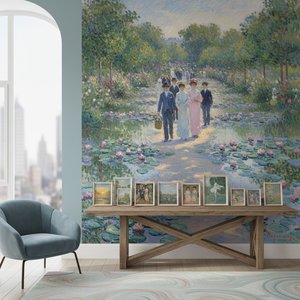
Los 10 Maestros del Impresionismo: Obras que Revolucionaron el Arte y la Decoración
Descubre los 10 cuadros más emblemáticos del Impresionismo con Monet, Renoir y Degas. Explora la historia, técnica y belleza de estas obras maestras. Reproducciones de arte en para decorar tu hogar con estilo.

Impresionismo: 10 Obras Maestras que Capturan la Luz y el Momento
Descubre 10 obras maestras del impresionismo de Monet, Renoir y Degas. Explora la luz, el color y las historias detrás de estos icónicos cuadros. Reproducciones de arte en ArtsDot.com para decorar tu hogar con estilo.