

 Ver en contexto
 Enviar
 Compartir
 Detalles

 Descargar
 Similares
 Radiografía
 Presentación de diapositivas
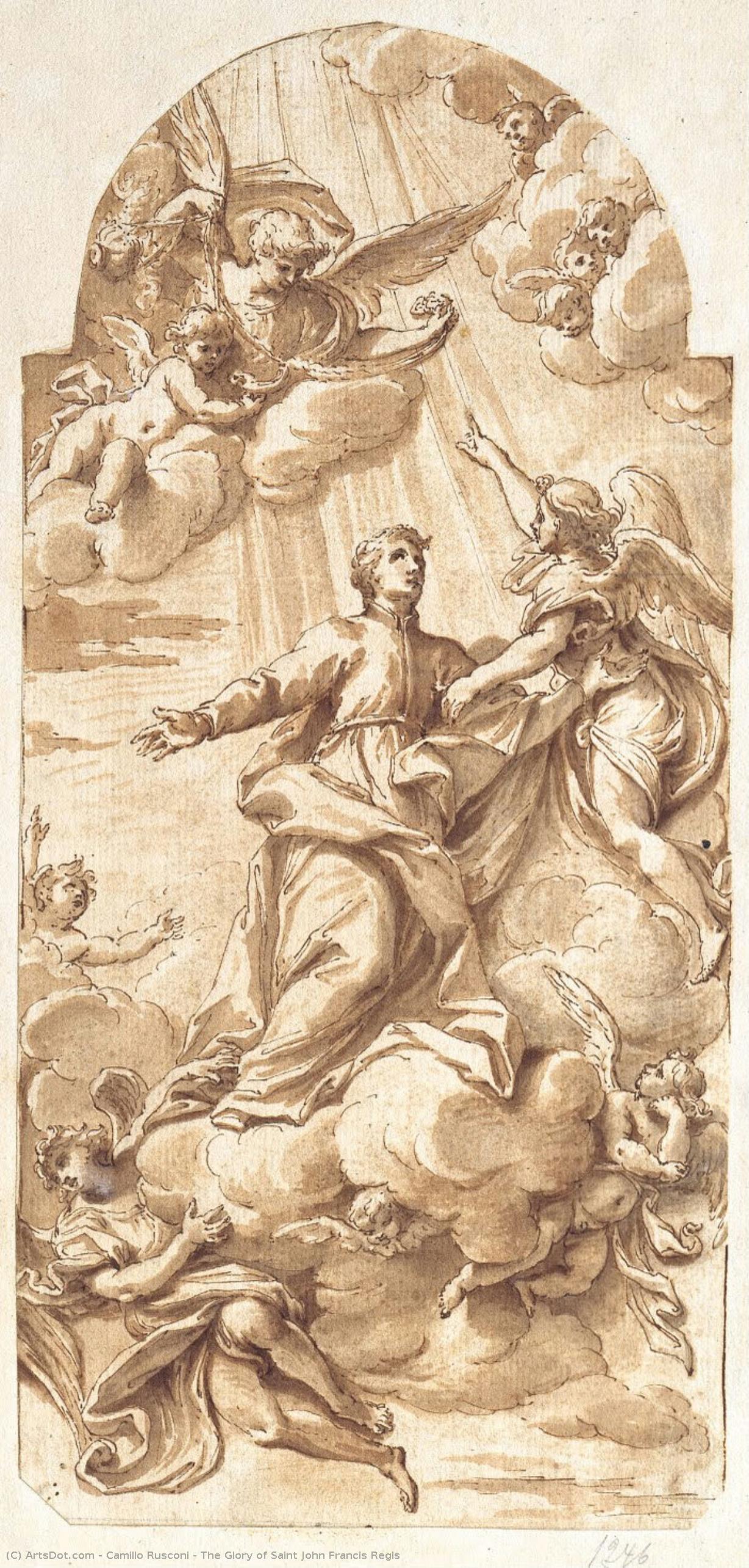
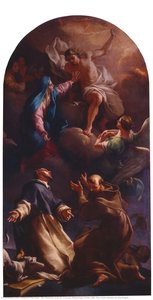
The Glory of Saint John Francis Regis
 Oil On Canvas
- WallArt
- Baroque
 1723
1723 140.0 x 295.0 cm
 Kunstpalast
 Ver más
Reproducción al óleo hecha a mano
Óleo sobre lienzo pintado a mano en el tamaño y marco de su elección, realizado por encargo por nuestros artistas. ( Comprar impresión Comprar imagen)




P118B $10

P118H $10

P118W $10

P438Z $10

P508JH $12

P508YH $12

P805H $10

P805Z $10

P919BZ $10

P919G $10

P919XJ $10

P959ZH $10

P968JZ $12

W106C $8

W218G $10

W218JH $8

W218Y $10

W307PJ $10

W316G $10

W316PJ $8

W316Y $10

W398PJ $8

W4111J $10

W500HY $15

W500JH $15

W692G $12

W849H $8

W940BG $15

W953PJ $8




Elija entre nuestros tamaños predefinidos que respetan las proporciones originales de la obra.

Puede ingresar sus propias dimensiones para adaptarse a un marco o espacio específico. Si el tamaño seleccionado no coincide con las proporciones de la imagen original, recortaremos la obra o extenderemos la pintura con elementos adicionales pintados a mano. Se le enviará una maqueta digital para su aprobación antes de comenzar la producción.
Tenga en cuenta que la vista previa en pantalla no refleja el recorte o la extensión reales. Solo la maqueta mostrará con precisión la composición final.
Si bien existen tamaños personalizados, recomendamos seleccionar una dimensión de la lista predefinida para preservar las proporciones originales.
Tras realizar el pedido, el equipo de ArtsDot.com enviará un correo electrónico al cliente para solicitar instrucciones y proporcionarle una vista previa del boceto.
Envío a todo el mundo () en 3-4 semanas en lugar de las 5 semanas estándar. (28 agosto). Sin comprometer la calidad.

Envío exprés gratuito a todo el mundo

Lienzo de lino de alta calidad

Seguro de envío total

Garantía de reembolso de impuestos aduaneros

Garantía de fidelidad cromática exacta

Política de devolución de 60 días (solo por defectos)

Garantía de devolución del 100% del dinero

Descuento por cantidad
 La opción de vidrio solo está disponible en tamaños inferiores a 110 cm.

The Glory of Saint John Francis Regis
Técnica de reproducción
Dimensiones de la reproducción
-


Precio total final
$ 263
A Celestial Vision: The Glory of Saint John Francis Regis
To stand before this depiction of The Glory of Saint John Francis Regis is to be enveloped by an atmosphere of divine transcendence. This magnificent work, dating from 1723, does not merely hang on a wall; it seems to radiate the very light and fervor of the spiritual realm it portrays. The central figure, Saint John Francis Regis, is captured in a moment of ecstatic revelation, his arms outstretched as if embracing the boundless grace descending upon him. It is a composition designed not just for viewing, but for experiencing—a visual hymn to faith.
The Baroque Echoes and Neoclassical Whisper
Painted by Camillo Rusconi, an artist whose career spanned the delicate transition between High Baroque dynamism and the emerging clarity of Neoclassicism, this piece is a masterful study in stylistic confluence. While the energy surrounding the Saint—the swirling drapery, the dramatic positioning of the angels—speaks eloquently of the late Baroque period's theatrical grandeur, there is an underlying sense of ordered majesty that hints at the restraint to come. Rusconi, whose life bridged such significant artistic epochs, imbues the scene with a palpable tension between overwhelming spiritual fervor and classical composure. The vintage quality inherent in the piece only deepens its connection to this pivotal moment in art history.
Symbolism Woven in Light and Form
The symbolism within The Glory of Saint John Francis Regis is rich and multilayered, inviting contemplation from every corner. The surrounding angels act as celestial attendants, their presence guiding the viewer's eye toward the central epiphany. Notice the placement of the cherubs—one tenderly positioned on the left, another on the right—acting almost as visual anchors that frame the saint’s divine connection. These elements, combined with the overall luminescence, suggest a narrative of spiritual ascent and heavenly favor. The outstretched arms are not merely gestures; they are conduits for grace, connecting the earthly devotion of the Saint to the infinite mystery above.
A Statement for the Connoisseur's Space
For the discerning collector or designer seeking an anchor piece that speaks volumes about history and spirituality, this reproduction offers unparalleled depth. The scale, measuring 140 x 295 cm, ensures that it commands attention while maintaining a sense of sublime harmony. Owning a representation of this work is to curate not just décor, but a narrative—a dialogue between the earthly sanctuary of your home and the eternal glory depicted on canvas. It promises an emotional resonance, transforming any room into a space imbued with profound, uplifting energy.
Obras relacionadas

Biografía del artista
Camillo Rusconi: Vida y Legado
Primeros Años y Formación
Camillo Rusconi (Milán, Italia, 1658 – 1728) fue un destacado escultor italiano del período barroco tardío en Roma. Su viaje artístico comenzó con formación en su ciudad natal de Milán bajo Giuseppe Rusnati, quien a su vez tenía conexiones con el taller de Ercole Ferrata en Roma. Esta temprana exposición sentó las bases para el éxito y el desarrollo estilístico posteriores de Rusconi.
Traslado a Roma y Carrera Temprana
Para 1685-1686, Rusconi se trasladó a Roma y entró al estudio de Ercole Ferrata. Desafortunadamente, Ferrata falleció poco después de la llegada de Rusconi, pero antes de hacerlo, transmitió valiosos conocimientos y experiencia. Rusconi rápidamente se estableció como un talentoso escultor, obteniendo encargos para estatuas alegóricas de yeso que representaban las cuatro virtudes – Prudencia, Justicia, Templanza y Fortaleza – para la Capilla Ludovisi en la iglesia de Sant'Ignazio. También colaboró con Le Gros en la escultura de ángeles para el tímpano del altar de San Ignacio en la Iglesia del Gesù.
Estilo Artístico e Influencias
El estilo de Rusconi se caracteriza por una mezcla única de dinamismo barroco y contención neoclásica. Estuvo profundamente influenciado por maestros anteriores como Algardi y Bernini, adoptando elementos de sus formas expresivas y su grandiosidad. Sin embargo, la influencia más significativa en su obra provino del pintor Carlo Maratta, cuya énfasis en la composición ordenada y la presentación clara de las figuras dio forma al enfoque de Rusconi para la escultura.
Logros Importantes
- Los Apóstoles en San Juan Laterano: Quizás el logro más celebrado de Rusconi es la serie de cuatro estatuas de apóstoles a tamaño real (Mateo, Santiago el Mayor, Andrés y Juan) creadas entre 1708 y 1718 para las nichos de la Basílica Archbasilica de San Juan Laterano. Este proyecto fue una importante empresa en Roma en ese momento, con Rusconi obteniendo más encargos que sus compañeros escultores Le Gros y Pierre-Etienne Monnot.
- Tumba del Papa Gregorio XIII: Completada entre 1715 y 1723 para la Basílica de San Pedro, esta tumba es un testimonio de la habilidad de Rusconi para crear escultura funeraria monumental.
- Otras Obras Notables: Rusconi también contribuyó con decoración arquitectónica a San Silvestro en Capite, San Salvatore in Lauro y la Chiesa Nuova (Santa Maria in Vallicella). Creó la tumba de Bartolomeo Corsino en San Giovanni in Laterano y el monumento al Príncipe Alessandro Sobieski en Santa Maria della Concezione.
Significado Histórico
Camillo Rusconi jugó un papel crucial en la transición del barroco al estilo neoclásico en la escultura romana. Su obra, particularmente los Apóstoles en San Juan Laterano, demostró una preferencia creciente por la contención y claridad clásica, estableciendo una tendencia que influiría en las generaciones posteriores de artistas. Se le describió como “Carlo Maratta en mármol”, destacando su capacidad para traducir la estética refinada del pintor a la forma escultórica.
Legado e Alumnos
El legado de Rusconi se extiende más allá de sus propias creaciones artísticas. Entrenó a varios escultores exitosos, incluidos Pietro Bracci, Giovanni Battista Maini y Filippo della Valle, asegurando la continuación de sus principios estilísticos. En 1727, fue honrado con el título de Príncipe (Príncipe) de la Academia di San Luca, un testimonio de su posición dentro de la comunidad artística romana.
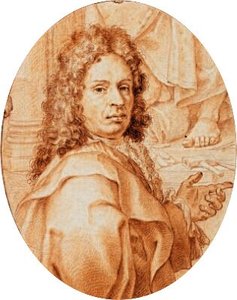
Camillo Rusconi
1658 - 1728 , Italia
Datos clave
- Artistic Movement Or Style: Barroco tardío y Neoclasicismo
- Artists Or Movements Influenced By This Artist:
- Pietro Bracci
- Giovanni Battista Maini
- Filippo della Valle
- Artists Who Influenced This Artist:
- Giuseppe Rusnati
- Ercole Ferrata
- Alessandro Algardi
- Gian Lorenzo Bernini
- Carlo Maratta
- Date Of Birth: 1658
- Date Of Death: 1728
- Full Name: Camillo Rusconi
- Nationality: Italian
- Notable Artworks:
- Apostoles en San Juan Laterano
- Tomb de Gregorio XIII
- San Silvestro en Capite
- Place Of Birth: Milán, Italia
Artículos relacionados

John Constable: Las 25 Obras Maestras del Paisaje Inglés | ArtsDot
Descubre las 25 obras maestras de John Constable, el pintor romántico inglés que capturó la belleza del paisaje. Explora su técnica, historia y significado en ArtsDot.com. Reproducciones de arte de alta calidad para tu hogar.

John Singer Sargent: Las 25 Obras Maestras del Retrato y la Belle Époque | ArtsDot
Descubre las 25 obras maestras de John Singer Sargent, el maestro del retrato y la Belle Époque. Explora su técnica impresionista, historias fascinantes y encuentra reproducciones de arte exclusivas para decorar tu hogar con elegancia en ArtsDot.com.

El Greco: Las 25 Obras Maestras que Definen un Genio del Arte y la Fe
Descubre las 25 obras maestras de El Greco, el genio del Renacimiento español. Explora su arte religioso, manierismo y la historia detrás de cuadros icónicos como 'El Entierro del Conde de Orgaz'. Encuentra reproducciones de alta calidad en ArtsDot.com.

The Dramatic Flourish: Exploring the Baroque Movement's Enduring Legacy in Art History
Explore the dramatic world of Baroque art! Discover iconic artists like Caravaggio & Rubens, defining techniques, and its lasting impact on art history. Expert insights for collectors & enthusiasts at ArtsDot.

The Visceral Stage: Exploring Dramatic Narratives & Emotional Intensity in Baroque Art
Explore the dramatic world of Baroque art! Discover iconic masters like Caravaggio & Rembrandt, their techniques, and the movement's lasting impact. Expert insights for collectors & enthusiasts at ArtsDot.

