

 Ver en contexto
 Enviar
 Compartir
 Detalles

 Descargar
 Similares
 Radiografía
 Presentación de diapositivas
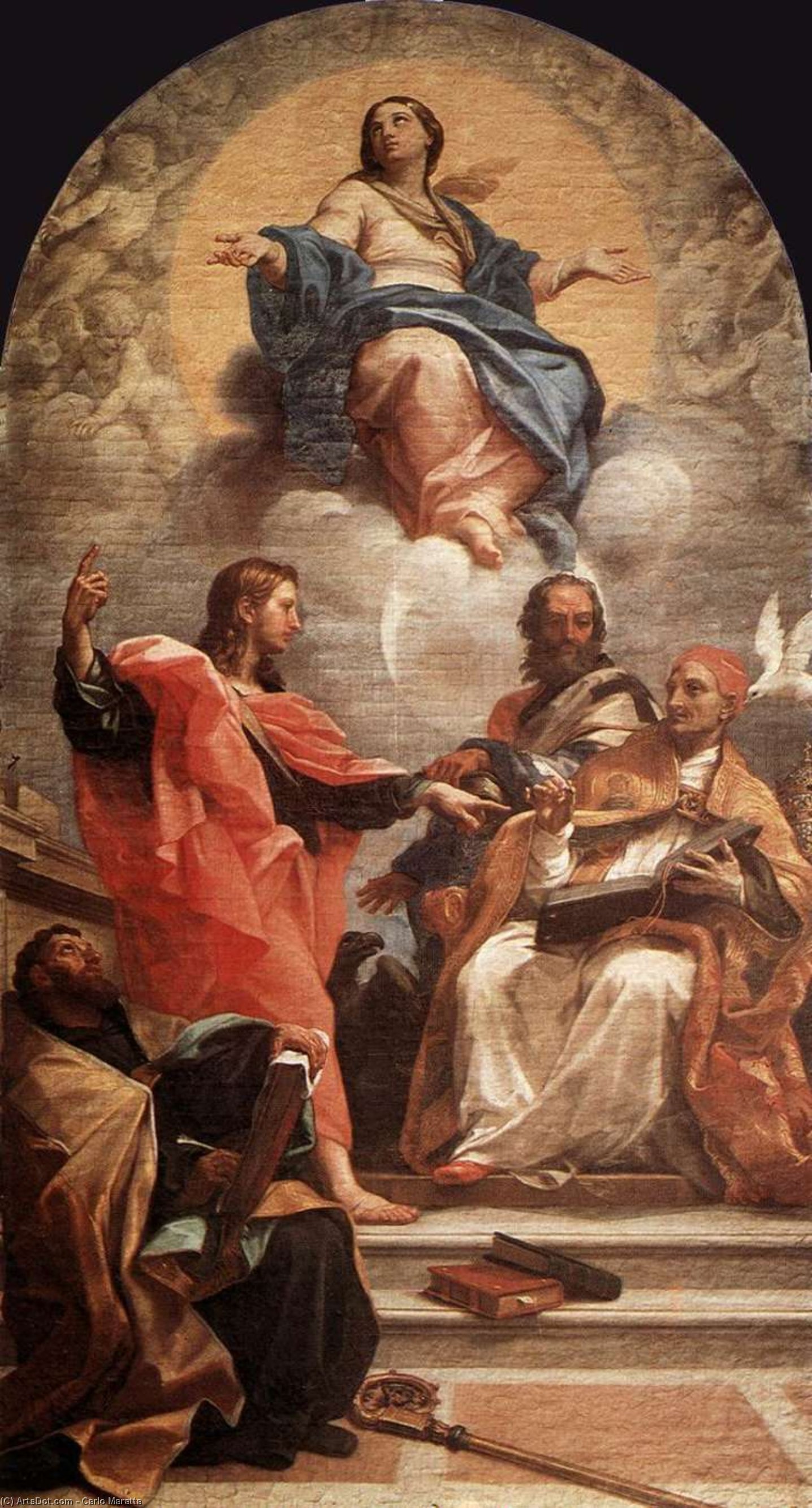
Assumption and the Doctors of the Church


 Ver más
Adquiera una imagen digital de alta resolución y optimizada, muy superior a la vista previa en línea.
Cada archivo es preparado meticulosamente por nuestros especialistas internos mediante el uso de herramientas avanzadas y un experto retoque manual. Nos aseguramos de que cada imagen posea una claridad excepcional, una precisión cromática impecable y un detalle minucioso.
El archivo final se entrega por correo electrónico en un plazo de 72 horas, optimizado para su uso inmediato en entornos profesionales, editoriales y de impresión. Esta es la misma calidad en la que confían los estudios de diseño, las editoriales y las galerías de primer nivel.
Imagen Digital
Descarga un archivo de alta resolución para exhibición personal, impresión y proyectos creativos. ( Comprar impresión Comprar pintura hecha a mano)
Incluido en cada pedido de imágenes digitales
Entrega digital experta, garantizada.
Al elegir ArtsDot.com, no solo está adquiriendo una imagen; está recibiendo una obra de arte digital mejorada profesionalmente, elaborada con precisión y respaldada por una garantía de satisfacción. Esto es todo lo que incluye su pedido, automáticamente:

Entrega rápida por email
Recibirá su archivo de imagen digital en alta resolución por correo electrónico en un plazo de 72 horas tras realizar su pedido, listo para su uso inmediato.

Archivo digital optimizado por IA
Su obra de arte se optimiza profesionalmente mediante herramientas avanzadas de IA y edición manual, garantizando el máximo detalle, claridad y precisión cromática.

Reenvío gratuito de por vida
¿Has borrado o perdido tu archivo por error? No te preocupes: te lo volveremos a enviar en cualquier momento, sin coste adicional.

Sin gastos de importación, siempre
Disfrute de su obra de arte al instante sin aduanas, aranceles ni gastos de envío; las descargas digitales siempre están libres de impuestos.

Garantía de fidelidad de color
Garantizamos que su imagen digital refleje los colores originales con la mayor fidelidad posible, mediante el uso de herramientas profesionales y gestión del color.

Garantía de satisfacción de 60 días
Si no está satisfecho con su imagen digital, la revisaremos o le reembolsaremos el 100% en un plazo de 60 días, sin preguntas.

100% Garantía de devolución de dinero
¿No está satisfecho? Obtenga un reembolso completo dentro de los 60 días posteriores a la recepción de su archivo digital, sin necesidad de explicaciones.

Descuentos por pedidos grandes
Compra 3 imágenes, ahorra 10% - Compra 5, ahorra 15% - Compra 10+, ahorra 20%. Ideal para proyectos creativos, galerías y agencias.
A Vision of Divine Grace: Exploring Carlo Maratta’s “Assumption and the Doctors of the Church”
Carlo Maratta's "Assumption and the Doctors of the Church," painted in 1689, is more than just a religious depiction; it’s a carefully constructed tableau of theological significance and artistic mastery. This monumental work, housed within the Chiesa dei Santi Biagio e Carlo ai Catinari in Genoa, Italy, offers a profound meditation on Mary's ascent into heaven alongside her twelve apostles – figures revered as Doctors of the Church, representing the embodiment of Christian doctrine. Maratta’s skill lies not merely in his technical proficiency but in his ability to imbue this complex theological subject with an atmosphere of serene dignity and contemplative grace.
The painting immediately draws the eye to Jesus Christ at its center, bathed in a soft, diffused light that seems to emanate from within. His outstretched arms, a gesture both welcoming and authoritative, invite the viewer into this sacred space. Surrounding him are the twelve apostles, rendered with remarkable attention to detail – each face etched with expressions of reverence and awe. Below Jesus, a book rests on a simple surface, symbolizing divine revelation and the foundational texts of Christian faith. The composition is meticulously balanced, reflecting Maratta’s commitment to classical principles of harmony and proportion, inherited directly from his apprenticeship under Andrea Sacchi.
The Baroque Embrace: Style and Technique
Maratta's style firmly places him within the Roman Baroque tradition, yet he departs subtly from the more flamboyant excesses characteristic of some of his contemporaries. He eschews dramatic diagonals and intense emotionalism in favor of a refined elegance and controlled composition. The use of color is restrained – predominantly cool blues, purples, and golds – creating a sense of solemnity and spiritual depth. Maratta’s brushwork is smooth and polished, contributing to the painting's luminous quality. He masterfully employs *chiaroscuro*—the dramatic contrast between light and shadow—to sculpt forms and draw attention to key figures, particularly Jesus Christ.
The artist’s technique reveals a deep understanding of anatomy and perspective. The figures are rendered with anatomical accuracy, yet they possess an ethereal quality, as if suspended in a realm beyond the earthly. Maratta's meticulous detailing extends to the folds of their garments, the textures of their skin, and the expressions on their faces – all contributing to the painting’s lifelike appearance. The overall effect is one of profound realism tempered by a sense of otherworldly beauty.
Symbolism and Theological Significance
“Assumption and the Doctors of the Church” is rich in symbolic meaning. The Assumption itself, the belief that Mary ascended into heaven body and soul, represents divine grace and redemption. The twelve apostles, as Doctors of the Church, symbolize the authority of the Gospels and the transmission of Christian doctrine. Their presence underscores the importance of faith and tradition within the Catholic Church. The book beneath Jesus signifies the Bible—the source of all Christian teachings—and highlights Mary’s role as the Mother of God and a central figure in the unfolding of salvation history.
Furthermore, the painting reflects the broader theological concept of Marian dogma – specifically, the belief that Mary was taken up body and soul into heaven. This event is celebrated annually on August 15th, known as the Feast of the Assumption. The scene’s serene atmosphere invites contemplation on themes of faith, hope, and divine love, offering a powerful visual representation of core Christian beliefs.
A Legacy of Grace: Maratta's Influence and Reproduction
Carlo Maratta remains one of the most significant figures in 17th-century Italian painting. His work exemplifies the transition from the High Baroque to a more classically influenced style, characterized by clarity, balance, and restraint. Reproductions of “Assumption and the Doctors of the Church” offer an accessible way to experience the beauty and depth of Maratta’s artistic vision. When selecting a reproduction, consider the quality of materials and printing techniques—a faithful representation will capture the painting's luminous colors and subtle details, allowing you to appreciate the artist’s skill and the profound spiritual message conveyed by this enduring masterpiece.
Obras relacionadas
Biografía del artista
Primeros años y formación
Carlo Maratta, un destacado pintor italiano, nació el 15 de mayo de 1625 en Camerano, Estados Pontificios (actualmente Italia). A la edad de 11 años, se mudó a Roma, donde se convirtió en aprendiz en el estudio de Andrea Sacchi. Esto marcó el comienzo de su viaje artístico, que eventualmente lo llevaría a convertirse en una figura líder en la escuela romana de pintura.Estilo artístico e influencias
Las pinturas de Maratta se caracterizan por su estilo clasicizante, ejecutado en una manera barroca clásica tardía. Aunque formaba parte de la tradición clásica derivada de Rafael, no estuvo exento de la influencia de la pintura barroca, particularmente en su uso del color. Su contemporáneo y amigo, Giovanni Bellori, escribió una biografía temprana sobre Maratta, destacando su enfoque artístico único.Obras notables y comisiones
Algunas de las obras notables de Maratta incluyen:- La Visita (1656) para Santa Maria della Pace, que muestra su dominio de la luz y el movimiento.
- El Misterio de la Trinidad Revelada a San Agustín (c. 1655), demostrando su capacidad para equilibrar el idealismo clásico con elementos barrocos.
- La Aparición de la Virgen a San Felipe Neri (c. 1675), ahora en el Palacio Pitti en Florencia, ejemplificando su talentosa interpretación del tema.
Legado y honores
La carrera artística de Maratta abarcó más de seis décadas, durante las cuales recibió numerosas comisiones de prominentes mecenas, incluidos seis papas. Fue nombrado Surintendent des chambres du Vatican por Inocencio XI y se le encargó reparar los frescos de Rafael en el Vaticano en 1702-1703. El legado de Maratta como maestro de la manera barroca clásica tardía continúa siendo celebrado a través de sus obras, que se pueden encontrar en varios museos, incluidos los que aparecen en ArtsDot.com.- Vea las obras de arte de Maratta en ArtsDot: Obras de arte de Carlo Maratta
- Lea más sobre la vida y las obras de Maratta en Wikipedia: Carlo Maratta - Wikipedia
Fechas clave
1625: Nació en Camerano, Estados Pontificios (actualmente Italia) 1636: Se mudó a Roma y se convirtió en aprendiz en el estudio de Andrea Sacchi. 1713: Falleció en Roma, dejando atrás un legado de pinturas clasicizantes.Relación con otros artistas
Maratta estuvo influenciado por Andrea Sacchi, su maestro, quien fusionó el clasicismo y el dramatismo. También se puede observar una conexión con Camillo Rusconi, escultor barroco que conectó el Barroco y el Neoclasicismo. Además, la obra de Pier Leone Ghezzi, pintor del Rococó y caricaturista pionero, muestra un desarrollo artístico paralelo en Roma.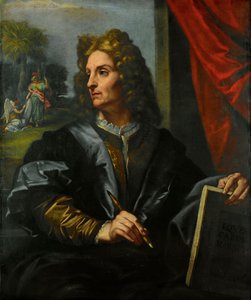
Carlo Maratta
1625 - 1713 , Italia
Breves datos
- Artistas Que Influyeron:
- Andrea Sacchi
- Rafael
- Fecha De Nacimiento: 15 de mayo de 1625
- Influenciado A Artistas:
- Camillo Rusconi
- Pier Leone Ghezzi
- Lugar De Nacimiento: Camerano, Italia
- Movimiento Artístico: Barroco clasicista tardío
- Nacionalidad: Italiana
- Nombre Completo: Carlo Maratta
- Nombres Otros: Maratti
- Obras Notables:
- La Visión (1656)
- El Misterio de la Trinidad
- La Aparición de la Virgen

