 Ver en contexto
 Enviar
 Compartir
 Detalles

 Descargar
 Similares
 Radiografía
 Presentación de diapositivas
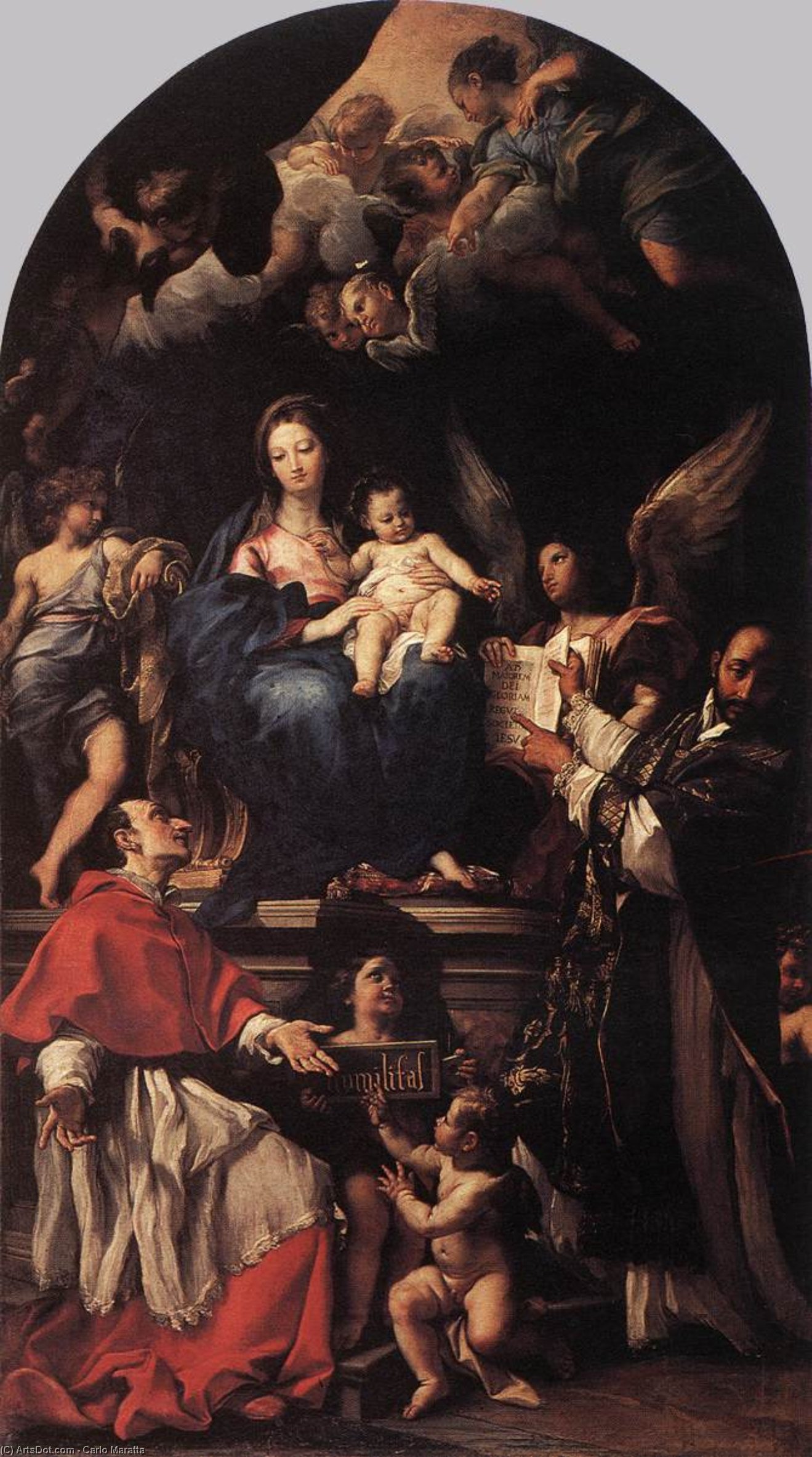
Madonna and Child Enthroned with Angels and Saints


 Ver más
Giclée / Impresión de arte
Impresiones giclée o en lienzo de calidad de museo con producción rápida y opciones de acabado flexibles. ( Comprar pintura hecha a mano Comprar imagen)




P118B $10

P118H $10

P118W $10

P438Z $10

P508JH $12

P508YH $12

P805H $10

P805Z $10

P919BZ $10

P919G $10

P919XJ $10

P959ZH $10

P968JZ $12

W106C $8

W218G $10

W218JH $8

W218Y $10

W307PJ $10

W316G $10

W316PJ $8

W316Y $10

W398PJ $8

W4111J $10

W500HY $15

W500JH $15

W692G $12

W849H $8

W940BG $15

W953PJ $8




Elija entre nuestros tamaños predefinidos que respetan las proporciones originales de la obra.

Puede introducir sus propias dimensiones para adaptarse a un marco o espacio específico. Si el tamaño seleccionado no coincide con las proporciones de la imagen original, recortaremos la obra de arte o extenderemos la imagen con un borde con efecto espejo o de color sólido. Se enviará una maqueta digital para su aprobación antes de que comience la producción.
Tenga en cuenta que la vista previa en pantalla no refleja el recorte o la extensión real. Solo la maqueta mostrará con precisión la composición final.
Aunque existen tamaños personalizados, recomendamos seleccionar una dimensión de la lista predefinida para preservar las proporciones originales.
Envío a todo el mundo () en 2 semanas en lugar de las 4/5 semanas estándar. (24 agosto)

Envío exprés gratuito a todo el mundo

Lienzo de lino de alta calidad

Seguro de envío total

Garantía de reembolso de impuestos aduaneros

Garantía de fidelidad cromática exacta

Política de devolución de 60 días (solo por defectos)

Garantía de devolución del 100% del dinero

Descuento por cantidad
 La opción de vidrio solo está disponible en tamaños inferiores a 110 cm.

Madonna and Child Enthroned with Angels and Saints
Giclée / Impresión de arte
Dimensiones de la reproducción
-


Precio total final
$ 62
Descripción de la pieza
Madonna and Child Enthroned with Angels and Saints
Carlo Maratta’s “Madonna and Child Enthroned with Angels and Saints” stands as a cornerstone of Baroque Classicizing Style, encapsulating the artistic fervor of 17th-century Rome during a period marked by papal patronage and an unwavering devotion to religious iconography. Painted circa 1680, this monumental canvas transcends mere representation; it embodies a profound meditation on divine grace and maternal sanctity—themes central to Catholic piety at the time. The artwork’s composition is meticulously balanced, reflecting the Baroque preoccupation with grandeur and order amidst dramatic visual effects. At its core resides Mary, seated upon an ornate throne adorned with intricate carvings symbolizing royal authority and spiritual elevation. Beneath her gaze rests Jesus Christ, cradled securely in her arms—a depiction instantly recognizable as one of the most enduring images of motherhood within Western art history. Surrounding them are a multitude of angels and saints, engaged in gestures of reverence and adoration, creating an atmosphere of celestial splendor. Each figure is rendered with painstaking detail, showcasing Maratta’s mastery of chiaroscuro – the skillful manipulation of light and shadow—a technique characteristic of Baroque painting that intensifies emotional impact and lends depth to the scene. The stylistic choices underscore Maratta's commitment to classical ideals while simultaneously embracing Baroque dynamism. Unlike the exuberant flamboyance of earlier Baroque artists, Maratta favored a restrained palette and precise modeling, prioritizing clarity and harmony over theatrical exuberance. This approach aligns with the broader artistic movement’s aspiration for elegance and intellectual sophistication—a reaction against the turbulent upheavals of the Reformation and a desire to reaffirm faith through refined aesthetic expression. The artist's meticulous attention to anatomical accuracy reflects the humanist influence prevalent during Maratta’s time, grounding the spiritual narrative in observable reality. Symbolism permeates every element of “Madonna and Child Enthroned.” Mary’s blue cloak—a traditional emblem of purity—contrasts sharply with the golden throne, symbolizing divine majesty and holiness. The infant Jesus, swathed in white linens, represents innocence and divinity—the embodiment of Christ’s divine nature. Angels bearing musical instruments evoke the liturgical tradition of praising God through music, reinforcing the artwork's spiritual significance. Furthermore, the saints depicted hold objects laden with symbolic meaning: a book signifies knowledge and scripture; a scroll proclaims divine revelation; and a chalice represents Eucharist—the sacrament commemorating Jesus’s sacrifice for humanity. The painting’s impact transcends its visual beauty, resonating deeply within viewers through its portrayal of maternal compassion and spiritual contemplation. Maratta skillfully captures the serene dignity of Mary and the tenderness with which she embraces her son—inspiring awe and reverence. “Madonna and Child Enthroned” continues to captivate audiences today as a testament to Baroque artistry’s ability to convey profound theological concepts in an aesthetically compelling manner, securing its place as one of Rome's most treasured artistic achievements.- Artist: Carlo Maratta
- Born Year: 1625
- Death Year: 1713
- Birth City: Camerano
- Birth Country: Italy
Additional Research:
The artwork’s provenance traces back to the Chiesa Nuova in Rome, a church commissioned by Pope Benedict XIV and renowned for its opulent Baroque interior decoration. Its depiction aligns closely with the broader artistic trends of the era—a period characterized by papal patronage and an unwavering devotion to religious iconography. The painting's stylistic features are consistent with Maratta’s signature style, reflecting his commitment to classical ideals while simultaneously embracing Baroque dynamism.File Information:
The image depicts a classical painting that captures the Madonna and Child Enthroned with Angels and Saints. The central figures are Mary, who is seated on a throne, and the infant Jesus, who is held by her. Both figures are surrounded by angels and saints, each engaged in various activities or gestures of reverence. Mary is depicted as a serene figure, holding the baby Jesus securely. She is adorned with a blue cloak, which is a common symbol of purity in religious art. The infant Jesus is dressed in swaddling clothes, a traditional representation of newborns at that time. The angels surrounding Mary and Jesus are depicted as winged figures, some holding musical instruments like lutes or flutes, suggesting the presence of music in this celestial scene. Their wings are spread wide, indicating their divine nature. Among the saints, one is seen holding a book, possibly symbolizing knowledge or scripture. Another saint holds a scroll with an inscription, which could be interpreted as a message from God or a prophecy. The other figures hold various objects that may have symbolic meanings, such as a chalice, a lily, and a palm branch. The background of the painting is dark, which helps to highlight the central figures and creates a sense of depth. The throne on which Mary sits is ornate, with intricate carvings and decorations, adding to the grandeur of the scene. The painting is executed in a realistic style typical of Baroque art, characterized by dramatic use of light and shadow, detailed rendering of figures and objects, and an emphasis on movement and emotion. The artist has skillfully used these techniques to create a sense of awe and reverence befitting the religious subject matter.Useful Links:
Obras relacionadas
Biografía del artista
Primeros años y formación
Carlo Maratta, un destacado pintor italiano, nació el 15 de mayo de 1625 en Camerano, Estados Pontificios (actualmente Italia). A la edad de 11 años, se mudó a Roma, donde se convirtió en aprendiz en el estudio de Andrea Sacchi. Esto marcó el comienzo de su viaje artístico, que eventualmente lo llevaría a convertirse en una figura líder en la escuela romana de pintura.Estilo artístico e influencias
Las pinturas de Maratta se caracterizan por su estilo clasicizante, ejecutado en una manera barroca clásica tardía. Aunque formaba parte de la tradición clásica derivada de Rafael, no estuvo exento de la influencia de la pintura barroca, particularmente en su uso del color. Su contemporáneo y amigo, Giovanni Bellori, escribió una biografía temprana sobre Maratta, destacando su enfoque artístico único.Obras notables y comisiones
Algunas de las obras notables de Maratta incluyen:- La Visita (1656) para Santa Maria della Pace, que muestra su dominio de la luz y el movimiento.
- El Misterio de la Trinidad Revelada a San Agustín (c. 1655), demostrando su capacidad para equilibrar el idealismo clásico con elementos barrocos.
- La Aparición de la Virgen a San Felipe Neri (c. 1675), ahora en el Palacio Pitti en Florencia, ejemplificando su talentosa interpretación del tema.
Legado y honores
La carrera artística de Maratta abarcó más de seis décadas, durante las cuales recibió numerosas comisiones de prominentes mecenas, incluidos seis papas. Fue nombrado Surintendent des chambres du Vatican por Inocencio XI y se le encargó reparar los frescos de Rafael en el Vaticano en 1702-1703. El legado de Maratta como maestro de la manera barroca clásica tardía continúa siendo celebrado a través de sus obras, que se pueden encontrar en varios museos, incluidos los que aparecen en ArtsDot.com.- Vea las obras de arte de Maratta en ArtsDot: Obras de arte de Carlo Maratta
- Lea más sobre la vida y las obras de Maratta en Wikipedia: Carlo Maratta - Wikipedia
Fechas clave
1625: Nació en Camerano, Estados Pontificios (actualmente Italia) 1636: Se mudó a Roma y se convirtió en aprendiz en el estudio de Andrea Sacchi. 1713: Falleció en Roma, dejando atrás un legado de pinturas clasicizantes.Relación con otros artistas
Maratta estuvo influenciado por Andrea Sacchi, su maestro, quien fusionó el clasicismo y el dramatismo. También se puede observar una conexión con Camillo Rusconi, escultor barroco que conectó el Barroco y el Neoclasicismo. Además, la obra de Pier Leone Ghezzi, pintor del Rococó y caricaturista pionero, muestra un desarrollo artístico paralelo en Roma.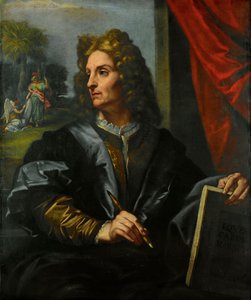
Carlo Maratta
1625 - 1713 , Italia
Datos clave
- Artistas Que Influyeron:
- Andrea Sacchi
- Rafael
- Fecha De Nacimiento: 15 de mayo de 1625
- Influenciado A Artistas:
- Camillo Rusconi
- Pier Leone Ghezzi
- Lugar De Nacimiento: Camerano, Italia
- Movimiento Artístico: Barroco clasicista tardío
- Nacionalidad: Italiana
- Nombre Completo: Carlo Maratta
- Nombres Otros: Maratti
- Obras Notables:
- La Visión (1656)
- El Misterio de la Trinidad
- La Aparición de la Virgen
Artículos relacionados

Drama Barroca: Llevando la Grandeza y la Emoción a los Interiores Contemporáneos
Descubre cómo el drama y la grandeza del arte barroco pueden transformar tus interiores. Guía experta, inspiración y reproducciones de alta calidad en .

The Dramatic Flourish: Exploring the Baroque Movement's Enduring Legacy in Art History
Explore the dramatic world of Baroque art! Discover iconic artists like Caravaggio & Rubens, defining techniques, and its lasting impact on art history. Expert insights for collectors & enthusiasts at ArtsDot.

Barroco Sublime: 10 Obras Maestras que Definieron una Época |
Descubre las 10 obras maestras del Barroco que marcaron una época. Caravaggio, Bernini y Velázquez cobran vida en . Reproducciones de arte de calidad museo para decorar tu hogar con elegancia. ¡Explora la colección online!

The Visceral Stage: Exploring Dramatic Narratives & Emotional Intensity in Baroque Art
Explore the dramatic world of Baroque art! Discover iconic masters like Caravaggio & Rembrandt, their techniques, and the movement's lasting impact. Expert insights for collectors & enthusiasts at ArtsDot.

Theatricality & Triumph: Baroque Drama in Painting & Sculpture
Explore the dramatic world of Baroque art! Discover its history, defining characteristics, & lasting influence on painting & sculpture. Expert insights into Caravaggio, Zurbarán, and Bernini – plus high-quality reproductions at ArtsDot.