 Ver en contexto
 Enviar
 Compartir
 Detalles

 Descargar
 Similares
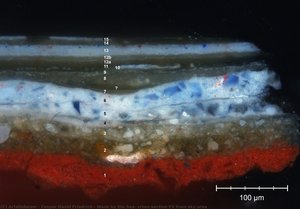
 Radiografía
 Presentación de diapositivas
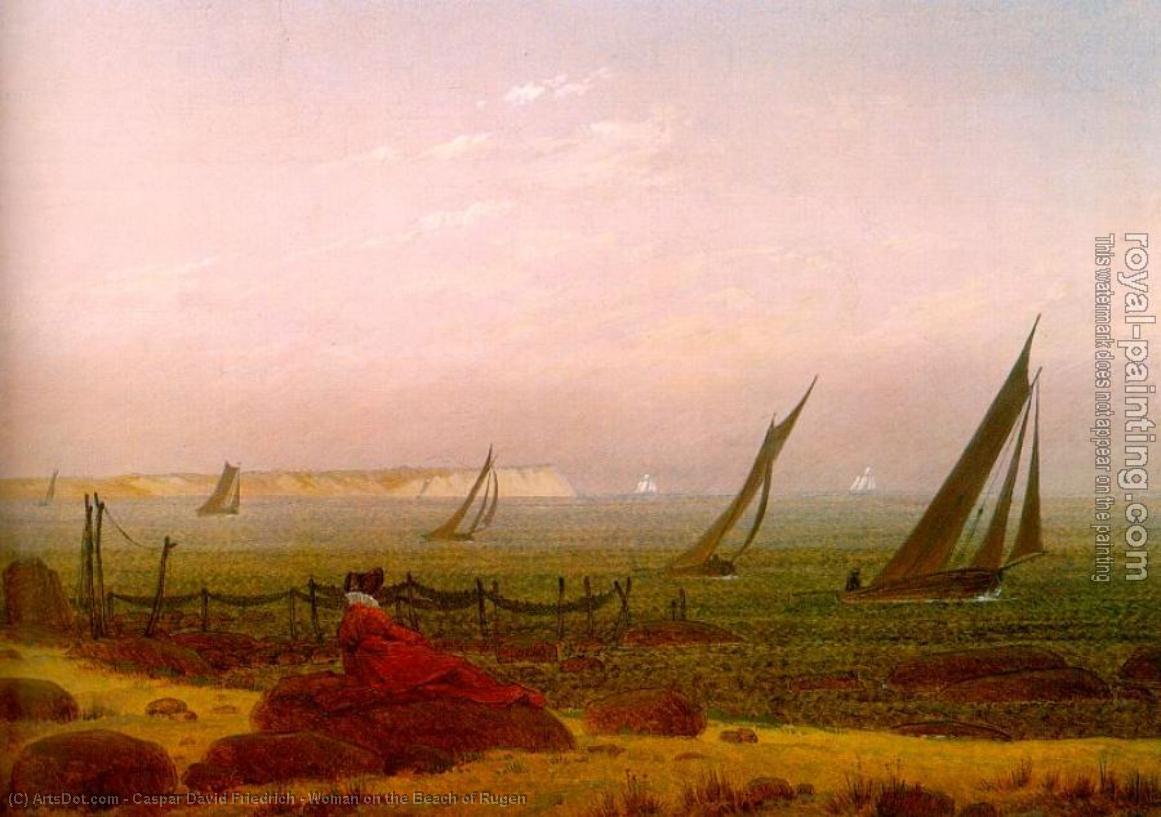
Woman on the Beach of Rugen


 Ver más
Reproducción al óleo hecha a mano
Óleo sobre lienzo pintado a mano en el tamaño y marco de su elección, realizado por encargo por nuestros artistas. ( Comprar impresión Comprar imagen)




P118B $10

P118H $10

P118W $10

P438Z $10

P508JH $12

P508YH $12

P805H $10

P805Z $10

P919BZ $10

P919G $10

P919XJ $10

P959ZH $10

P968JZ $12

W106C $8

W218G $10

W218JH $8

W218Y $10

W307PJ $10

W316G $10

W316PJ $8

W316Y $10

W398PJ $8

W4111J $10

W500HY $15

W500JH $15

W692G $12

W849H $8

W940BG $15

W953PJ $8




Elija entre nuestros tamaños predefinidos que respetan las proporciones originales de la obra.

Puede ingresar sus propias dimensiones para adaptarse a un marco o espacio específico. Si el tamaño seleccionado no coincide con las proporciones de la imagen original, recortaremos la obra o extenderemos la pintura con elementos adicionales pintados a mano. Se le enviará una maqueta digital para su aprobación antes de comenzar la producción.
Tenga en cuenta que la vista previa en pantalla no refleja el recorte o la extensión reales. Solo la maqueta mostrará con precisión la composición final.
Si bien existen tamaños personalizados, recomendamos seleccionar una dimensión de la lista predefinida para preservar las proporciones originales.
Tras realizar el pedido, el equipo de ArtsDot.com enviará un correo electrónico al cliente para solicitar instrucciones y proporcionarle una vista previa del boceto.
Envío a todo el mundo () en 3-4 semanas en lugar de las 5 semanas estándar. (31 agosto). Sin comprometer la calidad.

Envío exprés gratuito a todo el mundo

Lienzo de lino de alta calidad

Seguro de envío total

Garantía de reembolso de impuestos aduaneros

Garantía de fidelidad cromática exacta

Política de devolución de 60 días (solo por defectos)

Garantía de devolución del 100% del dinero

Descuento por cantidad
 La opción de vidrio solo está disponible en tamaños inferiores a 110 cm.

Woman on the Beach of Rugen
Técnica de reproducción
Dimensiones de la reproducción
-


Precio total final
$ 263
A Solitary Vision: Exploring Friedrich’s “Woman on the Beach of Rugen”
The painting "Woman on the Beach of Rugen," executed by Caspar David Friedrich in 1838, stands as a quintessential embodiment of Romantic landscape art—a genre characterized by intense emotion and an idealized depiction of nature. More than just a scenic vista, it’s a profound meditation on solitude, contemplation, and the human relationship with the sublime. Friedrich's masterful command of technique contributes significantly to its enduring power, inviting viewers into a dialogue about existential questions.Style and Technique: Romantic Idealism Embodied
Friedrich’s style is instantly recognizable for its austere beauty and deliberate restraint. Unlike earlier Baroque landscapes that aimed for grandeur and theatrical effect, Friedrich prioritized conveying inner psychological states rather than merely presenting external appearances. He achieved this through a carefully considered palette dominated by muted blues and greens—colors evocative of the Rugen coastline's misty atmosphere—and subtle tonal gradations that create an illusion of depth and luminosity. The artist employed meticulous brushwork, applying thin layers of paint to build up texture and capturing the ephemeral qualities of light and shadow with remarkable precision. This technique is particularly evident in the depiction of the horses’ coats, which shimmer with reflected sunlight, demonstrating Friedrich's dedication to capturing natural phenomena accurately.Historical Context: Weimar Romanticism and Philosophical Inquiry
Friedrich’s artistic output flourished during Weimar Romanticism—a period marked by intellectual ferment and a fervent belief in the transformative power of imagination. Influenced by philosophers like Johann Wolfgang Goethe and Friedrich Schelling, Friedrich wrestled with questions concerning mortality, spirituality, and the limits of human understanding. “Woman on the Beach of Rugen” reflects this philosophical preoccupation, portraying a woman seemingly detached from worldly concerns—a figure who embodies stillness and introspection amidst the vastness of the natural world. The painting emerged against a backdrop of societal anxieties surrounding industrialization and urbanization, offering an antidote to materialism by emphasizing the restorative virtues of communion with nature.Symbolism: Horses, Boats, and the Quest for Transcendence
The composition itself is laden with symbolic significance. The two horses grazing on the beach represent strength and nobility—symbols frequently employed by Friedrich to convey moral virtue and spiritual aspiration. Their presence underscores the painting’s overarching theme of transcendence—the desire to escape earthly limitations and achieve a higher state of consciousness. Similarly, the sailboats scattered across the horizon symbolize human ambition and exploration, yet they are dwarfed by the dominant force of the landscape—a reminder that humanity is ultimately subservient to the grandeur of nature. The woman's posture—facing away from the viewer—further reinforces this sense of detachment and invites contemplation about inner experience.Emotional Impact: A Balm for the Soul
Ultimately, “Woman on the Beach of Rugen” transcends mere visual representation; it evokes a powerful emotional response in the viewer. Its melancholic beauty speaks to feelings of longing, solitude, and acceptance—themes that resonate deeply with audiences across generations. Friedrich’s masterful use of color and texture creates an atmosphere of serene contemplation, offering a respite from the pressures of modern life. The painting encourages us to pause, observe, and appreciate the profound interconnectedness between humanity and the natural world—a timeless message that continues to inspire artists and collectors alike. It serves as a poignant reminder that true fulfillment lies not in conquering nature but in harmonizing with its rhythms and embracing its sublime majesty.Obras relacionadas

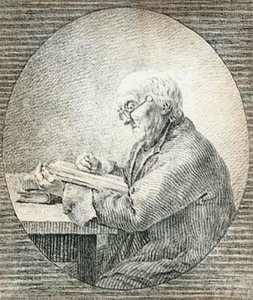
Biografía del artista
vida temprana y carrera
caspar david friedrich, una figura destacada del movimiento romántico alemán, nació el 5 de septiembre de 1774, en Greifswald, que entonces formaba parte de Pomerania sueca. Sus primeros años estuvieron marcados por una inclinación innata hacia el arte, lo que le llevó a estudiar en la Universidad de Leipzig y posteriormente en Copenhague.estilo artístico y temas
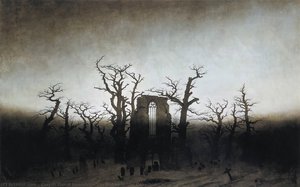
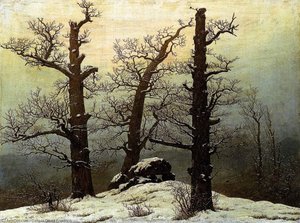
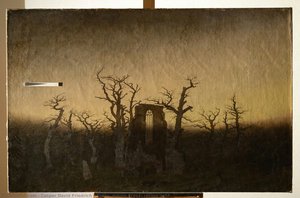
La obra de Friedrich se caracteriza por el uso profundo de elementos góticos y fenómenos naturales para evocar una profunda contemplación y un sentido del sublime. Sus paisajes a menudo disminuyen las figuras humanas para resaltar la inmensidad del mundo natural, reflejando el cambio social de su época hacia la espiritualidad en lugar de los beneficios materiales.- abbey among oak trees, un estado intermedio después de la eliminación del aglutinante viejo y retoques, muestra la maestría de Friedrich para capturar la esencia de la naturaleza (alte nationalgalerie, Berlín, Alemania, fotografía).
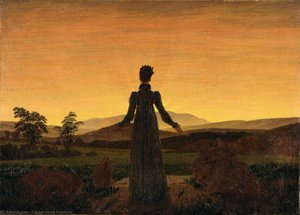
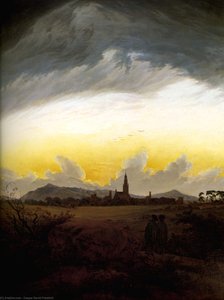
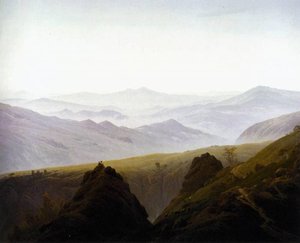
- Morning (óleo) ejemplifica su capacidad para representar escenas serenas e introspectivas.
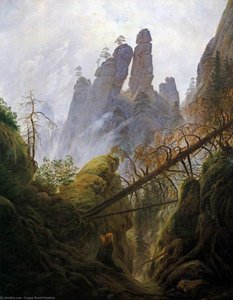
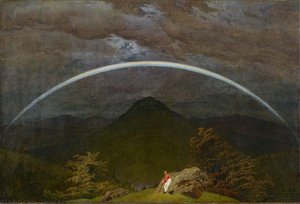
- northern landscape, spring (óleo) y landscape in the riesengebirge (óleo) demuestran aún más su habilidad para capturar la belleza de la naturaleza en diferentes estaciones y paisajes.
influencia y legado
La influencia de Friedrich en la historia del arte es profunda, siendo su obra pionera del romanticismo alemán. Su estilo contemplativo, aunque inicialmente celebrado, cayó fuera de sintonía con el progreso industrial de Alemania más tarde. Sin embargo, a fines del siglo XX, fue aclamado como un artista de renombre internacional. puntos clave en la carrera de Friedrich:- reconocimiento temprano por su 'tragedia del paisaje' en su obra.
- declive en popularidad durante su vida posterior debido al progreso industrial en Alemania.
- aclamación póstuma como pionero del romanticismo alemán a fines del siglo XX.
explore more at ArtsDot
Para una extensa base de datos de obras de arte y biografías de artistas, incluyendo las obras de Caspar David Friedrich, visite [https://ArtsDot.com](https://ArtsDot.com). Descubra la evolución del arte occidental a través de los siglos, desde la Edad Media temprana hasta la era moderna, con la wahoo art timeline. Aprenda sobre las figuras clave en la historia del arte y explore los diferentes estilos y movimientos que dieron forma al mundo del arte.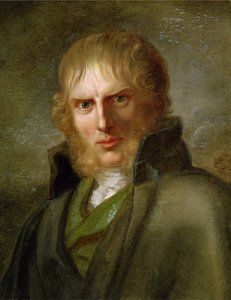
Caspar David Friedrich
1774 - 1840 , Alemania
Datos clave
- Artistas Que Influyeron:
- Jacob van Ruisdael
- Immanuel Kant
- Fecha De Muerte: 7 de mayo de 1840
- Fecha De Nacimiento: 5 de septiembre de 1774
- Influencia Artística:
- Simbolistas
- Surrealistas
- Lugar De Nacimiento: Greifswald, Alemania
- Movimiento Artístico: Romanticismo alemán
- Nacionalidad: Alemán
- Nombre Completo: Caspar David Friedrich
- Obras Notables:
- El mar de hielo
- El caminante sobre el
- Abadía en el hayedo
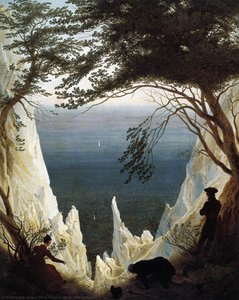
- Acantilados de tiza en Rügen
Artículos relacionados

Paisajes Románticos: 10 Obras Maestras que Definieron un Movimiento Artístico
Descubre los 10 paisajes románticos más influyentes de artistas como Caspar David Friedrich y Turner. Explora la belleza, el simbolismo y las técnicas del movimiento romántico. Reproducciones de arte exclusivas en ArtsDot.com.

Caspar David Friedrich: Romanticism's Master of Landscape & the Sublimity of Inner Experience
Explore the profound landscapes of Caspar David Friedrich, a master of German Romanticism. Discover the symbolism, themes & enduring influence of this iconic artist. A deep dive into his life and work.
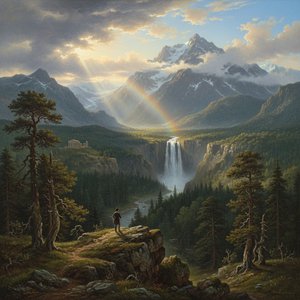
Evoking Nature's Sublime: A Comprehensive Exploration of 19th-Century Landscape Painting
Explore the captivating world of 19th-century landscape painting! Discover renowned artists like Friedrich & Monet, key movements, and find the perfect artwork to bring nature's serenity into your home. Expert insights at ArtsDot.

John Constable: Las 25 Obras Maestras del Paisaje Inglés | ArtsDot
Descubre las 25 obras maestras de John Constable, el pintor romántico inglés que capturó la belleza del paisaje. Explora su técnica, historia y significado en ArtsDot.com. Reproducciones de arte de alta calidad para tu hogar.

Evocations of Place: A Historical Journey Through Landscape Art
Explore the rich history of landscape art with ArtsDot. Discover renowned artists, movements like Impressionism & Romanticism, and expert guidance for collecting timeless pieces. Find your perfect serene escape today!