

 Ver en contexto
 Enviar
 Compartir
 Detalles

 Descargar
 Similares
 Radiografía
 Presentación de diapositivas
 Estadísticas
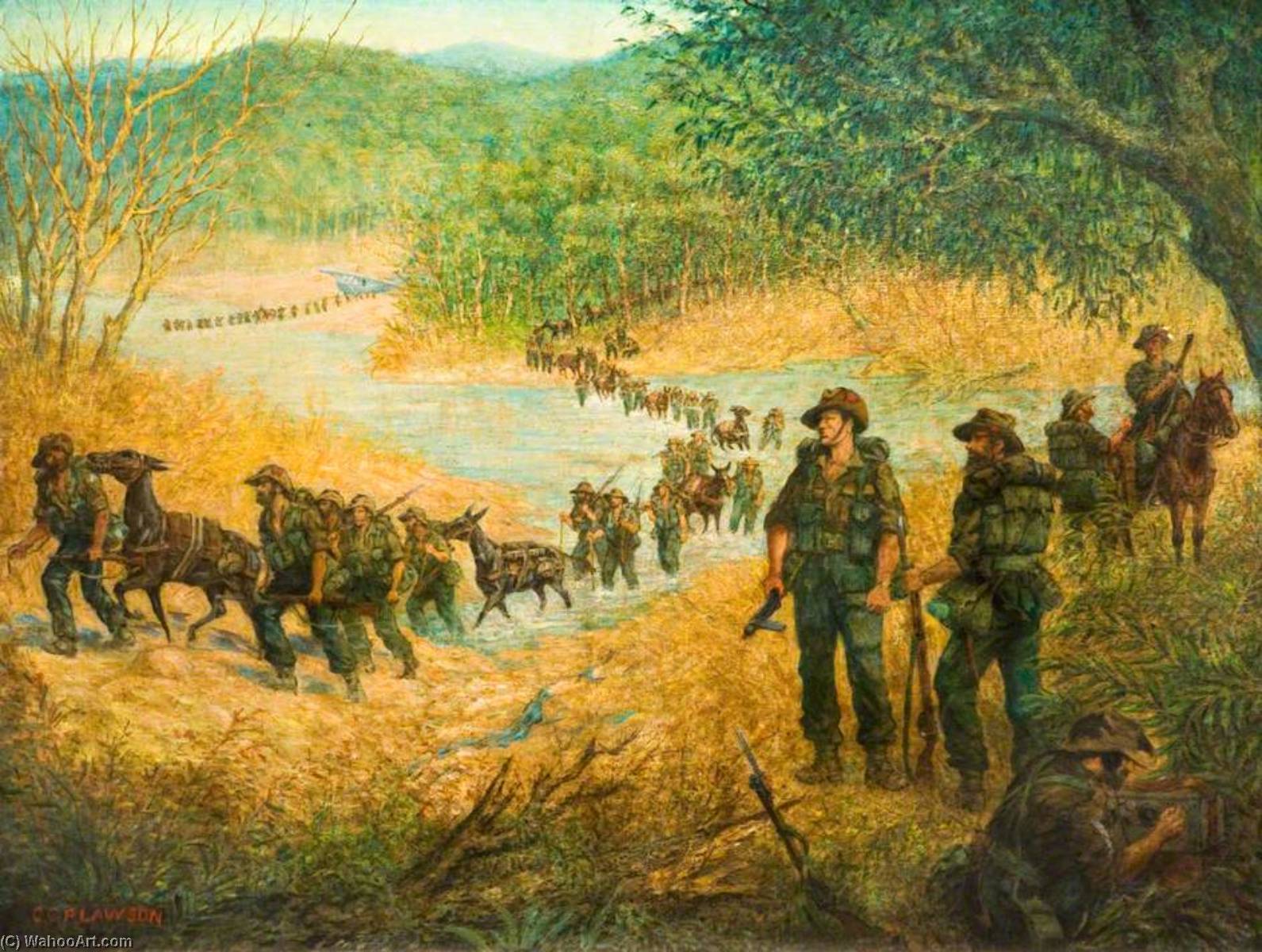
1st South Staffords on the March in Burma, 1944
 Oil
Oil- WallArt
 1944
1944- Modern
 60.0 x 96.0 cm
 El Museo del Regimiento Staffordshire
 Ver más
Reproducción al óleo hecha a mano
Óleo sobre lienzo pintado a mano en el tamaño y marco de su elección, realizado por encargo por nuestros artistas. ( Cambiar a Impresión Cambiar a imagen digital)




P118B $10

P118H $10

P118W $10

P438Z $10

P508JH $12

P508YH $12

P805H $10

P805Z $10

P919BZ $10

P919G $10

P919XJ $10

P959ZH $10

P968JZ $12

W106C $8

W218G $10

W218JH $8

W218Y $10

W307PJ $10

W316G $10

W316PJ $8

W316Y $10

W398PJ $8

W4111J $10

W500HY $15

W500JH $15

W692G $12

W849H $8

W940BG $15

W953PJ $8




Elija entre nuestros tamaños predefinidos que respetan las proporciones originales de la obra.

Puede ingresar sus propias dimensiones para adaptarse a un marco o espacio específico. Si el tamaño seleccionado no coincide con las proporciones de la imagen original, recortaremos la obra o extenderemos la pintura con elementos adicionales pintados a mano. Se le enviará una maqueta digital para su aprobación antes de comenzar la producción.
Tenga en cuenta que la vista previa en pantalla no refleja el recorte o la extensión reales. Solo la maqueta mostrará con precisión la composición final.
Si bien existen tamaños personalizados, recomendamos seleccionar una dimensión de la lista predefinida para preservar las proporciones originales.
Tras realizar el pedido, el equipo de ArtsDot.com enviará un correo electrónico al cliente para solicitar instrucciones y proporcionarle una vista previa del boceto.
Envío a todo el mundo () en 3-4 semanas en lugar de las 5 semanas estándar. (8 septiembre). Sin comprometer la calidad.

Envío exprés gratuito a todo el mundo

Lienzo de lino de alta calidad

Seguro de envío total

Garantía de reembolso de impuestos aduaneros

Garantía de fidelidad cromática exacta

Política de devolución de 100 días (solo por defectos)

Garantía de devolución del 100% del dinero

Descuento por cantidad
 La opción de vidrio solo está disponible en tamaños inferiores a 110 cm.

1st South Staffords on the March in Burma, 1944
Técnica de reproducción
Dimensiones de la reproducción
-


Precio total final
$ 263
A Journey Through Time: The Resilience of the 1st South Staffords
In the evocative canvas of 1st South Staffords on the March in Burma, 1944, we are transported to a pivotal moment in the annals of World War II. This historical masterpiece captures more than just a military movement; it encapsulates the very essence of human endurance and the heavy burden of duty. The scene unfolds across a sprawling field, where a column of soldiers moves with a rhythmic, determined pace through the lush, untamed landscape of Burma. As we gaze upon the composition, the eye is immediately drawn to the interplay between man and beast, as horses and mules, laden with the essential supplies of war, tramping alongside their human counterparts. The painting serves as a profound window into a period of immense global upheaval, freezing a moment of quiet, focused preparation amidst the looming shadows of conflict.
The artistry within this piece lies in its ability to blend historical documentation with a deeply moving atmosphere. The artist masterfully utilizes the natural setting—a verdant expanse framed by dense, protective trees—to create a sense of both isolation and sanctuary. There is a palpable weight to the scene, felt in the heavy backpacks worn by the men and the steady, rhythmic gait of the animals. Each figure, whether mounted or walking on foot, contributes to a larger narrative of collective effort and shared destiny. The composition invites the viewer to walk alongside this regiment, feeling the humidity of the Burmese terrain and the solemnity of their mission.
Technique and Visual Grandeur
From an aesthetic perspective, this work is a triumph of historical realism. The technique employed allows for a rich texture that brings the organic elements of the landscape to life—the soft foliage of the surrounding trees, the dusty earth beneath the hooves, and the rugged gear of the infantry. The light in the painting plays a crucial role, filtering through the canopy to highlight the determination etched on the faces of the fourteen men visible in the procession. This careful manipulation of light and shadow creates a sense of depth that pulls the observer into the heart of the march.
For the discerning collector or interior designer, this piece offers an unparalleled opportunity to introduce a conversation starter into any space. The scale of 60 x 96 cm provides a commanding presence, making it an ideal centerpiece for a study, a library, or a sophisticated gallery wall. The painting does not merely decorate a room; it anchors it with a sense of gravity and historical importance. Its palette, rooted in the natural tones of the Burmese wilderness, offers a timeless elegance that complements both classic and contemporary decor, providing a window into a world of bravery and steadfastness.
The Emotional Legacy of the March
Beyond its technical merits, the true power of this work resides in its emotional resonance. It is a tribute to the 1st South Staffords, celebrating the teamwork and grit required to navigate the complexities of wartime logistics. There is a subtle melancholy inherent in the scene—a recognition of the uncertainty that lay ahead for these soldiers—yet it is balanced by an overwhelming sense of purpose. The painting captures the quiet heroism found not in grand battles, but in the daily, grueling perseverance of the march.
Owning a high-quality reproduction of this work means preserving a fragment of history. It allows the spirit of 1944 to reside within a modern home, offering a constant reminder of the strength of the human spirit when faced with monumental challenges. Whether viewed as an educational piece for history enthusiasts or as a profound work of art for those moved by the beauty of historical narrative, this painting remains an enduring testament to a generation defined by their courage.
Obras relacionadas
Biografía del artista
Vida Temprana y Familia
- Nacimiento: Fountain Place, Wellington, Shropshire, Reino Unido, 3 de diciembre de 1849
- Fallecimiento: West Brompton, Londres, 10 de junio de 1882 (a los 32 años)
- Padres: William Lawson (pintor de retratos) y Elizabeth R. Stone
- Hermanos: Francis Wilfrid Lawson (artista), Malcolm Leonard Lawson (músico)
- La familia Lawson se mudó a Londres poco después del nacimiento de Cecil.
- Desde la infancia, estuvo dedicado al arte con una naturaleza seria.
Formación Artística y Carrera Temprana
- No recibió formación artística formal.
- Fue instruido en dibujo y pintura por su padre y su hermano Wilfrid.
- Artista autodidacta, influenciado por William Henry Hunt.
- Sus primeras obras incluyeron estudios de frutas, flores y escenas junto al río en Chelsea.
- Exhibió por primera vez en la Royal Academy en 1870 con *Cheyne Walk*.
- Realizó dibujos para grabado en madera.
- Estuvo asociado con artistas como Fred Walker, G.J. Pinwell, Hubert Herkomer, Charles Keene y William Small.
Desarrollo y Obras Principales
- Pasó del acuarela al óleo alrededor de 1869.
- Viajó extensamente por Gran Bretaña (Irlanda, Gales, Kent) y Europa continental (Países Bajos, Bélgica, Francia).
- *A Hymn to Spring* (1871-72) – Rechazada por la Academia pero demostró una transición hacia un enfoque más colorido. Actualmente en el Santa Barbara Museum of Art.
- *The Hop-Gardens of England* (1874) - Exhibida en la Royal Academy en 1876, recibió muchos elogios.
- *The Minister's Garden* (1878) – Un triunfo significativo exhibido en la Grosvenor Gallery y posteriormente adquirido por el Manchester Art Gallery.
- Obras posteriores reflejaron un estado de ánimo más trágico y representaban escenas de su vecindario o Yorkshire.
- *The August Moon* - Ahora en Tate Britain, Londres.
Influencias y Estilo Artístico
- Influencias: Thomas Gainsborough, John Crome, John Constable, William Henry Hunt.
- Estilo: Restauró la tradición de la pintura paisajística inglesa con una intensidad imaginativa. A menudo asociado con la escuela Idyllist.
- Conocido por escenas evocadoras del campo inglés y un estilo distintivo caracterizado tanto por elementos idílicos como trágicos.
Vida Posterior, Familia y Legado
- Matrimonio: Se casó con Constance Birnie Philip en 1879 (hija del escultor John Birnie Philip).
- Hijo: Cecil Constant Philip Lawson (1880-1967), también artista.
- Sufrió de problemas de salud en años posteriores, lo que llevó a una visita a la Riviera Francesa.
- Falleció el 10 de junio de 1882 en West Brompton debido a inflamación pulmonar.
- Legado: Considerado una figura clave en la pintura paisajística británica del siglo XIX, conocido por restaurar tradiciones e infundirlas con visión personal. Su obra se encuentra en importantes colecciones como Tate Britain y Manchester Art Gallery.
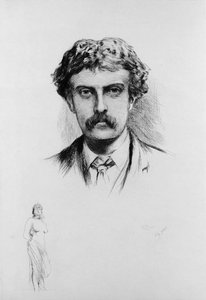
Cecil Gordon Lawson
1851 - 1882 , Reino Unido
Datos clave
- Artistas Que Influyeron:
- Thomas Gainsborough
- John Crome
- John Constable
- William Henry Hunt
- Fecha De Fallecimiento: 10 junio 1882
- Fecha De Nacimiento: 3 diciembre 1849
- Lugar De Nacimiento: Shropshire, Reino Unido
- Movimiento Artístico: Pintura de paisajes
- Nacionalidad: Británico
- Nombre Completo: Cecil Gordon Lawson
- Obras Notables:
- A Hymn to Spring
- The Hop-Gardens of England
- The Minister's Garden
- The August Moon
Artículos relacionados
Fernand Léger: Las 25 Obras Maestras del Tubismo y la Vanguardia Francesa | ArtsDot
Descubre las 25 obras maestras de Fernand Léger, pionero del tubismo y la vanguardia francesa. Explora su estética industrial, composiciones geométricas y vibrantes colores. Reproducciones de arte exclusivas en ArtsDot.com.
Isaac Lazarus Israëls: A Chronicle of Dutch Life & the Evolution of Impressionistic Realism
Explore the captivating world of Isaac Lazarus Israëls (1865-1934), a leading Dutch Amsterdam Impressionist. Discover his city scenes, portraits & travels through Asia – a chronicle of Dutch life and artistic evolution.