

 Ver en contexto
 Enviar
 Compartir
 Detalles

 Descargar
 Similares
 Radiografía
 Presentación de diapositivas
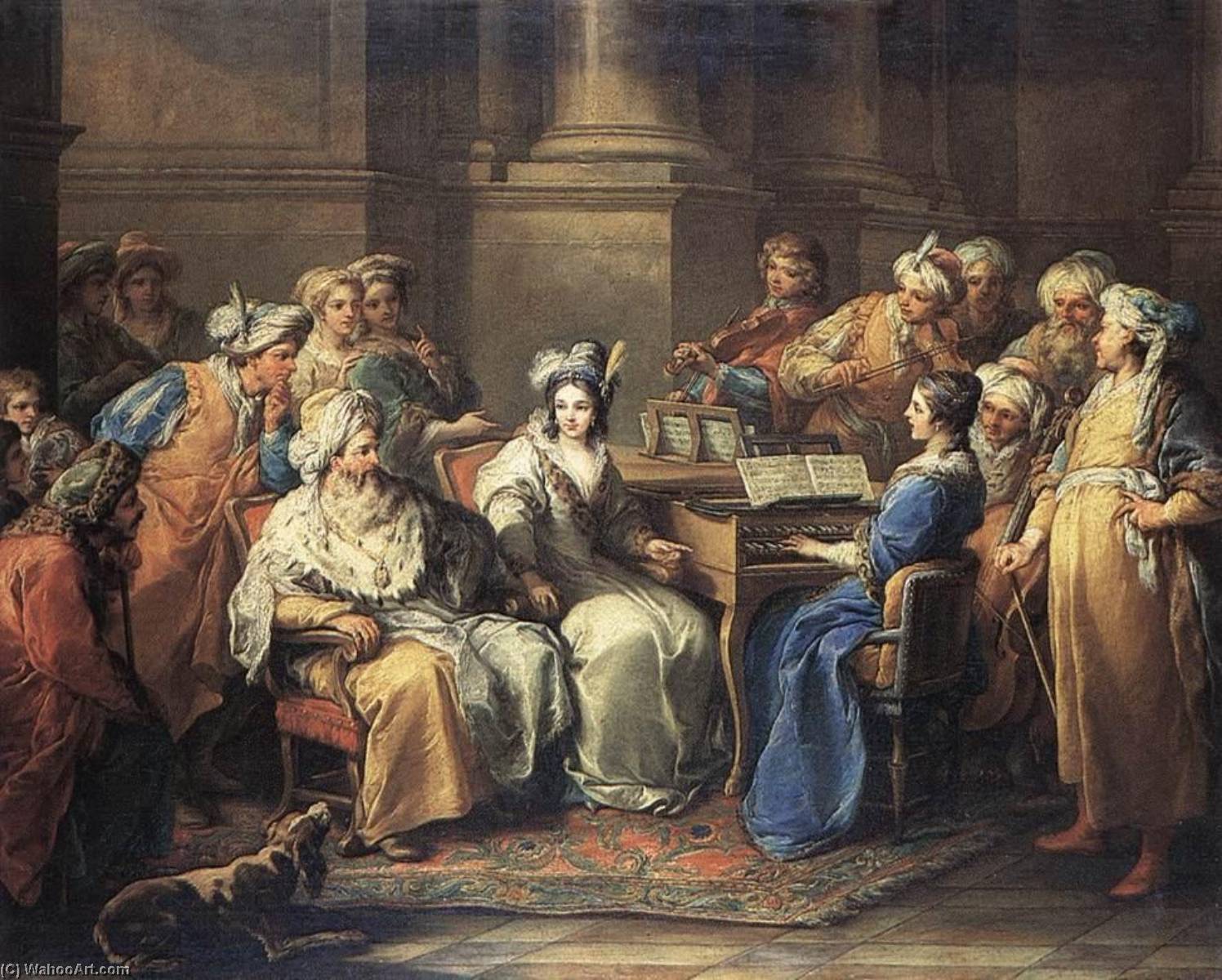
The Grand Turk Giving a Concert to his Mistress
 Oil On Canvas
- WallArt
- Rococo
 1737
1737 73.0 x 91.0 cm
 The Wallace Collection
 Ver más
Adquiera una imagen digital de alta resolución y optimizada, muy superior a la vista previa en línea.
Cada archivo es preparado meticulosamente por nuestros especialistas internos mediante el uso de herramientas avanzadas y un experto retoque manual. Nos aseguramos de que cada imagen posea una claridad excepcional, una precisión cromática impecable y un detalle minucioso.
El archivo final se entrega por correo electrónico en un plazo de 72 horas, optimizado para su uso inmediato en entornos profesionales, editoriales y de impresión. Esta es la misma calidad en la que confían los estudios de diseño, las editoriales y las galerías de primer nivel.
Imagen Digital
Descarga un archivo de alta resolución para exhibición personal, impresión y proyectos creativos. ( Comprar impresión Comprar pintura hecha a mano)
Incluido en cada pedido de imágenes digitales
Entrega digital experta, garantizada.
Al elegir ArtsDot.com, no solo está adquiriendo una imagen; está recibiendo una obra de arte digital mejorada profesionalmente, elaborada con precisión y respaldada por una garantía de satisfacción. Esto es todo lo que incluye su pedido, automáticamente:

Entrega rápida por email
Recibirá su archivo de imagen digital en alta resolución por correo electrónico en un plazo de 72 horas tras realizar su pedido, listo para su uso inmediato.

Archivo digital optimizado por IA
Su obra de arte se optimiza profesionalmente mediante herramientas avanzadas de IA y edición manual, garantizando el máximo detalle, claridad y precisión cromática.

Reenvío gratuito de por vida
¿Has borrado o perdido tu archivo por error? No te preocupes: te lo volveremos a enviar en cualquier momento, sin coste adicional.

Sin gastos de importación, siempre
Disfrute de su obra de arte al instante sin aduanas, aranceles ni gastos de envío; las descargas digitales siempre están libres de impuestos.

Garantía de fidelidad de color
Garantizamos que su imagen digital refleje los colores originales con la mayor fidelidad posible, mediante el uso de herramientas profesionales y gestión del color.

Garantía de satisfacción de 60 días
Si no está satisfecho con su imagen digital, la revisaremos o le reembolsaremos el 100% en un plazo de 60 días, sin preguntas.

100% Garantía de devolución de dinero
¿No está satisfecho? Obtenga un reembolso completo dentro de los 60 días posteriores a la recepción de su archivo digital, sin necesidad de explicaciones.

Descuentos por pedidos grandes
Compra 3 imágenes, ahorra 10% - Compra 5, ahorra 15% - Compra 10+, ahorra 20%. Ideal para proyectos creativos, galerías y agencias.
The Grand Turk’s Serenade: A Window into 18th-Century Parisian Life
Charles-André van Loo's "The Grand Turk Giving a Concert to his Mistress," painted in 1737, isn’t merely a portrait; it’s a meticulously crafted tableau vivant – a snapshot of aristocratic leisure and the subtle currents of social life within 18th-century France. This captivating work, now housed at the Wallace Collection in London, offers a rare glimpse into a world of refined entertainment, intricate rituals, and unspoken desires. The scene unfolds within a richly appointed room, bathed in soft light that suggests an evening gathering, and immediately draws the viewer into its intimate drama.
At the heart of the composition stands the Grand Turk – a celebrated English musician known for his flamboyant performances and captivating stage presence. He’s not simply playing; he's conducting a lively concert, his gestures animated and expressive as he directs the attention of his mistress, a woman of considerable beauty and poise. Her posture is relaxed yet attentive, her gaze fixed on the Turk with an evident appreciation for his artistry. Surrounding them are a collection of elegantly dressed figures – gentlemen in powdered wigs and velvet jackets, ladies adorned in silks and lace—all engaged in conversation or observing the performance. The inclusion of a small dog adds a touch of domestic charm to this otherwise formal setting, hinting at the comforts and pleasures enjoyed within these opulent surroundings.
A Masterclass in Rococo Style
Van Loo’s mastery lies not just in his ability to capture likenesses but in his profound understanding of the Rococo aesthetic. This painting exemplifies the style's hallmark characteristics: a delicate balance between elegance and frivolity, an emphasis on ornamentation and luxurious detail, and a pervasive sense of playful charm. The artist employs a soft, diffused lighting scheme, typical of the era, which creates a hazy atmosphere and emphasizes the textures of fabrics, furniture, and the figures’ clothing. Notice the intricate patterns woven into the carpets, the shimmering embellishments on the ladies' gowns, and the delicate brushstrokes that capture the sheen of polished wood—all contribute to the painting’s overall sense of opulence and refinement.
Technically, Van Loo demonstrates a remarkable command of color and composition. He utilizes a palette dominated by warm, muted tones – golds, browns, creams, and deep reds – creating a harmonious and visually pleasing effect. The figures are arranged in a carefully orchestrated manner, with each element contributing to the overall balance and dynamism of the scene. The use of *chiaroscuro*—the dramatic contrast between light and shadow—adds depth and volume to the painting, further enhancing its three-dimensional quality. Van Loo’s meticulous attention to detail is evident in every aspect of the work, from the subtle expressions on the figures' faces to the intricate folds of their clothing.
Symbolism and Social Commentary
Beyond its aesthetic beauty, “The Grand Turk Giving a Concert to his Mistress” offers a fascinating glimpse into the social dynamics of the time. The relationship between the Turk and his mistress is deliberately ambiguous, inviting speculation about the nature of their connection. While it’s likely a purely platonic arrangement—a common practice among the aristocracy—the painting subtly suggests a degree of intimacy and mutual admiration. The act of music-making itself can be interpreted as a symbol of courtship and affection, while the lavish setting underscores the importance of social status and material wealth.
Furthermore, the inclusion of the dog is noteworthy. Dogs were highly valued companions in 18th-century France, often serving as symbols of loyalty, fidelity, and domesticity. The presence of this canine figure reinforces the painting’s theme of refined leisure and underscores the importance of companionship within aristocratic society. The scene, therefore, isn't simply a depiction of entertainment; it’s a carefully constructed commentary on social customs, power dynamics, and the unspoken rules governing relationships within the French court.
A Timeless Masterpiece – Perfect for Reproduction
“The Grand Turk Giving a Concert to his Mistress” remains a remarkably evocative work of art, offering viewers a captivating glimpse into a bygone era. Reproductions of this masterpiece capture its exquisite detail and vibrant atmosphere, making it an ideal addition to any discerning collection or interior space. Whether displayed in a grand salon or a more intimate setting, this painting’s timeless elegance and subtle charm will undoubtedly captivate the eye and spark conversation.
Obras relacionadas


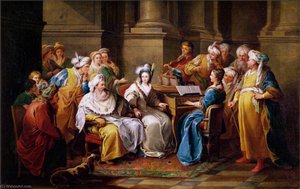
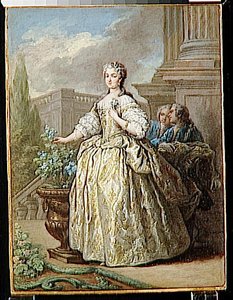
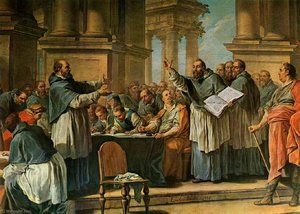
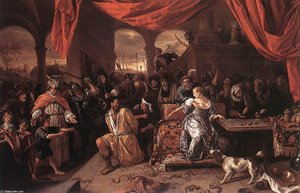
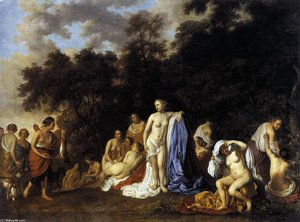
Biografía del artista
Primeros Años y Formación
- Nacimiento: 15 de febrero de 1705, en Niza, Francia
- Antecedentes Familiares: Hijo de Louis-Abraham van Loo y hermano menor de Jean-Baptiste van Loo. Miembro de una exitosa dinastía de pintores de origen holandés.
- Educación Temprana: Formación inicial en Turín, seguida por estudios en Roma (1712) bajo las enseñanzas de Benedetto Luti y Pierre Legros.
- Estudios Parisinos: Asistió a la Académie royale, ganando el primer premio para dibujo en 1723 y pintura histórica en 1727.
Carrera Artística y Obras Notables
- Estilo: Principalmente conocido como pintor rococó, caracterizado por la elegancia, la gracia y el detalle ornamentado.
- Temática: Amplia gama que incluye retratos, escenas mitológicas, pinturas históricas, alegorías y escenas de género.
- Obras Significativas:
- Venus y Amor (Kunsthalle Bremen) – Demuestra maestría del estilo rococó.
- Alto de la Caza (The Metropolitan Museum of Art) - Captura actividades aristocráticas.
- Retrato de Marie Leszczynska, Reina de Francia – Un notable retrato real.
- Júpiter y Antiope - Muestra temas mitológicos.
- Autorretrato – Proporciona una visión del auto-concepto del artista.
- Perseo y Andromeda (múltiples versiones) – Ilustra habilidad en la representación de la mitología clásica.
- Mademoiselle Clairon como Medea (pequeña versión) - Un cautivador retrato rococó de 1760.
Patronazgo y Reconocimiento Real
- Patronazgo Real: Disfrutó del patronazgo de Madame de Pompadour y la corte francesa.
- Nombramiento en la Corte: Se convirtió en Primer Pintor del Rey Luis XV en 1762, un puesto prestigioso.
- Orden de San Miguel: Decorado con la Orden de San Miguel, lo que significaba el favor real.
Influencias y Legado
- Influencia Familiar: Fuertemente influenciado por su padre y hermano, ambos pintores consumados.
- Rivalidad: Competía con François Boucher, otro prominente artista rococó.
- Escuela Francesa Moderna: Su "simplicidad de estilo y corrección de diseño" influyó significativamente en la escuela francesa moderna de pintura.
- Fortuna Crítica: Si bien su posición crítica fluctuó con el tiempo, su habilidad y la amplitud de su obra merecen respeto.
Colecciones de Museos y Exploración Adicional
- Presencia en Museos: Sus obras se presentan en museos destacados como el Louvre (El Matrimonio de la Virgen), Kunsthalle Bremen y The Metropolitan Museum of Art.
- Recursos Adicionales:
- Página de ArtsDot sobre Charles-André van Loo: https://www.ArtsDot.com/artists/charles-andre-van-loo/
- Página de ArtsDot sobre los Mayores Artistas de Todos los Tiempos: https://www.ArtsDot.com/greatest-artists
- Museo Virtual de ArtsDot: https://www.ArtsDot.com/
- Artículo de Wikipedia: https://en.wikipedia.org/wiki/Charles-Andr%C3%A9_van_Loo
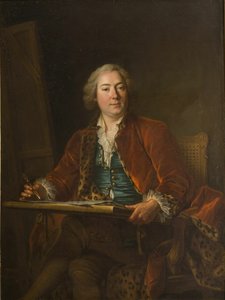
Charles-André van Loo
1705 - 1765 , Francia
Breves datos
- Artistas Que Influyeron:
- Benedetto Luti
- Pierre Le Gros
- Escuela Francesa Moderna: Influenciado
- Fecha De Fallecimiento: 15 de julio de 1765
- Fecha De Nacimiento: 15 de febrero de 1705
- Lugar De Nacimiento: Niza, Francia
- Movimiento Artístico: Rococó
- Nacionalidad: Francés
- Nombre Completo: Charles-André van Loo
- Obras Notables:
- Venus y Amor
- Alto de la Caza
- Retrato de Marie Leszczynska
- Júpiter y Antiope
- Autorretrato
- Perseo y Andrómeda

