

 Ver en contexto
 Enviar
 Compartir
 Detalles

 Descargar
 Similares
 Radiografía
 Presentación de diapositivas
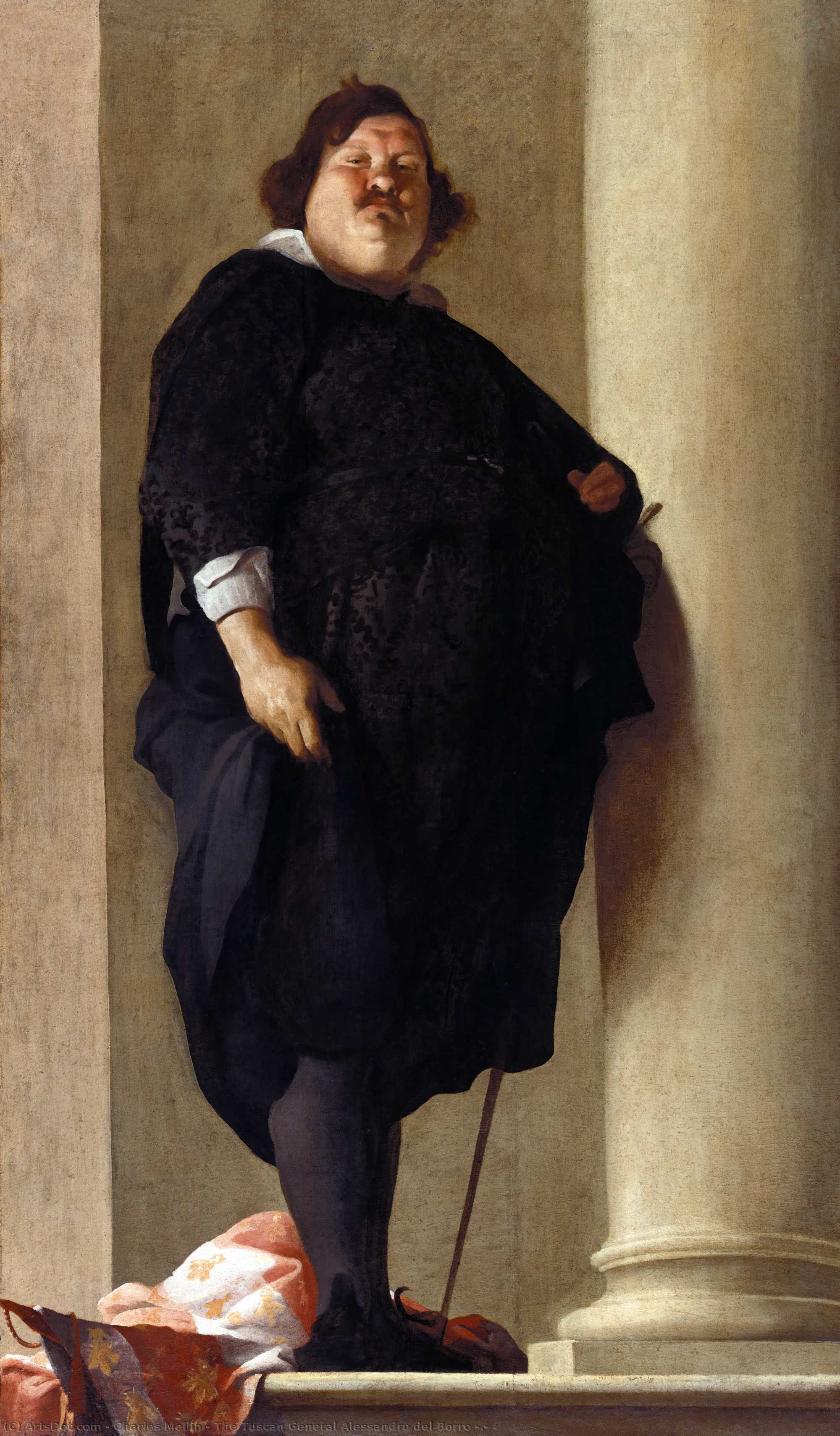
The Tuscan General Alessandro del Borro (.)
 Oil On Canvas
- WallArt
- Baroque Portraiture
 1645
1645 203.0 x 121.0 cm
 Staatliche Museen zu Berlin
 Ver más
Reproducción al óleo hecha a mano
Óleo sobre lienzo pintado a mano en el tamaño y marco de su elección, realizado por encargo por nuestros artistas. ( Comprar impresión Comprar imagen)




P118B $10

P118H $10

P118W $10

P438Z $10

P508JH $12

P508YH $12

P805H $10

P805Z $10

P919BZ $10

P919G $10

P919XJ $10

P959ZH $10

P968JZ $12

W106C $8

W218G $10

W218JH $8

W218Y $10

W307PJ $10

W316G $10

W316PJ $8

W316Y $10

W398PJ $8

W4111J $10

W500HY $15

W500JH $15

W692G $12

W849H $8

W940BG $15

W953PJ $8




Elija entre nuestros tamaños predefinidos que respetan las proporciones originales de la obra.

Puede ingresar sus propias dimensiones para adaptarse a un marco o espacio específico. Si el tamaño seleccionado no coincide con las proporciones de la imagen original, recortaremos la obra o extenderemos la pintura con elementos adicionales pintados a mano. Se le enviará una maqueta digital para su aprobación antes de comenzar la producción.
Tenga en cuenta que la vista previa en pantalla no refleja el recorte o la extensión reales. Solo la maqueta mostrará con precisión la composición final.
Si bien existen tamaños personalizados, recomendamos seleccionar una dimensión de la lista predefinida para preservar las proporciones originales.
Tras realizar el pedido, el equipo de ArtsDot.com enviará un correo electrónico al cliente para solicitar instrucciones y proporcionarle una vista previa del boceto.
Envío a todo el mundo () en 3-4 semanas en lugar de las 5 semanas estándar. (25 agosto). Sin comprometer la calidad.

Envío exprés gratuito a todo el mundo

Lienzo de lino de alta calidad

Seguro de envío total

Garantía de reembolso de impuestos aduaneros

Garantía de fidelidad cromática exacta

Política de devolución de 60 días (solo por defectos)

Garantía de devolución del 100% del dinero

Descuento por cantidad
 La opción de vidrio solo está disponible en tamaños inferiores a 110 cm.

The Tuscan General Alessandro del Borro (.)
Técnica de reproducción
Dimensiones de la reproducción
-


Precio total final
$ 263
Descripción de la obra
The Tuscan General Alessandro del Borro: A Portrait of Robustness and Renaissance Dignity
Charles Mellin’s “The Tuscan General Alessandro del Borro” is more than just a portrait; it's a quietly revolutionary depiction of the human form, a window into the 17th century’s evolving understanding of beauty and representation. Painted in 1645 during the height of the Baroque period, this oil-on-canvas masterpiece housed within the Staatliche Museen in Berlin immediately captivates with its directness and surprising honesty. The subject, Alessandro del Borro himself – a Tuscan general renowned for his service alongside Mattias de’ Medici – is presented not as an idealized hero, but as a man of substance, embodying both military prowess and a palpable physicality.
Mellin's skill lies in his masterful use of light and shadow, creating a dramatic interplay that draws the viewer into the scene. The general stands before a simple stone pillar, his gaze lowered slightly, suggesting contemplation or perhaps a weighty decision made on the battlefield. His attire – a dark, richly patterned coat, indicative of his rank – is complemented by the warm tones of his thick, ruddy hair and the subtle highlights catching on his double chin and rounded cheeks. This isn’t a striving for youthful perfection; rather, it's an acceptance and celebration of the body in all its fullness. The painting was commissioned by del Borro himself, a man who sought to immortalize not just his military achievements but also his character – a frankness that challenged conventional notions of beauty prevalent at the time.
A Revolutionary Representation: Obesity and Artistic Convention
What makes “The Tuscan General Alessandro del Borro” so significant is its unprecedented portrayal of obesity. In an era where artistic representations often idealized the human form, Mellin’s decision to depict a man with a considerable amount of flesh was remarkably bold. While not entirely unique – earlier examples of robust figures exist – this painting stands out for its directness and lack of shame. It's a moment of visual honesty that predates later explorations of body image in art by centuries, offering a valuable glimpse into the social attitudes surrounding weight and appearance during the Renaissance.
The inclusion of the stone pillar behind del Borro adds another layer of interpretation. Pillars frequently symbolized strength, stability, and authority – qualities fitting for a general. However, its stark simplicity also serves to emphasize the subject’s physicality, grounding him in the material world. The banner at his feet, bearing an emblem likely associated with the Barberini family (a prominent Italian dynasty), further reinforces his status and legacy.
Baroque Technique and Artistic Influence
Mellin's technical prowess is evident in every brushstroke. His use of oil paint allows for a rich, vibrant palette and a remarkable level of detail. The meticulous rendering of del Borro’s features – the texture of his hair, the folds of his clothing, the subtle nuances of light and shadow – demonstrates a deep understanding of anatomy and perspective. The painting's composition is balanced and harmonious, reflecting the principles of Baroque art, which emphasized drama, emotion, and movement.
While Mellin’s style initially leaned towards Mannerism, influenced by artists like Simon Vouet, he evolved into a master of classical elegance, as evidenced in this portrait. The influence of Italian masters such as Lanfranco is also apparent in the dramatic lighting and dynamic poses. The painting's attribution to Mellin highlights his skill as a portrait artist and his ability to capture the essence of his subjects – a testament to his artistic vision and technical mastery.
A Timeless Masterpiece: Symbolism and Enduring Appeal
“The Tuscan General Alessandro del Borro” transcends its historical context, offering a profound meditation on beauty, representation, and the human condition. It’s a painting that invites contemplation, prompting us to consider how we perceive and value different body types. More than just a portrait of a military leader, it's a powerful statement about acceptance, honesty, and the enduring appeal of a subject rendered with both skill and compassion. Its continued presence in the Staatliche Museen collection ensures its legacy as a pivotal work in art history – a reminder that true beauty lies not in idealized perfection but in the richness and complexity of human experience.
Obras relacionadas




Artículos relacionados
The Grandeur of Baroque Portraiture: Power, Emotion & Artistic Innovation
Explore the grandeur of Baroque portraiture! Discover Rubens, Van Dyck & the masters of 17th-century art. Uncover symbolism, techniques & lasting influence. Expert insights for collectors and enthusiasts.

Barroco Sublime: 10 Obras Maestras que Definieron una Época |
Descubre las 10 obras maestras del Barroco que marcaron una época. Caravaggio, Bernini y Velázquez cobran vida en . Reproducciones de arte de calidad museo para decorar tu hogar con elegancia. ¡Explora la colección online!

Drama Barroca: Llevando la Grandeza y la Emoción a los Interiores Contemporáneos
Descubre cómo el drama y la grandeza del arte barroco pueden transformar tus interiores. Guía experta, inspiración y reproducciones de alta calidad en .

The Dramatic Flourish: Exploring the Baroque Movement's Enduring Legacy in Art History
Explore the dramatic world of Baroque art! Discover iconic artists like Caravaggio & Rubens, defining techniques, and its lasting impact on art history. Expert insights for collectors & enthusiasts at ArtsDot.

The Visceral Stage: Exploring Dramatic Narratives & Emotional Intensity in Baroque Art
Explore the dramatic world of Baroque art! Discover iconic masters like Caravaggio & Rembrandt, their techniques, and the movement's lasting impact. Expert insights for collectors & enthusiasts at ArtsDot.

