

 Ver en contexto
 Enviar
 Compartir
 Detalles

 Descargar
 Similares
 Radiografía
 Presentación de diapositivas
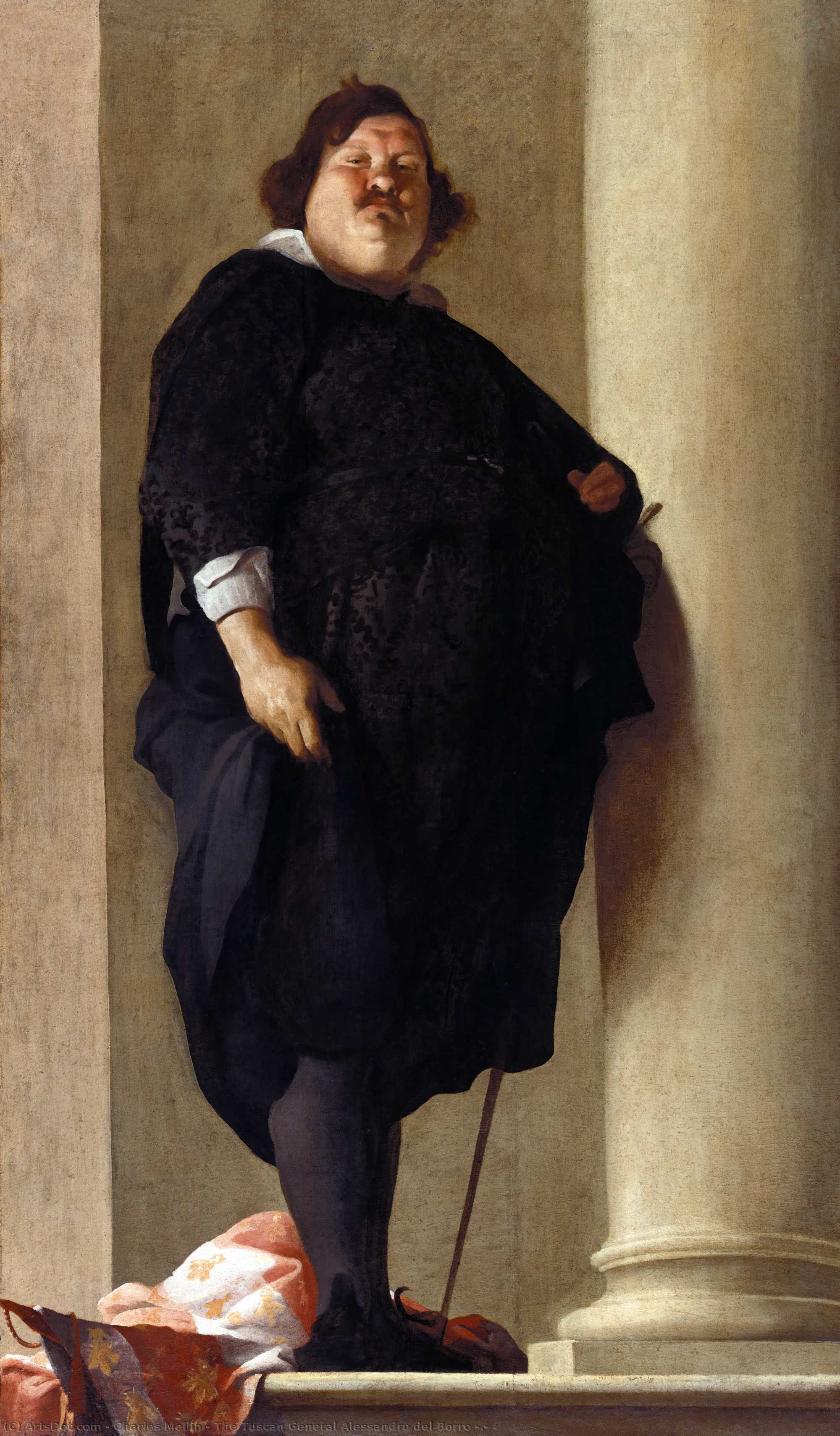
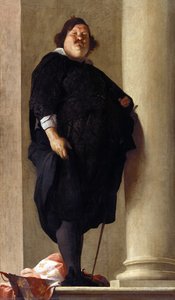
The Tuscan General Alessandro del Borro (.)
 Oil On Canvas
- WallArt
- Baroque Portraiture
 1645
1645 203.0 x 121.0 cm
 Staatliche Museen zu Berlin
 Ver más
Adquiera una imagen digital de alta resolución y optimizada, muy superior a la vista previa en línea.
Cada archivo es preparado meticulosamente por nuestros especialistas internos mediante el uso de herramientas avanzadas y un experto retoque manual. Nos aseguramos de que cada imagen posea una claridad excepcional, una precisión cromática impecable y un detalle minucioso.
El archivo final se entrega por correo electrónico en un plazo de 72 horas, optimizado para su uso inmediato en entornos profesionales, editoriales y de impresión. Esta es la misma calidad en la que confían los estudios de diseño, las editoriales y las galerías de primer nivel.
Imagen Digital
Descarga un archivo de alta resolución para exhibición personal, impresión y proyectos creativos. ( Comprar impresión Comprar pintura hecha a mano)
Incluido en cada pedido de imágenes digitales
Entrega digital experta, garantizada.
Al elegir ArtsDot.com, no solo está adquiriendo una imagen; está recibiendo una obra de arte digital mejorada profesionalmente, elaborada con precisión y respaldada por una garantía de satisfacción. Esto es todo lo que incluye su pedido, automáticamente:

Entrega rápida por email
Recibirá su archivo de imagen digital en alta resolución por correo electrónico en un plazo de 72 horas tras realizar su pedido, listo para su uso inmediato.

Archivo digital optimizado por IA
Su obra de arte se optimiza profesionalmente mediante herramientas avanzadas de IA y edición manual, garantizando el máximo detalle, claridad y precisión cromática.

Reenvío gratuito de por vida
¿Has borrado o perdido tu archivo por error? No te preocupes: te lo volveremos a enviar en cualquier momento, sin coste adicional.

Sin gastos de importación, siempre
Disfrute de su obra de arte al instante sin aduanas, aranceles ni gastos de envío; las descargas digitales siempre están libres de impuestos.

Garantía de fidelidad de color
Garantizamos que su imagen digital refleje los colores originales con la mayor fidelidad posible, mediante el uso de herramientas profesionales y gestión del color.

Garantía de satisfacción de 60 días
Si no está satisfecho con su imagen digital, la revisaremos o le reembolsaremos el 100% en un plazo de 60 días, sin preguntas.

100% Garantía de devolución de dinero
¿No está satisfecho? Obtenga un reembolso completo dentro de los 60 días posteriores a la recepción de su archivo digital, sin necesidad de explicaciones.

Descuentos por pedidos grandes
Compra 3 imágenes, ahorra 10% - Compra 5, ahorra 15% - Compra 10+, ahorra 20%. Ideal para proyectos creativos, galerías y agencias.
Descripción del coleccionable
The Tuscan General Alessandro del Borro: A Portrait of Robustness and Renaissance Dignity
Charles Mellin’s “The Tuscan General Alessandro del Borro” is more than just a portrait; it's a quietly revolutionary depiction of the human form, a window into the 17th century’s evolving understanding of beauty and representation. Painted in 1645 during the height of the Baroque period, this oil-on-canvas masterpiece housed within the Staatliche Museen in Berlin immediately captivates with its directness and surprising honesty. The subject, Alessandro del Borro himself – a Tuscan general renowned for his service alongside Mattias de’ Medici – is presented not as an idealized hero, but as a man of substance, embodying both military prowess and a palpable physicality.
Mellin's skill lies in his masterful use of light and shadow, creating a dramatic interplay that draws the viewer into the scene. The general stands before a simple stone pillar, his gaze lowered slightly, suggesting contemplation or perhaps a weighty decision made on the battlefield. His attire – a dark, richly patterned coat, indicative of his rank – is complemented by the warm tones of his thick, ruddy hair and the subtle highlights catching on his double chin and rounded cheeks. This isn’t a striving for youthful perfection; rather, it's an acceptance and celebration of the body in all its fullness. The painting was commissioned by del Borro himself, a man who sought to immortalize not just his military achievements but also his character – a frankness that challenged conventional notions of beauty prevalent at the time.
A Revolutionary Representation: Obesity and Artistic Convention
What makes “The Tuscan General Alessandro del Borro” so significant is its unprecedented portrayal of obesity. In an era where artistic representations often idealized the human form, Mellin’s decision to depict a man with a considerable amount of flesh was remarkably bold. While not entirely unique – earlier examples of robust figures exist – this painting stands out for its directness and lack of shame. It's a moment of visual honesty that predates later explorations of body image in art by centuries, offering a valuable glimpse into the social attitudes surrounding weight and appearance during the Renaissance.
The inclusion of the stone pillar behind del Borro adds another layer of interpretation. Pillars frequently symbolized strength, stability, and authority – qualities fitting for a general. However, its stark simplicity also serves to emphasize the subject’s physicality, grounding him in the material world. The banner at his feet, bearing an emblem likely associated with the Barberini family (a prominent Italian dynasty), further reinforces his status and legacy.
Baroque Technique and Artistic Influence
Mellin's technical prowess is evident in every brushstroke. His use of oil paint allows for a rich, vibrant palette and a remarkable level of detail. The meticulous rendering of del Borro’s features – the texture of his hair, the folds of his clothing, the subtle nuances of light and shadow – demonstrates a deep understanding of anatomy and perspective. The painting's composition is balanced and harmonious, reflecting the principles of Baroque art, which emphasized drama, emotion, and movement.
While Mellin’s style initially leaned towards Mannerism, influenced by artists like Simon Vouet, he evolved into a master of classical elegance, as evidenced in this portrait. The influence of Italian masters such as Lanfranco is also apparent in the dramatic lighting and dynamic poses. The painting's attribution to Mellin highlights his skill as a portrait artist and his ability to capture the essence of his subjects – a testament to his artistic vision and technical mastery.
A Timeless Masterpiece: Symbolism and Enduring Appeal
“The Tuscan General Alessandro del Borro” transcends its historical context, offering a profound meditation on beauty, representation, and the human condition. It’s a painting that invites contemplation, prompting us to consider how we perceive and value different body types. More than just a portrait of a military leader, it's a powerful statement about acceptance, honesty, and the enduring appeal of a subject rendered with both skill and compassion. Its continued presence in the Staatliche Museen collection ensures its legacy as a pivotal work in art history – a reminder that true beauty lies not in idealized perfection but in the richness and complexity of human experience.
Obras relacionadas



Biografía del artista
early life and career
charles mellin, a french painter, was born in nancy, lorraine in 1597. despite his origins, he spent most of his artistic career in italy, earning him the nickname carlo lorenese ("charles the lorrainer"). this moniker reflects the significant influence italian art had on his style.artistic style and influences
mellin's work is characterized by its baroque flair, with a focus on dramatic lighting and intense emotions. his early collaborations with simon vouet showcased a more mannerist approach, but as he matured, his style evolved into a classically elegant yet simple form, likely influenced by lanfranco.notable works and locations
- the tuscan general alessandro del borro (staatliche museen, berlin, germany) - a prime example of mellin's baroque style.
- chapel of the virgin at san luigi dei francesi (rome, italy) - demonstrates his early work in italy.
- abbey of monte cassino (italy) - features a cycle of 15 paintings, unfortunately destroyed during world war ii.
- key dates: - born: 1597, nancy, lorraine - active in italy: from 1622 until his death in 1649
legacy
despite the destruction of some of his notable works, mellin's influence on the baroque period is undeniable. his evolution from a mannerist to a classically elegant style, inspired by italian and parisian schools, has left an indelible mark on art history. explore more about charles mellin on ArtsDot: https://ArtsDot.com/@/charles-mellin read more about charles mellin on wikipedia: https://en.wikipedia.org/wiki/charles_mellin
charles mellin
1597 - 1649

