

 Ver en contexto
 Enviar
 Compartir
 Detalles

 Descargar
 Similares
 Radiografía
 Presentación de diapositivas
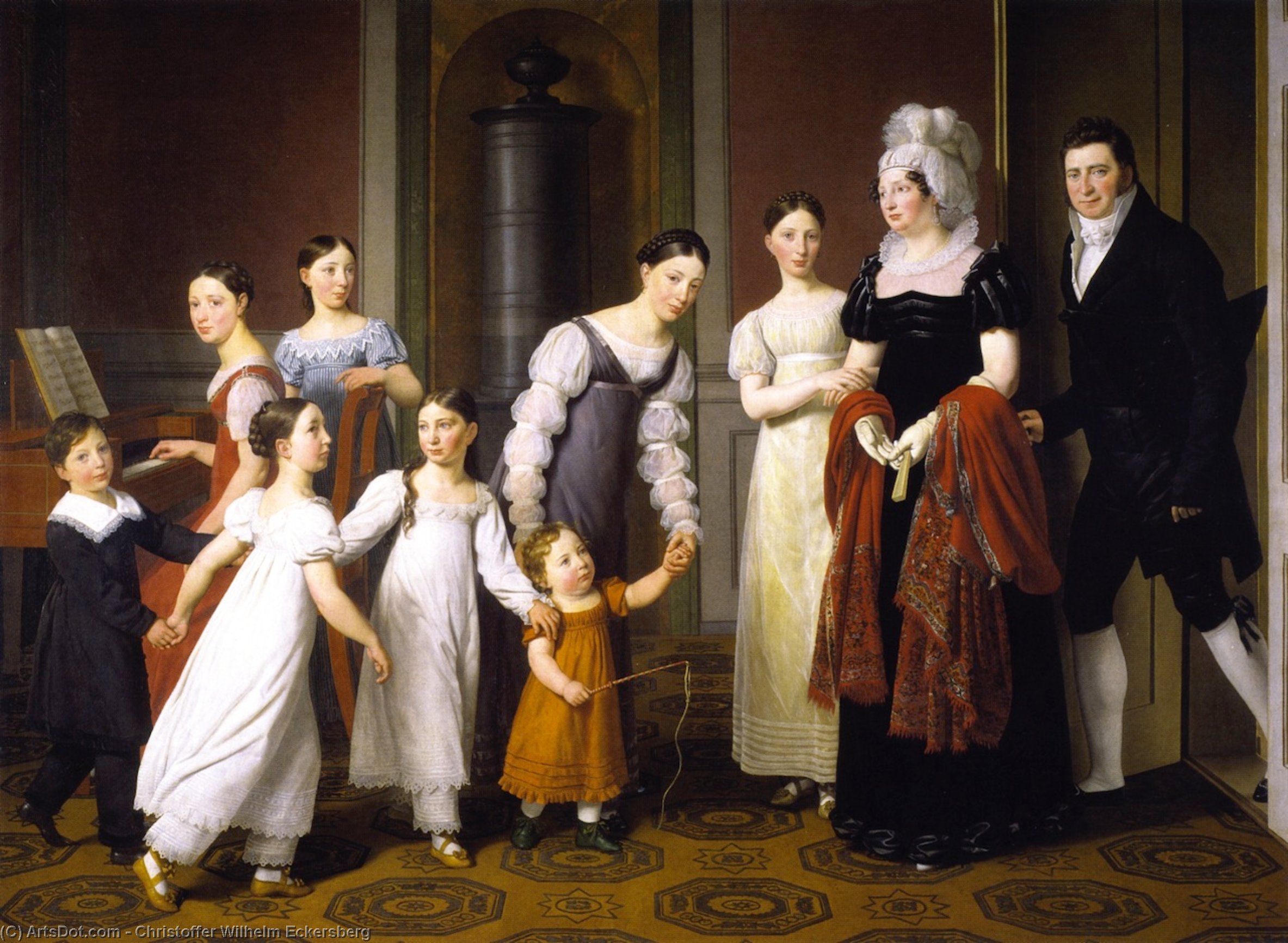
The Nathanson Family


 Ver más
Adquiera una imagen digital de alta resolución y optimizada, muy superior a la vista previa en línea.
Cada archivo es preparado meticulosamente por nuestros especialistas internos mediante el uso de herramientas avanzadas y un experto retoque manual. Nos aseguramos de que cada imagen posea una claridad excepcional, una precisión cromática impecable y un detalle minucioso.
El archivo final se entrega por correo electrónico en un plazo de 72 horas, optimizado para su uso inmediato en entornos profesionales, editoriales y de impresión. Esta es la misma calidad en la que confían los estudios de diseño, las editoriales y las galerías de primer nivel.
Imagen Digital
Descarga un archivo de alta resolución para exhibición personal, impresión y proyectos creativos. ( Comprar impresión Comprar pintura hecha a mano)
Incluido en cada pedido de imágenes digitales
Entrega digital experta, garantizada.
Al elegir ArtsDot.com, no solo está adquiriendo una imagen; está recibiendo una obra de arte digital mejorada profesionalmente, elaborada con precisión y respaldada por una garantía de satisfacción. Esto es todo lo que incluye su pedido, automáticamente:

Entrega rápida por email
Recibirá su archivo de imagen digital en alta resolución por correo electrónico en un plazo de 72 horas tras realizar su pedido, listo para su uso inmediato.

Archivo digital optimizado por IA
Su obra de arte se optimiza profesionalmente mediante herramientas avanzadas de IA y edición manual, garantizando el máximo detalle, claridad y precisión cromática.

Reenvío gratuito de por vida
¿Has borrado o perdido tu archivo por error? No te preocupes: te lo volveremos a enviar en cualquier momento, sin coste adicional.

Sin gastos de importación, siempre
Disfrute de su obra de arte al instante sin aduanas, aranceles ni gastos de envío; las descargas digitales siempre están libres de impuestos.

Garantía de fidelidad de color
Garantizamos que su imagen digital refleje los colores originales con la mayor fidelidad posible, mediante el uso de herramientas profesionales y gestión del color.

Garantía de satisfacción de 60 días
Si no está satisfecho con su imagen digital, la revisaremos o le reembolsaremos el 100% en un plazo de 60 días, sin preguntas.

100% Garantía de devolución de dinero
¿No está satisfecho? Obtenga un reembolso completo dentro de los 60 días posteriores a la recepción de su archivo digital, sin necesidad de explicaciones.

Descuentos por pedidos grandes
Compra 3 imágenes, ahorra 10% - Compra 5, ahorra 15% - Compra 10+, ahorra 20%. Ideal para proyectos creativos, galerías y agencias.
Descripción del coleccionable
A Window into the Early 19th Century: Christoffer Wilhelm Eckersberg’s “The Nathanson Family”
Christoffer Wilhelm Eckersberg's "The Nathanson Family," painted in 1818, is more than just a portrait; it’s a meticulously crafted snapshot of Danish society during a period of significant social and cultural transformation. This oil on canvas masterpiece offers a rare glimpse into the refined world of the upper class, capturing not only their outward appearance but also hinting at the complexities of family life and societal expectations within early 19th-century Denmark. Eckersberg, widely considered the “Father of Danish Painting,” masterfully employs his signature style – characterized by its luminous light, subtle color palettes, and a remarkable ability to convey both realism and emotional depth – to create an image that is both visually stunning and historically resonant.
The painting depicts the Nathanson family gathered in their home, a scene rendered with an almost theatrical elegance. The patriarch, Mendel Levin Nathanson, stands proudly at the center, flanked by his wife and children. Each figure is meticulously detailed, from the intricate folds of their clothing to the subtle expressions on their faces. Notice the careful arrangement – the piano on the left side, a symbol of cultured refinement, and the book near the top right corner, suggesting intellectual pursuits and a commitment to education. These seemingly minor details contribute significantly to the painting’s overall narrative, revealing much about the family's status and values.
The Art of Eckersberg: Light, Atmosphere, and Psychological Insight
Eckersberg’s technical skill is immediately apparent in the masterful use of light. He employs a soft, diffused illumination that bathes the scene in a warm glow, creating an atmosphere of intimacy and comfort. This technique isn't merely decorative; it serves to draw the viewer into the painting, inviting them to observe the family with a sense of quiet contemplation. Furthermore, Eckersberg’s ability to capture subtle nuances of expression is remarkable. The slight smiles, averted glances, and thoughtful poses suggest a complex interplay of emotions and relationships within the family unit.
The artist's background in etching informs his approach to color and composition. He utilizes a restrained palette – primarily warm browns, golds, and muted reds – which evokes a sense of tradition and stability. The careful layering of paint creates a remarkable sense of depth and texture, while the subtle gradations of tone contribute to the painting’s overall atmospheric effect. Eckersberg's training in Rome profoundly influenced his style, introducing him to classical ideals of beauty and harmony.
Historical Context: A Society in Transition
“The Nathanson Family” is a product of its time – a period marked by significant social and political changes in Denmark. Following the Napoleonic Wars, the country was grappling with questions of national identity and social reform. The rise of the middle class and the gradual emancipation of the Jews were reshaping Danish society, and portraits like this one offer valuable insights into the values and aspirations of the elite.
The Nathansons themselves represent a prominent family within this context. Mendel Levin Nathanson was a successful businessman, an editor for the leading newspaper *Berlingske Tidende*, and a key figure in advocating for Jewish rights. His portrait serves as a testament to his achievements and social standing. The inclusion of his children underscores the importance of lineage and legacy – a central theme in Danish society at the time.
A Legacy of Beauty: Reproductions and Artistic Appreciation
Eckersberg’s “The Nathanson Family” remains a beloved masterpiece of Danish art, admired for its technical brilliance, emotional depth, and historical significance. Reproductions offer an accessible way to experience the beauty and artistry of this iconic painting, bringing it into homes and galleries around the world. When selecting a reproduction, consider the quality of materials used – a high-quality print on canvas or archival paper will ensure that the colors and details are faithfully reproduced for generations to come.
To explore more works by Christoffer Wilhelm Eckersberg and discover the beauty of handmade oil paintings reproductions, visit https://ArtsDot.com. This website offers a curated selection of fine art prints and original paintings, allowing you to connect with the artistic legacy of Denmark’s “Father of Painting.”
Obras relacionadas
Biografía del artista
Christoffer Wilhelm Eckersberg: El Padre de la Pintura Danesa
- Nacido: Kolding, Dinamarca (1783)
- Fallecido: 1853
Primeros Años y Formación
- Eckersberg nació en Blåkrog, Schleswig (ahora parte del municipio de Aabenraa), hijo de un carpintero y pintor.
- Sus primeros años los pasó en Blans cerca de Alssund, donde desarrolló una apreciación por el campo circundante a través del dibujo y la navegación.
- La formación formal comenzó bajo Jes Jessen en Aabenraa (1797–1800) seguida por Josiah Jacob Jessen en Flensburg.
- En 1803, llegó a Copenhague y fue aceptado en la Real Academia de Arte Danesa, estudiando con Nikolaj Abraham Abildgaard.
- Los primeros trabajos incluyeron pinturas históricas, retratos y paisajes, aunque la fricción con Abildgaard inicialmente obstaculizó su progreso.
Desarrollo e Influencias
- El desarrollo artístico de Eckersberg fue moldeado significativamente por los viajes y el estudio en el extranjero.
- Un período crucial involucró estudiar bajo Jacques-Louis David en París (1811–1812), donde abrazó los principios neoclásicos de observación, claridad y forma.
- Su tiempo en Roma (1813–1816) demostró ser formativo, fomentando una profunda apreciación por la luz y el paisaje italianos, y una estrecha amistad con Bertel Thorvaldsen.
- Thorvaldsen sirvió como mentor y amigo, influyendo en la visión artística de Eckersberg y brindando valiosos consejos.
- El divorcio de su primera esposa, Christine Rebekka Hyssing, durante su estancia en el extranjero fue un evento personal difícil que impactó su vida.
Logros Principales y Estilo Artístico
- Al regresar a Dinamarca, Eckersberg se convirtió en profesor en la Real Academia de Arte Danesa en 1818, impactando profundamente a generaciones de artistas daneses.
- Reformó el plan de estudios de la academia, enfatizando el dibujo desde la vida y la pintura al aire libre (plein air) – un enfoque revolucionario para la época.
- Su estilo artístico se caracteriza por el realismo, el detalle meticuloso y un enfoque en capturar la luz y la atmósfera.
- Obras notables incluyen retratos de la familia real danesa, escenas marítimas como El Buque de Línea Ruso “Asow” y una Fragata Anclada en las Aguas del Elsinor (1828), y representaciones de la vida cotidiana en Copenhague.
- Pintó más de 500 obras a lo largo de su carrera, mostrando su versatilidad y dedicación a la observación.
Significado Histórico
- Eckersberg es ampliamente considerado como el "Padre de la Pintura Danesa" debido a su papel fundamental en el establecimiento de una identidad artística danesa distintiva durante la Edad de Oro.
- Su énfasis en el realismo y la observación directa influyó en una generación de artistas, incluyendo Christen Købke, Wilhelm Marstrand y Martinus Rørbye.
- Desvió el enfoque del arte danés de la grandiosidad histórica hacia representaciones de la vida contemporánea y los paisajes.
- El legado de Eckersberg reside no solo en sus propios logros artísticos sino también en su impacto transformador en el desarrollo de la pintura danesa como un todo, sentando las bases para su posterior florecimiento.
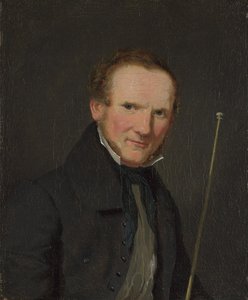
Padre de la Pintura Danesa
1783 - 1853 , Dinamarca
Breves datos
- Artistas Influyentes:
- Nikolaj Abildgaard
- Jacques-Louis David
- Fecha De Fallecimiento: 22 de julio de 1853
- Fecha De Nacimiento: 2 de enero de 1783
- Influenciado A Artistas:
- Christen Købke
- Wilhelm Marstrand
- Martinus Rørbye
- Lugar De Nacimiento: Kolding, Dinamarca
- Movimiento Artístico: Neoclasicismo
- Nacionalidad: Danés
- Nombre Completo: Christoffer Wilhelm Eckersberg
- Obras Notables:
- El Asow en Elsinore
- Retrato de Anna Maria Magnani

