 Ver en contexto
 Enviar
 Compartir
 Detalles

 Descargar
 Similares
 Radiografía
 Presentación de diapositivas
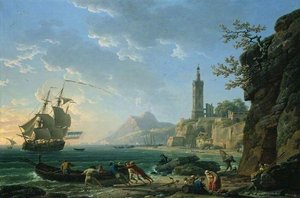
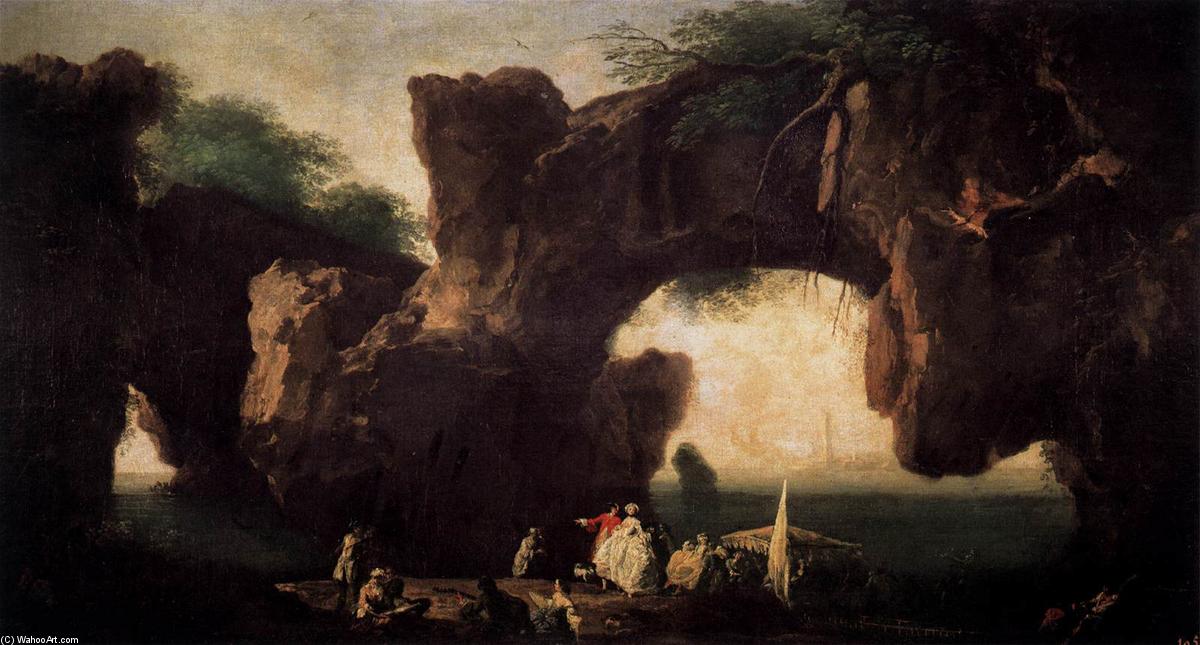
Seascape, View of Sorrento
 Acrylic On Canvas
- WallArt
- Neoclassicism
 19th Century
 59.0 x 109.0 cm
 Museo del Prado
 Ver más
Giclée / Impresión de arte
Impresiones giclée o en lienzo de calidad de museo con producción rápida y opciones de acabado flexibles. ( Comprar pintura hecha a mano Comprar imagen)




P118B $10

P118H $10

P118W $10

P438Z $10

P508JH $12

P508YH $12

P805H $10

P805Z $10

P919BZ $10

P919G $10

P919XJ $10

P959ZH $10

P968JZ $12

W106C $8

W218G $10

W218JH $8

W218Y $10

W307PJ $10

W316G $10

W316PJ $8

W316Y $10

W398PJ $8

W4111J $10

W500HY $15

W500JH $15

W692G $12

W849H $8

W940BG $15

W953PJ $8




Elija entre nuestros tamaños predefinidos que respetan las proporciones originales de la obra.

Puede introducir sus propias dimensiones para adaptarse a un marco o espacio específico. Si el tamaño seleccionado no coincide con las proporciones de la imagen original, recortaremos la obra de arte o extenderemos la imagen con un borde con efecto espejo o de color sólido. Se enviará una maqueta digital para su aprobación antes de que comience la producción.
Tenga en cuenta que la vista previa en pantalla no refleja el recorte o la extensión real. Solo la maqueta mostrará con precisión la composición final.
Aunque existen tamaños personalizados, recomendamos seleccionar una dimensión de la lista predefinida para preservar las proporciones originales.
Envío a todo el mundo () en 2 semanas en lugar de las 4/5 semanas estándar. (27 agosto)

Envío exprés gratuito a todo el mundo

Lienzo de lino de alta calidad

Seguro de envío total

Garantía de reembolso de impuestos aduaneros

Garantía de fidelidad cromática exacta

Política de devolución de 60 días (solo por defectos)

Garantía de devolución del 100% del dinero

Descuento por cantidad
 La opción de vidrio solo está disponible en tamaños inferiores a 110 cm.

Seascape, View of Sorrento
Giclée / Impresión de arte
Dimensiones de la reproducción
-


Precio total final
$ 62
Descripción de la pieza
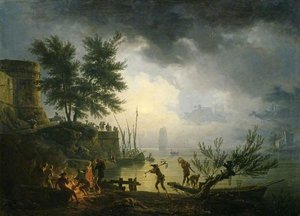
Claude-Joseph Vernet’s “Seascape, View of Sorrento”: A Window into the Soul of the Sea
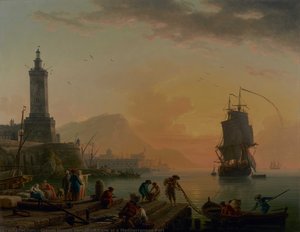
“Seascape, View of Sorrento,” painted by Claude-Joseph Vernet in the late 18th century, is more than just a depiction of a coastal vista; it's an immersive experience, a carefully constructed meditation on light, atmosphere, and the sublime power of the sea. Vernet, a master of capturing the ephemeral qualities of nature, particularly excelled at rendering the drama of maritime scenes – a skill honed during his formative years in Rome, where he was captivated by the works of classical landscape painters and the raw beauty of the Mediterranean coastline.
The painting immediately draws the eye with its masterful use of light. Vernet doesn’t simply paint a seascape; he sculpts it with illumination. The sun, positioned low on the horizon, casts long, dramatic shadows across the rocky shoreline, imbuing the scene with a sense of both tranquility and impending storm. The sky is not a uniform blue but a complex tapestry of greys, blues, and hints of violet – an atmospheric perspective that suggests vastness and depth. This technique, rooted in the principles of chiaroscuro, was highly prized by Vernet, allowing him to convey the dynamic interplay between light and shadow with remarkable realism.
A Glimpse into Vernet’s World: Context and Technique
Understanding Vernet's artistic journey is crucial to appreciating this work. Initially drawn to animal subjects – a passion ignited in his childhood – he transitioned seamlessly to landscape painting, influenced by the Italian masters who had instilled in him an appreciation for capturing fleeting moments of natural beauty. His time in Rome exposed him to the techniques of marine painters like Bernardino Fergioni and Adrien Manglard, shaping his approach to depicting the sea. Vernet’s style is characterized by a delicate balance between observation and artistic license; he meticulously rendered details – the texture of the rocks, the ripples on the water – while simultaneously employing atmospheric effects to create an emotional resonance.
The painting's composition is carefully orchestrated. The foreground features several figures, likely representing travelers or locals enjoying the seaside, dressed in attire suggestive of the 18th century. Their presence anchors the scene and invites the viewer to contemplate their relationship with the vastness of the ocean. These figures are not merely decorative elements; they serve as a scale for understanding the immense size and power of the seascape. The use of small human forms against such a monumental backdrop emphasizes both our vulnerability and our connection to nature.
Symbolism and Emotional Resonance
Beyond its technical brilliance, “Seascape, View of Sorrento” is rich in symbolism. The sea itself represents an enduring force – a source of life, mystery, and potential danger. The dramatic lighting evokes feelings of awe, wonder, and perhaps even a touch of melancholy. The painting’s mood is not one of simple pleasure but rather a contemplation of the sublime—that feeling of being overwhelmed by something larger than oneself. It speaks to the human desire for connection with nature, and the recognition of our own insignificance within its grand design.
The choice of Sorrento as the subject adds another layer of meaning. Sorrento, a picturesque town on the Bay of Naples, was a popular destination for artists and travelers during the 18th century. Vernet’s depiction captures not only the physical beauty of the location but also its romantic allure – a place where one could escape the confines of urban life and immerse oneself in the splendor of nature.
A Timeless Masterpiece: Reproduction and Beyond
Reproductions of “Seascape, View of Sorrento” offer a remarkable opportunity to bring this evocative artwork into your home or office. The meticulous detail and atmospheric effects are faithfully captured in high-quality prints, allowing you to experience the painting’s beauty and emotional depth firsthand. Whether displayed as a statement piece in a grand room or as a subtle accent in a coastal-inspired space, Vernet's masterpiece continues to captivate viewers with its timeless appeal.
Consider commissioning a hand-painted reproduction – a truly unique way to own a piece of art history. A skilled artisan can replicate the painting’s nuances and textures, creating a stunning tribute to Vernet’s legacy.
Obras relacionadas


Biografía del artista
Primeros años y formación
Claude-Joseph Vernet, un renombrado pintor francés, nació el 14 de agosto de 1714 en Burdeos, Francia. Desde la tierna edad de cinco años, exhibió una pasión extraordinaria por dibujar caballos, lo que más tarde se convertiría en una característica distintiva de su carrera artística. Vernet recibió la formación académica tradicional como alumno de su padre y Nicolas-Bernard Lépicié, perfeccionando aún más sus habilidades.Logros destacados
- En 1782, Vernet ganó el prestigioso Prix de Rome, un testimonio de su destreza artística.
- Su hijo, Antoine Charles Horace Vernet, también siguió los pasos de su padre como pintor.
Obras icónicas
- Intérieur du port de Marseille (1754) - Una obra maestra que muestra la habilidad de Vernet para capturar la esencia de las escenas marítimas.
- Una vista del puerto de Nápoles con el monte Vesubio en el fondo (1774) - Un ejemplo impresionante de su capacidad para equilibrar paisaje y arquitectura.
Evolución artística e influencias
Claude-Joseph Vernet desarrolló un estilo distintivo caracterizado por la elegancia equina, una profunda comprensión de los caballos y una representación realista de paisajes marítimos. Su formación académica le proporcionó una base sólida en técnicas tradicionales, pero su interés particular por el movimiento y la vitalidad de los animales lo llevó a explorar nuevas formas de representar la figura equina en sus obras. Vernet se inspiró en artistas como Claude Lorrain y Gaspard Dughet, maestros del paisaje clásico francés, quienes influyeron en su enfoque de la composición y el uso de la luz. Su trabajo temprano muestra influencias rococó, pero con el tiempo evolucionó hacia un estilo más sobrio y realista, reflejando las tendencias artísticas de su época.Legado e importancia histórica
El legado de Vernet reside en su capacidad para combinar la precisión técnica con una sensibilidad artística que captura la belleza y el dinamismo del mundo natural. Sus representaciones de puertos, barcos y caballos son ejemplos notables de su maestría en la pintura paisajística y marítima. Su obra contribuyó significativamente al desarrollo del arte francés del siglo XVIII, influyendo en generaciones posteriores de artistas. Vernet es recordado como un maestro del paisaje y un retratista excepcional de caballos, dejando una huella imborrable en la historia del arte.- Explore más obras de Claude-Joseph Vernet en ArtsDot
- Descubra el Musée des Beaux-Arts de Burdeos, donde se encuentran algunas de las obras notables de Vernet, y aprenda sobre su rica historia en la página del Musée Thomas-Henry
- Lea acerca del Prix de Rome y su importancia en el mundo del arte en Wikipedia
Conclusión
El viaje artístico de Claude-Joseph Vernet, marcado por su pasión por el arte equino, ha dejado una huella indeleble en el mundo de la pintura francesa. A través de sus obras, disponibles en ArtsDot, y su legado, Vernet continúa inspirando a generaciones de entusiastas del arte y profesionales por igual. Lecturas recomendadas: * Claude-Joseph Vernet's a Landscape at Sunset - Una inmersión más profunda en una de sus obras notables en ArtsDot * El puerto de Burdeos de Edouard Manet - Explore la obra de otro artista francés en ArtsDot
Claude-Joseph Vernet
1714 - 1789 , Francia
Datos clave
- Artistas Que Influyeron En Este Artista: ['Nicolas-Bernard Lépicié']
- Fecha De Nacimiento: 14 de agosto de 1714
- Lugar De Nacimiento: Burdeos, Francia
- Nacionalidad: Francés
- Nombre Completo: Claude-Joseph Vernet
- Notable Obras:
- intérieur du port de marseille
- a view of the port of naples
Artículos relacionados

Paisajes Románticos: 10 Obras Maestras que Definieron un Movimiento Artístico
Descubre los 10 paisajes románticos más influyentes de artistas como Caspar David Friedrich y Turner. Explora la belleza, el simbolismo y las técnicas del movimiento romántico. Reproducciones de arte exclusivas en ArtsDot.com.

Evocations of Place: A Historical Journey Through Landscape Art
Explore the rich history of landscape art with ArtsDot. Discover renowned artists, movements like Impressionism & Romanticism, and expert guidance for collecting timeless pieces. Find your perfect serene escape today!
The Allure of the Horizon: A Comprehensive Exploration of Seascape Art Through History & Emotion
Explore the captivating world of seascape art! Discover its history, key artists & movements – from Dutch Masters to Impressionism. Expert insights for collectors and enthusiasts at ArtsDot.

John Constable: Las 25 Obras Maestras del Paisaje Inglés | ArtsDot
Descubre las 25 obras maestras de John Constable, el pintor romántico inglés que capturó la belleza del paisaje. Explora su técnica, historia y significado en ArtsDot.com. Reproducciones de arte de alta calidad para tu hogar.

Evoking Atmosphere & Identity: A Journey Through Landscape Painting's History
Explore the rich history of landscape painting! Discover renowned artists, movements like Romanticism, & techniques such as atmospheric perspective. Find inspiration and quality reproductions at ArtsDot.