 Ver en contexto
 Enviar
 Compartir
 Detalles

 Descargar
 Similares
 Radiografía
 Presentación de diapositivas
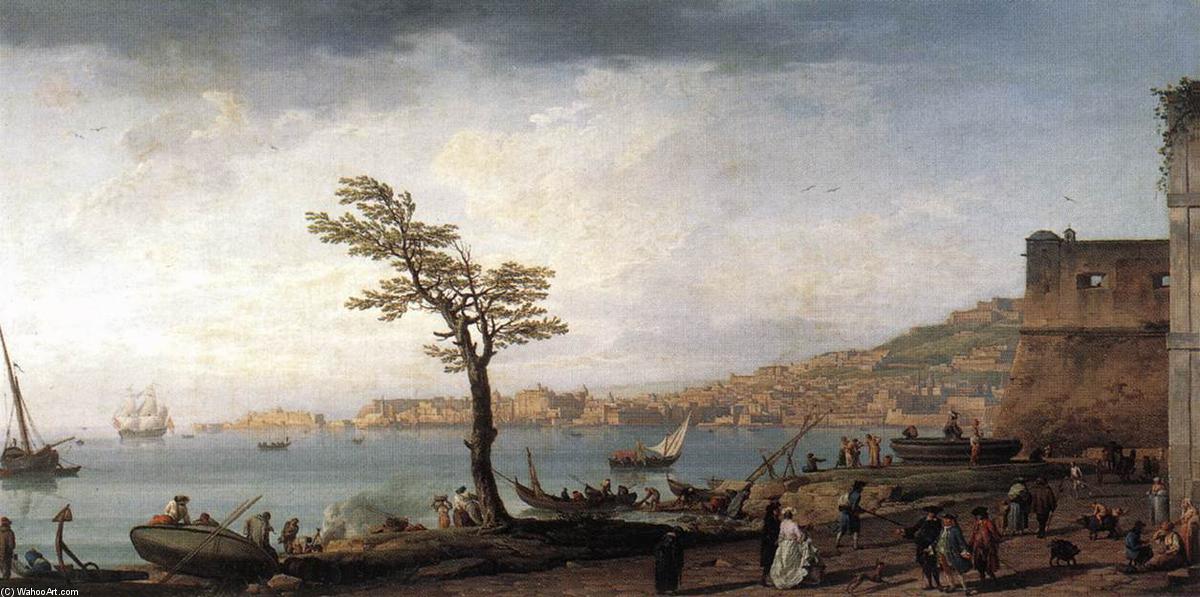
View of Naples
 Oil On Canvas
- WallArt
- Neoclassicism
 1748
1748 100.0 x 198.0 cm
 Museo del Louvre
 Ver más
Reproducción al óleo hecha a mano
Óleo sobre lienzo pintado a mano en el tamaño y marco de su elección, realizado por encargo por nuestros artistas. ( Comprar impresión Comprar imagen)




P118B $10

P118H $10

P118W $10

P438Z $10

P508JH $12

P508YH $12

P805H $10

P805Z $10

P919BZ $10

P919G $10

P919XJ $10

P959ZH $10

P968JZ $12

W106C $8

W218G $10

W218JH $8

W218Y $10

W307PJ $10

W316G $10

W316PJ $8

W316Y $10

W398PJ $8

W4111J $10

W500HY $15

W500JH $15

W692G $12

W849H $8

W940BG $15

W953PJ $8




Elija entre nuestros tamaños predefinidos que respetan las proporciones originales de la obra.

Puede ingresar sus propias dimensiones para adaptarse a un marco o espacio específico. Si el tamaño seleccionado no coincide con las proporciones de la imagen original, recortaremos la obra o extenderemos la pintura con elementos adicionales pintados a mano. Se le enviará una maqueta digital para su aprobación antes de comenzar la producción.
Tenga en cuenta que la vista previa en pantalla no refleja el recorte o la extensión reales. Solo la maqueta mostrará con precisión la composición final.
Si bien existen tamaños personalizados, recomendamos seleccionar una dimensión de la lista predefinida para preservar las proporciones originales.
Tras realizar el pedido, el equipo de ArtsDot.com enviará un correo electrónico al cliente para solicitar instrucciones y proporcionarle una vista previa del boceto.
Envío a todo el mundo () en 3-4 semanas en lugar de las 5 semanas estándar. (1 septiembre). Sin comprometer la calidad.

Envío exprés gratuito a todo el mundo

Lienzo de lino de alta calidad

Seguro de envío total

Garantía de reembolso de impuestos aduaneros

Garantía de fidelidad cromática exacta

Política de devolución de 60 días (solo por defectos)

Garantía de devolución del 100% del dinero

Descuento por cantidad
 La opción de vidrio solo está disponible en tamaños inferiores a 110 cm.

View of Naples
Técnica de reproducción
Dimensiones de la reproducción
-


Precio total final
$ 263
Claude-Joseph Vernet’s “View of Naples”: A Symphony of Light and Maritime Life
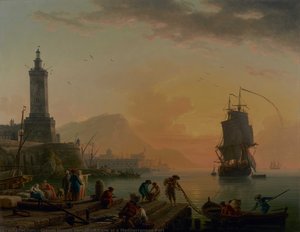
Claude-Joseph Vernet's "View of Naples," painted in 1748, isn’t merely a depiction of a harbor; it’s a vibrant snapshot of a bustling world teeming with life, commerce, and the raw beauty of the Mediterranean. Housed within the Louvre’s esteemed collection, this monumental canvas—measuring an impressive 100 x 198 cm—immediately draws the viewer into its dynamic scene, transporting them to the heart of 18th-century Naples. Vernet, a master of capturing fleeting moments and atmospheric effects, elevates the commonplace harbor view into a profound meditation on light, movement, and the human spirit.
The painting’s power lies in Vernet's masterful handling of light. He doesn’t simply render the scene; he sculpts it with luminous strokes, capturing the way sunlight dances across the water, glints off the sails of countless boats, and illuminates the faces of the busy harbor workers. The composition is carefully orchestrated—a layered tapestry of activity—with a clear foreground dominated by smaller vessels engaged in immediate action, gradually receding into the distance where larger ships anchor and the city’s skyline rises majestically against the horizon. The use of chiaroscuro – the dramatic contrast between light and shadow – adds depth and drama, emphasizing the textures of the boats, the folds of the sails, and the weathered faces of the Neapolitan citizens.
A Window into 18th-Century Naples
To understand “View of Naples,” one must appreciate the context in which it was created. Naples in 1748 was a vibrant crossroads of cultures—a melting pot of Greek, Roman, and Italian influences. The city’s harbor was the lifeblood of its economy, facilitating trade with Europe and beyond. Vernet, who spent much of his career documenting maritime scenes, expertly captures this energy, portraying Naples as a dynamic center of commerce and social interaction. The painting offers a rare glimpse into the daily lives of Neapolitan sailors, merchants, and dockworkers—a testament to their skill, resilience, and connection to the sea.
Furthermore, the painting reflects the growing interest in scientific observation and accurate representation that characterized the Enlightenment era. Vernet’s meticulous attention to detail – from the rigging of the ships to the individual features of the figures – demonstrates a commitment to realism and a desire to capture the world as it truly is. The inclusion of recognizable landmarks, such as the distant silhouette of Mount Vesuvius, grounds the scene in a specific place and time.
Symbolism and Artistic Influence
Beyond its realistic depiction of Naples, “View of Naples” is rich in symbolic meaning. The sheer number of boats suggests prosperity and abundance, while the activity of the harbor reflects the city’s importance as a trading hub. Vernet's use of light and shadow can be interpreted as a metaphor for life itself—a constant interplay between darkness and illumination. Moreover, Vernet was deeply influenced by his predecessors, particularly Carlo Bonavia, an Italian landscape painter who had a significant impact on his style. The painting’s dynamic composition and masterful rendering of atmospheric effects owe much to Bonavia's legacy.
Vernet’s work also foreshadowed the Romantic movement in art, with its emphasis on emotion, drama, and the sublime beauty of nature. The turbulent sea, the dramatic lighting, and the sense of boundless space all contribute to a feeling of awe and wonder—a testament to Vernet's artistic genius.
Bringing “View of Naples” Home
Reproductions of this iconic artwork offer an exceptional opportunity to bring the vibrant energy of 18th-century Naples into your home or office. The meticulous detail and atmospheric effects are faithfully reproduced, capturing the essence of Vernet’s original masterpiece. Whether you choose a large-scale canvas print or a smaller framed reproduction, “View of Naples” is sure to be a captivating focal point—a timeless reminder of the beauty and dynamism of the Mediterranean world.
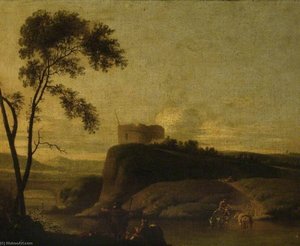
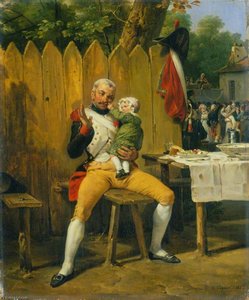
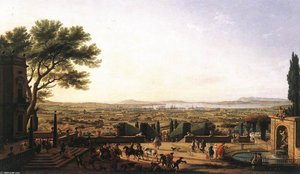
Obras relacionadas





Biografía del artista
Primeros años y formación
Claude-Joseph Vernet, un renombrado pintor francés, nació el 14 de agosto de 1714 en Burdeos, Francia. Desde la tierna edad de cinco años, exhibió una pasión extraordinaria por dibujar caballos, lo que más tarde se convertiría en una característica distintiva de su carrera artística. Vernet recibió la formación académica tradicional como alumno de su padre y Nicolas-Bernard Lépicié, perfeccionando aún más sus habilidades.Logros destacados
- En 1782, Vernet ganó el prestigioso Prix de Rome, un testimonio de su destreza artística.
- Su hijo, Antoine Charles Horace Vernet, también siguió los pasos de su padre como pintor.
Obras icónicas
- Intérieur du port de Marseille (1754) - Una obra maestra que muestra la habilidad de Vernet para capturar la esencia de las escenas marítimas.
- Una vista del puerto de Nápoles con el monte Vesubio en el fondo (1774) - Un ejemplo impresionante de su capacidad para equilibrar paisaje y arquitectura.
Evolución artística e influencias
Claude-Joseph Vernet desarrolló un estilo distintivo caracterizado por la elegancia equina, una profunda comprensión de los caballos y una representación realista de paisajes marítimos. Su formación académica le proporcionó una base sólida en técnicas tradicionales, pero su interés particular por el movimiento y la vitalidad de los animales lo llevó a explorar nuevas formas de representar la figura equina en sus obras. Vernet se inspiró en artistas como Claude Lorrain y Gaspard Dughet, maestros del paisaje clásico francés, quienes influyeron en su enfoque de la composición y el uso de la luz. Su trabajo temprano muestra influencias rococó, pero con el tiempo evolucionó hacia un estilo más sobrio y realista, reflejando las tendencias artísticas de su época.Legado e importancia histórica
El legado de Vernet reside en su capacidad para combinar la precisión técnica con una sensibilidad artística que captura la belleza y el dinamismo del mundo natural. Sus representaciones de puertos, barcos y caballos son ejemplos notables de su maestría en la pintura paisajística y marítima. Su obra contribuyó significativamente al desarrollo del arte francés del siglo XVIII, influyendo en generaciones posteriores de artistas. Vernet es recordado como un maestro del paisaje y un retratista excepcional de caballos, dejando una huella imborrable en la historia del arte.- Explore más obras de Claude-Joseph Vernet en ArtsDot
- Descubra el Musée des Beaux-Arts de Burdeos, donde se encuentran algunas de las obras notables de Vernet, y aprenda sobre su rica historia en la página del Musée Thomas-Henry
- Lea acerca del Prix de Rome y su importancia en el mundo del arte en Wikipedia
Conclusión
El viaje artístico de Claude-Joseph Vernet, marcado por su pasión por el arte equino, ha dejado una huella indeleble en el mundo de la pintura francesa. A través de sus obras, disponibles en ArtsDot, y su legado, Vernet continúa inspirando a generaciones de entusiastas del arte y profesionales por igual. Lecturas recomendadas: * Claude-Joseph Vernet's a Landscape at Sunset - Una inmersión más profunda en una de sus obras notables en ArtsDot * El puerto de Burdeos de Edouard Manet - Explore la obra de otro artista francés en ArtsDot
Claude-Joseph Vernet
1714 - 1789 , Francia
Datos clave
- Artistas Que Influyeron En Este Artista: ['Nicolas-Bernard Lépicié']
- Fecha De Nacimiento: 14 de agosto de 1714
- Lugar De Nacimiento: Burdeos, Francia
- Nacionalidad: Francés
- Nombre Completo: Claude-Joseph Vernet
- Notable Obras:
- intérieur du port de marseille
- a view of the port of naples
Artículos relacionados

Evocations of Place: A Historical Journey Through Landscape Art
Explore the rich history of landscape art with ArtsDot. Discover renowned artists, movements like Impressionism & Romanticism, and expert guidance for collecting timeless pieces. Find your perfect serene escape today!

Paisajes Románticos: 10 Obras Maestras que Definieron un Movimiento Artístico
Descubre los 10 paisajes románticos más influyentes de artistas como Caspar David Friedrich y Turner. Explora la belleza, el simbolismo y las técnicas del movimiento romántico. Reproducciones de arte exclusivas en ArtsDot.com.

Evocations of Place: A Historical Journey Through Landscape Art
Explore the rich history of landscape art with ArtsDot. Discover renowned artists, movements like Impressionism & tonalism, and expert guidance for collecting timeless pieces. Find your perfect serene escape today!

Evoking Atmosphere & Identity: A Journey Through Landscape Painting's History
Explore the rich history of landscape painting! Discover renowned artists, movements like Romanticism, & techniques such as atmospheric perspective. Find inspiration and quality reproductions at ArtsDot.
The Allure of the Horizon: A Comprehensive Exploration of Seascape Art Through History & Emotion
Explore the captivating world of seascape art! Discover its history, key artists & movements – from Dutch Masters to Impressionism. Expert insights for collectors and enthusiasts at ArtsDot.