

 Ver en contexto
 Enviar
 Compartir
 Detalles

 Descargar
 Similares
 Radiografía
 Presentación de diapositivas
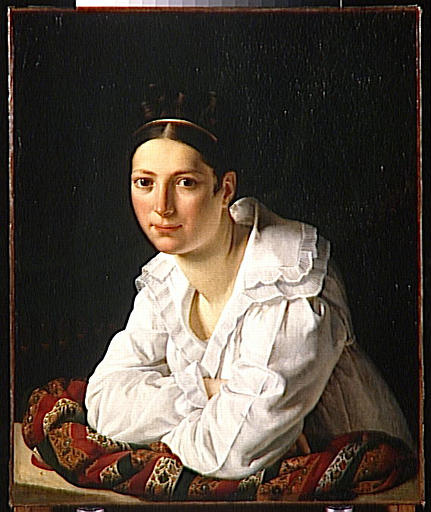
PORTRAIT DE MADAME CLAUDE MARIE DUBUFE, NEE EDMEE FRANCOISE DUMENILLET


 Ver más
Giclée / Impresión de arte
Impresiones giclée o en lienzo de calidad de museo con producción rápida y opciones de acabado flexibles. ( Comprar pintura hecha a mano Comprar imagen)




P118B $10

P118H $10

P118W $10

P438Z $10

P508JH $12

P508YH $12

P805H $10

P805Z $10

P919BZ $10

P919G $10

P919XJ $10

P959ZH $10

P968JZ $12

W106C $8

W218G $10

W218JH $8

W218Y $10

W307PJ $10

W316G $10

W316PJ $8

W316Y $10

W398PJ $8

W4111J $10

W500HY $15

W500JH $15

W692G $12

W849H $8

W940BG $15

W953PJ $8




Elija entre nuestros tamaños predefinidos que respetan las proporciones originales de la obra.

Puede introducir sus propias dimensiones para adaptarse a un marco o espacio específico. Si el tamaño seleccionado no coincide con las proporciones de la imagen original, recortaremos la obra de arte o extenderemos la imagen con un borde con efecto espejo o de color sólido. Se enviará una maqueta digital para su aprobación antes de que comience la producción.
Tenga en cuenta que la vista previa en pantalla no refleja el recorte o la extensión real. Solo la maqueta mostrará con precisión la composición final.
Aunque existen tamaños personalizados, recomendamos seleccionar una dimensión de la lista predefinida para preservar las proporciones originales.
Envío a todo el mundo () en 2 semanas en lugar de las 4/5 semanas estándar. (27 agosto)

Envío exprés gratuito a todo el mundo

Lienzo de lino de alta calidad

Seguro de envío total

Garantía de reembolso de impuestos aduaneros

Garantía de fidelidad cromática exacta

Política de devolución de 60 días (solo por defectos)

Garantía de devolución del 100% del dinero

Descuento por cantidad
 La opción de vidrio solo está disponible en tamaños inferiores a 110 cm.

PORTRAIT DE MADAME CLAUDE MARIE DUBUFE, NEE EDMEE FRANCOISE DUMENILLET
Giclée / Impresión de arte
Dimensiones de la reproducción
-


Precio total final
$ 62
Descripción de la pieza
A Portrait of Refined Elegance: Claude-Marie Dubufe’s “Portrait de Madame Claude Marie Dubufe, née Edmée Françoise Dumenillet”
Within the hushed galleries of the Louvre, or perhaps more intimately reproduced as a stunning work of art, resides "Portrait de Madame Claude Marie Dubufe, née Edmée Françoise Dumenillet," a captivating testament to the artistic legacy of Jacques-Louis David and the burgeoning Romantic sensibilities of 19th-century France. Painted in 1818 by his devoted student, Claude-Marie Paul Dubufe – the last true heir to David’s classical school – this portrait transcends mere likeness; it embodies an era, a social standing, and a quiet dignity that continues to resonate with viewers today. The painting immediately draws the eye with its masterful use of stark contrast: a deep, enveloping black background serves as a dramatic stage for the luminous figure of Madame Dubufe, instantly establishing a sense of formality and importance.
Dubufe’s technique is characterized by a remarkable restraint, echoing David's own meticulous approach. The palette is deliberately muted – primarily creams, whites, and subtle flesh tones – creating an atmosphere of understated luxury. The artist skillfully employs layering and blending to achieve smooth transitions in tone, avoiding the harsh outlines that might have dominated earlier styles. Notice how the folds of her dress are rendered with delicate, almost imperceptible lines, suggesting a luxurious fabric without resorting to overly detailed depiction. The subtle hints of red, green, and gold within the cushion beneath her arms – a detail often overlooked – add a touch of opulence and hint at the wealth and status of the sitter.
The Echoes of Neoclassicism and the Dawn of Romanticism
To fully appreciate this portrait, it’s crucial to understand its historical context. Dubufe was deeply influenced by David's rigorous adherence to classical ideals – a reaction against the Rococo excesses that preceded him. However, unlike his mentor, Dubufe subtly infused his work with elements of Romanticism, particularly in the portrayal of emotion and psychological depth. Madame Dubufe’s gaze is direct, unwavering, and imbued with an almost palpable sense of self-assurance. It's not a coy or demure look; rather, it speaks to intelligence, composure, and perhaps even a hint of quiet strength. This deliberate engagement with the viewer establishes a powerful connection, inviting us into her world.
The composition itself is carefully considered. The portrait adheres to the traditional format for 19th-century aristocratic portraits – a bust-length view that emphasizes the subject’s face and upper body. Her crossed arms, a gesture of both elegance and reserve, contribute to this sense of dignified composure. The cushion beneath her hands isn't merely decorative; it subtly reinforces her social standing and adds a layer of visual interest. It is a small detail that speaks volumes about the era.
Symbolism and Emotional Resonance
Beyond its technical brilliance, “Portrait de Madame Claude Marie Dubufe” offers a glimpse into the values and aspirations of French society during this period. The portrait’s formality reflects the importance placed on social decorum and appearances. The muted colors and restrained style suggest an emphasis on inner qualities rather than outward displays of wealth or extravagance. Yet, there's also a subtle sense of melancholy in Madame Dubufe’s expression – perhaps a reflection of the constraints imposed upon women of her station.
Furthermore, considering that Dubufe was David’s last student, this portrait can be viewed as a final, poignant echo of a bygone artistic era. It represents a transition from the rigid ideals of Neoclassicism to the more emotive and individualistic style of Romanticism. The painting serves as a beautiful reminder of the enduring power of art to capture not only likeness but also the spirit and essence of its subject.
A Timeless Masterpiece – Perfect for Reproduction
Whether admired in person or reproduced on canvas, “Portrait de Madame Claude Marie Dubufe” remains a captivating work of art. Its elegant composition, masterful technique, and subtle emotional depth make it a timeless treasure. Reproductions offer an accessible way to bring this exquisite portrait into your home, allowing you to appreciate its beauty and historical significance for years to come.
Obras relacionadas
Biografía del artista
Claude-Marie Paul Dubufe: The Last Echo of David’s Legacy
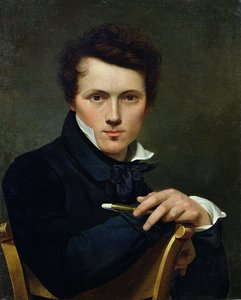
Claude-Marie Paul Dubufe (1790–1864) stands as a poignant figure in French art history—the final bastion of Jacques-Louis David's artistic lineage, marking the twilight years of Neoclassicism and ushering in a new era of Romanticism. Born in Paris amidst the burgeoning intellectual fervor of his time, Dubufe’s formative years were steeped in the ideals championed by David himself, whose monumental canvases had redefined artistic expression with their austere grandeur and moral seriousness. This early influence profoundly shaped Dubufe's stylistic trajectory, initially favoring classical subjects—mythological narratives and biblical scenes—reflecting a desire to honor tradition while simultaneously injecting subtle emotional nuance into his compositions. Early Training & Influences: Dubufe’s formal education commenced under David’s tutelage at the École Royale Supérieure des Beaux-Arts, where he absorbed not only technical mastery but also a deep appreciation for artistic idealism. The emphasis on anatomical precision and dramatic storytelling—hallmarks of David's oeuvre—became indelible components of Dubufe’s artistic vocabulary. He internalized David’s unwavering commitment to portraying virtue and heroism with unflinching realism, shaping his approach to composition and color alike. This formative period cemented Dubufe’s dedication to upholding the highest standards of artistic excellence – a legacy that would endure throughout his prolific career. Dubufe's artistic journey began within the crucible of Davidian influence, where he honed his skills under one of France’s most celebrated painters. Recognizing David’s profound impact on artistic thought and technique, Dubufe embraced classical principles as a guiding force—a conscious decision to honor the past while simultaneously forging his own distinctive path. This intellectual engagement fueled his creative endeavors, resulting in works that resonate with both formal elegance and psychological depth.- Genre Painting & Portraiture: While firmly rooted in classical ideals, Dubufe swiftly transitioned to genre painting and portraiture, capturing the vibrancy of Parisian life and portraying individuals with remarkable sensitivity. Unlike David’s monumental canvases focused on heroic narratives, Dubufe's subjects were often ordinary people—aristocrats, artists, musicians—presented with an intimacy that belied their social status. He skillfully rendered scenes from daily existence – bustling marketplaces, elegant salons – conveying the atmosphere of his time with meticulous detail and capturing fleeting expressions of emotion.
- Notable Achievements: Dubufe’s legacy rests primarily on his portraits, which are celebrated for their psychological insight and artistic finesse. He was recognized as a master of capturing the essence of his subjects—their character, temperament, and inner life—transforming mere likenesses into evocative representations of human experience. His unwavering commitment to portraying virtue and heroism with unflinching realism – mirroring David’s own artistic ethos – solidified his place in art history.
- David's Influence: Dubufe’s stylistic choices – particularly his restrained palette and emphasis on anatomical correctness – served as a direct continuation of David’s artistic vision. He remained steadfast in upholding the principles of Neoclassicism, ensuring that David’s legacy endured into the Victorian era.
Claude Marie Paul Dubufe
1790 - 1864 , Francia
Datos clave
- Artistic Movement Or Style: Escuela David
- Artists Or Movements Influenced By This Artist: ['Romanticismo']
- Artists Who Influenced This Artist: ['Jacques Louis David']
- Date Of Birth: 1790
- Date Of Death: 1864
- Full Name: Claude Marie Paul Dubufe
- Nationality: Francés
- Notable Artworks: ['Carta de Wagram']
- Place Of Birth: Paris, Francia
Artículos relacionados
Reflections of an Era: Identity & Social Commentary in 19th-Century Portraiture
Explore the captivating world of 19th-century portraiture! Discover key artists, movements like Realism & Impressionism, and the powerful social commentary embedded within these iconic artworks. Expert insights at ArtsDot.
El Siglo XIX en el Arte: 10 Obras Maestras para Decorar con Historia y Estilo
Descubre 10 obras maestras del siglo XIX: Monet, Goya y más. Explora el impresionismo, realismo y romanticismo que definieron una época. Encuentra reproducciones de arte exclusivas para decorar tu hogar con estilo en ArtsDot.com.
The Revival of Antiquity: Exploring Ideals of Beauty & Power in Neoclassical Portraiture
Explore the captivating world of Neoclassical portraiture! Discover the power & ideals behind masterpieces by David, Girodet & more. Expert analysis, custom reproductions & art appraisal at ArtsDot.
Reflections of an Era: Identity & Status in 19th-Century Portraiture
Explore the fascinating world of 19th-century portraiture! Discover how art revealed identity, social status & legacy. Expert analysis & insights into masterpieces and artists.
Émile Jean Horace Vernet: Romantic Realism & Depicting 19th-Century Life
Explore the life & art of Émile Jean Horace Vernet, a master of Romantic Realism. Discover his captivating battle scenes, portraits, and Orientalist works – a window into 19th-century France. Learn about his techniques & enduring legacy.

