

 Ver en contexto
 Enviar
 Compartir
 Detalles

 Descargar
 Similares
 Radiografía
 Presentación de diapositivas
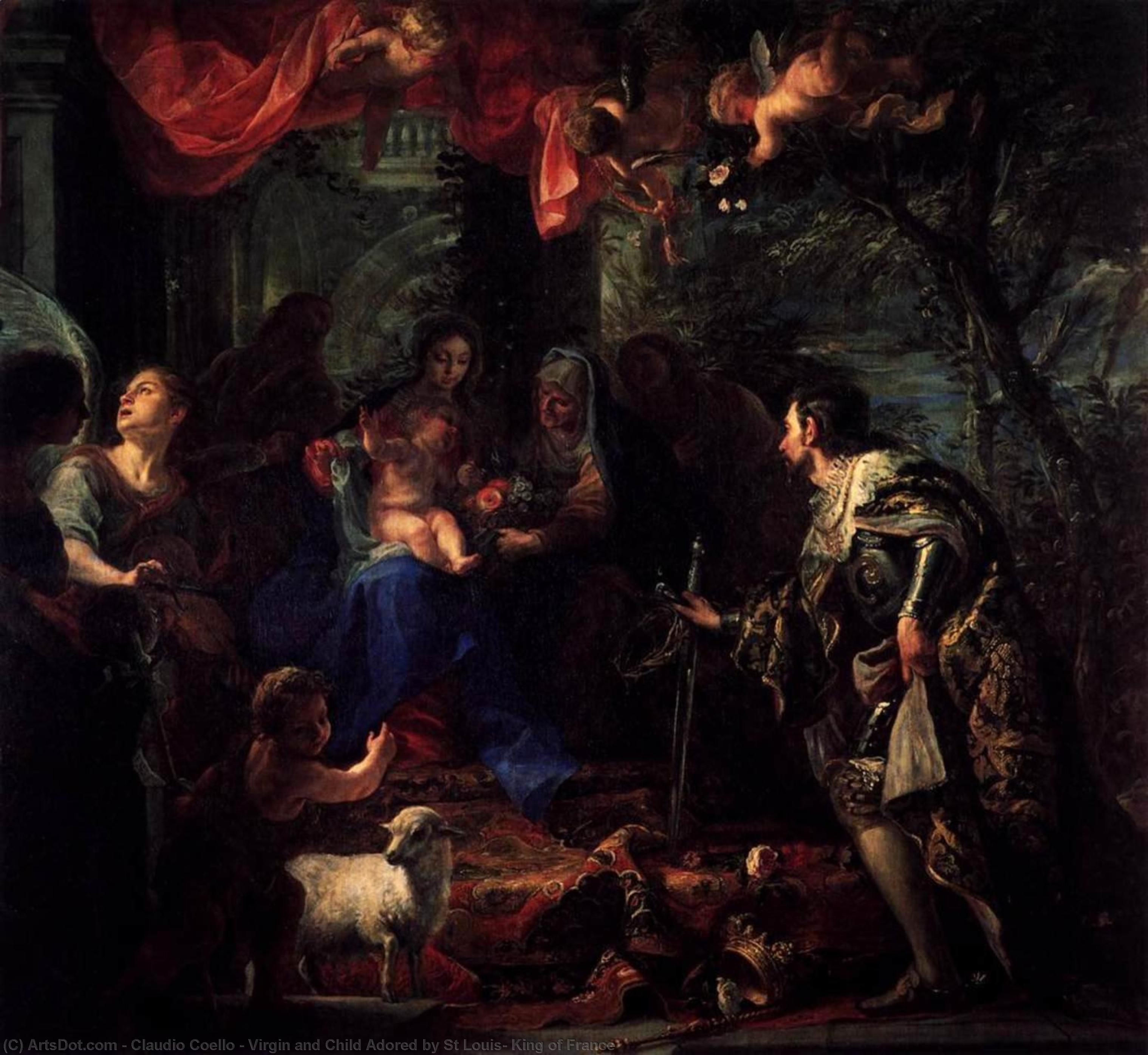
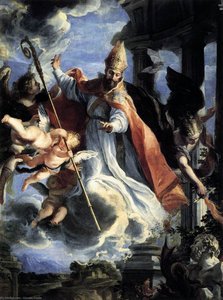
Virgin and Child Adored by St Louis, King of France
 Oil On Canvas
- WallArt
- Baroque Painting
 1665
1665 229.0 x 249.0 cm
 Museo del Prado
 Ver más
Adquiera una imagen digital de alta resolución y optimizada, muy superior a la vista previa en línea.
Cada archivo es preparado meticulosamente por nuestros especialistas internos mediante el uso de herramientas avanzadas y un experto retoque manual. Nos aseguramos de que cada imagen posea una claridad excepcional, una precisión cromática impecable y un detalle minucioso.
El archivo final se entrega por correo electrónico en un plazo de 72 horas, optimizado para su uso inmediato en entornos profesionales, editoriales y de impresión. Esta es la misma calidad en la que confían los estudios de diseño, las editoriales y las galerías de primer nivel.
Imagen Digital
Descarga un archivo de alta resolución para exhibición personal, impresión y proyectos creativos. ( Comprar impresión Comprar pintura hecha a mano)
Incluido en cada pedido de imágenes digitales
Entrega digital experta, garantizada.
Al elegir ArtsDot.com, no solo está adquiriendo una imagen; está recibiendo una obra de arte digital mejorada profesionalmente, elaborada con precisión y respaldada por una garantía de satisfacción. Esto es todo lo que incluye su pedido, automáticamente:

Entrega rápida por email
Recibirá su archivo de imagen digital en alta resolución por correo electrónico en un plazo de 72 horas tras realizar su pedido, listo para su uso inmediato.

Archivo digital optimizado por IA
Su obra de arte se optimiza profesionalmente mediante herramientas avanzadas de IA y edición manual, garantizando el máximo detalle, claridad y precisión cromática.

Reenvío gratuito de por vida
¿Has borrado o perdido tu archivo por error? No te preocupes: te lo volveremos a enviar en cualquier momento, sin coste adicional.

Sin gastos de importación, siempre
Disfrute de su obra de arte al instante sin aduanas, aranceles ni gastos de envío; las descargas digitales siempre están libres de impuestos.

Garantía de fidelidad de color
Garantizamos que su imagen digital refleje los colores originales con la mayor fidelidad posible, mediante el uso de herramientas profesionales y gestión del color.

Garantía de satisfacción de 60 días
Si no está satisfecho con su imagen digital, la revisaremos o le reembolsaremos el 100% en un plazo de 60 días, sin preguntas.

100% Garantía de devolución de dinero
¿No está satisfecho? Obtenga un reembolso completo dentro de los 60 días posteriores a la recepción de su archivo digital, sin necesidad de explicaciones.

Descuentos por pedidos grandes
Compra 3 imágenes, ahorra 10% - Compra 5, ahorra 15% - Compra 10+, ahorra 20%. Ideal para proyectos creativos, galerías y agencias.
The Virgin and Child Adored by St Louis – A Baroque Tapestry of Faith and Royal Grace
Claudio Coello’s “Virgin and Child Adored by St Louis, King of France,” painted in 1668, is more than a religious depiction; it's a meticulously crafted tableau vivant—a stage set for divine grace and royal piety. This monumental work, measuring an impressive 229 x 249 cm, resides within the Museo del Prado in Madrid, a testament to Coello’s mastery of the Spanish Baroque style and his profound understanding of visual storytelling. The painting immediately draws the eye with its opulent richness – deep reds, golds, and blues dominate the palette, creating an atmosphere of regal splendor and spiritual intensity.
At the heart of the composition lies the Virgin Mary, radiating serenity and maternal tenderness as she cradles the infant Jesus. Her pose is both dignified and approachable, a deliberate choice that emphasizes her role as the embodiment of compassion and humility. The baby Jesus, depicted with an almost ethereal quality, appears to be bathed in a soft light, drawing the viewer’s gaze towards his innocence and divine nature. Surrounding this central triad are figures rendered with remarkable detail – St. Louis, King of France, kneeling in adoration; angels hovering above, bestowing blessings; and a host of courtiers and attendants, each contributing to the painting's complex narrative.
A Masterclass in Baroque Technique
Coello’s skill as a painter is immediately evident in his masterful use of technique. He employs a highly polished surface finish, achieved through numerous layers of thin glazes—a hallmark of Spanish Baroque painting. This creates an illusion of depth and luminosity, making the figures appear almost tangible. The artist demonstrates a deep understanding of chiaroscuro – the dramatic interplay of light and shadow – to sculpt the forms and create a sense of volume. Notice particularly how the light falls upon Mary’s face and hands, highlighting her role as the central figure, while subtly receding into darkness around the other figures.
The composition itself is carefully orchestrated, employing principles of perspective and balance to guide the viewer's eye through the scene. The arrangement of figures creates a sense of movement and dynamism, drawing the viewer’s attention from one element to another. Coello’s meticulous attention to detail extends to every aspect of the painting – the folds of the drapery, the textures of the fabrics, and the expressions on the faces of the figures—all contribute to the overall effect of realism and grandeur.
Symbolism Woven into the Narrative
Beyond its aesthetic beauty, “Virgin and Child Adored by St Louis” is rich in symbolic meaning. The presence of St. Louis, a powerful monarch, underscores the painting’s theme of divine grace and royal piety. It suggests that faith and authority are not mutually exclusive but rather complementary aspects of human experience. The inclusion of angels symbolizes divine intervention and protection, while the sheep at the base of the composition represent innocence and vulnerability – qualities associated with both Mary and Jesus.
The setting itself—a richly decorated chamber filled with luxurious furnishings—further enhances the painting’s symbolic significance. It evokes a sense of earthly paradise, where God's grace is readily available to those who seek it. The chair positioned in the lower part of the image symbolizes royalty and power, while also suggesting a place of reverence and contemplation.
A Legacy of Baroque Splendor
Claudio Coello’s “Virgin and Child Adored by St Louis, King of France” stands as a pinnacle of Spanish Baroque art. Completed in 1668, it exemplifies the era's fascination with religious themes, dramatic composition, and opulent decoration. The painting reflects the artistic influences of Rubens, Titian, and Van Dyck, while also establishing Coello’s own distinctive style—characterized by its meticulous detail, luminous colors, and profound emotional depth. It remains a powerful testament to the enduring appeal of faith, royalty, and the transformative power of art.
This magnificent work offers a captivating glimpse into the heart of 17th-century Spanish culture and artistic achievement. Reproductions capture much of this grandeur, allowing viewers to appreciate Coello’s artistry in their own homes or spaces.
Obras relacionadas


Biografía del artista
A Legacy in Light: The Life and Art of Claudio Coello
Claudio Coello, born in Madrid in 1642, stands as a pivotal figure bridging the High Baroque and the nascent Rococo styles in Spanish painting. Often hailed as the last great master of the 17th-century Spanish school, his career unfolded against a backdrop of shifting artistic tastes and political complexities. While many artists before him enjoyed widespread international renown, Coello’s significance lies not only in his technical prowess but also in his ability to capture the essence of a fading era—an age of courtly splendor and deeply held religious conviction.
Coello's lineage itself speaks volumes about the artistic currents that shaped his vision. His father, Faustino Coello, was a celebrated Portuguese sculptor, instilling within his son an early appreciation for form and craftsmanship. This foundation led him to the studio of Francisco Rizi, where he received formal training in drawing and painting. However, it was through a fortunate connection with Juan Carreño de Miranda that young Claudio gained access to the royal collections—a treasure trove of masterpieces by Titian, Rubens, and Van Dyck. These works proved transformative, igniting within him a passion for rich color palettes, dynamic compositions, and the nuanced portrayal of human character.
The Court Painter and Religious Devotion
Coello’s ascent was marked by a series of increasingly prestigious commissions. He initially garnered attention with altarpieces like that for San Plácido in Madrid, demonstrating an early mastery of Flemish and Venetian influences. His talent soon caught the eye of the Archbishop of Saragossa, leading to significant religious works within that region. Yet, it was his appointment as court painter to King Charles II in 1683 that truly cemented his reputation. This position afforded him unparalleled opportunities to depict the Spanish aristocracy, culminating in one of his most ambitious projects: the immense altarpiece for the sacristy of El Escorial.
The *Adoration of the Miraculous Host* at El Escorial is a testament to Coello’s skill and ambition. Spanning seven years of meticulous work, this monumental composition features over fifty portraits—a veritable who's who of Spanish royalty and prominent courtiers. More than just a display of portraiture, it’s a carefully constructed narrative imbued with religious fervor and symbolic weight. The painting seamlessly blends the sacred and the secular, reflecting the deeply intertwined nature of faith and power in 17th-century Spain. Coello's ability to capture not only likeness but also personality—the subtle nuances of expression and posture—elevates this work beyond mere representation.
Influences and Artistic Development
Coello’s style wasn’t born in isolation; it was a synthesis of diverse influences, skillfully adapted to his own unique vision. The dramatic chiaroscuro of Caravaggio resonated within his compositions, lending them a sense of theatrical intensity. However, he tempered this with the vibrant colorism and fluid brushwork characteristic of Venetian masters like Titian and Veronese. The elegance and refined portraiture of Anthony van Dyck also left an indelible mark on his work, particularly evident in his depictions of Charles II.
While deeply indebted to these predecessors, Coello wasn’t merely a copyist. He developed a distinctive approach characterized by bold compositions, meticulous detail, and a masterful use of light to create atmosphere and emotional impact. His frescoes, though many were tragically lost, reveal a penchant for *trompe l'oeil* effects—illusionistic architectural elements that expanded the perceived space of his paintings. He also possessed a remarkable ability to convey texture and materiality, bringing a tangible realism to fabrics, jewels, and skin tones.
A Disheartening Finale and Enduring Legacy
Despite his considerable talent and royal patronage, Coello’s later years were tinged with disappointment. The arrival of Luca Giordano in Spain in 1692 marked a turning point—the Italian painter's more flamboyant style quickly gained favor at court, overshadowing Coello’s refined approach. The commission for the grand staircase at El Escorial was awarded to Giordano, a decision that deeply mortified Coello and is often cited as a contributing factor to his untimely death in 1693.
However, Coello's legacy endures. He remains celebrated as one of the last great Spanish painters of the 17th century, bridging the gap between the Baroque grandeur of Velázquez and the emerging Rococo sensibilities. His works—found in museums like the Museo del Prado and Pembroke College Oxford—continue to captivate viewers with their technical brilliance, emotional depth, and evocative portrayal of a bygone era. His influence can be traced in the work of later Spanish artists, solidifying his place as a pivotal figure in the history of Spanish art.
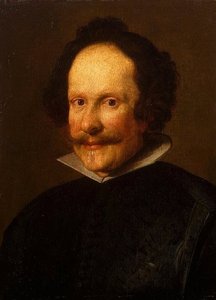
Claudio Coello
1642 - 1693 , España
Breves datos
- Artistas Influenciados: ['Pintores españoles tardíos']
- Artistas Que Influyeron:
- Diego Velázquez
- Rubens
- Tiziano
- Fecha De Fallecimiento: 20 de abril de 1693
- Fecha De Nacimiento: 2 de marzo de 1642
- Lugar De Nacimiento: Madrid, España
- Movimiento Artístico: Barroco español
- Nacionalidad: Hispano-portugués
- Nombre Completo: Claudio Coello
- Obras Notables:
- Adoración del Host
- Retrato de Carlos II

