

 Ver en contexto
 Enviar
 Compartir
 Detalles

 Descargar
 Similares
 Radiografía
 Presentación de diapositivas
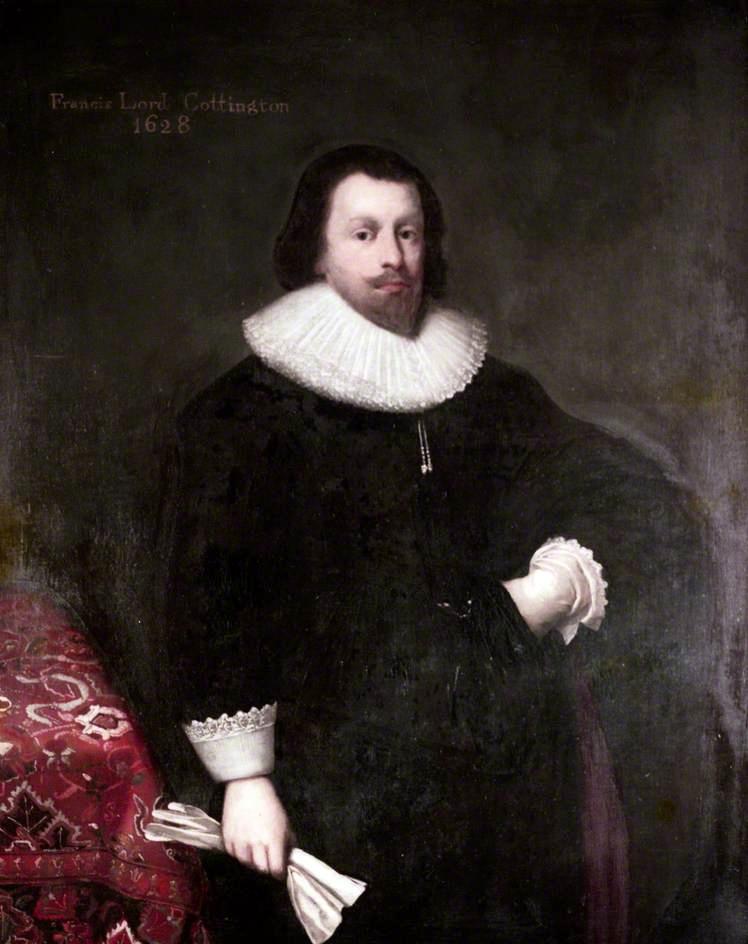
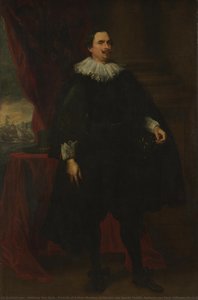
Francis Lord Cottington


 Ver más
Reproducción al óleo hecha a mano
Óleo sobre lienzo pintado a mano en el tamaño y marco de su elección, realizado por encargo por nuestros artistas. ( Comprar impresión Comprar imagen)




P118B $10

P118H $10

P118W $10

P438Z $10

P508JH $12

P508YH $12

P805H $10

P805Z $10

P919BZ $10

P919G $10

P919XJ $10

P959ZH $10

P968JZ $12

W106C $8

W218G $10

W218JH $8

W218Y $10

W307PJ $10

W316G $10

W316PJ $8

W316Y $10

W398PJ $8

W4111J $10

W500HY $15

W500JH $15

W692G $12

W849H $8

W940BG $15

W953PJ $8




Elija entre nuestros tamaños predefinidos que respetan las proporciones originales de la obra.

Puede ingresar sus propias dimensiones para adaptarse a un marco o espacio específico. Si el tamaño seleccionado no coincide con las proporciones de la imagen original, recortaremos la obra o extenderemos la pintura con elementos adicionales pintados a mano. Se le enviará una maqueta digital para su aprobación antes de comenzar la producción.
Tenga en cuenta que la vista previa en pantalla no refleja el recorte o la extensión reales. Solo la maqueta mostrará con precisión la composición final.
Si bien existen tamaños personalizados, recomendamos seleccionar una dimensión de la lista predefinida para preservar las proporciones originales.
Tras realizar el pedido, el equipo de ArtsDot.com enviará un correo electrónico al cliente para solicitar instrucciones y proporcionarle una vista previa del boceto.
Envío a todo el mundo () en 3-4 semanas en lugar de las 5 semanas estándar. (7 septiembre). Sin comprometer la calidad.

Envío exprés gratuito a todo el mundo

Lienzo de lino de alta calidad

Seguro de envío total

Garantía de reembolso de impuestos aduaneros

Garantía de fidelidad cromática exacta

Política de devolución de 100 días (solo por defectos)

Garantía de devolución del 100% del dinero

Descuento por cantidad
 La opción de vidrio solo está disponible en tamaños inferiores a 110 cm.

Francis Lord Cottington
Técnica de reproducción
Dimensiones de la reproducción
-


Precio total final
$ 263
A Window into an Age: Cornelis Janssens van Ceulen’s Portrait of Francis Lord Cottington
Cornelis Janssens van Ceulen's 1628 portrait of Francis Lord Cottington is more than a simple likeness; it’s a meticulously crafted window into the burgeoning world of 17th-century England, a testament to both the formality and subtle complexities of aristocratic life. Painted against a dramatic, almost impenetrable black backdrop – a hallmark of van Ceulen's style – the subject commands attention not through overt flamboyance but through an air of dignified seriousness. The painting speaks volumes about status, responsibility, and the carefully constructed image of power that defined this era. Van Ceulen’s skill lies in his ability to imbue even a formal portrait with a palpable sense of presence, drawing the viewer into the subject's world.The Anatomy of Form: Technique and Detail
Van Ceulen was renowned for his painstaking attention to detail, and this portrait is a prime example. The composition is strikingly centered, emphasizing Cottington’s importance within the frame. Lines are used with remarkable precision – sharp delineations around the face, clothing, and hands – creating an illusion of three-dimensionality that feels remarkably real. The artist masterfully employs subtle shading to model forms, suggesting the weight of the velvet coat, the texture of the ruff, and even the delicate folds of the fabric at the lower right corner. Notice how the light catches on the polished surfaces of the buttons and the intricate embroidery, revealing a dedication to capturing not just appearance but also material quality. The use of oil paint allows for layering and blending, creating a smooth, almost velvety finish that contributes significantly to the portrait’s overall richness. The palette is restrained – dominated by blacks, whites, and muted browns – yet within this simplicity lies a remarkable depth of color and tone.A Portrait of Power: Context and Symbolism
Francis Lord Cottington himself was a figure of considerable influence in his time, holding important positions within the English government. The portrait’s formality reflects the societal expectations placed upon nobility – an air of solemnity, responsibility, and unwavering authority. The elaborate white ruffs around his neck and cuffs are not merely decorative; they were symbols of wealth and status during this period, signifying membership in the highest echelons of society. The carefully trimmed beard and mustache further reinforce this image of cultivated refinement. While the background is starkly dark, it serves to heighten the focus on Cottington, suggesting a world beyond his immediate concerns – a world governed by duty and tradition. The subtle inclusion of red in the fabric hints at power and perhaps even a touch of familial pride.Beyond the Surface: Van Ceulen’s Legacy and Reproduction
Cornelis Janssens van Ceulen was a pivotal figure in the transition between Dutch and English Baroque painting, adapting his distinctive style to the demands of the English court. His work is characterized by its realism, meticulous detail, and often dramatic use of light and shadow – qualities that are beautifully exemplified in this portrait of Francis Lord Cottington. Today, reproductions offer a remarkable opportunity to bring this captivating artwork into any setting. ArtsDot’s faithful recreations capture the essence of van Ceulen's original, allowing you to experience the depth, nuance, and emotional resonance of this extraordinary piece firsthand. Consider how the rich colors and intricate details will transform your living room or study, creating a focal point that speaks volumes about history, artistry, and timeless elegance. Explore ArtsDot’s collection today and discover the perfect way to own a piece of art history.Obras relacionadas
Biografía del artista
Vida Temprana y Formación
- Nacido: Londres, Reino Unido (1593)
- Fallecido: 1661
- Cornelis Janssens van Ceulen, también conocido como Cornelius Johnson, nació en Londres de padres holandeses o flamencos que eran refugiados religiosos.
- Fue bautizado en la Iglesia Holandesa de Austin Friars, un centro para la comunidad neerlandesa en Londres.
- Su padre, Cornelis Janssens, había huido de Amberes debido a la persecución religiosa.
- Se cree que recibió su formación temprana en los Países Bajos, posiblemente bajo la tutela de Michiel Jansz. van Mierevelt.
- Probablemente asimiló influencias de otros pintores holandeses durante este período.
Carrera y Estilo Artístico
- Johnson se estableció como retratista en Inglaterra alrededor de 1618.
- Sus primeros retratos a menudo presentaban marcos ovalados "ficticios", un estilo característico de la época.
- Pintó numerosos retratos de la nueva gentry inglesa, capturando sus rasgos con detalle y precisión.
- Influencias: La obra de Johnson muestra influencias de pintores holandeses, particularmente en sus primeras piezas. También se adaptó a los estilos prevalecientes en Inglaterra.
- Desarrollo del Estilo: Su estilo evolucionó con el tiempo, demostrando una capacidad para incorporar nuevas tendencias artísticas sin perder coherencia.
- Se le conocía por su meticulosa representación de la ropa y los accesorios, un sello distintivo de sus retratos.
- Johnson firmaba y fechaba constantemente sus obras, lo cual es relativamente inusual para artistas de esa época.
Obras Principales y Retratos Notables
- Lady Rose Macdonnell of Antrim: Un retrato temprano sobreviviente que demuestra su habilidad.
- Carlos I, Carlos II y Jacobo II: Pintó retratos de la familia real cuando eran niños.
- William Harvey: Un notable retrato del renombrado médico.
- Lucius Carey, 2º Vizconde Falkland: Una obra significativa que muestra su capacidad para capturar el carácter.
- Letitia Morison, Vizcondesa Falkland: Otro importante retrato de su obra.
- Henry Grey, 1er Conde de Stamford: Demuestra su habilidad para retratar a la gentry inglesa.
Vida Posterior y Legado
- En 1643, Johnson se mudó a Middelburg, Países Bajos, debido al estallido de la Guerra Civil Inglesa.
- Posteriormente residió en Ámsterdam (1646-1652) antes de establecerse permanentemente en Utrecht.
- Los retratos de Johnson proporcionan valiosas perspectivas sobre el panorama social y cultural del siglo XVII en Inglaterra.
- Aunque no es tan celebrado como Anthony van Dyck, Johnson fue una figura importante en la retratística inglesa.
- Sus detalladas representaciones de la ropa y su consistente firma de obras lo distinguen de muchos contemporáneos.
- Se le considera uno de los pocos artistas en Inglaterra en esa época que firmaban y fechaban constantemente sus trabajos.
Significado Histórico
- Los retratos de Johnson documentan un período de significativo cambio social en Inglaterra, a medida que surgía una nueva clase gentry.
- Sus obras ofrecen valiosos registros visuales de individuos y familias de esta época.
- Ayudó a establecer la retratística como un género importante en el arte inglés.
- Su capacidad para adaptar su estilo mientras mantenía una voz artística distintiva contribuyó a su legado duradero.
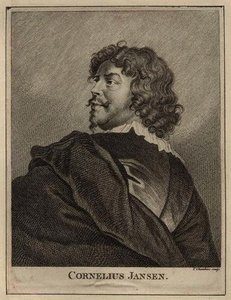
Cornelis Janssens van Ceulen
1593 - 1661 , Reino Unido
Datos clave
- Artistas Que Influyeron: ['Michiel Jansz. van Mierevelt']
- Fecha De Fallecimiento: 5 de agosto de 1661
- Fecha De Nacimiento: 14 de octubre de 1593
- Lugar De Nacimiento: Londres, Reino Unido
- Movimiento Artístico: Barroco retratista
- Nacionalidad: Inglés, Neerlandés, Flamenco
- Nombre Completo: Cornelis Janssens van Ceulen
- Obras Notables:
- Retrato de un joven
- William Harvey (1578–1657)
- Lucius Carey, 2º Vizconde Falkland
- Lady Hester Mainwaring
- Henry Grey, 1º Conde de Stamford
Artículos relacionados
Francis Bacon: Las 25 Obras Maestras del Expresionismo y su Impacto en el Arte Moderno
Explora las 25 obras maestras de Francis Bacon, el expresionismo visceral y la angustia humana. Descubre retratos icónicos, trípticos impactantes y su legado en el arte moderno. Reproducciones de museo en ArtsDot.com.

Rembrandt van Rijn: Las 25 Obras Maestras que Definen un Genio | Arte, Historia y Decoración
Descubre las 25 obras maestras de Rembrandt van Rijn, el genio del barroco holandés. Explora su historia, técnica y simbolismo en retratos icónicos como 'La Ronda Nocturna'. Encuentra reproducciones de arte exclusivas para decorar tu hogar con ArtsDot.com.

Los 10 Maestros del Primitivo Flamenco: Obras que Definen un Arte Inigualable | ArtsDot
Descubre los 10 imprescindibles del Primitivo Flamenco: Jan van Eyck, Robert Campin y más. Explora la historia, simbolismo y técnica de estas obras maestras renacentistas tempranas. Encuentra reproducciones de arte de museo en ArtsDot.com.
Renacimiento Flamenco Temprano: 10 Obras Maestras que Cambiaron la Historia del Arte | ArtsDot
Descubre las 10 obras maestras del Renacimiento Flamenco Temprano. Explora la historia de Jan van Eyck, Robert Campin y más. Reproducciones de arte en ArtsDot.com para decorar tu hogar con belleza y elegancia. ¡Explora la colección online!
Cornelis van Poelenburch: Bridging Mannerism & the Dutch Baroque Landscape
Discover Cornelis van Poelenburch, a pivotal Dutch Baroque landscape painter bridging Mannerism & Italianate styles. Explore his life, key works, and lasting influence on 17th-century art with ArtsDot.