

 Ver en contexto
 Enviar
 Compartir
 Detalles

 Descargar
 Similares
 Radiografía
 Presentación de diapositivas
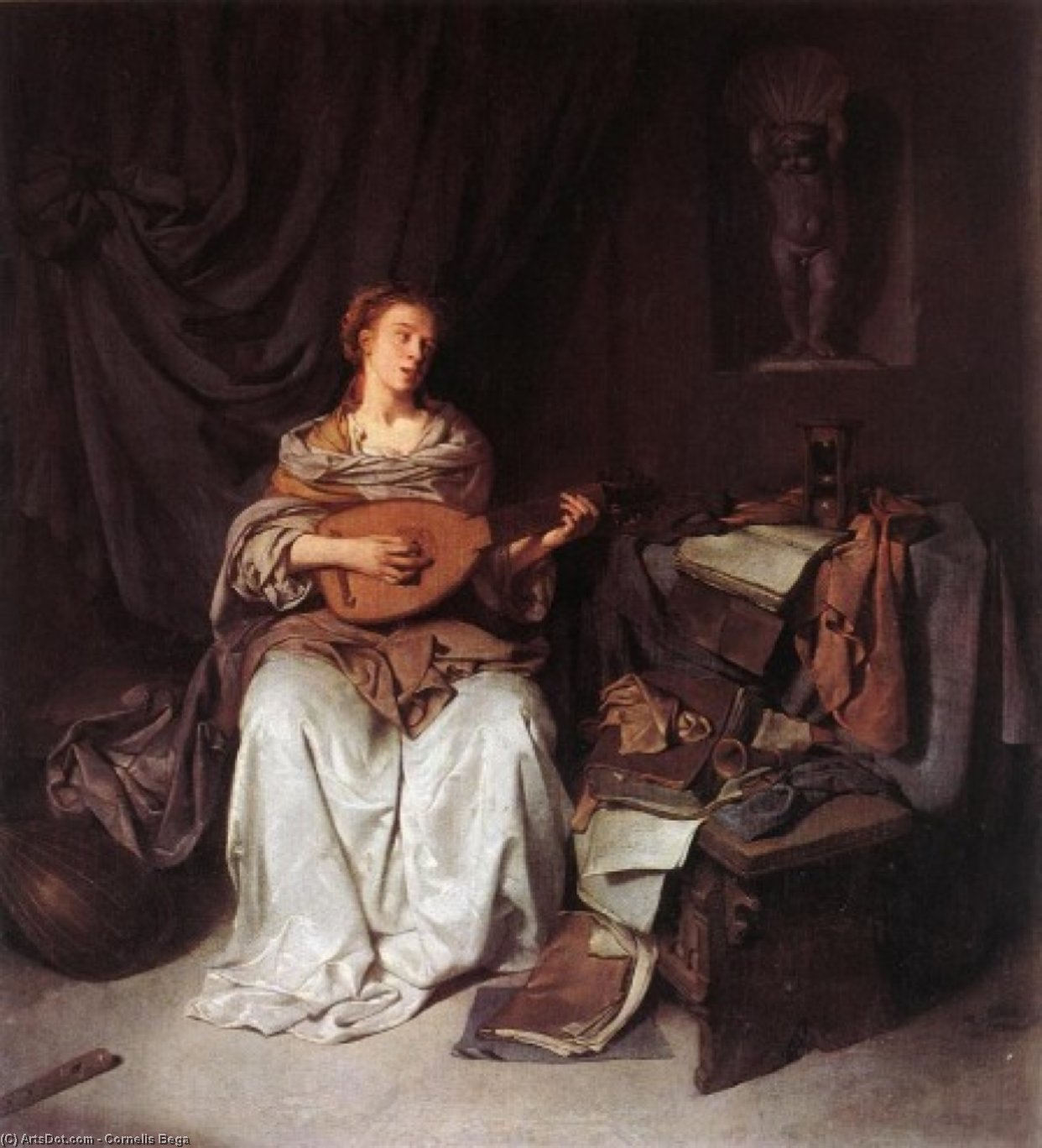
Woman Playing a Lute
 Acrylic On Canvas
- WallArt
- Dutch Baroque
 1664
1664 36.0 x 32.0 cm
 Galería de los Uffizi
 Ver más
Reproducción al óleo hecha a mano
Óleo sobre lienzo pintado a mano en el tamaño y marco de su elección, realizado por encargo por nuestros artistas. ( Comprar impresión Comprar imagen)




P118B $10

P118H $10

P118W $10

P438Z $10

P508JH $12

P508YH $12

P805H $10

P805Z $10

P919BZ $10

P919G $10

P919XJ $10

P959ZH $10

P968JZ $12

W106C $8

W218G $10

W218JH $8

W218Y $10

W307PJ $10

W316G $10

W316PJ $8

W316Y $10

W398PJ $8

W4111J $10

W500HY $15

W500JH $15

W692G $12

W849H $8

W940BG $15

W953PJ $8




Elija entre nuestros tamaños predefinidos que respetan las proporciones originales de la obra.

Puede ingresar sus propias dimensiones para adaptarse a un marco o espacio específico. Si el tamaño seleccionado no coincide con las proporciones de la imagen original, recortaremos la obra o extenderemos la pintura con elementos adicionales pintados a mano. Se le enviará una maqueta digital para su aprobación antes de comenzar la producción.
Tenga en cuenta que la vista previa en pantalla no refleja el recorte o la extensión reales. Solo la maqueta mostrará con precisión la composición final.
Si bien existen tamaños personalizados, recomendamos seleccionar una dimensión de la lista predefinida para preservar las proporciones originales.
Tras realizar el pedido, el equipo de ArtsDot.com enviará un correo electrónico al cliente para solicitar instrucciones y proporcionarle una vista previa del boceto.
Envío a todo el mundo () en 3-4 semanas en lugar de las 5 semanas estándar. (26 agosto). Sin comprometer la calidad.

Envío exprés gratuito a todo el mundo

Lienzo de lino de alta calidad

Seguro de envío total

Garantía de reembolso de impuestos aduaneros

Garantía de fidelidad cromática exacta

Política de devolución de 60 días (solo por defectos)

Garantía de devolución del 100% del dinero

Descuento por cantidad
 La opción de vidrio solo está disponible en tamaños inferiores a 110 cm.

Woman Playing a Lute
Técnica de reproducción
Dimensiones de la reproducción
-


Precio total final
$ 263
Descripción de la obra
A Portrait of Quiet Reflection: Cornelis Pietersz Bega’s “Woman Playing a Lute”
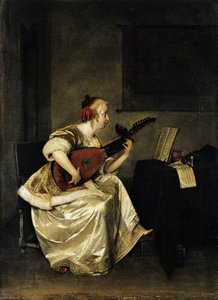
Cornelis Pietersz Bega's "Woman Playing a Lute," painted in 1664, stands as a poignant emblem of the Dutch Golden Age—a testament to its fascination with capturing everyday life and distilling profound emotion into deceptively simple compositions. This intimate portrait transcends mere representation; it’s an invitation into a moment frozen in time, offering glimpses of domestic tranquility and intellectual contemplation within Haarlem's artistic milieu.Subject Matter and Composition
The painting depicts a woman seated on the floor amidst a modestly furnished room. Her gaze is directed downwards as she delicately plucks at the strings of a lute—a musical instrument symbolizing erudition, refinement, and pastoral beauty. Scattered around her are books, suggesting an environment conducive to scholarly pursuits and artistic appreciation. Two vases grace the scene, strategically positioned to introduce elements of natural ornamentation and contribute to the overall sense of serenity. Above her head hangs a clock, anchoring the composition in temporal reality while simultaneously emphasizing the importance of time—a recurring motif within Dutch genre painting. The artist’s masterful use of perspective creates depth and realism, drawing the viewer into this quiet domestic tableau.Style and Technique
Bega's style aligns closely with the prevailing trends of Haarlem Baroque art, characterized by a restrained palette and meticulous attention to detail. He employs chiaroscuro—the dramatic interplay between light and shadow—to sculpt form and imbue the scene with palpable atmosphere. The muted tones of ochre, brown, and ivory dominate the canvas, fostering a sense of understated elegance. Brushstrokes are smooth and blended, conveying a remarkable level of realism without resorting to excessive ornamentation. Bega’s technique demonstrates an impressive understanding of tonal gradation, skillfully capturing nuances of light that illuminate the woman's face and hands—the focal points of the portrait.Historical Context: The Dutch Golden Age
“Woman Playing a Lute” emerged during the zenith of Dutch artistic achievement – a period fueled by burgeoning trade, intellectual curiosity, and a humanist spirit. Haarlem, as Bega’s birthplace, was a vibrant center for painting, sculpture, and decorative arts, attracting artists from across Europe. Genre paintings like this one were particularly popular, reflecting a desire to portray the realities of ordinary life—a departure from grand mythological narratives favored by earlier artistic movements. The subject matter itself speaks to the values of the era: domestic harmony, intellectual pursuits, and an appreciation for beauty found in nature – themes that resonated deeply with the sensibilities of the time.Symbolism and Emotional Impact
Beyond its visual appeal, “Woman Playing a Lute” carries symbolic weight. The lute represents not only musical skill but also knowledge and refinement—qualities highly valued within Dutch society. The woman’s posture exudes calmness and grace, conveying an inner peace that transcends the outward appearance of her surroundings. Her downward gaze suggests introspection and contemplation, inviting viewers to ponder on themes of solitude, beauty, and artistic expression. Ultimately, Bega's masterpiece succeeds in capturing a fleeting moment of human experience—a portrait imbued with tenderness and quiet dignity that continues to captivate audiences centuries later.Obras relacionadas



Biografía del artista
Cornelis Pietersz Bega: Una Vida en la Pintura de Género Holandesa
Primeros Años y Orígenes Familiares
- Nacido: Haarlem, Países Bajos, 1630.
- Cornelis Pietersz Bega (también conocido como Cornelis Begijn) provenía de una familia profundamente involucrada en las artes. Su padre, Pieter Jansz. Begijn, era escultor y joyero.
- Una línea fascinante: su madre, María, era la hija ilegítima del prominente pintor de Haarlem, Cornelis van Haarlem.
- Adoptó el nombre “Bega” cuando comenzó su carrera profesional como pintor.
Formación Artística e Influencias
- Mentorado: Bega fue un estudiante dedicado de Adriaen van Ostade, maestro de la pintura de género holandesa.
- La influencia de Van Ostade es claramente visible en el trabajo de Bega: ambos artistas se centraron en escenas de vida campesina y actividades cotidianas.
- Desarrollando su estilo: Si bien inicialmente siguió de cerca a Van Ostade, Bega gradualmente desarrolló un enfoque único para la composición y la caracterización.
Estilo Artístico y Temas
- Escenas de Género: Bega se especializó en pinturas de género: representaciones de la vida cotidiana, particularmente escenas dentro de tabernas e interiores.
- Sus obras a menudo presentan pequeños grupos de figuras campesinas involucradas en conversaciones animadas, juegos o simplemente disfrutando.
- Temas Fantásticos: También exploró temas más inusuales, como alquimistas trabajando (por ejemplo, “El Alquimista”) y astrólogos.
- La paleta de Bega típicamente presenta tonos terrosos cálidos: marrones, grises y ocres, creando una sensación de intimidad y realismo.
El Grand Tour y Desarrollo Artístico
- Viajes: De 1653 a 1654, Bega se embarcó en una extensa “Grand Tour” por Alemania, Suiza y Francia junto con otros pintores Dirk Helmbreker, Vincent van der Vinne y Guillam Dubois.
- Este viaje fue meticulosamente documentado en los diarios de Van der Vinne, proporcionando valiosas perspectivas sobre el panorama artístico europeo de la época.
- Ampliando Horizontes: La exposición a diferentes estilos y culturas sin duda influyó en el desarrollo artístico de Bega.
Carrera y Afiliación a la Guilda
- Las obras fechadas de Bega comienzan en 1652, indicando el inicio de su carrera profesional.
- Aceptación en la Guilda: Fue aceptado en la Guilda de San Lucas de Haarlem en 1654, un hito significativo para cualquier artista holandés.
- A pesar de este éxito, la carrera de Bega fue trágicamente truncada: murió solo diez años después, en 1664.
- Conexiones Cercanas: Mantuvo amistades cercanas con otros pintores de Haarlem, notablemente Leendert van der Cooghen.
Legado e Importancia Histórica
- Bega fue enterrado en la tumba de su abuelo, Cornelis van Haarlem, un testimonio del legado artístico de su familia.
- Capturando la Vida Holandesa: Sus pinturas ofrecen valiosos vislumbres de la sociedad holandesa y la vida cotidiana del siglo XVII.
- Un Notable Pintor de Género: Si bien no es tan celebrado como algunos de sus contemporáneos, Cornelis Pietersz Bega sigue siendo una figura notable en la historia de la pintura holandesa del Siglo de Oro. Sus obras son apreciadas por sus composiciones animadas, representaciones realistas de la vida campesina y su atmósfera íntima.
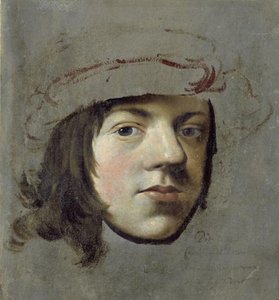
cornelis pietersz bega
1630 - 1664 , Países Bajos
Datos clave
- Artistic Movement Or Style: Dutch Golden Age painting
- Artists Who Influenced This Artist: ['Adriaen van Ostade']
- Date Of Birth: c. 1630/32
- Date Of Death: 1664
- Full Name: Cornelis Pietersz Bega
- Nationality: Dutch
- Notable Artworks:
- The Alchemist
- Tavern Scene
- Place Of Birth: Haarlem, Netherlands
Artículos relacionados

Reflejos de una Época Dorada: La Pintura Barroca Holandesa y la Innovación Cultural
Descubra la riqueza y el detalle de la pintura barroca holandesa del Siglo de Oro. Explore las obras maestras de Rembrandt, Vermeer y otros artistas clave. Análisis experto e historia cultural.

Los 10 Maestros del Siglo de Oro Holandés: Arte, Historia y Decoración Exclusiva
Descubre los 10 imprescindibles del Siglo de Oro Holandés: Rembrandt, Vermeer y más. Explora la historia, técnica y belleza de estos lienzos clásicos. Encuentra reproducciones de arte exclusivas para decorar tu hogar en .

La Luz y la República: Innovación Artística en el Siglo de Oro Neerlandés
Descubra la innovación artística del Siglo de Oro Neerlandés. Explore las obras maestras de Rembrandt y Vermeer, técnicas revolucionarias y el legado perdurable de este florecimiento cultural. ¡Sumérjase en la luz y la belleza!
Pintura de Género Holandesa: Un Reflejo Íntimo de la Vida Cotidiana y los Valores Sociales del Siglo de Oro
Descubra la riqueza de la pintura de género holandesa del Siglo de Oro. Explore las obras maestras de Vermeer y Brueghel, su simbolismo y el reflejo de la vida cotidiana en esta época dorada. ¡Conozca más!

Illuminating Realism: Exploring the Dutch Golden Age of Painting (1600-1700)
Explore the Dutch Golden Age of painting (1600-1700) with ArtsDot. Discover Rembrandt, Vermeer & other masters. Learn about techniques, history & find museum-quality reproductions.

