 Ver en contexto
 Enviar
 Compartir
 Detalles

 Descargar
 Similares
 Radiografía
 Presentación de diapositivas
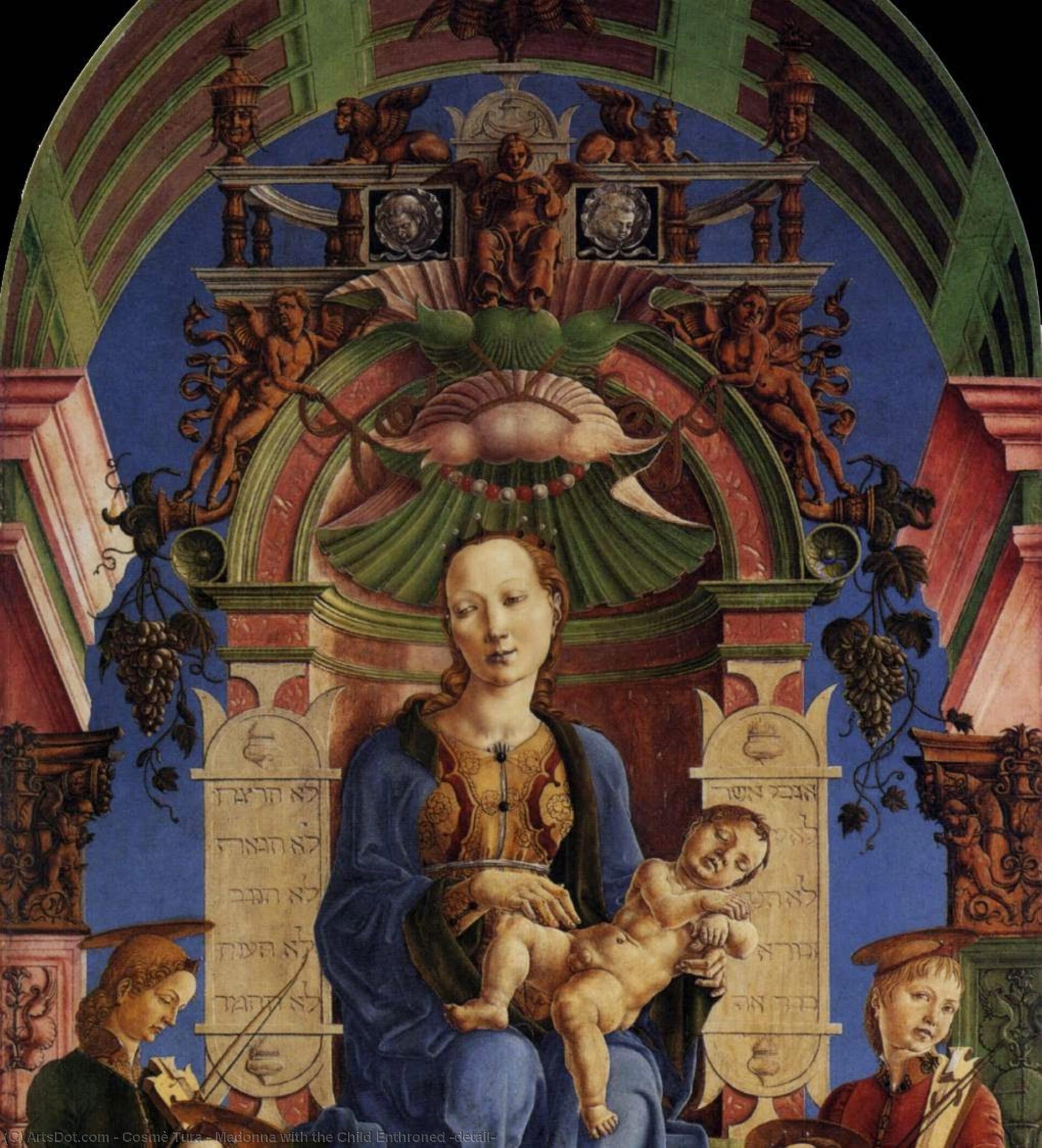
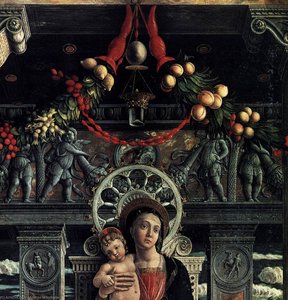
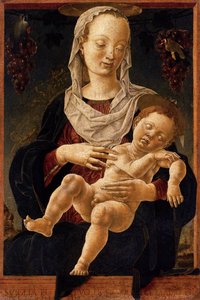
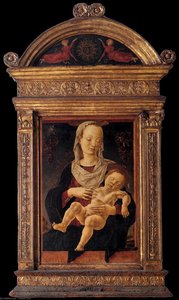
Madonna with the Child Enthroned (detail)
 Oil On Canvas
- WallArt
- Early Renaissance
 1474
1474- Renaissance
 239.0 x 102.0 cm
 Galería Nacional
 Ver más
Reproducción al óleo hecha a mano
Óleo sobre lienzo pintado a mano en el tamaño y marco de su elección, realizado por encargo por nuestros artistas. ( Comprar impresión Comprar imagen)




P118B $10

P118H $10

P118W $10

P438Z $10

P508JH $12

P508YH $12

P805H $10

P805Z $10

P919BZ $10

P919G $10

P919XJ $10

P959ZH $10

P968JZ $12

W106C $8

W218G $10

W218JH $8

W218Y $10

W307PJ $10

W316G $10

W316PJ $8

W316Y $10

W398PJ $8

W4111J $10

W500HY $15

W500JH $15

W692G $12

W849H $8

W940BG $15

W953PJ $8




Elija entre nuestros tamaños predefinidos que respetan las proporciones originales de la obra.

Puede ingresar sus propias dimensiones para adaptarse a un marco o espacio específico. Si el tamaño seleccionado no coincide con las proporciones de la imagen original, recortaremos la obra o extenderemos la pintura con elementos adicionales pintados a mano. Se le enviará una maqueta digital para su aprobación antes de comenzar la producción.
Tenga en cuenta que la vista previa en pantalla no refleja el recorte o la extensión reales. Solo la maqueta mostrará con precisión la composición final.
Si bien existen tamaños personalizados, recomendamos seleccionar una dimensión de la lista predefinida para preservar las proporciones originales.
Tras realizar el pedido, el equipo de ArtsDot.com enviará un correo electrónico al cliente para solicitar instrucciones y proporcionarle una vista previa del boceto.
Envío a todo el mundo () en 3-4 semanas en lugar de las 5 semanas estándar. (30 agosto). Sin comprometer la calidad.

Envío exprés gratuito a todo el mundo

Lienzo de lino de alta calidad

Seguro de envío total

Garantía de reembolso de impuestos aduaneros

Garantía de fidelidad cromática exacta

Política de devolución de 60 días (solo por defectos)

Garantía de devolución del 100% del dinero

Descuento por cantidad
 La opción de vidrio solo está disponible en tamaños inferiores a 110 cm.

Madonna with the Child Enthroned (detail)
Técnica de reproducción
Dimensiones de la reproducción
-


Precio total final
$ 263
A Visionary of Ferrara: Cosmè Tura’s Madonna with the Child Enthroned
Cosmè Tura (1430-1495), a Ferrarese artist whose legacy extends far beyond his lifetime, stands as one of the most distinctive voices of the Early Renaissance. Born into modest circumstances – his father was a shoemaker – Tura ascended to prominence through sheer artistic brilliance and unwavering dedication to innovation, establishing himself as the founder of the Ferrara School, a movement that profoundly shaped Venetian painting during its formative years. While biographical details remain somewhat sparse, scholarly consensus points to an apprenticeship with Galasso Galassi, a figure shrouded in mystery yet undeniably connected to Piero della Francesca’s influential workshop, suggesting a foundational influence on Tura's developing artistic sensibilities. This early exposure undoubtedly instilled him with a deep appreciation for classical ideals and meticulous observation – skills that would prove invaluable throughout his prolific career.- Travel & Influence: Tura’s journey took him to Venice and Padua between 1452 and 1456, where he encountered the vibrant workshop of Francesco Squarcione. This environment fostered experimentation with groundbreaking techniques like oil painting, mirroring the broader Renaissance fascination with realism and humanist scholarship.
- The Ferrara School: Tura’s influence extended beyond his own output; he mentored younger artists who carried forward his stylistic vision, creating a cohesive artistic tradition that prioritized expressive lines and meticulous decorative detail. This school championed the revival of classical motifs and embraced innovative approaches to composition and color.
A Detailed Examination: Style & Technique
This particular painting, “Madonna with the Child Enthroned,” exemplifies Tura’s signature style – characterized by bold outlines, flattened perspective, and a masterful use of color that prioritizes tonal harmony over illusionistic depth. Unlike many contemporaries who sought to emulate Leonardo da Vinci's sfumato technique, Tura favored a more assertive approach, emphasizing clarity of form and conveying emotion through expressive brushstrokes. The meticulous rendering of drapery—particularly the richly ornamented throne—demonstrates his exceptional skill in capturing texture and creating visual richness. Furthermore, the incorporation of oil paint allowed for unprecedented luminosity and vibrancy, elevating the painting’s aesthetic impact beyond what tempera could achieve.Symbolism & Narrative Context
The composition itself is laden with symbolic significance. The Virgin Mary, depicted in regal splendor upon a throne adorned with intricate carvings—likely referencing Byzantine iconography—represents divine majesty and maternal piety. Beneath her gaze rests the infant Jesus, symbolizing Christ’s incarnation and humanity's salvation. Surrounding figures – angels and saints – reinforce the sacred narrative, emphasizing the importance of faith and spiritual devotion. The inclusion of objects like a book (representing wisdom), a bowl (symbolizing purity), and grapes (referencing Eucharist) further enrich the scene’s symbolic tapestry, inviting contemplation on themes of spirituality and divine grace.Emotional Resonance & Artistic Legacy
“Madonna with the Child Enthroned” transcends mere visual representation; it communicates a profound sense of serenity and reverence. Tura's masterful handling of color—particularly the subdued hues of gold and crimson—creates an atmosphere of solemn beauty, captivating viewers with its understated elegance. More than just a beautiful artwork, this piece represents a pivotal moment in Renaissance artistic development – demonstrating the Ferrara School’s commitment to stylistic innovation and establishing Cosmè Tura as one of Italy's foremost painters. Its enduring appeal lies in its ability to evoke feelings of compassion, faith, and contemplation, cementing its place within the canon of Early Renaissance art.Obras relacionadas
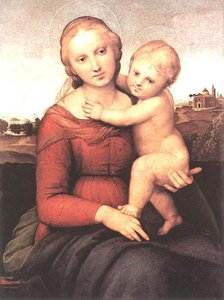
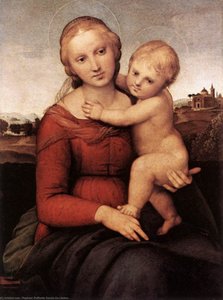
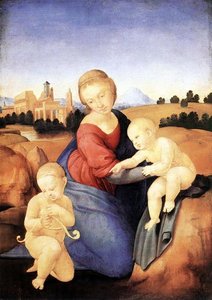
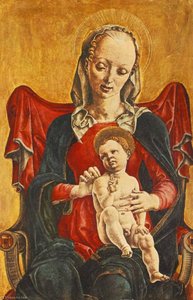
Biografía del artista
Cosmè Tura: Un Pionero de la Escuela Ferraresa
- Nacido: c. 1430 en Ferrera, Italia
- Fallecido: 1495
- Conocido por: Pintor del primer Renacimiento y fundador de la Escuela Ferraresa
Primeros Años y Formación
- Cosmè Tura nació alrededor de 1430 en Ferrara, Italia, hijo de un zapatero. Los detalles sobre su vida temprana son escasos.
- Su formación artística no está bien documentada, pero se cree que pudo haber sido influenciado por artistas como Fra Angelico, Piero della Francesca y Andrea Mantegna.
- Existe la especulación de que podría haber tenido un aprendizaje bajo Galasso Galassi, un artista algo misterioso vinculado a Piero della Francesca.
- De 1452 a 1456, la presencia de Tura en Ferrara no está documentada, lo que lleva a algunos historiadores a creer que pudo haber viajado, posiblemente a Venecia o Padua.
- Un posible viaje a Padua le expuso al taller de Francesco Squarcione, un importante centro para el arte del Renacimiento, y artistas como Carlo Crivelli, Michael Pacher y Andrea Mantegna. Esta exposición probablemente influyó en su estilo.
Estilo Artístico e Influencias
- El estilo artístico de Tura se caracteriza por líneas claras y nítidas, exuberancia decorativa y referencias a la antigüedad clásica.
- Fue un adoptante temprano de la pintura al óleo, utilizándola hábilmente para representar diferentes texturas en sus obras.
- Las influencias incluyen innovaciones toscanas traídas a Padua por Donatello, evidentes en su uso de la perspectiva lineal y las formas fuertes.
- Su estilo también muestra el impacto de los artistas flamencos que trabajaban en Ferrara.
Obras Principales y Logros
- Tura trabajó extensamente para la familia Este, Duques de Ferrara, creando decoraciones para torneos, diseñando muebles y contribuyendo a la moda.
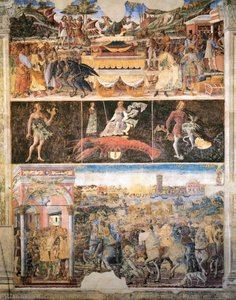
- Entre sus obras notables se incluyen los frescos en el Palazzo Schifanoia en Ferrara, que representan escenas alegóricas.
- Pintó retratos, paneles religiosos (como "San Antonio de Padua Leyendo") y otras obras de arte que muestran su estilo único.
- Su “Pietà” es un ejemplo notable del arte gótico tardío con influencias renacentistas.
Significado Histórico
- Cosmè Tura es considerado uno de los artistas más importantes del primer Renacimiento, particularmente en el norte de Italia.
- Fundó y lideró la Escuela Ferraresa, influyendo en artistas posteriores como Giovanni Andrea Ghirardoni.
- Su innovador uso de la pintura al óleo y su estilo distintivo contribuyeron significativamente al desarrollo del arte italiano.
- El legado de Tura se conserva a través de obras expuestas en museos como el Museo di Ferrara.
Cosmè Tura
1430 - 1495 , Italia
Datos clave
- Artistas Influenciados: ['Giovanni Andrea Ghirardoni']
- Artistas Que Influyeron:
- Fra Angelico
- Piero della Francesca
- Andrea Mantegna
- Fecha De Muerte: 1495
- Fecha De Nacimiento: c. 1430
- Lugar De Nacimiento: Ferrara, Italia
- Movimiento Artístico: Primer Renacimiento
- Nacionalidad: Italiana
- Nombre Completo: Cosmè Tura
- Obras Notables:
- St. Anthony of Padua Reading
- Pietà
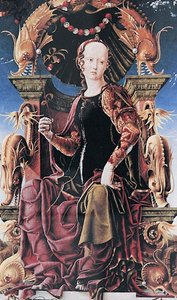
- A Muse (detail)
Artículos relacionados
Cosmè Tura: Rediscovering the Ferrarese Master & His Distinctive Style
Discover Cosmè Tura (1430-1495), founder of the Ferrara School. Explore his unique style, key artworks & lasting influence. Expert insights for collectors.
Del Boceto Inicial a la Obra Duradera: Una Exploración Exhaustiva del Proceso de Reproducción de Pintura al Óleo
Descubre el arte de la reproducción al óleo artesanal con ArtsDot. Reproducciones fieles hechas a mano por expertos, personalización y asesoramiento profesional para galerías y hogares. ¡Invierte en belleza duradera!
El Legado Duradero de la Pintura al Óleo Hecha a Mano: Valor Estético, Longevidad y Resonancia Emocional
Descubra el legado de la pintura al óleo hecha a mano. Reproducciones fieles por artistas expertos, asesoramiento profesional y una inversión artística duradera con ArtsDot.com.
Reproducción Artística: Explorando Medios para la Preservación y Diseminación del Patrimonio Visual
Descubre reproducciones de arte excepcionales hechas por artistas expertos. Lienzos personalizados y réplicas fieles con garantía de calidad museo. ¡Preserva el patrimonio visual!
Convierta su NFT en una obra maestra: Venda reproducciones de óleo artesanal y reciba ingresos inmediatos
Descubre cómo convertir tus NFTs en ingresos reales con reproducciones de óleo artesanal de ArtsDot. Expertos en calidad y autenticidad, garantizamos entrega segura y satisfacción total. Transforma tu colección hoy.