


 Ver en contexto
 Enviar
 Compartir
 Detalles

 Descargar
 Similares
 Radiografía
 Presentación de diapositivas
Christ and St Therese in a Garland of Flowers
 Acrylic On Canvas
- WallArt
- Baroque Flower Painting
 130.0 x 105.0 cm
 Museo del Prado
 Ver más
Reproducción al óleo hecha a mano
Óleo sobre lienzo pintado a mano en el tamaño y marco de su elección, realizado por encargo por nuestros artistas. ( Comprar impresión Comprar imagen)




P118B $10

P118H $10

P118W $10

P438Z $10

P508JH $12

P508YH $12

P805H $10

P805Z $10

P919BZ $10

P919G $10

P919XJ $10

P959ZH $10

P968JZ $12

W106C $8

W218G $10

W218JH $8

W218Y $10

W307PJ $10

W316G $10

W316PJ $8

W316Y $10

W398PJ $8

W4111J $10

W500HY $15

W500JH $15

W692G $12

W849H $8

W940BG $15

W953PJ $8




Elija entre nuestros tamaños predefinidos que respetan las proporciones originales de la obra.

Puede ingresar sus propias dimensiones para adaptarse a un marco o espacio específico. Si el tamaño seleccionado no coincide con las proporciones de la imagen original, recortaremos la obra o extenderemos la pintura con elementos adicionales pintados a mano. Se le enviará una maqueta digital para su aprobación antes de comenzar la producción.
Tenga en cuenta que la vista previa en pantalla no refleja el recorte o la extensión reales. Solo la maqueta mostrará con precisión la composición final.
Si bien existen tamaños personalizados, recomendamos seleccionar una dimensión de la lista predefinida para preservar las proporciones originales.
Tras realizar el pedido, el equipo de ArtsDot.com enviará un correo electrónico al cliente para solicitar instrucciones y proporcionarle una vista previa del boceto.
Envío a todo el mundo () en 3-4 semanas en lugar de las 5 semanas estándar. (29 agosto). Sin comprometer la calidad.

Envío exprés gratuito a todo el mundo

Lienzo de lino de alta calidad

Seguro de envío total

Garantía de reembolso de impuestos aduaneros

Garantía de fidelidad cromática exacta

Política de devolución de 60 días (solo por defectos)

Garantía de devolución del 100% del dinero

Descuento por cantidad
 La opción de vidrio solo está disponible en tamaños inferiores a 110 cm.

Christ and St Therese in a Garland of Flowers
Técnica de reproducción
Dimensiones de la reproducción
-


Precio total final
$ 263
A Symphony of Faith and Flora: Daniel Seghers’s “Christ and St Therese in a Garland of Flowers”
Daniel Seghers's "Christ and St Therese in a Garland of Flowers" is more than simply a beautiful depiction of two revered figures; it’s a meticulously crafted meditation on faith, beauty, and the interconnectedness of the earthly and divine. Painted around 1635, this exquisite work exemplifies the height of Flemish flower painting during the Counter-Reformation, showcasing Seghers's mastery of technique and his profound understanding of symbolism. The piece, now housed in the Museo Nacional del Prado in Madrid, invites viewers into a world brimming with vibrant color, intricate detail, and an undeniable sense of serenity. Measuring 130 x 105 cm, it’s a scale that allows for intimate contemplation of its rich textures and layered meanings.The Artist and His Time: Seghers's Place in the Flemish Renaissance
Born in Antwerp in 1590, Daniël Seghers was deeply embedded within the artistic and religious currents of his era. His early life, marked by upheaval following his father’s death and his mother’s conversion to Calvinism, shaped a trajectory that ultimately led him back to the Catholic fold and a career as a Jesuit brother. His apprenticeship under Jan Brueghel the Elder at the Guild of Saint Luke provided an invaluable foundation in composition and technique – particularly the burgeoning genre of flower painting. Seghers's work is inextricably linked to the Counter-Reformation, a period when art was increasingly used to reinforce religious doctrine and inspire piety. The lavish floral arrangements he created weren’t merely decorative; they were carefully chosen to evoke beauty, abundance, and the promise of eternal life – potent symbols for a faith seeking to reassert itself in a world grappling with change. His connection to the Jesuits further cemented his role as an artist serving a specific religious mission, utilizing visual splendor to communicate spiritual truths.A Garland of Symbolism: Flowers, Faith, and Divine Grace
The painting’s central element – the profusion of flowers – is laden with symbolic weight. Seghers wasn't simply depicting a collection of blossoms; he was employing them as visual metaphors for faith, grace, and the cycles of life and death. The vibrant reds, yellows, and pinks aren’t haphazardly chosen; they represent specific virtues and theological concepts. Roses, often associated with Mary and divine love, are prominently featured alongside lilies, symbolizing purity and the soul's ascent to heaven. The inclusion of a bird, perched delicately in the upper left corner, adds another layer of meaning – representing the Holy Spirit, a vital element of the Trinity. The careful arrangement of these flowers within a garland structure itself is significant, mirroring the interwoven nature of faith, hope, and charity. Furthermore, Seghers’s choice to depict flowers at their peak bloom speaks to the transient beauty of earthly existence and the promise of eternal life offered through religious devotion.Technique and Style: The Brilliance of Flemish Flower Painting
Seghers's skill as a painter is immediately apparent in the meticulous detail and luminous quality of his work. Executed on copper, a material prized for its durability and ability to hold fine details, the painting showcases his mastery of oil paint. The flowers are rendered with astonishing realism – each petal delicately defined, each leaf meticulously observed. However, Seghers doesn’t simply aim for photographic accuracy; he employs a subtle sfumato technique, creating soft transitions between colors and forms that lend the scene an ethereal quality. The dark background further enhances the brilliance of the floral arrangements, drawing the viewer's eye to their vibrant beauty. His work is deeply influenced by Jan Brueghel the Elder, particularly in his use of light and shadow, but Seghers develops a distinct style characterized by a heightened sense of naturalism and an almost sculptural quality to the flowers themselves.A Timeless Masterpiece: Reproduction and Appreciation
ArtsDot offers meticulously hand-painted reproductions of “Christ and St Therese in a Garland of Flowers,” capturing the essence of Seghers’s original masterpiece with unparalleled fidelity. Our skilled artisans recreate every nuance of color, texture, and detail, ensuring that your reproduction is not merely a copy but a faithful interpretation of this extraordinary work. Whether displayed in a private residence or a corporate setting, this stunning artwork will serve as a constant reminder of the beauty, faith, and enduring power of art. Consider commissioning a ArtsDot reproduction to bring the serenity and symbolic richness of Seghers’s garland into your space – a testament to both artistic genius and spiritual devotion.Obras relacionadas
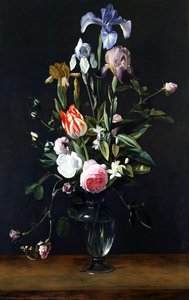
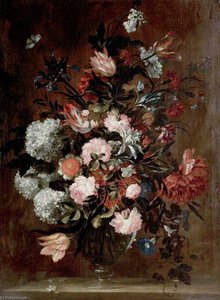
Biografía del artista
Daniel Seghers: Una Vida entre Flores y Fe
- Nacido: Amberes, Bélgica (1590)
- Fallecido: 1661
- Nacionalidad: Flamenco
- Conocido por: Bodegones de Flores, Pinturas de Guirnaldas Florales
Daniel Seghers fue una figura notable en el mundo del arte barroco, reconocido como hermano jesuita y pintor especializado en exquisitos bodegones de flores. Sus contribuciones al género de la "pintura de guirnalda floral" fueron particularmente significativas, lo que le valió un amplio reconocimiento y numerosos seguidores. Nacido en Amberes, su vida se entrelazó con la devoción religiosa, la habilidad artística y el patrocinio aristocrático.
Primeros Años y Formación Artística
Los primeros años de Seghers estuvieron marcados por transiciones familiares y cambios religiosos. Tras la muerte de su padre, Pieter, y la conversión de su madre al calvinismo, se mudó con ella a la República Holandesa alrededor de 1601, probablemente estableciéndose en Utrecht. Se cree que comenzó su formación artística allí antes de regresar a Amberes en 1611. En Amberes, fue formalmente inscrito como alumno de Jan Brueghel el Viejo dentro del Gremio de San Lucas, un momento crucial para dar forma a su estilo y técnica artísticos.
Votos Jesuítas y Desarrollo Artístico
Un punto de inflexión significativo en la vida de Seghers ocurrió con su reconversión al catolicismo y su posterior ingreso a la orden jesuita como novicio en Mechelen en 1614. Esta decisión influyó profundamente tanto en su vida personal como en su producción artística. Aunque las fuentes difieren sobre si fue ordenado sacerdote, está claro que su afiliación con los jesuitas moldeó su temática y el contexto en el que creó su arte.
- Bruselas (1621): Produjo pinturas de guirnaldas florales para la Catedral de San Miguel y Santa Gudula.
- Roma (1625-1627): Colaboró con Nicolás Poussin en pinturas religiosas y creó una notable guirnalda floral para el Cardenal Ludovisi, con putti de Domenichino.
Su regreso a Amberes en 1627 marcó el comienzo de un período prolífico donde continuó pintando, recibiendo visitas de figuras prominentes como el Cardenal-Infante Fernando de Austria, el Archiduque Leopoldo Guillermo de Austria, la Reina Cristina de Suecia y Carlos II de Inglaterra, todos admiradores de su obra.
Estilo e Influencias
El estilo artístico de Seghers evolucionó con el tiempo. Inicialmente influenciado por Jan Brueghel el Viejo, gradualmente desarrolló un enfoque más directo y vivo para pintar flores. Su característica distintiva era la creación de elaboradas guirnaldas florales que a menudo incorporaban cartuchos de piedra con imágenes devocionales o retratos. Favorecía las rosas y los tulipanes cultivados localmente, representándolos en su estado más fresco con meticuloso detalle.
- Primeras Obras: Muestran una influencia reconocible de Jan Brueghel el Viejo.
- Período Posterior (a partir de 1630): Se esforzó por lograr un arreglo más naturalista de flores contra fondos oscuros, creando un efecto escultórico.
Su obra fue muy admirada por sus contemporáneos, incluido Peter Paul Rubens, y formó a varios artistas notables, como Jan Philip van Thielen, Ottmar Elliger e Ignace Raeth.
Legado y Significado Histórico
Daniel Seghers dejó atrás un legado significativo como uno de los principales pintores de flores de su época. Su enfoque innovador en la pintura de guirnaldas, combinando la belleza floral con el simbolismo religioso, resonó profundamente con los patrocinadores aristocráticos y contribuyó significativamente a la cultura visual de la Contrarreforma. El meticuloso detalle y los colores vibrantes en sus pinturas continúan cautivando al público hoy en día, consolidando su lugar como un maestro del arte barroco del bodegón.
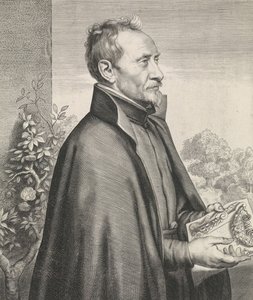
Daniel Seghers
1590 - 1661 , Bélgica
Datos clave
- Artistas Influenciados:
- Jan Philip van Thielen
- Ottmar Elliger
- Ignace Raeth
- Artistas Que Influyeron: ['Jan Brueghel el Viejo']
- Fecha De Fallecimiento: 2 de noviembre de 1661
- Fecha De Nacimiento: 3 de diciembre de 1590
- Lugar De Nacimiento: Amberes, Bélgica
- Movimiento Artístico: Barroco, Floralista
- Nacionalidad: Flamenco
- Nombre Completo: Daniel Seghers
Artículos relacionados
El Greco: Las 25 Obras Maestras que Definen un Genio del Arte y la Fe
Descubre las 25 obras maestras de El Greco, el genio del Renacimiento español. Explora su arte religioso, manierismo y la historia detrás de cuadros icónicos como 'El Entierro del Conde de Orgaz'. Encuentra reproducciones de alta calidad en ArtsDot.com.

The Visceral Stage: Exploring Dramatic Narratives & Emotional Intensity in Baroque Art
Explore the dramatic world of Baroque art! Discover iconic masters like Caravaggio & Rembrandt, their techniques, and the movement's lasting impact. Expert insights for collectors & enthusiasts at ArtsDot.

The Dramatic Flourish: Exploring the Baroque Movement's Enduring Legacy in Art History
Explore the dramatic world of Baroque art! Discover iconic artists like Caravaggio & Rubens, defining techniques, and its lasting impact on art history. Expert insights for collectors & enthusiasts at ArtsDot.

Drama Barroca: Llevando la Grandeza y la Emoción a los Interiores Contemporáneos
Descubre cómo el drama y la grandeza del arte barroco pueden transformar tus interiores. Guía experta, inspiración y reproducciones de alta calidad en .

Barroco Sublime: 10 Obras Maestras que Definieron una Época |
Descubre las 10 obras maestras del Barroco que marcaron una época. Caravaggio, Bernini y Velázquez cobran vida en . Reproducciones de arte de calidad museo para decorar tu hogar con elegancia. ¡Explora la colección online!

