

 Ver en contexto
 Enviar
 Compartir
 Detalles

 Descargar
 Similares
 Radiografía
 Presentación de diapositivas
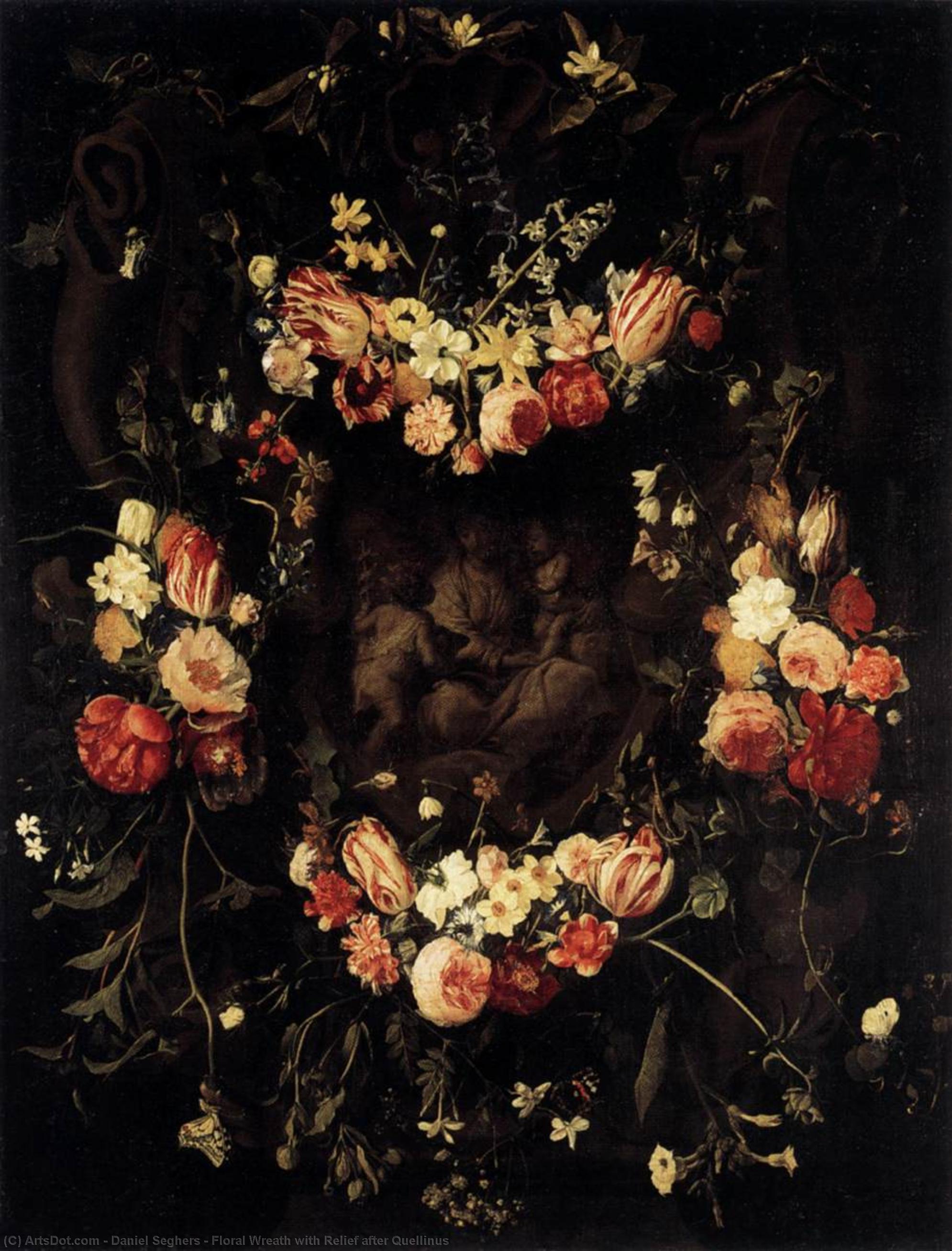
Floral Wreath with Relief after Quellinus
 Oil On Canvas
- WallArt
- Baroque Flower Painting
 1645
1645 129.0 x 95.0 cm
 Staatliche Museen zu Berlin
 Ver más
Reproducción al óleo hecha a mano
Óleo sobre lienzo pintado a mano en el tamaño y marco de su elección, realizado por encargo por nuestros artistas. ( Comprar impresión Comprar imagen)




P118B $10

P118H $10

P118W $10

P438Z $10

P508JH $12

P508YH $12

P805H $10

P805Z $10

P919BZ $10

P919G $10

P919XJ $10

P959ZH $10

P968JZ $12

W106C $8

W218G $10

W218JH $8

W218Y $10

W307PJ $10

W316G $10

W316PJ $8

W316Y $10

W398PJ $8

W4111J $10

W500HY $15

W500JH $15

W692G $12

W849H $8

W940BG $15

W953PJ $8




Elija entre nuestros tamaños predefinidos que respetan las proporciones originales de la obra.

Puede ingresar sus propias dimensiones para adaptarse a un marco o espacio específico. Si el tamaño seleccionado no coincide con las proporciones de la imagen original, recortaremos la obra o extenderemos la pintura con elementos adicionales pintados a mano. Se le enviará una maqueta digital para su aprobación antes de comenzar la producción.
Tenga en cuenta que la vista previa en pantalla no refleja el recorte o la extensión reales. Solo la maqueta mostrará con precisión la composición final.
Si bien existen tamaños personalizados, recomendamos seleccionar una dimensión de la lista predefinida para preservar las proporciones originales.
Tras realizar el pedido, el equipo de ArtsDot.com enviará un correo electrónico al cliente para solicitar instrucciones y proporcionarle una vista previa del boceto.
Envío a todo el mundo () en 3-4 semanas en lugar de las 5 semanas estándar. (23 agosto). Sin comprometer la calidad.

Envío exprés gratuito a todo el mundo

Lienzo de lino de alta calidad

Seguro de envío total

Garantía de reembolso de impuestos aduaneros

Garantía de fidelidad cromática exacta

Política de devolución de 60 días (solo por defectos)

Garantía de devolución del 100% del dinero

Descuento por cantidad
 La opción de vidrio solo está disponible en tamaños inferiores a 110 cm.

Floral Wreath with Relief after Quellinus
Técnica de reproducción
Dimensiones de la reproducción
-


Precio total final
$ 263
Descripción de la obra
A Symphony of Blooms: Daniel Seghers’ Floral Wreath with Relief
The painting before us – “Floral Wreath with Relief after Quellinus” by the masterful Flemish painter Daniel Seghers, created in 1645 – is more than a simple still life; it's an immersive experience of color, texture, and profound serenity. Measuring 129 x 95 cm, this work transports us to a world meticulously crafted with delicate brushstrokes and an astonishing attention to detail. At its heart lies a captivating scene: a baby nestled within a lavish wreath overflowing with an astounding thirteen distinct flower species – roses in varying shades of crimson and blush, the elegant curves of carnations, the stately presence of lilies, and countless others, each rendered with breathtaking realism.
Seghers, born in Antwerp in 1590, was a pivotal figure in the development of Flemish flower painting. His artistic journey began within the prestigious studio of Jan Brueghel the Elder, absorbing the master’s techniques and ultimately forging his own distinctive style. This apprenticeship instilled in him a deep appreciation for naturalism and an ability to capture the fleeting beauty of the botanical world. His work reflects not just technical skill but also a profound connection to the religious currents of his time – Seghers was a Jesuit brother, and his paintings often carried subtle devotional undertones, though here, the focus is primarily on the celebration of life and innocence.
The Legacy of Quellinus and Baroque Ornamentation
This particular piece draws inspiration from Erasmus II Quellinus, a prominent Antwerp sculptor known for his intricate relief work. Seghers skillfully translates this sculptural element into a painted wreath – a technique that was gaining popularity during the mid-17th century. The ‘relief’ aspect isn't literal depth but rather an illusion created through careful layering of petals and leaves, suggesting three-dimensionality and adding to the overall richness of the composition. The style is firmly rooted in the Baroque period, characterized by dramatic contrasts between light and shadow, a heightened sense of realism, and an opulent display of decorative elements – all hallmarks of Seghers’s oeuvre.
Notice the masterful use of color; the vibrant reds and pinks of the roses are juxtaposed with the softer hues of the carnations and lilies. The artist employs a technique known as ‘stiacciato,’ where colors are applied in thick, opaque layers to create a sense of volume and texture. This method is particularly evident in the rendering of the baby’s skin – soft and luminous against the dense foliage. The background, rendered in deep browns and greens, serves to further accentuate the brilliance of the floral display, creating a harmonious balance between foreground and background.
Symbolism and Emotional Resonance
Beyond its technical brilliance, “Floral Wreath with Relief” is rich in symbolic meaning. The baby at the center represents innocence, vulnerability, and new life – themes frequently explored in religious art of the period. The wreath itself symbolizes protection, abundance, and eternal life. Flowers, universally associated with beauty, love, and remembrance, contribute to the painting’s overall atmosphere of warmth and tenderness. It's a scene designed to evoke feelings of comfort, serenity, and perhaps even a touch of nostalgia.
The choice of flowers is also significant. Each bloom carries its own symbolic weight – roses representing love and devotion, lilies signifying purity and grace, and carnations conveying remembrance and affection. Seghers’s meticulous selection and arrangement create a visual poem that speaks to the enduring power of nature and the beauty of human connection. This painting isn't merely a depiction of flowers; it is an invitation into a world of quiet contemplation and profound emotional resonance – a testament to Seghers’s extraordinary talent and his ability to capture the essence of beauty in its most delicate form.
Obras relacionadas


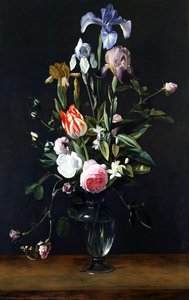
Biografía del artista
Daniel Seghers: Una Vida entre Flores y Fe
- Nacido: Amberes, Bélgica (1590)
- Fallecido: 1661
- Nacionalidad: Flamenco
- Conocido por: Bodegones de Flores, Pinturas de Guirnaldas Florales
Daniel Seghers fue una figura notable en el mundo del arte barroco, reconocido como hermano jesuita y pintor especializado en exquisitos bodegones de flores. Sus contribuciones al género de la "pintura de guirnalda floral" fueron particularmente significativas, lo que le valió un amplio reconocimiento y numerosos seguidores. Nacido en Amberes, su vida se entrelazó con la devoción religiosa, la habilidad artística y el patrocinio aristocrático.
Primeros Años y Formación Artística
Los primeros años de Seghers estuvieron marcados por transiciones familiares y cambios religiosos. Tras la muerte de su padre, Pieter, y la conversión de su madre al calvinismo, se mudó con ella a la República Holandesa alrededor de 1601, probablemente estableciéndose en Utrecht. Se cree que comenzó su formación artística allí antes de regresar a Amberes en 1611. En Amberes, fue formalmente inscrito como alumno de Jan Brueghel el Viejo dentro del Gremio de San Lucas, un momento crucial para dar forma a su estilo y técnica artísticos.
Votos Jesuítas y Desarrollo Artístico
Un punto de inflexión significativo en la vida de Seghers ocurrió con su reconversión al catolicismo y su posterior ingreso a la orden jesuita como novicio en Mechelen en 1614. Esta decisión influyó profundamente tanto en su vida personal como en su producción artística. Aunque las fuentes difieren sobre si fue ordenado sacerdote, está claro que su afiliación con los jesuitas moldeó su temática y el contexto en el que creó su arte.
- Bruselas (1621): Produjo pinturas de guirnaldas florales para la Catedral de San Miguel y Santa Gudula.
- Roma (1625-1627): Colaboró con Nicolás Poussin en pinturas religiosas y creó una notable guirnalda floral para el Cardenal Ludovisi, con putti de Domenichino.
Su regreso a Amberes en 1627 marcó el comienzo de un período prolífico donde continuó pintando, recibiendo visitas de figuras prominentes como el Cardenal-Infante Fernando de Austria, el Archiduque Leopoldo Guillermo de Austria, la Reina Cristina de Suecia y Carlos II de Inglaterra, todos admiradores de su obra.
Estilo e Influencias
El estilo artístico de Seghers evolucionó con el tiempo. Inicialmente influenciado por Jan Brueghel el Viejo, gradualmente desarrolló un enfoque más directo y vivo para pintar flores. Su característica distintiva era la creación de elaboradas guirnaldas florales que a menudo incorporaban cartuchos de piedra con imágenes devocionales o retratos. Favorecía las rosas y los tulipanes cultivados localmente, representándolos en su estado más fresco con meticuloso detalle.
- Primeras Obras: Muestran una influencia reconocible de Jan Brueghel el Viejo.
- Período Posterior (a partir de 1630): Se esforzó por lograr un arreglo más naturalista de flores contra fondos oscuros, creando un efecto escultórico.
Su obra fue muy admirada por sus contemporáneos, incluido Peter Paul Rubens, y formó a varios artistas notables, como Jan Philip van Thielen, Ottmar Elliger e Ignace Raeth.
Legado y Significado Histórico
Daniel Seghers dejó atrás un legado significativo como uno de los principales pintores de flores de su época. Su enfoque innovador en la pintura de guirnaldas, combinando la belleza floral con el simbolismo religioso, resonó profundamente con los patrocinadores aristocráticos y contribuyó significativamente a la cultura visual de la Contrarreforma. El meticuloso detalle y los colores vibrantes en sus pinturas continúan cautivando al público hoy en día, consolidando su lugar como un maestro del arte barroco del bodegón.
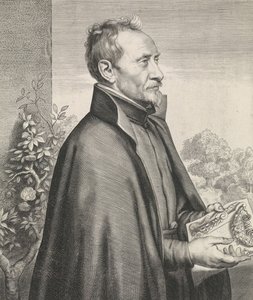
Daniel Seghers
1590 - 1661 , Bélgica
Datos clave
- Artistas Influenciados:
- Jan Philip van Thielen
- Ottmar Elliger
- Ignace Raeth
- Artistas Que Influyeron: ['Jan Brueghel el Viejo']
- Fecha De Fallecimiento: 2 de noviembre de 1661
- Fecha De Nacimiento: 3 de diciembre de 1590
- Lugar De Nacimiento: Amberes, Bélgica
- Movimiento Artístico: Barroco, Floralista
- Nacionalidad: Flamenco
- Nombre Completo: Daniel Seghers
Artículos relacionados
Blossoms of Time: A Historical & Aesthetic Exploration of Floral Painting Across Cultures
Explore the rich history of floral painting! Discover symbolism, techniques & masterpieces from Van Huysum to O'Keeffe. Expert insights for art lovers & collectors at ArtsDot.
Blossoms of Time: A Historical Journey Through Flower Painting
Explore the captivating history of flower painting! Discover Dutch masters, symbolic meanings, & botanical art. Expert insights & high-quality reproductions at ArtsDot.
Blossoming Symbolism: A Historical Journey Through Flowers in Western Painting
Explore the rich history of flower symbolism in Western painting! Discover how artists from the Renaissance to Modernism used blossoms to convey meaning, emotion & beauty. Learn about iconic artworks and movements.
Jan van Kessel the Elder: A Baroque Master of Floral Still Life & Miniature Portraiture
Discover the exquisite detail of Jan van Kessel the Elder's Baroque floral still lifes & captivating miniatures. Explore his artistic legacy, scientific precision, and lasting influence on 17th-century Flemish painting.
El Siglo XVII en el Arte: 10 Obras Maestras para Decorar con Historia y Elegancia
Descubre 10 obras maestras del siglo XVII: Rembrandt, Vermeer, Caravaggio y más. Explora la historia, el arte barroco y encuentra reproducciones de alta calidad para decorar tu hogar con elegancia en ArtsDot.com.

