 Ver en contexto
 Enviar
 Compartir
 Detalles

 Descargar
 Similares
 Radiografía
 Presentación de diapositivas
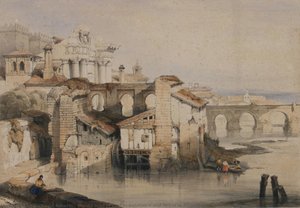
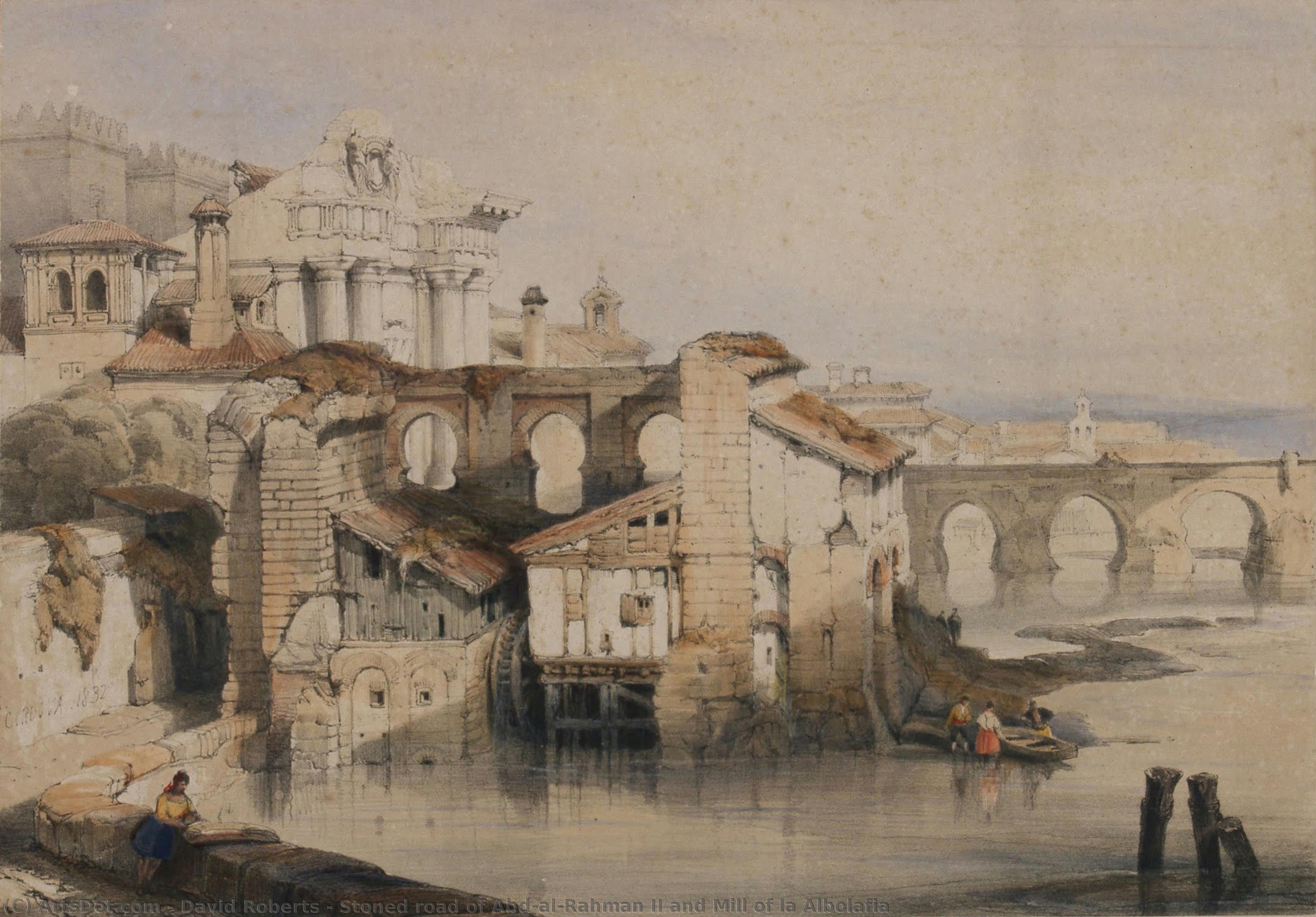
El molino de la Albolafia y el puente romano
 Acrílico sobre lienzo
- Arte de pared
- Orientalist Painting
 40.0 x 28.0 cm
 Museo de las Bellas Artes de Córdoba
 Ver más
Giclée / Impresión de arte
Impresiones giclée o en lienzo de calidad de museo con producción rápida y opciones de acabado flexibles. ( Comprar pintura hecha a mano Comprar imagen)




P118B $10

P118H $10

P118W $10

P438Z $10

P508JH $12

P508YH $12

P805H $10

P805Z $10

P919BZ $10

P919G $10

P919XJ $10

P959ZH $10

P968JZ $12

W106C $8

W218G $10

W218JH $8

W218Y $10

W307PJ $10

W316G $10

W316PJ $8

W316Y $10

W398PJ $8

W4111J $10

W500HY $15

W500JH $15

W692G $12

W849H $8

W940BG $15

W953PJ $8




Elija entre nuestros tamaños predefinidos que respetan las proporciones originales de la obra.

Puede introducir sus propias dimensiones para adaptarse a un marco o espacio específico. Si el tamaño seleccionado no coincide con las proporciones de la imagen original, recortaremos la obra de arte o extenderemos la imagen con un borde con efecto espejo o de color sólido. Se enviará una maqueta digital para su aprobación antes de que comience la producción.
Tenga en cuenta que la vista previa en pantalla no refleja el recorte o la extensión real. Solo la maqueta mostrará con precisión la composición final.
Aunque existen tamaños personalizados, recomendamos seleccionar una dimensión de la lista predefinida para preservar las proporciones originales.
Envío a todo el mundo () en 2 semanas en lugar de las 4/5 semanas estándar. (25 agosto)

Envío exprés gratuito a todo el mundo

Lienzo de lino de alta calidad

Seguro de envío total

Garantía de reembolso de impuestos aduaneros

Garantía de fidelidad cromática exacta

Política de devolución de 60 días (solo por defectos)

Garantía de devolución del 100% del dinero

Descuento por cantidad
 La opción de vidrio solo está disponible en tamaños inferiores a 110 cm.

El molino de la Albolafia y el puente romano
Giclée / Impresión de arte
Dimensiones de la reproducción
-


Precio total final
$ 62
Descripción de la pieza
Stoned Road of Abd-al-Rahman II and Mill of La Albolafia: A Testament to Córdoba’s Artistic Legacy
David Roberts' engraving, “Stoned Road of Abd-al-Rahman II and Mill of La Albolafia,” transcends mere visual representation; it embodies the spirit of 19th-century Orientalism—a fascination with the Middle East fueled by scientific observation and romantic idealism. Published in 1837 by Hodgson & Graves, this artwork captures a pivotal moment in Córdoba’s history: the reign of Abd al-Rahman II (925–961), a Berber ruler who established an independent Islamic Emirate that flourished as a beacon of culture and scholarship. The image depicts the Guadalquivir River flowing past the Roman Bridge, with the venerable mill of La Albolafia dominating the foreground—a structure whose origins date back centuries, symbolizing Córdoba’s enduring connection to its past.- Subject Matter: The engraving meticulously portrays a riverside scene featuring an ancient stone bridge and a complex network of mills and horses. Roberts' keen eye for detail captures not only the physical landscape but also the bustling activity of daily life—a testament to Córdoba’s importance as a commercial hub during its golden age.
- Style: Roberts adheres to the conventions of Romantic Orientalism, prioritizing atmospheric perspective and dramatic lighting to convey emotion and grandeur. The composition is carefully balanced, guiding the viewer's gaze across the scene and emphasizing the monumental scale of the bridge and mill.
Technique and Artistic Execution: Precision Meets Imagination
Roberts’ masterful lithograph technique—developed by W. Gauci—allowed for exceptional tonal range and textural detail, faithfully reproducing the rugged beauty of the Andalusian countryside. Lithography, unlike etching or engraving, relies on transferring ink from a stone surface onto paper, resulting in prints that possess remarkable clarity and subtlety. Roberts skillfully utilized hatching and shading to create depth and realism, capturing the weathered stones of the bridge and the dappled sunlight filtering through the trees—a testament to his technical prowess.Historical Context: Córdoba Under Abd al-Rahman II – A Cradle of Knowledge
The engraving’s setting is inextricably linked to the reign of Abd al-Rahman II, considered one of Córdoba's greatest rulers. During this period, Córdoba became a center for intellectual and artistic innovation—drawing scholars from across Europe and Asia—and fostering advancements in mathematics, astronomy, medicine, and philosophy. The mill itself represents not only agricultural productivity but also Córdoba’s role as a vital conduit for trade and cultural exchange.Symbolism: Resilience and Continuity
Beyond its depiction of a specific historical moment, “Stoned Road of Abd-al-Rahman II and Mill of La Albolafia” speaks to broader themes of resilience and continuity. The enduring presence of the mill—a structure that has survived through centuries of upheaval—symbolizes Córdoba’s ability to preserve its heritage despite external pressures. Roberts' artwork invites contemplation on the passage of time, reminding us of the profound impact that art can have in conveying cultural memory.Emotional Impact: Capturing the Spirit of Place
Roberts succeeds in evoking a palpable sense of atmosphere—a feeling of tranquility mingled with grandeur. The muted tones and careful rendering of light contribute to an emotional resonance that transcends mere visual observation, transporting the viewer back to Córdoba’s vibrant past. This artwork serves as a powerful reminder of the beauty and complexity of Andalusian culture—a legacy that continues to inspire artists and collectors alike.Obras relacionadas
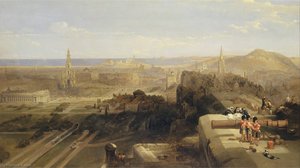
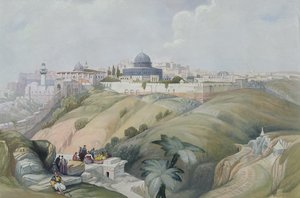
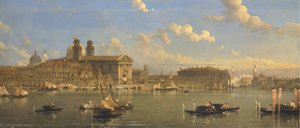
Biografía del artista
David Roberts: Una Vida en el Arte
David Roberts (1796-1864) fue un pintor escocés celebrado por sus detalladas escenas orientalistas y meticulosas litografías. Su obra proporciona una valiosa documentación visual del Oriente Medio durante el siglo XIX, conectando la representación artística con el registro histórico.
Vida Temprana y Carrera
Nacido el 24 de octubre de 1796 en Stockbridge cerca de Edimburgo, la vida temprana de Roberts estuvo marcada por una formación práctica. A los diez años, comenzó un aprendizaje con el pintor y decorador Gavin Beugo. Esta experiencia fundamental inculcó un sólido conjunto de habilidades técnicas, que complementó con estudios artísticos nocturnos.
Su trabajo profesional inicial incluyó la decoración de Scone Palace en 1815. Luego pasó a la pintura de escenas para el circo de James Bannister, perfeccionando sus habilidades en la creación de entornos inmersivos. Estas experiencias tempranas sentaron las bases para su posterior éxito como un destacado pintor orientalista.
Viaje Artístico e Influencias
El desarrollo artístico de Roberts fue moldeado por una creciente fascinación con diferentes culturas y paisajes. Si bien inicialmente se centró en la escenografía teatral, gradualmente se trasladó a más búsquedas artísticas independientes. Sus viajes a España en 1832 fueron formativos, despertando un interés en los detalles arquitectónicos y los lugares exóticos.
Sin embargo, fue su extensa gira por Egipto y el Cercano Oriente (1838-1840) lo que realmente definió su carrera. Estos viajes le proporcionaron una gran cantidad de bocetos y observaciones que luego tradujo en sus obras más famosas. Su estilo no estuvo fuertemente influenciado por ningún artista, sino que se desarrolló a partir de la observación cuidadosa y la maestría técnica.
Obras Notables y Logros
Roberts es mejor conocido por La Tierra Santa, Siria, Idumea, Arabia, Egipto y Nubia – una serie de meticulosas impresiones litográficas. Estas imágenes capturaron la grandeza de los sitios antiguos y la vitalidad de la vida contemporánea en la región.
- Impresiones: Sus impresiones fueron ampliamente difundidas y se convirtieron en altamente influyentes para dar forma a las percepciones europeas del Oriente Medio.
- Pinturas: También produjo numerosas pinturas al óleo, a menudo obras a gran escala que representaban paisajes expansivos y maravillas arquitectónicas.
En 1841, Roberts fue elegido como Académico Real – un reconocimiento significativo de sus contribuciones al mundo del arte.
Estilo Artístico y Características
El estilo artístico de Roberts se caracteriza por:
- Orientalismo: Un fuerte enfoque en la representación de escenas del Medio Oriente, reflejando la fascinación europea por “el Oriente.”
- Atención al Detalle: Su obra es reconocida por su precisión y exactitud en el renderizado de detalles arquitectónicos, trajes y paisajes.
- Paisajismo & Ciudades: Combinó hábilmente sensibilidades románticas con la observación detallada, creando representaciones evocadoras tanto de entornos naturales como de entornos urbanos.
Legado e Importancia Histórica
El trabajo de David Roberts desempeñó un papel crucial en la popularización del Medio Oriente entre el público europeo. Sus imágenes proporcionaron una ventana visual a una región que era en gran medida desconocida para muchos, influyendo en los viajes, la erudición y la representación artística.
Sus impresiones sirvieron como importantes documentos históricos, preservando imágenes de sitios que desde entonces han cambiado o se han perdido. Dejó una huella imborrable en el mundo del arte, inspirando a generaciones posteriores de artistas y cautivando a los espectadores hasta el día de hoy.
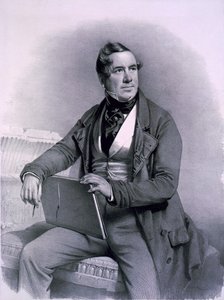
David Roberts
1796 - 1864 , United Kingdom
Datos clave
- Artistic Movement Or Style: Orientalismo
- Artists Or Movements Influenced By This Artist: ['Romanticismo']
- Artists Who Influenced This Artist: ['Gavin Beugo']
- Date Of Birth: Stockbridge, Reino Unido (1796)
- Date Of Death: Londres (1864)
- Full Name: David Roberts
- Nationality: Escocés
- Notable Artworks:
- La Tierra Santa
- Siria, Idumea, Arabia, Egipto y Nubia
- Place Of Birth: Stockbridge
Artículos relacionados

David Roberts: A Scottish Pioneer of Topographical Art & Orientalist Vision
Explore the captivating world of David Roberts, a pioneering Scottish painter renowned for his detailed Orientalist scenes & stunning Egyptian landscapes. Discover his legacy and find museum-quality reproductions at ArtsDot.

Paisajes Románticos: 10 Obras Maestras que Definieron un Movimiento Artístico
Descubre los 10 paisajes románticos más influyentes de artistas como Caspar David Friedrich y Turner. Explora la belleza, el simbolismo y las técnicas del movimiento romántico. Reproducciones de arte exclusivas en ArtsDot.com.

Evocations of Place: A Historical Journey Through Landscape Art
Explore the rich history of landscape art with ArtsDot. Discover renowned artists, movements like Impressionism & Romanticism, and expert guidance for collecting timeless pieces. Find your perfect serene escape today!
Engraving: A Historical Survey of Technique, Artistic Expression & Enduring Legacy
Explore the rich history of engraving with ArtsDot. Discover techniques, iconic artists like Dürer & Callot, collecting tips, and expert guidance for preserving your art investment. Learn about intaglio printing & more!

John Constable: Las 25 Obras Maestras del Paisaje Inglés | ArtsDot
Descubre las 25 obras maestras de John Constable, el pintor romántico inglés que capturó la belleza del paisaje. Explora su técnica, historia y significado en ArtsDot.com. Reproducciones de arte de alta calidad para tu hogar.