

 Ver en contexto
 Enviar
 Compartir
 Detalles

 Descargar
 Similares
 Radiografía
 Presentación de diapositivas
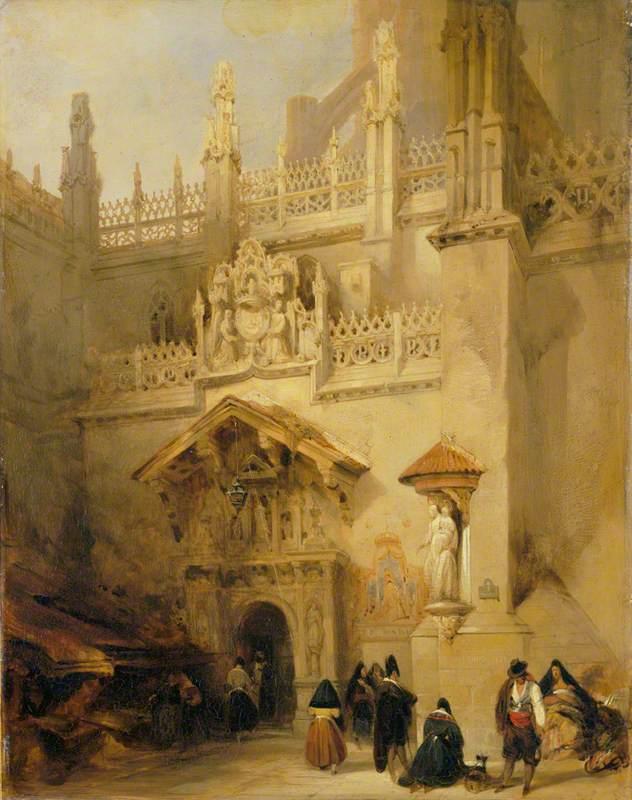
Granada the Chapel of Ferdinand and Isabella


 Ver más
Adquiera una imagen digital de alta resolución y optimizada, muy superior a la vista previa en línea.
Cada archivo es preparado meticulosamente por nuestros especialistas internos mediante el uso de herramientas avanzadas y un experto retoque manual. Nos aseguramos de que cada imagen posea una claridad excepcional, una precisión cromática impecable y un detalle minucioso.
El archivo final se entrega por correo electrónico en un plazo de 72 horas, optimizado para su uso inmediato en entornos profesionales, editoriales y de impresión. Esta es la misma calidad en la que confían los estudios de diseño, las editoriales y las galerías de primer nivel.
Imagen Digital
Descarga un archivo de alta resolución para exhibición personal, impresión y proyectos creativos. ( Comprar impresión Comprar pintura hecha a mano)
Incluido en cada pedido de imágenes digitales
Entrega digital experta, garantizada.
Al elegir ArtsDot.com, no solo está adquiriendo una imagen; está recibiendo una obra de arte digital mejorada profesionalmente, elaborada con precisión y respaldada por una garantía de satisfacción. Esto es todo lo que incluye su pedido, automáticamente:

Entrega rápida por email
Recibirá su archivo de imagen digital en alta resolución por correo electrónico en un plazo de 72 horas tras realizar su pedido, listo para su uso inmediato.

Archivo digital optimizado por IA
Su obra de arte se optimiza profesionalmente mediante herramientas avanzadas de IA y edición manual, garantizando el máximo detalle, claridad y precisión cromática.

Reenvío gratuito de por vida
¿Has borrado o perdido tu archivo por error? No te preocupes: te lo volveremos a enviar en cualquier momento, sin coste adicional.

Sin gastos de importación, siempre
Disfrute de su obra de arte al instante sin aduanas, aranceles ni gastos de envío; las descargas digitales siempre están libres de impuestos.

Garantía de fidelidad de color
Garantizamos que su imagen digital refleje los colores originales con la mayor fidelidad posible, mediante el uso de herramientas profesionales y gestión del color.

Garantía de satisfacción de 60 días
Si no está satisfecho con su imagen digital, la revisaremos o le reembolsaremos el 100% en un plazo de 60 días, sin preguntas.

100% Garantía de devolución de dinero
¿No está satisfecho? Obtenga un reembolso completo dentro de los 60 días posteriores a la recepción de su archivo digital, sin necesidad de explicaciones.

Descuentos por pedidos grandes
Compra 3 imágenes, ahorra 10% - Compra 5, ahorra 15% - Compra 10+, ahorra 20%. Ideal para proyectos creativos, galerías y agencias.
Descripción del coleccionable
David Roberts’ Granada: The Chapel of Ferdinand and Isabella – A Window into Spanish Majesty
David Roberts's 1838 painting, “Granada: The Chapel of Ferdinand and Isabella,” isn’t merely a landscape; it’s a meticulously crafted tableau vivant, offering a rare glimpse into the heart of Spain’s golden age. Roberts, a Scottish artist who spent formative years immersed in Orientalist scenes, shifted his focus to Europe during this period, producing works that are both strikingly detailed and imbued with a profound sense of historical awareness. This particular piece transcends simple representation, becoming a poignant meditation on power, faith, and the enduring legacy of the Catholic Monarchs.
The scene unfolds within the Royal Chapel of Granada, a structure built to house the tombs of Ferdinand II and Isabella – the very figures who unified Spain and initiated the era of Spanish exploration. Roberts doesn’t depict the chapel in its full grandeur; instead, he captures a moment of relative quietude, a fleeting glimpse into the sacred space. The composition is carefully orchestrated: a small group of individuals—likely pilgrims or visitors—are scattered across the foreground, their postures suggesting contemplation and reverence. A dog, perhaps a loyal companion, adds a touch of domesticity to this otherwise formal setting.
The Painter’s Technique – A Masterclass in Detail
Roberts' skill lies not just in his ability to capture a scene but in the exquisite detail with which he renders it. Executed in oil on panel, the painting is a testament to his painstaking observation and technical mastery. Notice the subtle variations in light and shadow that define the architecture of the chapel – the rough-hewn stone, the intricate carvings, and the play of sunlight streaming through the windows. Roberts’ use of color is equally noteworthy; he employs muted earth tones—ochres, browns, and grays—to evoke a sense of age and solidity, punctuated by brighter highlights that draw attention to key elements like the figures and architectural details.
The artist's background in scene painting – creating immersive environments for theatrical productions – clearly informs his approach. He meticulously constructs a believable space, layering perspective and detail with remarkable precision. Roberts’ technique is characterized by a smooth, almost velvety application of paint, contributing to the overall sense of realism and depth.
Historical Context & Symbolic Resonance
To fully appreciate “Granada: The Chapel of Ferdinand and Isabella,” it's crucial to understand its historical context. This painting was created during a period of significant political and religious upheaval in Spain – the aftermath of the Reconquista, the expulsion of Jews and Muslims, and the rise of the Spanish Inquisition. The chapel itself is a potent symbol of this era: a testament to the power and piety of Ferdinand and Isabella, who oversaw the unification of Spain and ushered in an age of exploration and conquest.
The figures within the painting are not merely observers; they represent the diverse populace that flocked to Granada to pay homage to the Catholic Monarchs. Their presence underscores the chapel’s role as a focal point for religious devotion and national identity. The inclusion of the dog, a common symbol of loyalty and fidelity, further reinforces this theme.
A Window into the Soul of Spain
Beyond its historical and artistic merits, “Granada: The Chapel of Ferdinand and Isabella” possesses a profound emotional resonance. Roberts’ careful composition and evocative use of light create a sense of quiet contemplation—a feeling that invites the viewer to step back in time and experience the atmosphere of this sacred space. It's not simply a depiction of a building; it’s a portrait of an era, a testament to human ambition, faith, and the enduring power of memory. Reproductions of this work offer a tangible connection to Spain’s rich past, inviting us to reflect on its complexities and appreciate its artistic legacy.
Obras relacionadas
Biografía del artista
David Roberts: Una Vida en el Arte
David Roberts (1796-1864) fue un pintor escocés celebrado por sus detalladas escenas orientalistas y meticulosas litografías. Su obra proporciona una valiosa documentación visual del Oriente Medio durante el siglo XIX, conectando la representación artística con el registro histórico.
Vida Temprana y Carrera
Nacido el 24 de octubre de 1796 en Stockbridge cerca de Edimburgo, la vida temprana de Roberts estuvo marcada por una formación práctica. A los diez años, comenzó un aprendizaje con el pintor y decorador Gavin Beugo. Esta experiencia fundamental inculcó un sólido conjunto de habilidades técnicas, que complementó con estudios artísticos nocturnos.
Su trabajo profesional inicial incluyó la decoración de Scone Palace en 1815. Luego pasó a la pintura de escenas para el circo de James Bannister, perfeccionando sus habilidades en la creación de entornos inmersivos. Estas experiencias tempranas sentaron las bases para su posterior éxito como un destacado pintor orientalista.
Viaje Artístico e Influencias
El desarrollo artístico de Roberts fue moldeado por una creciente fascinación con diferentes culturas y paisajes. Si bien inicialmente se centró en la escenografía teatral, gradualmente se trasladó a más búsquedas artísticas independientes. Sus viajes a España en 1832 fueron formativos, despertando un interés en los detalles arquitectónicos y los lugares exóticos.
Sin embargo, fue su extensa gira por Egipto y el Cercano Oriente (1838-1840) lo que realmente definió su carrera. Estos viajes le proporcionaron una gran cantidad de bocetos y observaciones que luego tradujo en sus obras más famosas. Su estilo no estuvo fuertemente influenciado por ningún artista, sino que se desarrolló a partir de la observación cuidadosa y la maestría técnica.
Obras Notables y Logros
Roberts es mejor conocido por La Tierra Santa, Siria, Idumea, Arabia, Egipto y Nubia – una serie de meticulosas impresiones litográficas. Estas imágenes capturaron la grandeza de los sitios antiguos y la vitalidad de la vida contemporánea en la región.
- Impresiones: Sus impresiones fueron ampliamente difundidas y se convirtieron en altamente influyentes para dar forma a las percepciones europeas del Oriente Medio.
- Pinturas: También produjo numerosas pinturas al óleo, a menudo obras a gran escala que representaban paisajes expansivos y maravillas arquitectónicas.
En 1841, Roberts fue elegido como Académico Real – un reconocimiento significativo de sus contribuciones al mundo del arte.
Estilo Artístico y Características
El estilo artístico de Roberts se caracteriza por:
- Orientalismo: Un fuerte enfoque en la representación de escenas del Medio Oriente, reflejando la fascinación europea por “el Oriente.”
- Atención al Detalle: Su obra es reconocida por su precisión y exactitud en el renderizado de detalles arquitectónicos, trajes y paisajes.
- Paisajismo & Ciudades: Combinó hábilmente sensibilidades románticas con la observación detallada, creando representaciones evocadoras tanto de entornos naturales como de entornos urbanos.
Legado e Importancia Histórica
El trabajo de David Roberts desempeñó un papel crucial en la popularización del Medio Oriente entre el público europeo. Sus imágenes proporcionaron una ventana visual a una región que era en gran medida desconocida para muchos, influyendo en los viajes, la erudición y la representación artística.
Sus impresiones sirvieron como importantes documentos históricos, preservando imágenes de sitios que desde entonces han cambiado o se han perdido. Dejó una huella imborrable en el mundo del arte, inspirando a generaciones posteriores de artistas y cautivando a los espectadores hasta el día de hoy.
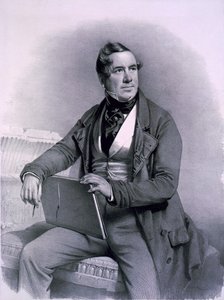
David Roberts
1796 - 1864 , United Kingdom
Breves datos
- Artistic Movement Or Style: Orientalismo
- Artists Or Movements Influenced By This Artist: ['Romanticismo']
- Artists Who Influenced This Artist: ['Gavin Beugo']
- Date Of Birth: Stockbridge, Reino Unido (1796)
- Date Of Death: Londres (1864)
- Full Name: David Roberts
- Nationality: Escocés
- Notable Artworks:
- La Tierra Santa
- Siria, Idumea, Arabia, Egipto y Nubia
- Place Of Birth: Stockbridge

