 Enviar
 Compartir
 Detalles

 Descargar
 Similares
 Presentación de diapositivas
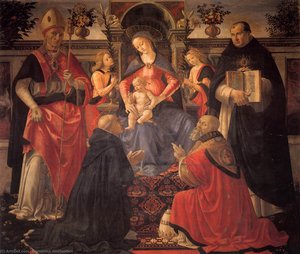
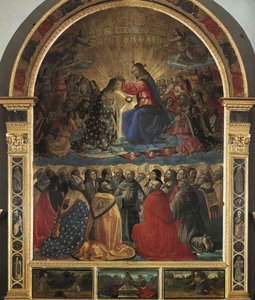
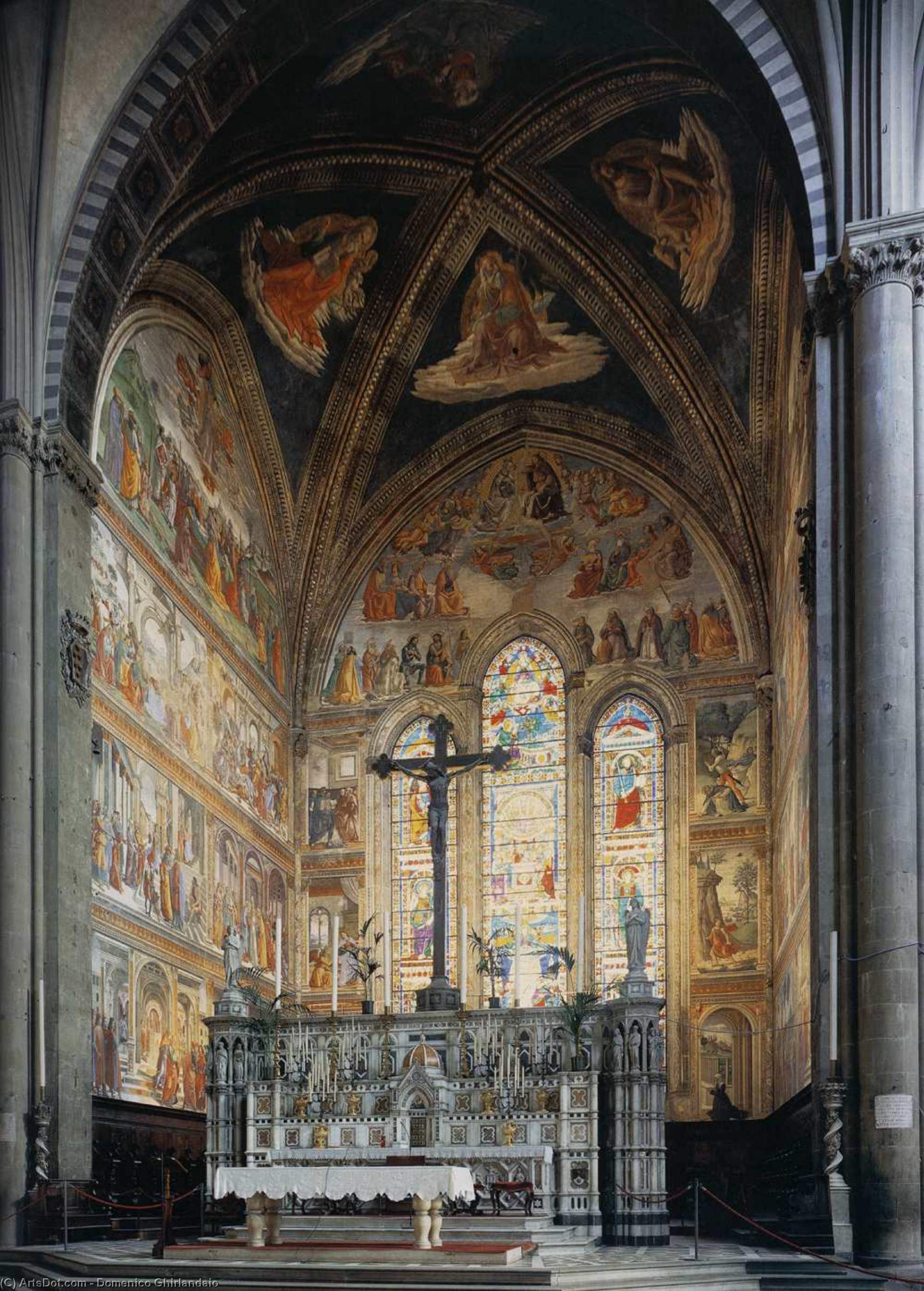
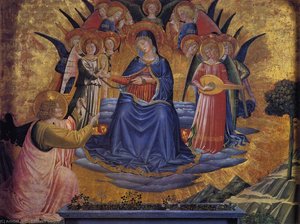
View of the Tornabuoni Chapel


 Ver más
Giclée / Impresión de arte
Impresiones giclée o en lienzo de calidad de museo con producción rápida y opciones de acabado flexibles. ( Comprar pintura hecha a mano Comprar imagen)




































Elija entre nuestros tamaños predefinidos que respetan las proporciones originales de la obra.

Puede introducir sus propias dimensiones para adaptarse a un marco o espacio específico. Si el tamaño seleccionado no coincide con las proporciones de la imagen original, recortaremos la obra de arte o extenderemos la imagen con un borde con efecto espejo o de color sólido. Se enviará una maqueta digital para su aprobación antes de que comience la producción.
Tenga en cuenta que la vista previa en pantalla no refleja el recorte o la extensión real. Solo la maqueta mostrará con precisión la composición final.
Aunque existen tamaños personalizados, recomendamos seleccionar una dimensión de la lista predefinida para preservar las proporciones originales.
Envío a todo el mundo () en 2 semanas en lugar de las 4/5 semanas estándar. (27 agosto)

Envío exprés gratuito a todo el mundo

Lienzo de lino de alta calidad

Seguro de envío total

Garantía de reembolso de impuestos aduaneros

Garantía de fidelidad cromática exacta

Política de devolución de 60 días (solo por defectos)

Garantía de devolución del 100% del dinero

Descuento por cantidad
 La opción de vidrio solo está disponible en tamaños inferiores a 110 cm.

View of the Tornabuoni Chapel
Giclée / Impresión de arte
Dimensiones de la reproducción
-


Precio total final
$ 62
A Renaissance Masterpiece in Stone and Pigment
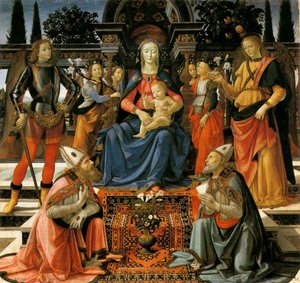
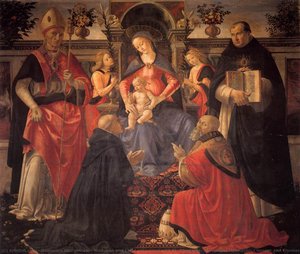
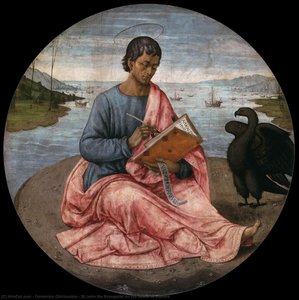
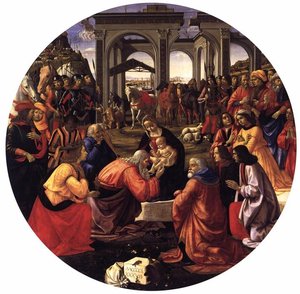
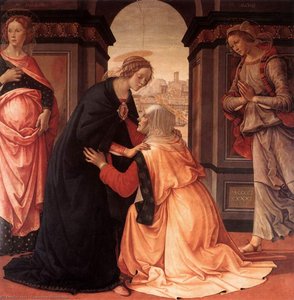
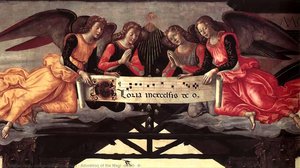
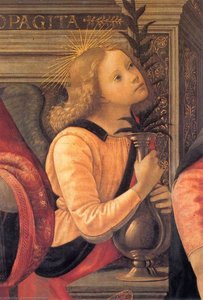
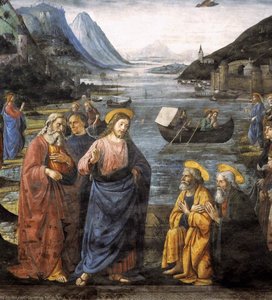
To step into the view of the Tornabuoni Chapel is to transcend the boundaries of time and enter the very heart of the Florentine Renaissance. Nestled within the hallowed walls of the Basilica di Santa Maria Novella, this monumental achievement by Domenico Ghirlandaio serves as more than a mere religious site; it is a breathtaking intersection of divine narrative and human grandeur. Commissioned by the influential banker Giovanni Tornabuoni between 1485 and 1490, the chapel stands as a testament to an era where wealth, faith, and artistic ambition converged to create something eternal. The space itself, with its soaring Gothic arches and ribbed ceilings, provides a dramatic stage for Ghirlamlandaio’s masterful fresco cycle, inviting viewers into a world where the sacred and the secular breathe as one.
The visual experience is defined by an unparalleled sense of depth and luminosity. Utilizing the demanding fresco technique—the delicate art of applying pigment to wet plaster—Ghirlandaio achieved a level of textural detail and atmospheric clarity that remains startling even centuries later. Through the sophisticated application of linear perspective, inspired by the humanist theories of Alberti, the artist dissolves the physical limits of the chapel walls. He draws the eye through layers of architectural illusionism, creating a spatial coherence that makes the biblical scenes feel as though they are unfolding in real-time within the viewer's own space. The interplay of light, filtering through high windows to dance across the vibrant pigments, lends a serene, almost ethereal quality to the entire ensemble.
The Symphony of Sacred Narrative and Civic Pride
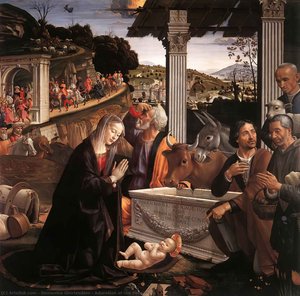
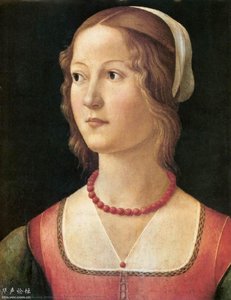
At its core, the chapel is a meticulously orchestrated tapestry of theological storytelling. The frescoes recount the profound lives of St. John the Baptist and the Virgin Mary, yet Ghirlandaio weaves these holy chronicles with the unmistakable pulse of 15th-century Florence. There is a profound emotional resonance in his depiction of divine grace; one can almost feel the tenderness in the Nativity or the solemnity of the crucifixion. However, the genius of the work lies in its ability to ground these celestial events in the recognizable beauty of the Florentine landscape and society. The artist captures the very essence of the era—the fine linens, the intricate jewelry, and the dignified portraits of the Florentine elite—transforming a religious commission into a lasting monument of civic identity.
For the discerning collector or interior designer, a reproduction of this view offers much more than a decorative element; it provides an infusion of historical soul and architectural majesty. The composition, characterized by its rhythmic arches and rich, saturated tones, possesses a unique ability to anchor a room with a sense of quiet dignity and intellectual depth. Whether placed in a grand library or a contemporary living space, the image evokes a feeling of tranquility and timelessness. It is an invitation to contemplate the heights of human creativity and the enduring power of beauty to inspire awe across the generations.
Obras relacionadas
Biografía del artista
Primeros años y formación
Domenico di Tommaso Curradi di Doffo Bigordi, conocido como Domenico Ghirlandaio, fue un pintor del Renacimiento italiano nacido en Florencia, Italia (1449-1494). Formó parte de la llamada "tercera generación" del Renacimiento florentino, junto con Verrocchio, los hermanos Pollaiolo y Sandro Botticelli. La primera etapa de Ghirlandaio se caracteriza por su aprendizaje con su padre, un orfebre, donde desarrolló sus habilidades para crear tocados metálicos con forma de guirnalda que eran usados por las mujeres florentinas. Esto le valió el apodo de "il ghirlandaio" (fabricante de guirnaldas). Posteriormente estudió pintura y mosaico bajo la tutela de Alesso Baldovinetti.Carrera artística
La carrera artística de Ghirlandaio se caracteriza por su excepcional talento para representar la vida contemporánea y los retratos dentro de narrativas religiosas. Esto le granjeó una enorme popularidad y numerosas comisiones importantes. Su taller, que incluía a sus hermanos Davide y Benedetto Ghirlandaio, era altamente eficiente y productivo.- Los trabajos más destacados de Ghirlandaio incluyen los ciclos de frescos en la capilla Sassetti de Santa Trinita (1482-1485) y la vocación de los apóstoles en la Capilla Sixtina (1483).
- Su estilo se caracteriza por su capacidad para representar escenas de la vida contemporánea y retratos dentro de narrativas religiosas, aportando un sentido de realismo a su obra.
- Su futuro cuñado, Sebastiano Mainardi, lo asistió en estas comisiones y en los frescos iniciales en San Gimignano.
Influencias y desarrollo
Ghirlandaio se vio influenciado por artistas como Alesso Baldovinetti y Andrea del Verrocchio, aprendiendo de sus técnicas y estilos. Sin embargo, desarrolló su propio enfoque distintivo al incorporar elementos realistas y contemporáneos en sus obras religiosas. Su habilidad para representar figuras humanas con gran detalle y precisión, así como su dominio de la perspectiva lineal, contribuyeron a su éxito y popularidad. El taller de Ghirlandaio se convirtió en un centro importante de producción artística, formando a numerosos aprendices, incluyendo al famoso Michelangelo.Obras destacadas y legado
Ve las obras de Domenico Ghirlandaio en ArtsDot- St. Jerome in his study (1480), una obra complementaria a la de Botticelli, Saint Augustine in his study, muestra la habilidad de Ghirlandaio en la pintura al fresco.
- La Apoteosis de St. Zenóbio (1482) en la sala del giglio, Palazzo Vecchio, es un ejemplo de su habilidad compositiva y perspectiva.
Museos y colecciones
El Museo San Giovanni (Siena, Italia) alberga una colección de obras de arte, incluyendo las del Renacimiento italiano. La Capilla Sixtina, donde Ghirlandaio trabajó en la vocación de los apóstoles, es reconocida por sus frescos y forma parte importante de la historia del arte. Aprende más sobre San Gimignano en Wikipedia.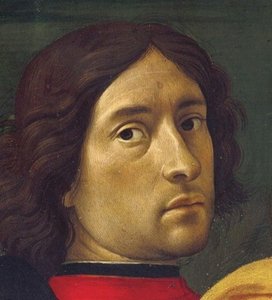
Domenico Ghirlandaio
1449 - 1494 , Italia
Datos clave
- Artistas Que Influyeron:
- Verrocchio
- Botticelli
- Alesso Baldovinetti
- Fecha De Muerte: 11 de enero de 1494
- Fecha De Nacimiento: 2 de junio de 1448
- Influenciado A Artistas: ['Michelangelo']
- Lugar De Nacimiento: Florencia, Italia
- Movimiento Artístico: Renacimiento italiano
- Nacionalidad: Italiana
- Nombre Completo: Domenico Ghirlandaio
- Obras Notables:
- St. Jerome in his Study
- Apoteosis of St. Zenobius
- Vocation of the Apostles
Artículos relacionados

Legado en las Paredes: Frescos Familiares que Trascienden el Tiempo
Descubre el arte del fresco muralístico para inmortalizar tu historia familiar. Expertos en frescos personalizados y técnicas ancestrales. Crea un legado visual único con .

The Enduring Legacy of Fresco Painting: Techniques, History & Contemporary Relevance
Explore the rich history & enduring artistry of fresco painting – from Giotto to Michelangelo! Discover techniques, conservation efforts, & modern applications. Learn how ArtsDot brings this timeless art form to your home.

The Enduring Legacy of Fresco: Technique, History & Artistic Expression Across Cultures
Explore the rich history & enduring legacy of fresco painting! Discover ancient techniques, Giotto's masterpieces, and modern applications. Expert insights for art lovers & professionals.

¿El Arte que Habita Contigo: El Poder Emocional de un Fresco Interior Personalizado?
Descubre el poder emocional de un fresco interior personalizado. Expertos en arte te guían para crear una obra única que refleje tu estilo y valore tu hogar. : calidad, confianza y diseño excepcional.
El Fresco a Través de los Siglos: Técnica, Historia y Expresión Artística Duradera
Descubre la historia y técnica del fresco, desde sus orígenes en la antigüedad hasta los maestros renacentistas. Guía completa sobre conservación, restauración y el legado artístico de este arte milenario.