 Ver en contexto
 Enviar
 Compartir
 Detalles

 Descargar
 Similares
 Radiografía
 Presentación de diapositivas
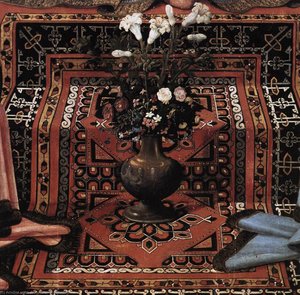
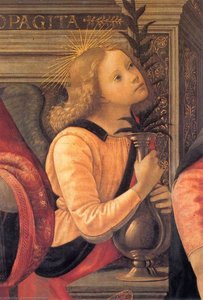
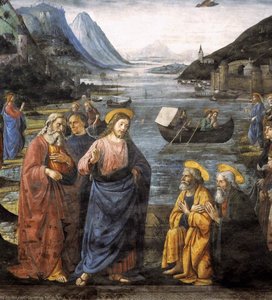
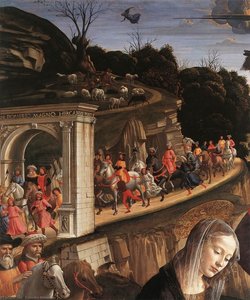
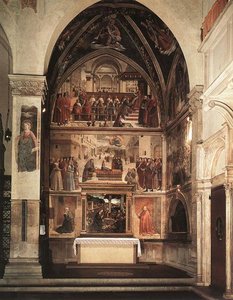
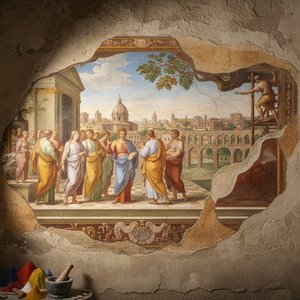
View of the Tornabuoni Chapel (detail)


 Ver más
Reproducción al óleo hecha a mano
Óleo sobre lienzo pintado a mano en el tamaño y marco de su elección, realizado por encargo por nuestros artistas. ( Comprar impresión Comprar imagen)




P118B $10

P118H $10

P118W $10

P438Z $10

P508JH $12

P508YH $12

P805H $10

P805Z $10

P919BZ $10

P919G $10

P919XJ $10

P959ZH $10

P968JZ $12

W106C $8

W218G $10

W218JH $8

W218Y $10

W307PJ $10

W316G $10

W316PJ $8

W316Y $10

W398PJ $8

W4111J $10

W500HY $15

W500JH $15

W692G $12

W849H $8

W940BG $15

W953PJ $8




Elija entre nuestros tamaños predefinidos que respetan las proporciones originales de la obra.

Puede ingresar sus propias dimensiones para adaptarse a un marco o espacio específico. Si el tamaño seleccionado no coincide con las proporciones de la imagen original, recortaremos la obra o extenderemos la pintura con elementos adicionales pintados a mano. Se le enviará una maqueta digital para su aprobación antes de comenzar la producción.
Tenga en cuenta que la vista previa en pantalla no refleja el recorte o la extensión reales. Solo la maqueta mostrará con precisión la composición final.
Si bien existen tamaños personalizados, recomendamos seleccionar una dimensión de la lista predefinida para preservar las proporciones originales.
Tras realizar el pedido, el equipo de ArtsDot.com enviará un correo electrónico al cliente para solicitar instrucciones y proporcionarle una vista previa del boceto.
Envío a todo el mundo () en 3-4 semanas en lugar de las 5 semanas estándar. (2 septiembre). Sin comprometer la calidad.

Envío exprés gratuito a todo el mundo

Lienzo de lino de alta calidad

Seguro de envío total

Garantía de reembolso de impuestos aduaneros

Garantía de fidelidad cromática exacta

Política de devolución de 60 días (solo por defectos)

Garantía de devolución del 100% del dinero

Descuento por cantidad
 La opción de vidrio solo está disponible en tamaños inferiores a 110 cm.

View of the Tornabuoni Chapel (detail)
Técnica de reproducción
Dimensiones de la reproducción
-


Precio total final
$ 638
A Florentine Garland: Exploring Domenico Ghirlandaio’s Vision of Divine Judgment
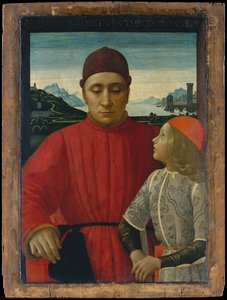
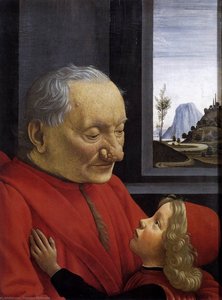
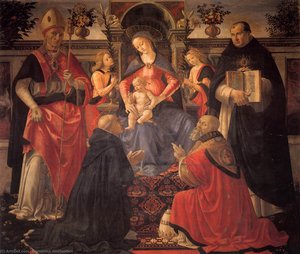
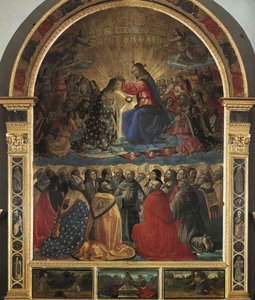
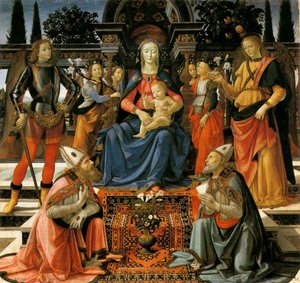
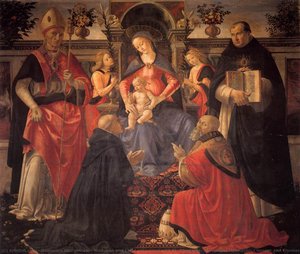
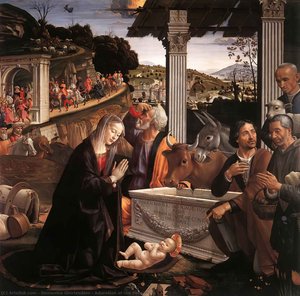
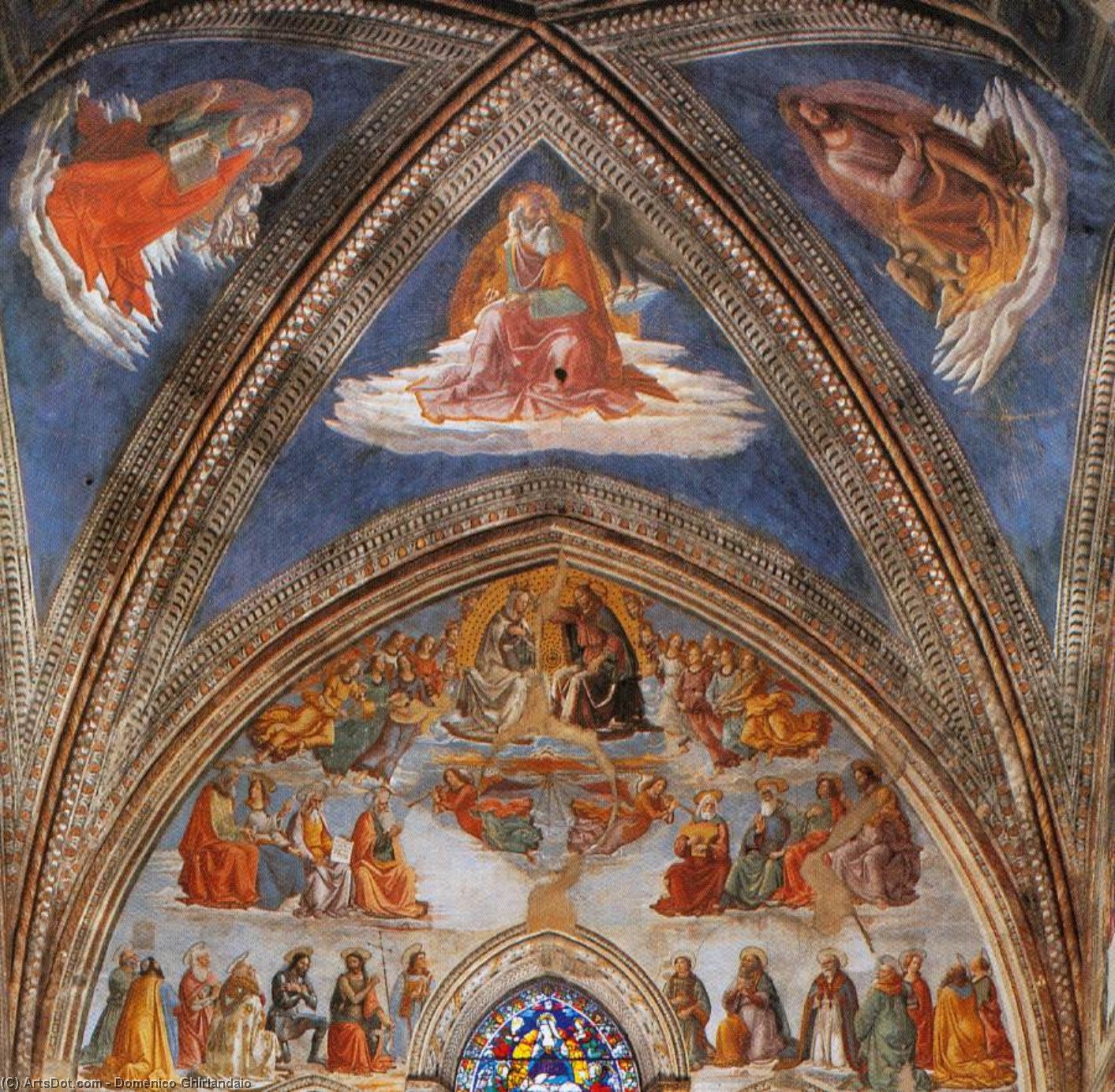
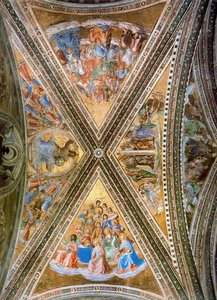
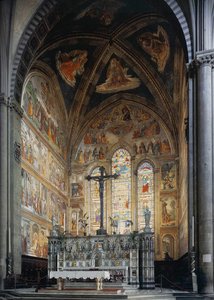
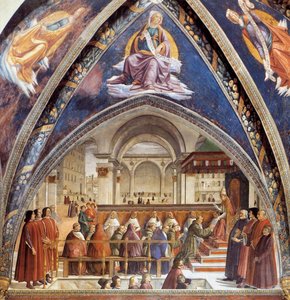
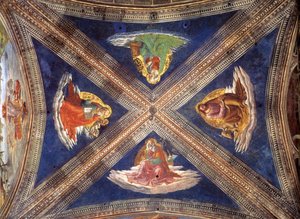
The fresco depicting “View of the Tornabuoni Chapel,” attributed to Domenico Ghirlandaio, stands as a testament to the artistic fervor of Renaissance Florence. Painted in 1485 during Lorenzo de Medici's reign—a period marked by humanist ideals and burgeoning patronage—this monumental artwork transcends mere decoration; it embodies complex theological concepts interwoven with masterful craftsmanship. Examining its details reveals layers of meaning that continue to fascinate scholars and inspire artists today.Subject Matter and Theological Significance
At its core, the fresco confronts viewers with a dramatic representation of the Last Judgment. Ghirlandaio meticulously portrays Christ presiding over an apocalyptic scene—a swirling vortex of figures ascending towards heaven and descending into hell. The chapel itself serves as a symbolic backdrop, representing earthly salvation juxtaposed against eternal damnation. This deliberate juxtaposition underscores the central Christian belief in divine retribution for sin and highlights the importance of righteousness before God’s judgment. Ghirlandaio's aim wasn't simply to depict biblical narrative but to convey its profound spiritual implications—a mission typical of Florentine artists during this era who sought to elevate religious experience through visual art.Style and Technique: Fresco Painting – A Legacy of Craftsmanship
Ghirlandaio’s artistic style exemplifies the late Gothic-early Renaissance transition, blending stylistic elements from both traditions. The composition is characterized by a pyramidal structure—a hallmark of Florentine fresco painting—creating a sense of stability amidst the turbulent imagery. Precise linear perspective guides the eye upwards towards Christ and downwards toward the abyss, reinforcing the spatial drama. Ghirlandaio’s meticulous attention to detail is evident in the rendering of drapery folds, facial expressions, and anatomical accuracy—skills honed under Andrea del Verrocchio's tutelage. The fresco technique itself—applying pigments directly onto wet plaster—demands extraordinary skill and patience, resulting in durable surfaces that retain their vibrancy over centuries. The subtle shading and highlights skillfully simulate light, enhancing the three-dimensional effect and conveying a palpable atmosphere of solemn reverence.Symbolism: Haloes, Gestures, and Hierarchical Arrangement
Throughout the fresco, Ghirlandaio employs numerous symbolic elements to enrich its narrative depth. Halos illuminate figures representing saints and Christ himself—affirming their sanctity and divine grace. The gestures of the central figures convey profound theological messages—Christ’s outstretched hand symbolizes compassion and forgiveness, while Saint Mary embodies maternal piety and unwavering faith. Furthermore, the hierarchical arrangement of figures reinforces the biblical concept of God's dominion over humanity. Each figure occupies a specific position within the pyramid, reflecting its importance in relation to the overall composition and conveying a sense of cosmic order.Emotional Impact: Awe and Reverence – Capturing Divine Majesty
Ultimately, “View of the Tornabuoi Chapel” evokes an overwhelming feeling of awe and reverence—a response born from confronting the majesty of God’s judgment. Ghirlandaio's masterful execution captures not only the visual spectacle but also the spiritual apprehension inherent in contemplating eternity. The artwork compels viewers to contemplate their own mortality and to consider the moral implications of earthly life—themes that resonate powerfully across cultures and eras. It serves as a timeless reminder of humanity’s relationship with divinity, prompting reflection on faith, morality, and the pursuit of righteousness.Conclusion: An Enduring Masterpiece
Domenico Ghirlandaio's “View of the Tornabuoni Chapel” remains an extraordinary achievement—a cornerstone of Renaissance art that continues to inspire admiration for its technical brilliance and intellectual depth. Its enduring legacy testifies to the transformative power of visual art to communicate profound theological concepts and to evoke visceral emotional responses—a testament to Ghirlandaio’s genius as both artist and humanist thinker.Obras relacionadas

Biografía del artista
Primeros años y formación
Domenico di Tommaso Curradi di Doffo Bigordi, conocido como Domenico Ghirlandaio, fue un pintor del Renacimiento italiano nacido en Florencia, Italia (1449-1494). Formó parte de la llamada "tercera generación" del Renacimiento florentino, junto con Verrocchio, los hermanos Pollaiolo y Sandro Botticelli. La primera etapa de Ghirlandaio se caracteriza por su aprendizaje con su padre, un orfebre, donde desarrolló sus habilidades para crear tocados metálicos con forma de guirnalda que eran usados por las mujeres florentinas. Esto le valió el apodo de "il ghirlandaio" (fabricante de guirnaldas). Posteriormente estudió pintura y mosaico bajo la tutela de Alesso Baldovinetti.Carrera artística
La carrera artística de Ghirlandaio se caracteriza por su excepcional talento para representar la vida contemporánea y los retratos dentro de narrativas religiosas. Esto le granjeó una enorme popularidad y numerosas comisiones importantes. Su taller, que incluía a sus hermanos Davide y Benedetto Ghirlandaio, era altamente eficiente y productivo.- Los trabajos más destacados de Ghirlandaio incluyen los ciclos de frescos en la capilla Sassetti de Santa Trinita (1482-1485) y la vocación de los apóstoles en la Capilla Sixtina (1483).
- Su estilo se caracteriza por su capacidad para representar escenas de la vida contemporánea y retratos dentro de narrativas religiosas, aportando un sentido de realismo a su obra.
- Su futuro cuñado, Sebastiano Mainardi, lo asistió en estas comisiones y en los frescos iniciales en San Gimignano.
Influencias y desarrollo
Ghirlandaio se vio influenciado por artistas como Alesso Baldovinetti y Andrea del Verrocchio, aprendiendo de sus técnicas y estilos. Sin embargo, desarrolló su propio enfoque distintivo al incorporar elementos realistas y contemporáneos en sus obras religiosas. Su habilidad para representar figuras humanas con gran detalle y precisión, así como su dominio de la perspectiva lineal, contribuyeron a su éxito y popularidad. El taller de Ghirlandaio se convirtió en un centro importante de producción artística, formando a numerosos aprendices, incluyendo al famoso Michelangelo.Obras destacadas y legado
Ve las obras de Domenico Ghirlandaio en ArtsDot- St. Jerome in his study (1480), una obra complementaria a la de Botticelli, Saint Augustine in his study, muestra la habilidad de Ghirlandaio en la pintura al fresco.
- La Apoteosis de St. Zenóbio (1482) en la sala del giglio, Palazzo Vecchio, es un ejemplo de su habilidad compositiva y perspectiva.
Museos y colecciones
El Museo San Giovanni (Siena, Italia) alberga una colección de obras de arte, incluyendo las del Renacimiento italiano. La Capilla Sixtina, donde Ghirlandaio trabajó en la vocación de los apóstoles, es reconocida por sus frescos y forma parte importante de la historia del arte. Aprende más sobre San Gimignano en Wikipedia.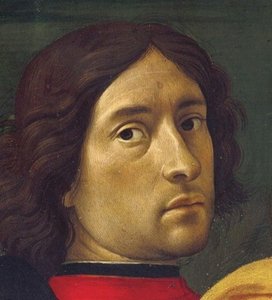
Domenico Ghirlandaio
1449 - 1494 , Italia
Datos clave
- Artistas Que Influyeron:
- Verrocchio
- Botticelli
- Alesso Baldovinetti
- Fecha De Muerte: 11 de enero de 1494
- Fecha De Nacimiento: 2 de junio de 1448
- Influenciado A Artistas: ['Michelangelo']
- Lugar De Nacimiento: Florencia, Italia
- Movimiento Artístico: Renacimiento italiano
- Nacionalidad: Italiana
- Nombre Completo: Domenico Ghirlandaio
- Obras Notables:
- St. Jerome in his Study
- Apoteosis of St. Zenobius
- Vocation of the Apostles
Artículos relacionados

Legado en las Paredes: Frescos Familiares que Trascienden el Tiempo
Descubre el arte del fresco muralístico para inmortalizar tu historia familiar. Expertos en frescos personalizados y técnicas ancestrales. Crea un legado visual único con .

The Enduring Legacy of Fresco Painting: Techniques, History & Contemporary Relevance
Explore the rich history & enduring artistry of fresco painting – from Giotto to Michelangelo! Discover techniques, conservation efforts, & modern applications. Learn how ArtsDot brings this timeless art form to your home.

The Enduring Legacy of Fresco: Technique, History & Artistic Expression Across Cultures
Explore the rich history & enduring legacy of fresco painting! Discover ancient techniques, Giotto's masterpieces, and modern applications. Expert insights for art lovers & professionals.
El Fresco a Través de los Siglos: Técnica, Historia y Expresión Artística Duradera
Descubre la historia y técnica del fresco, desde sus orígenes en la antigüedad hasta los maestros renacentistas. Guía completa sobre conservación, restauración y el legado artístico de este arte milenario.

¿El Arte que Habita Contigo: El Poder Emocional de un Fresco Interior Personalizado?
Descubre el poder emocional de un fresco interior personalizado. Expertos en arte te guían para crear una obra única que refleje tu estilo y valore tu hogar. : calidad, confianza y diseño excepcional.